Summer can be the best time of year for so many reasons, but your hair doesn't always agree. Between the UV rays quietly fading your color, the humidity turning a good hair day into a frizzy one, chlorine doing its worst at the pool and festival season demanding your locks hold up through days of sun and dancing, summer puts your hair through a lot.
The good news is that with a few simple adjustments to your routine, your hair can genuinely thrive through all of it. This guide covers everything you need to know: sun and UV protection, scalp care, swimming and saltwater, frizz, festival styling, vacation hair and how to repair any damage once the season winds down. Whether you are a festival regular, a dedicated swimmer or just someone who wants to arrive in September with healthy hair, it is all here.
We have pulled together the best tips, the right products and practical advice for every hair type to ensure you and your hair have the best summer.
Contents:
- Summer Hair Care Foundations
- Sun and UV Protection for Hair
- Scalp Protection and Care in Summer
- Swimming: Chlorine and Saltwater Hair Care
- Frizz and Humidity: Keeping Hair Smooth in Summer
- Festival Hair: Styles, Prep and Care
- Vacation Hair Care
- Repairing Summer-Damaged Hair
Summer Hair Care Foundations
Summer can be a lot of fun, but it certainly puts your hair through a lot. Thankfully, some simple changes to your hair care routine will have your hair looking and feeling its best from June through September.
This section covers the basics: what is actually happening to your hair in the heat, how to build a routine that works around it, and what to keep in your kit.
How Summer Affects Your Hair
Your hair faces a different set of challenges in summer compared to the rest of the year, and understanding why is the first step to building a summer hair care routine that works.
UV rays are one of the biggest risks. We are all on guard against the damage the sun can do to our skin, but what about our hair? Exposure to the sun can cause the proteins in the hair shaft to break down, leaving strands feeling dry and brittle and fading color-treated hair. The more time you spend outdoors without protection, the more that cumulative damage adds up.
Humidity also plays a role. When the air is heavy with moisture, the hair cuticle absorbs it unevenly, causing the hair to swell and frizz. If you have naturally wavy or curly hair, you will feel this more than most.
Heat and sweat also increase sebum production on the scalp, which can leave roots feeling greasier than usual, while the ends simultaneously dry out from sun exposure. It is a frustrating combination, but once you know what is causing it, it is straightforward to address.
Building Your Summer Hair Routine
A good summer hair care routine does not need to be complicated, it just needs to be consistent and adjusted for the season.
-
Washing frequency: If you usually wash your hair every day, consider scaling back to every other day. Overwashing in summer strips the natural oils your hair needs to stay protected, and a good dry shampoo can easily bridge the gap on off days.
-
Conditioning: Don't skip this step, even if you're in a rush. In summer, the ends of your hair are taking more punishment than usual, so a nourishing conditioner applied from mid-lengths to ends is non-negotiable. Once a week, swap your regular conditioner for a deep conditioning mask to restore moisture properly.
-
SPF for your hair: Most people apply sunscreen to their skin and forget about their hair. Adding a UV protection spray to your routine takes thirty seconds and makes a real difference, particularly for color-treated hair. Apply it before you head outside, just as you would SPF on your skin.
-
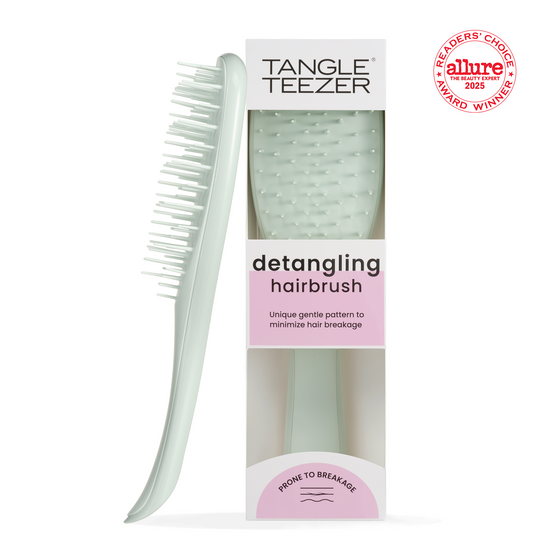
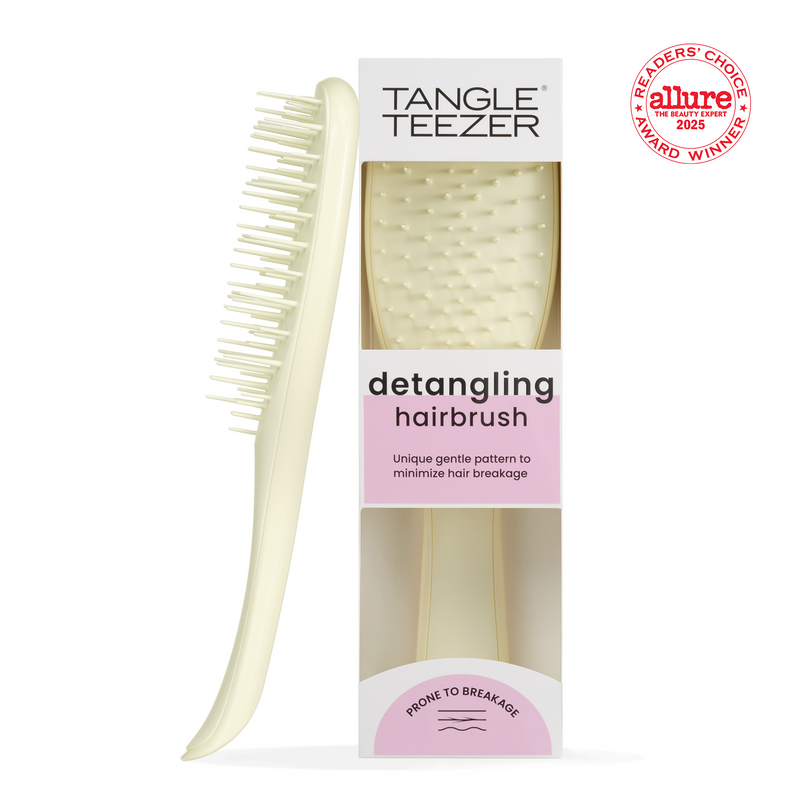
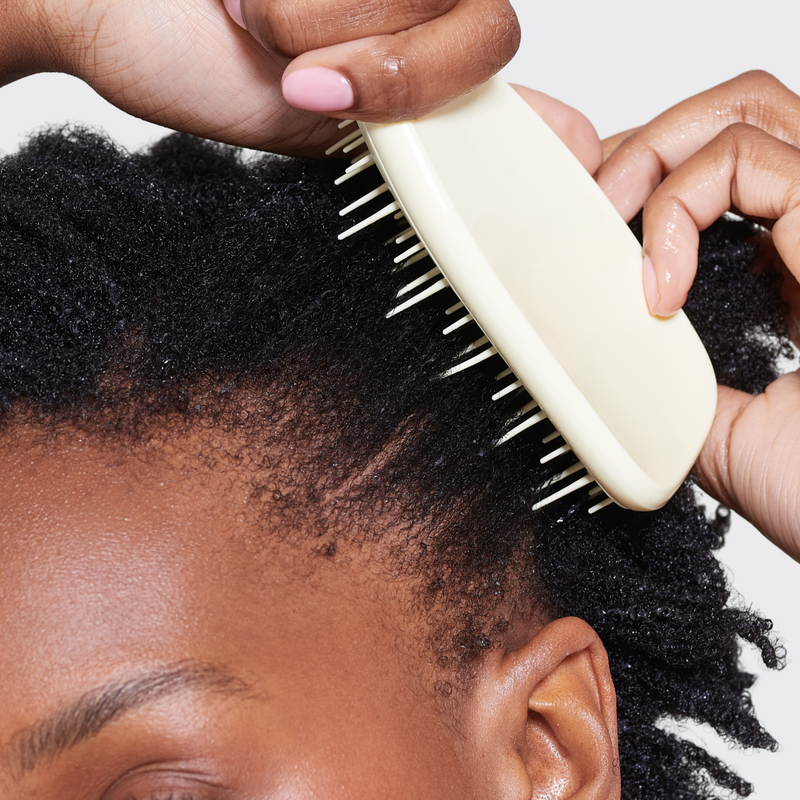
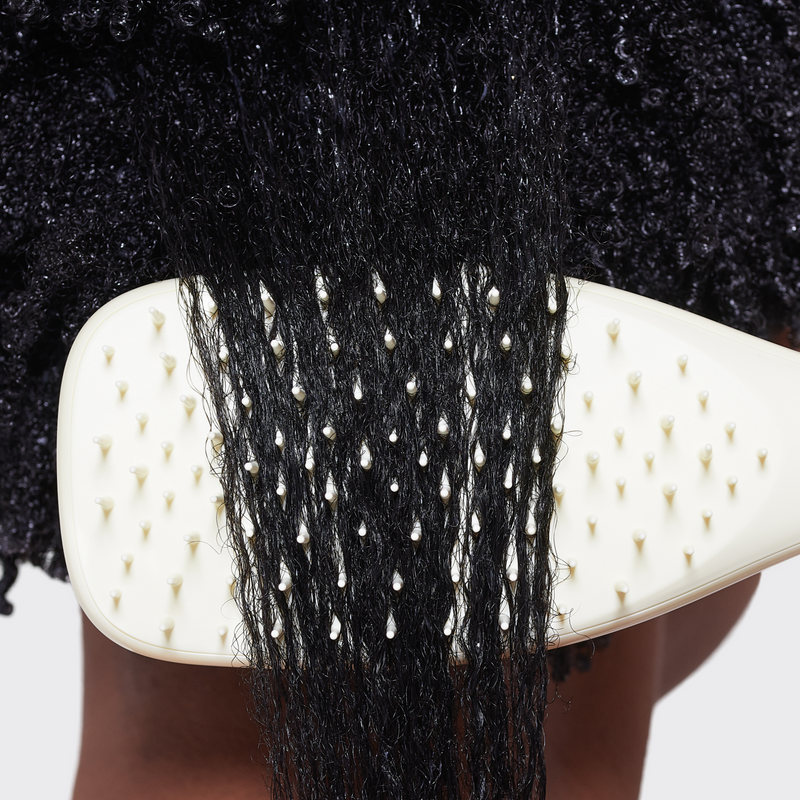
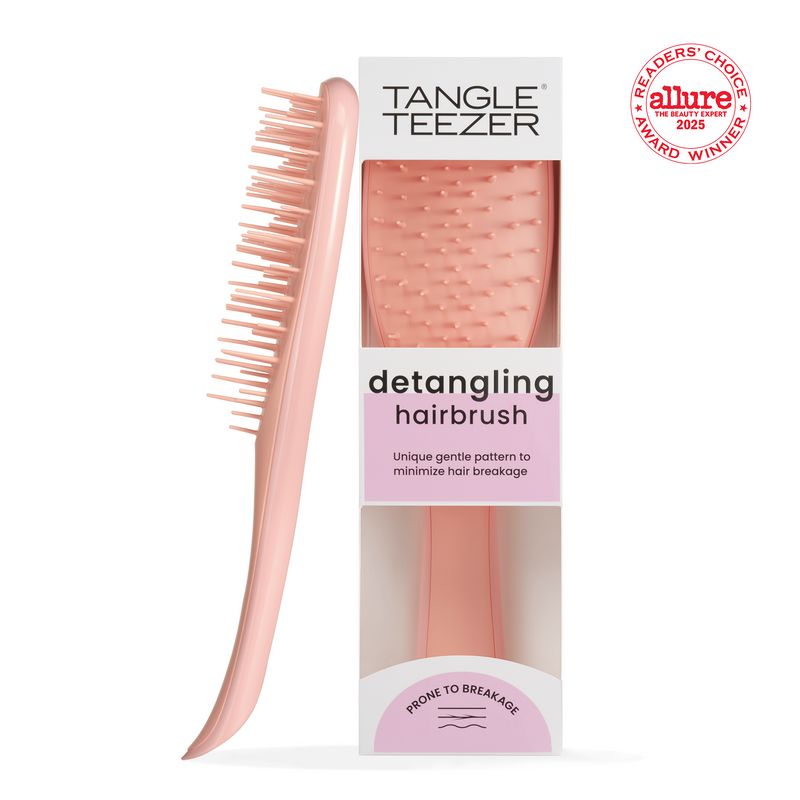
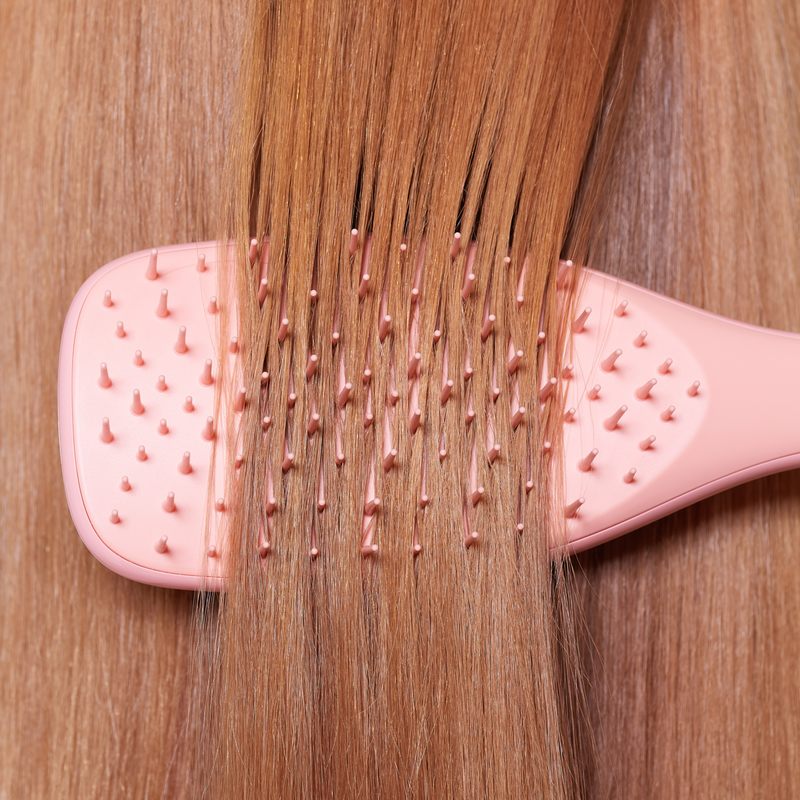
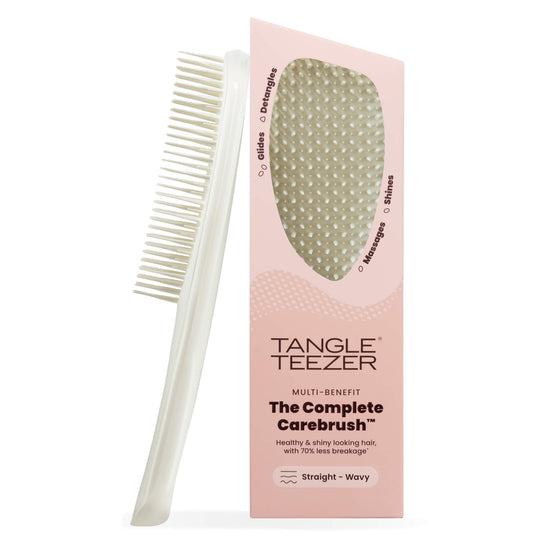
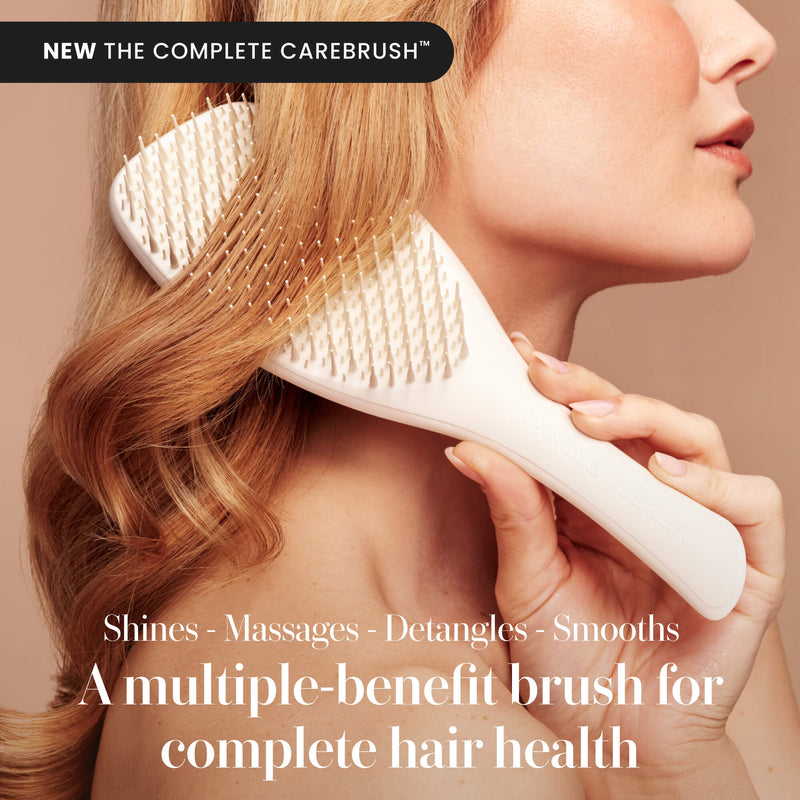
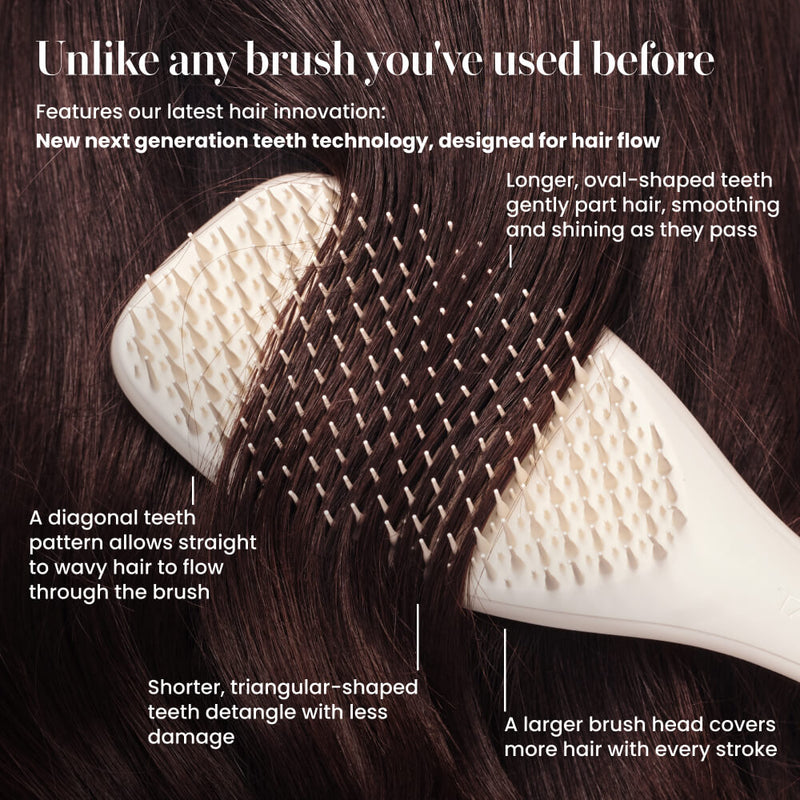
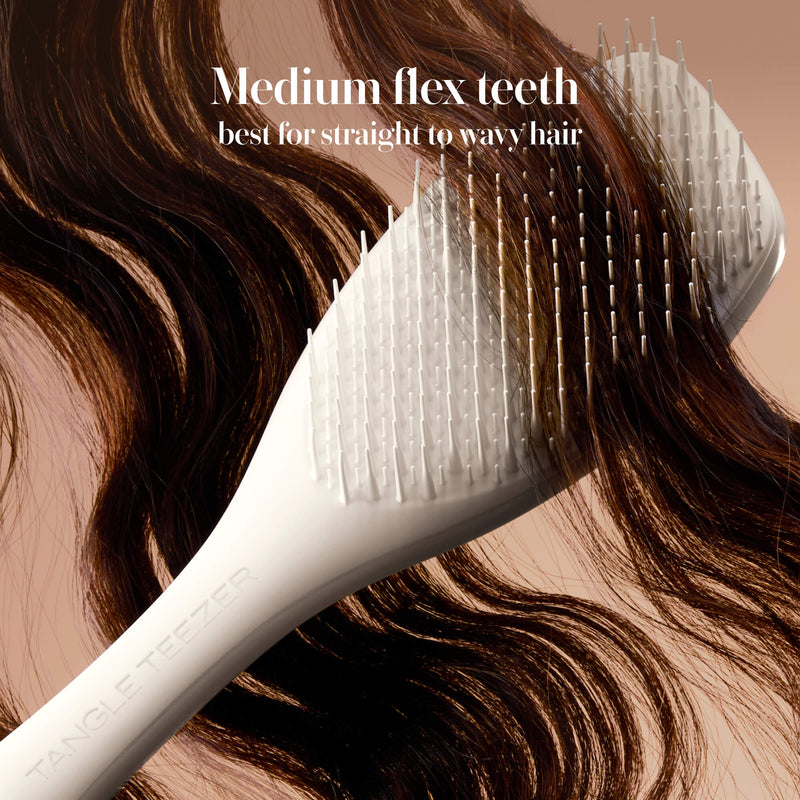
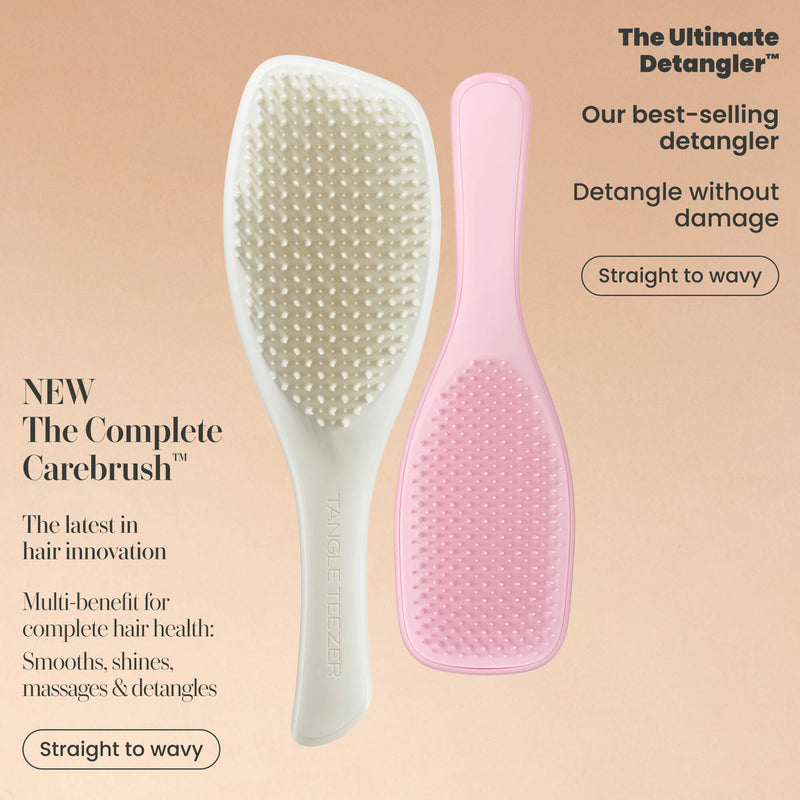
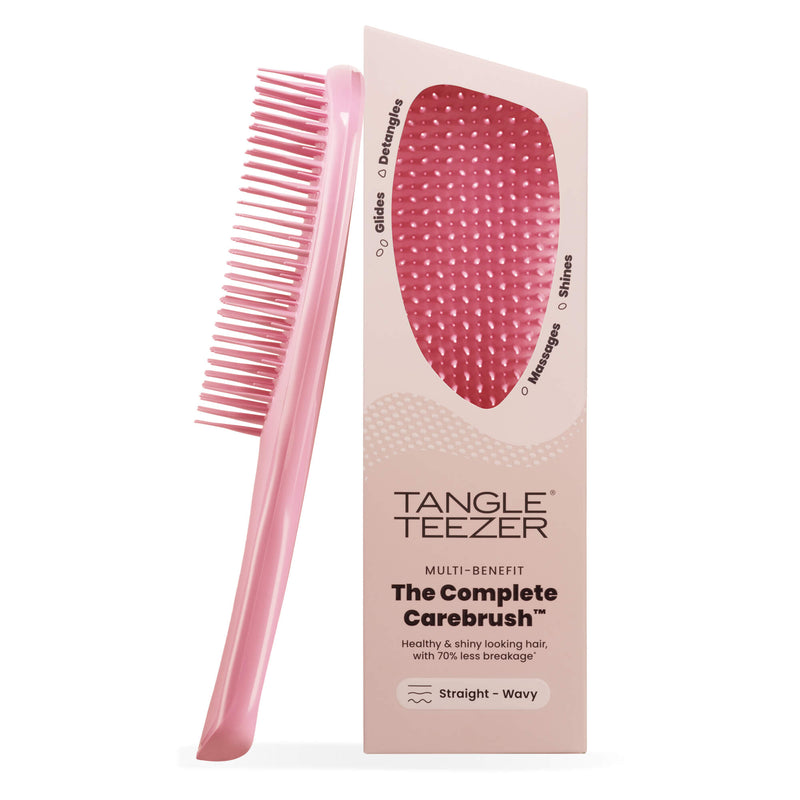
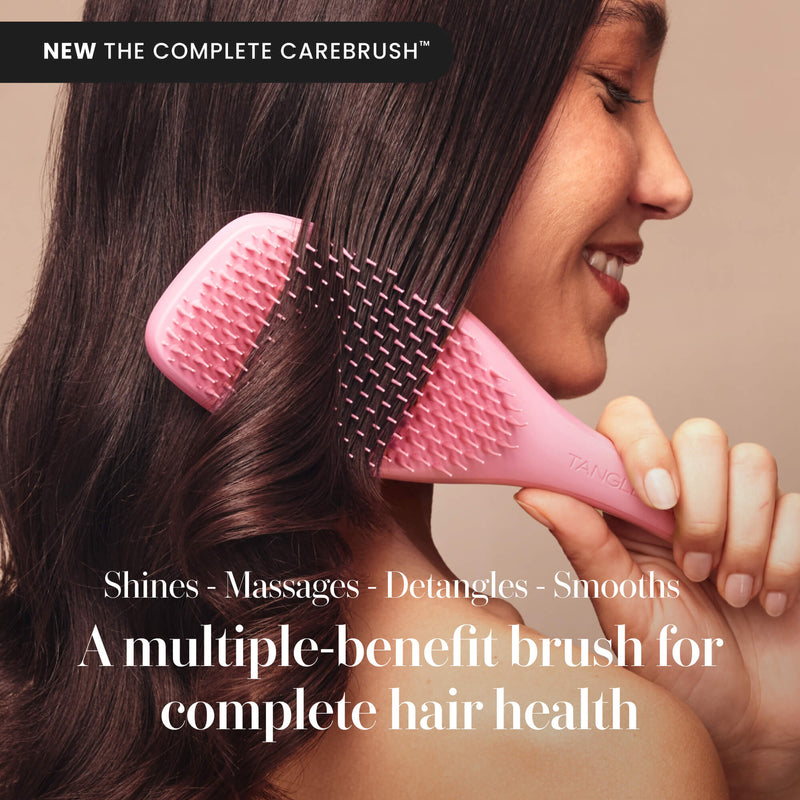
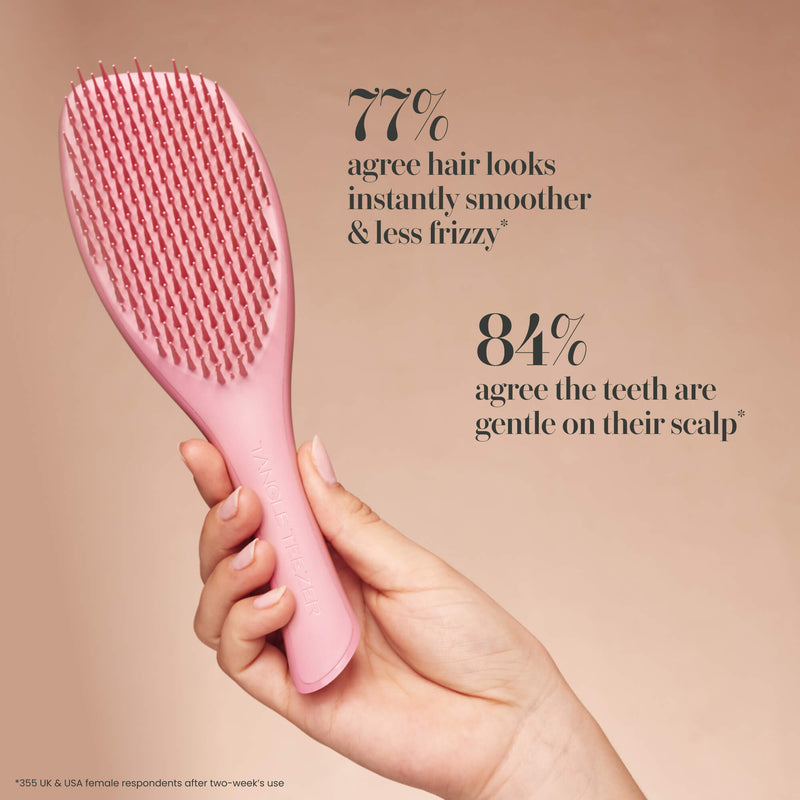
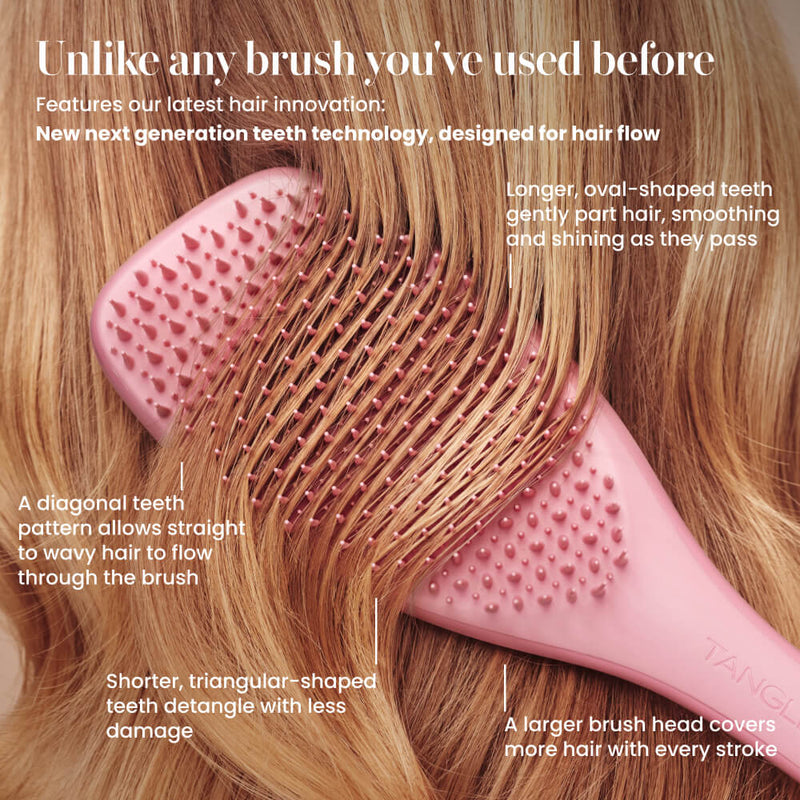
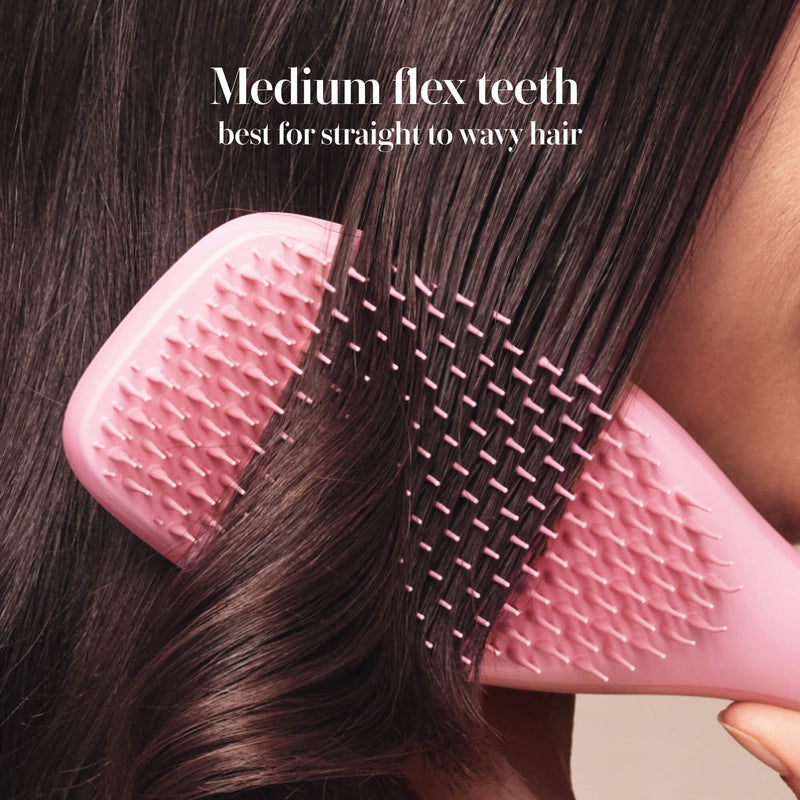
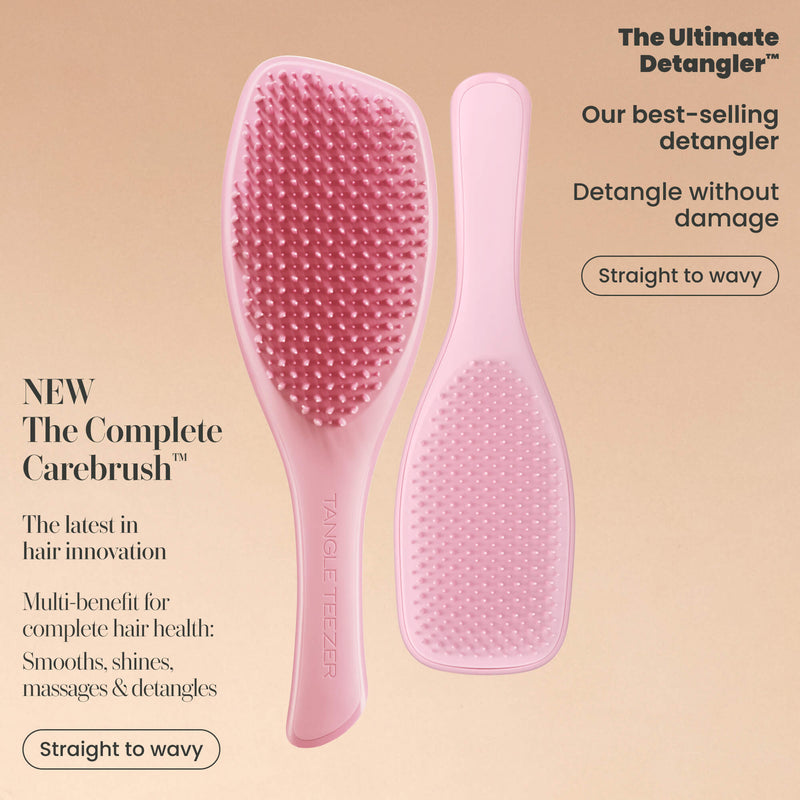
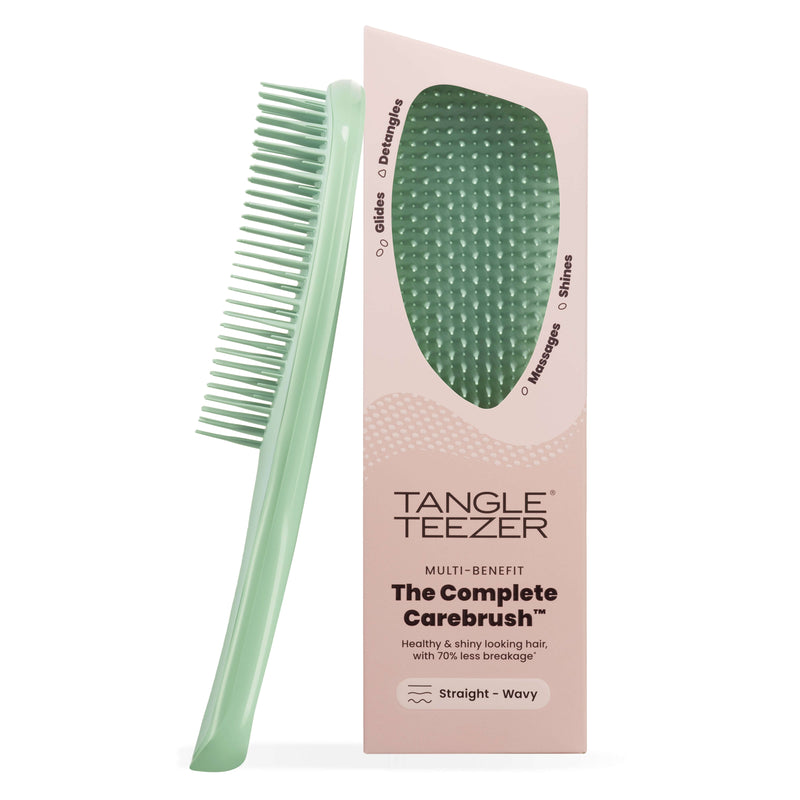
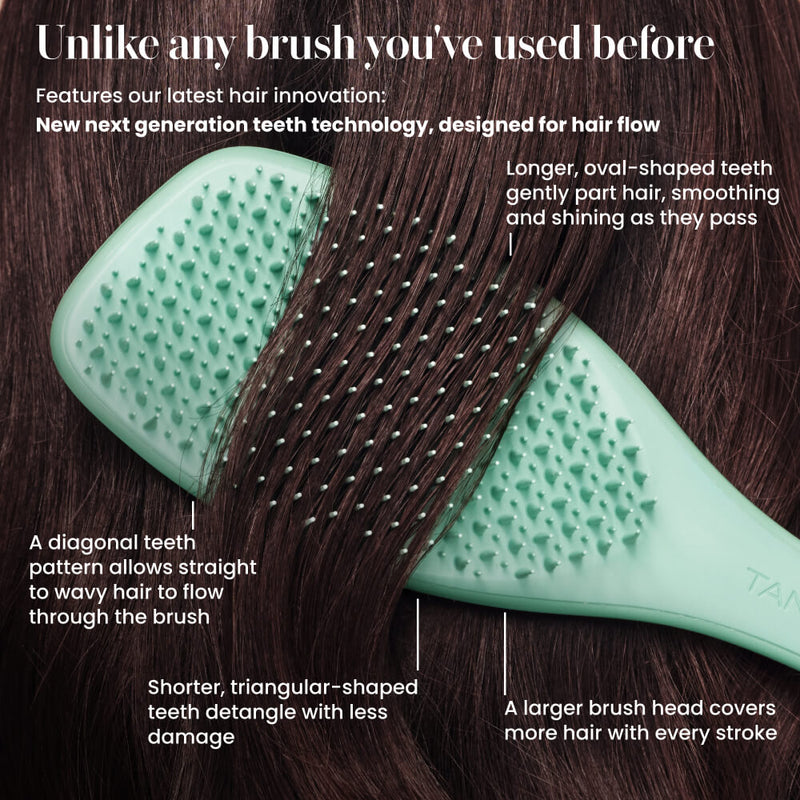
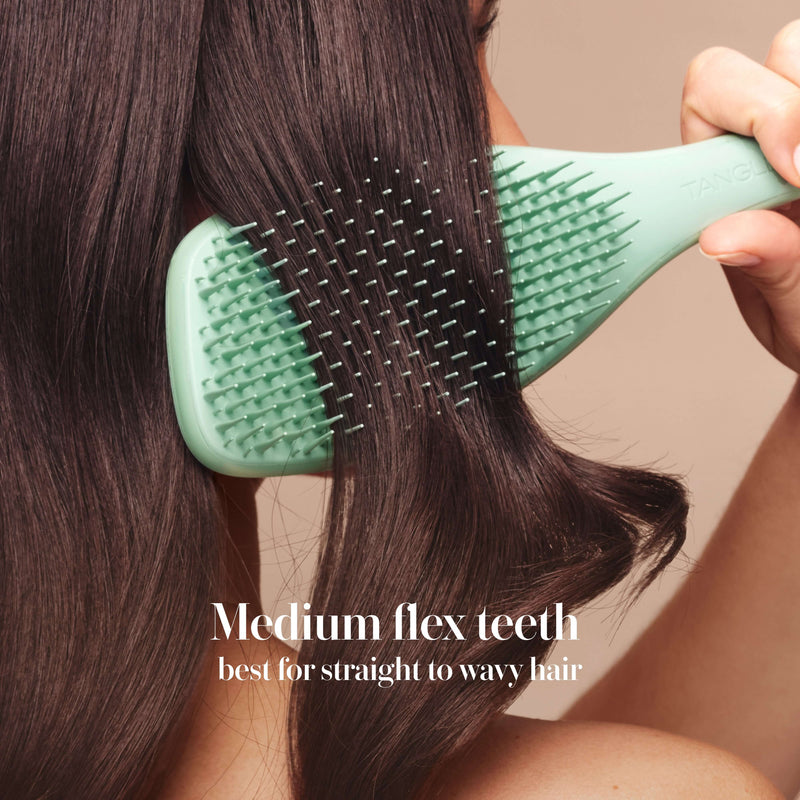
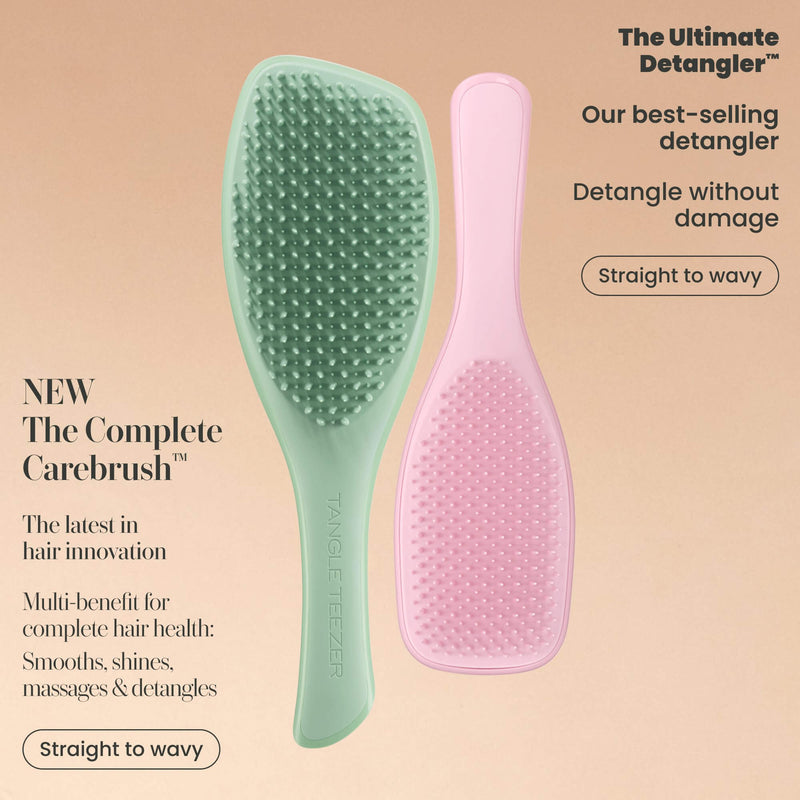
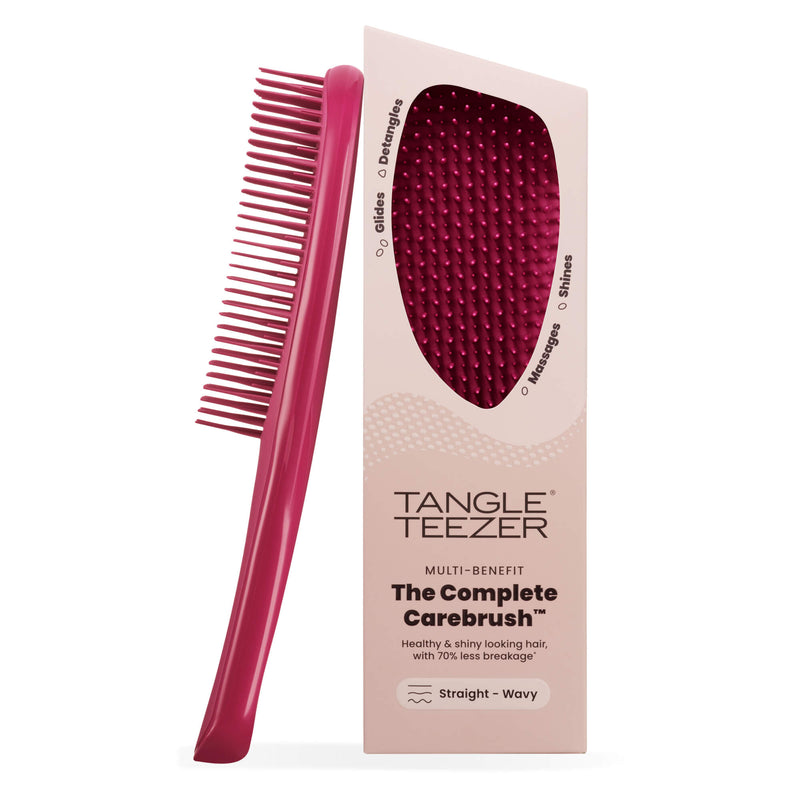
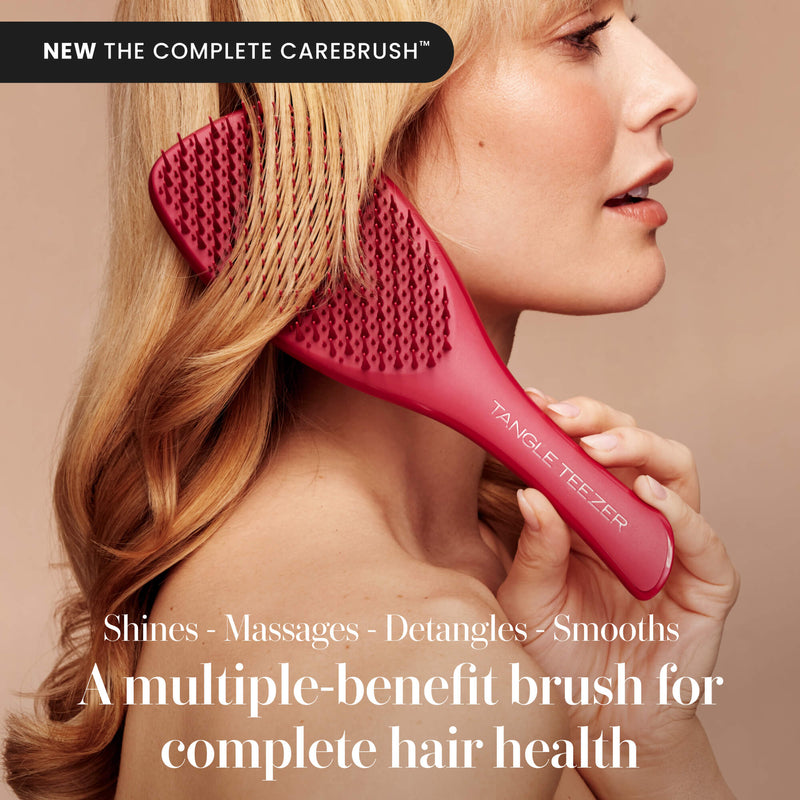
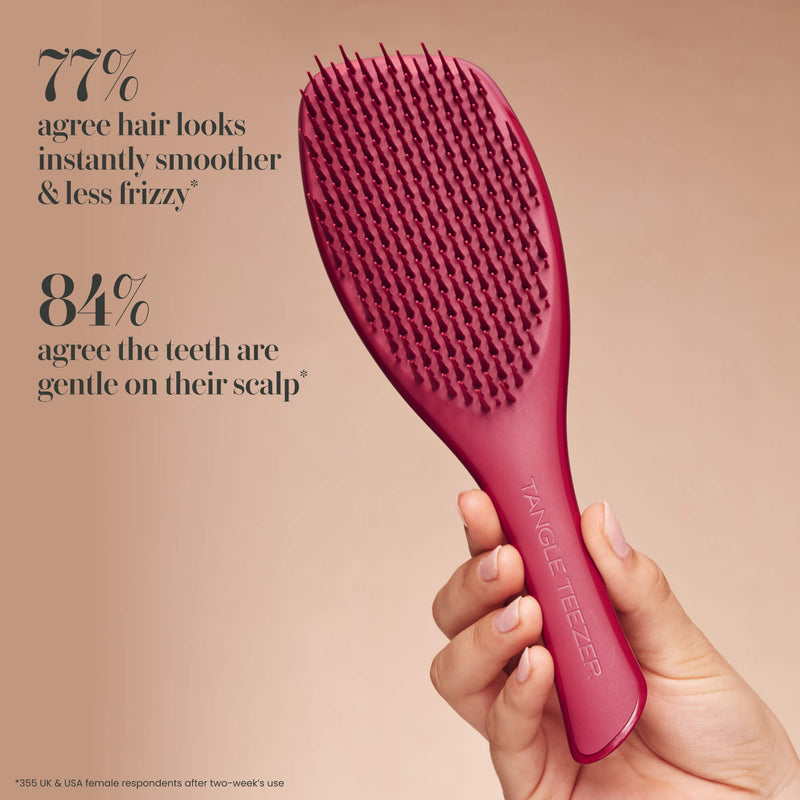
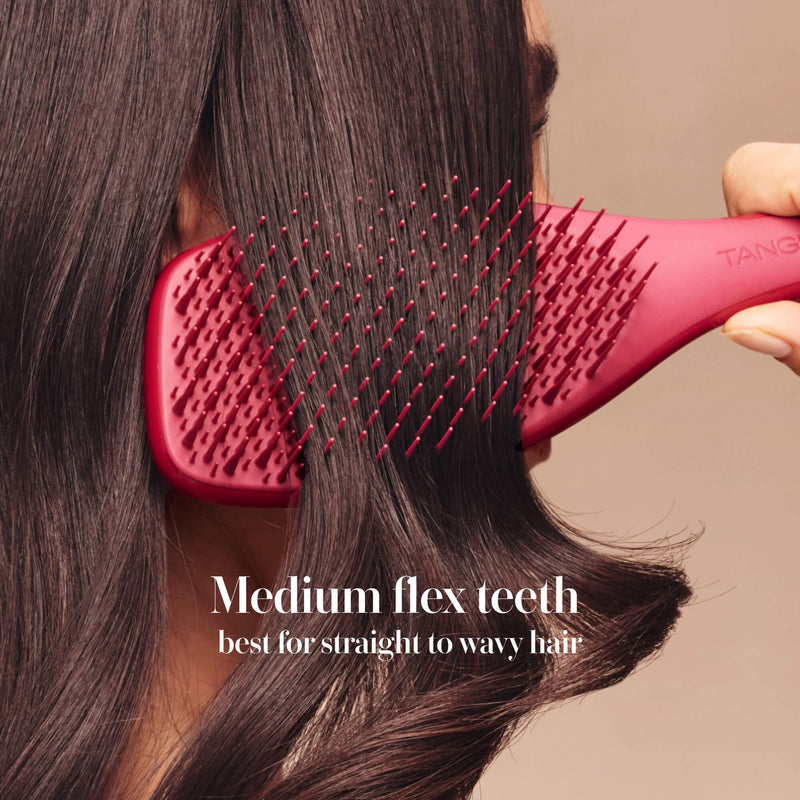
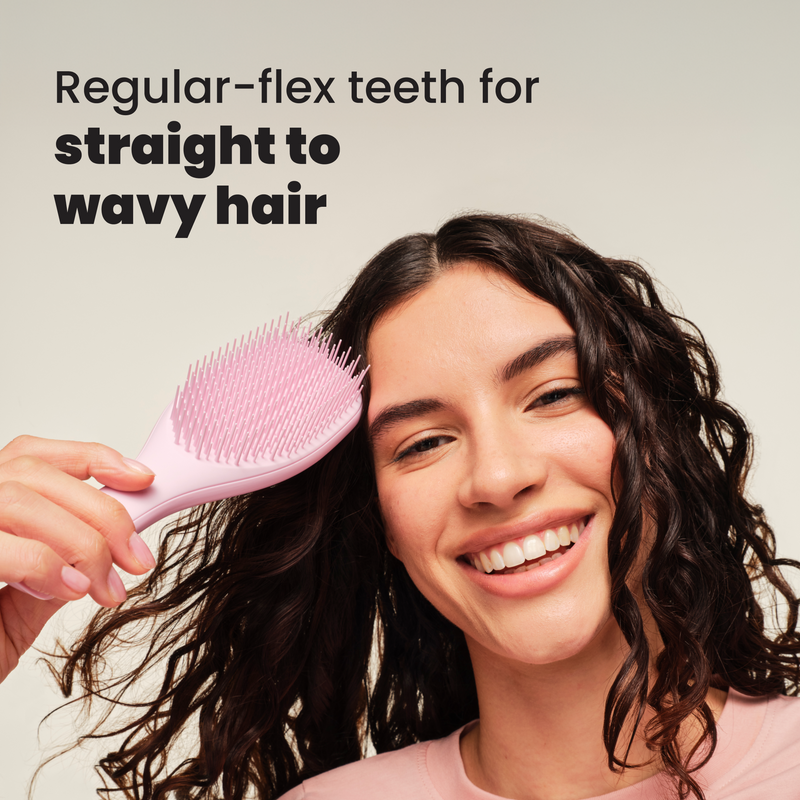
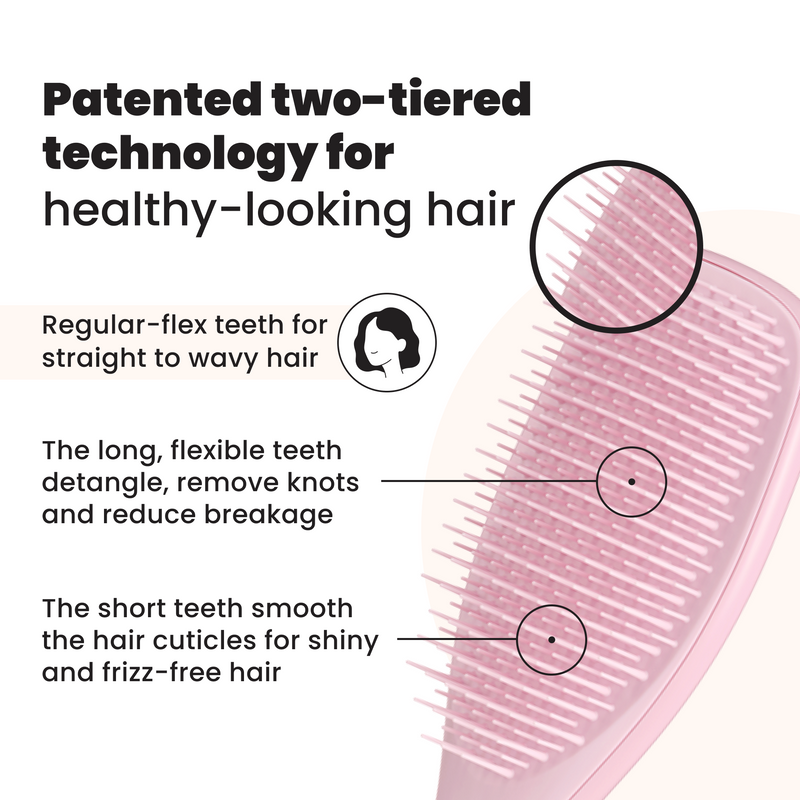
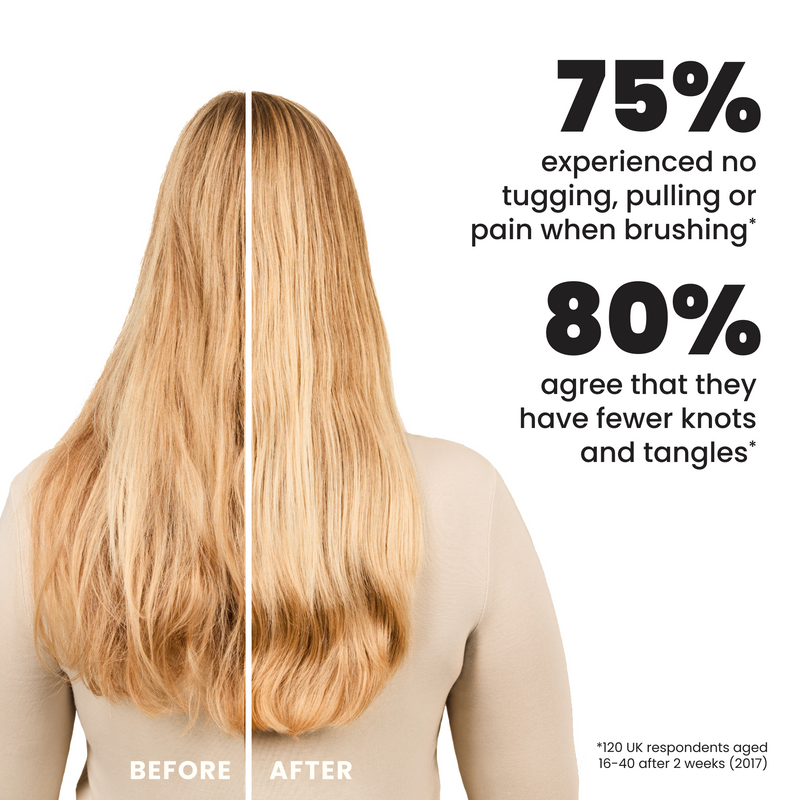
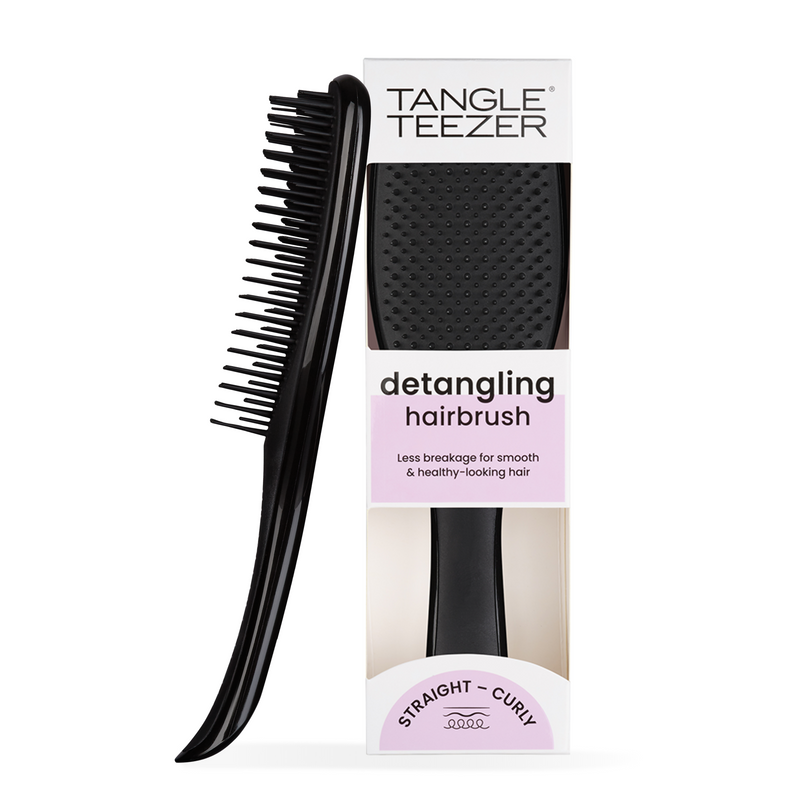
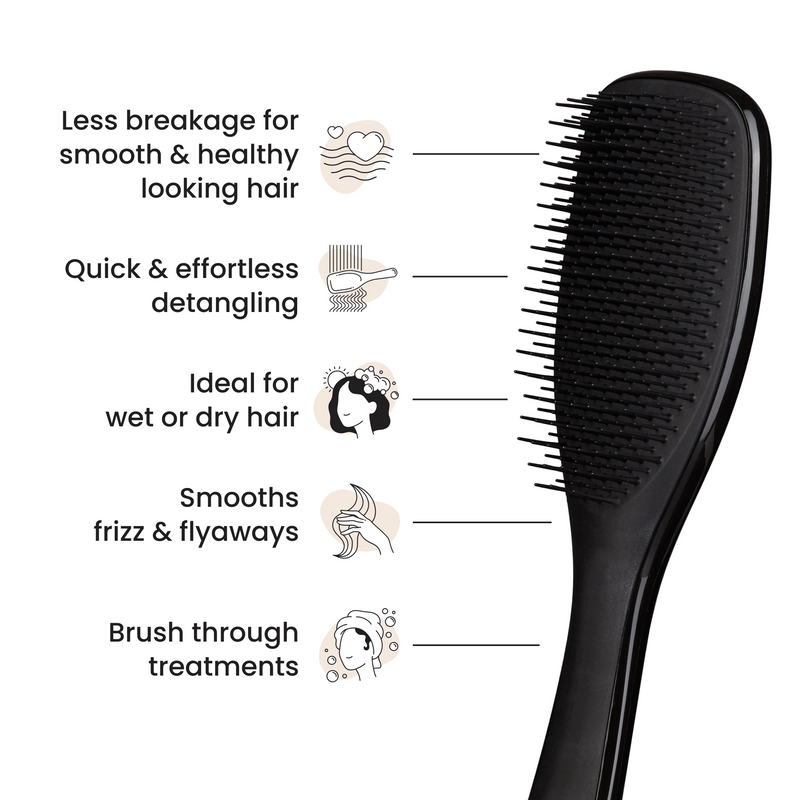
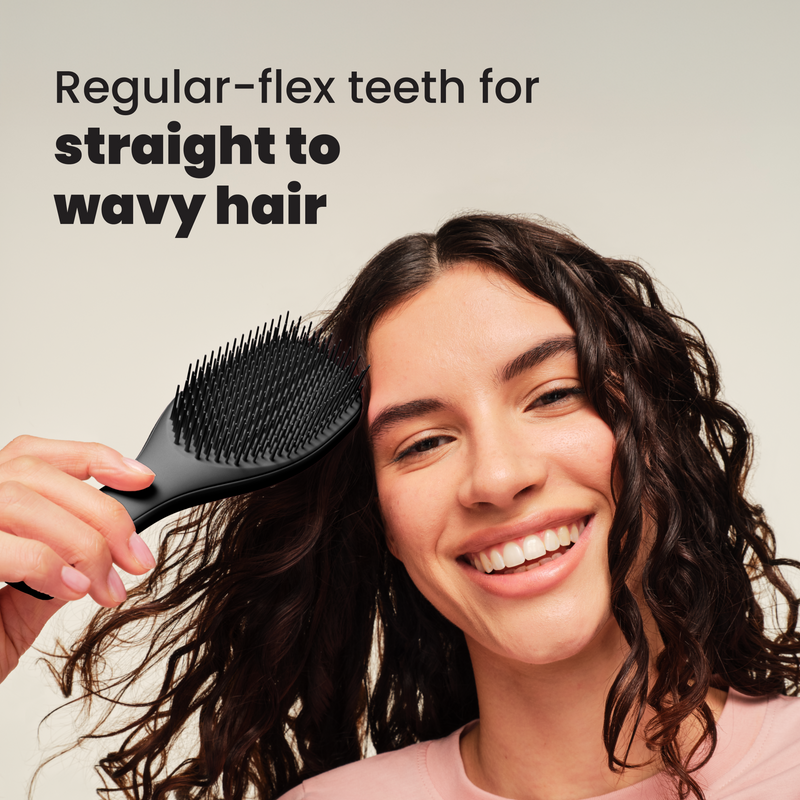
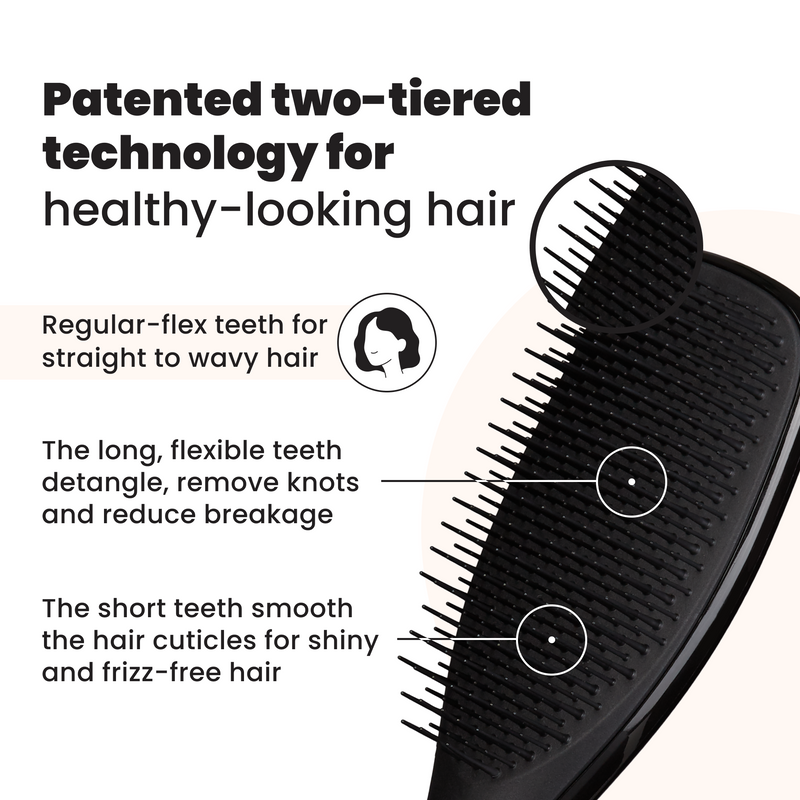
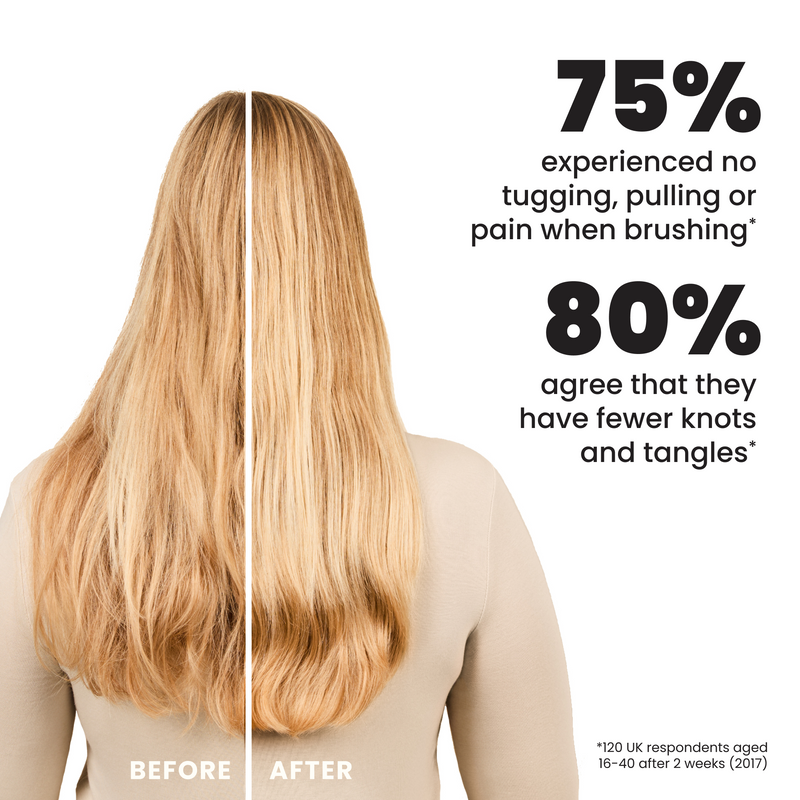
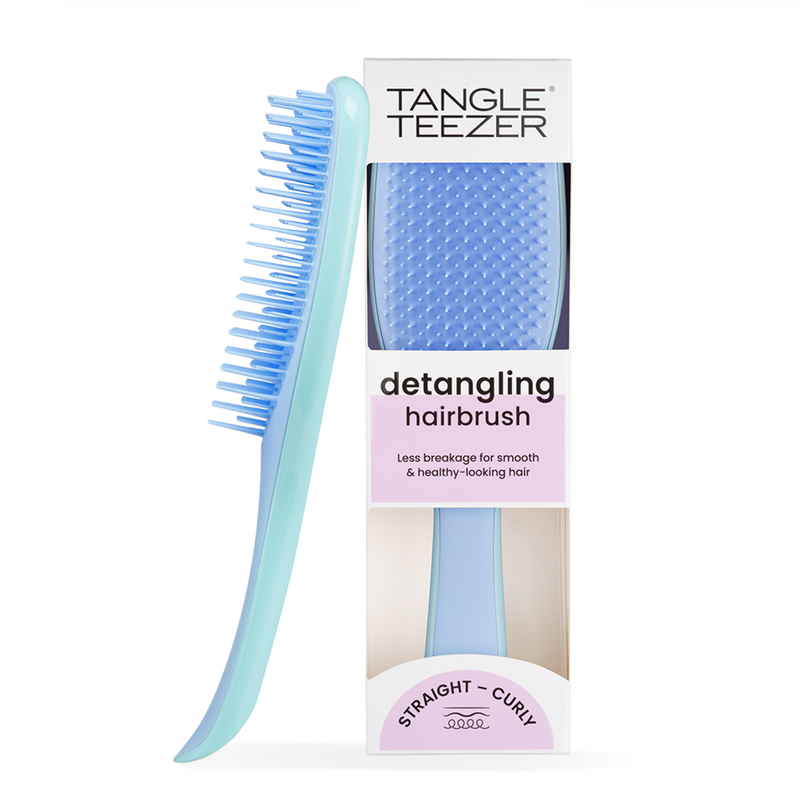
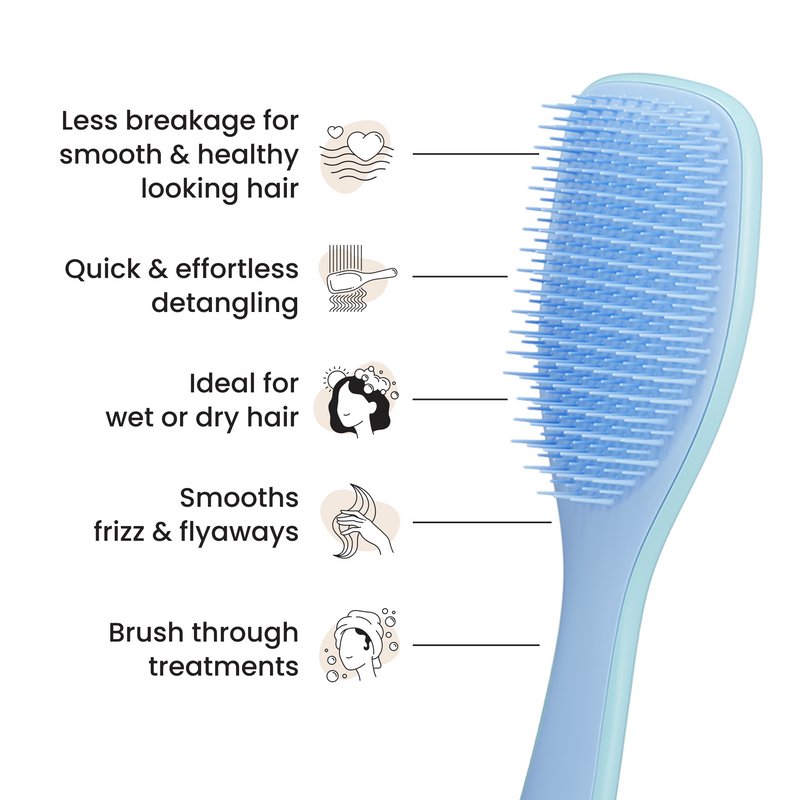
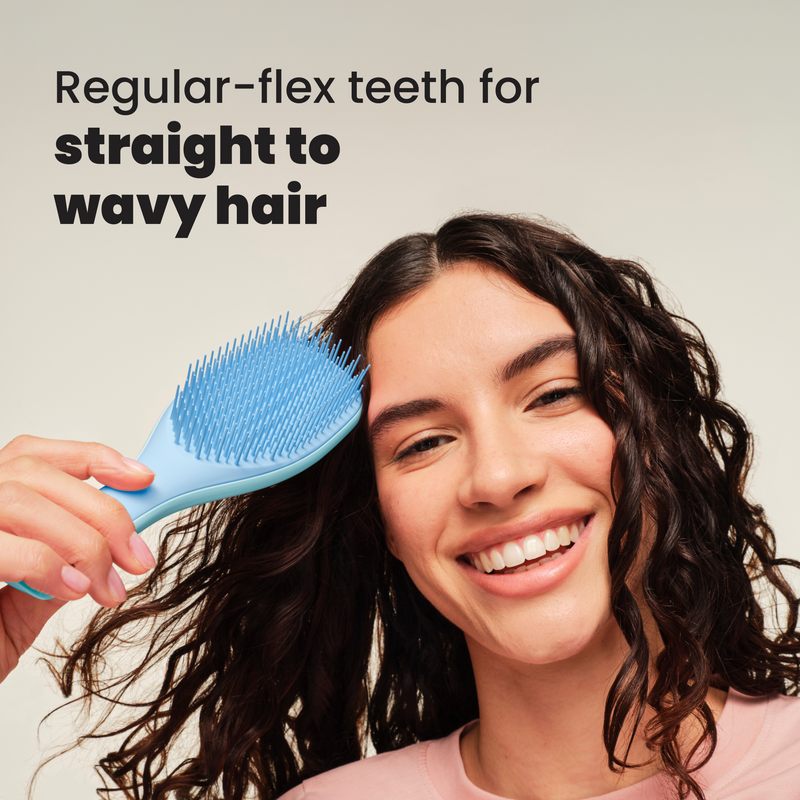
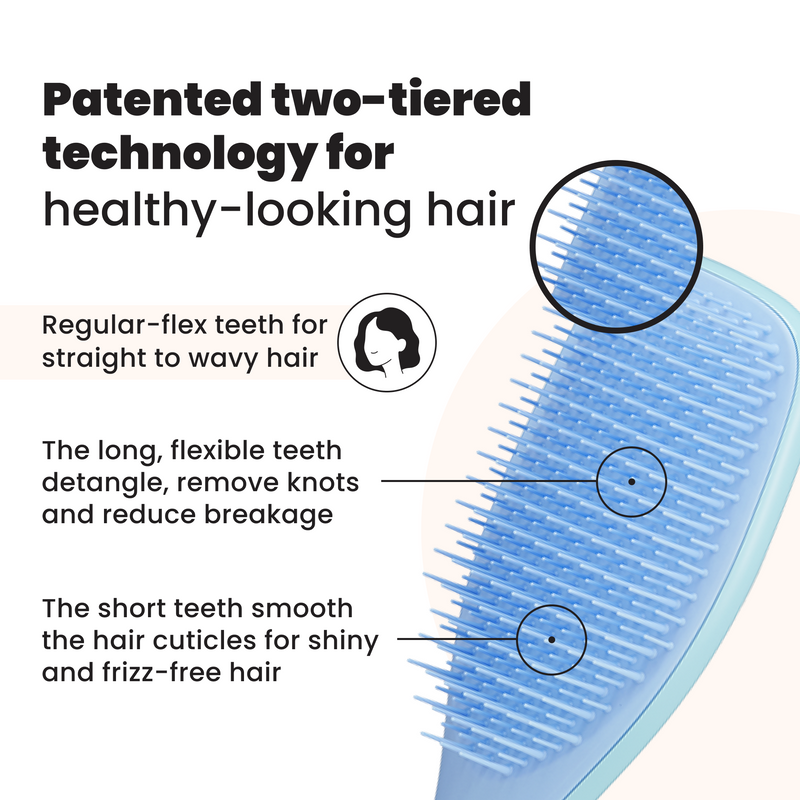
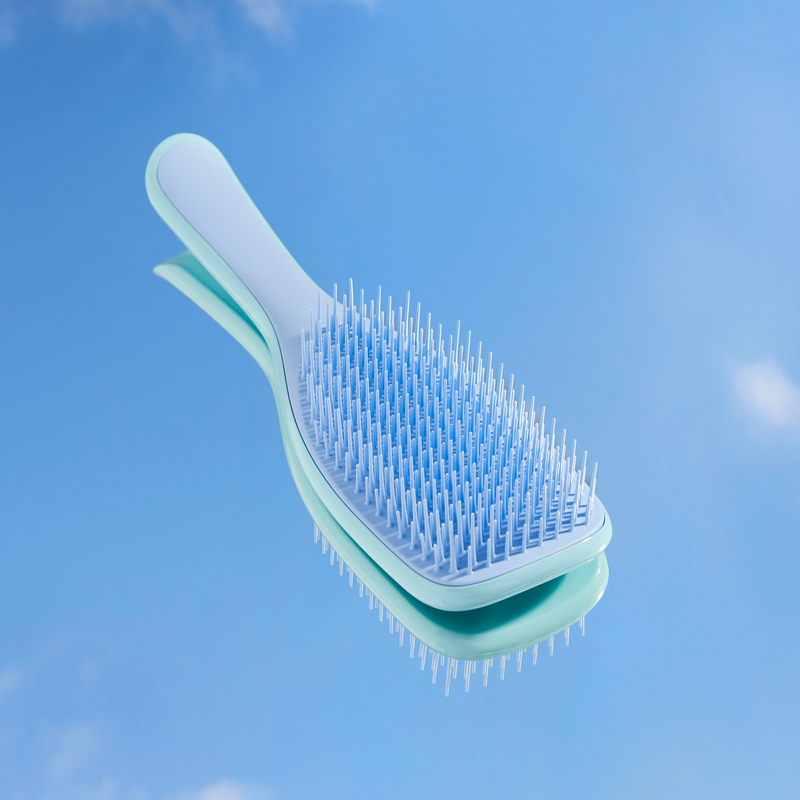
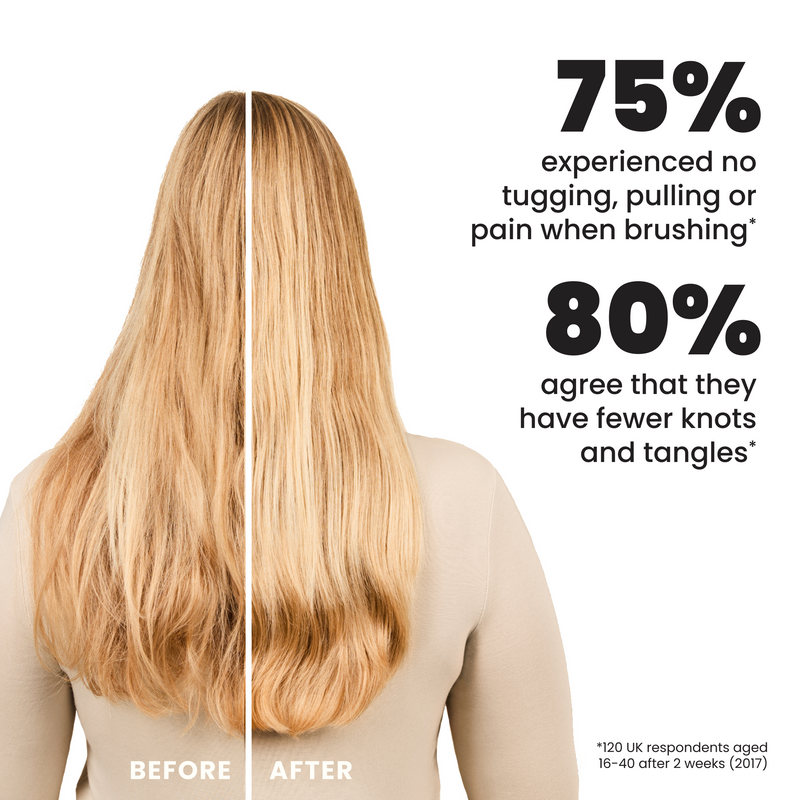
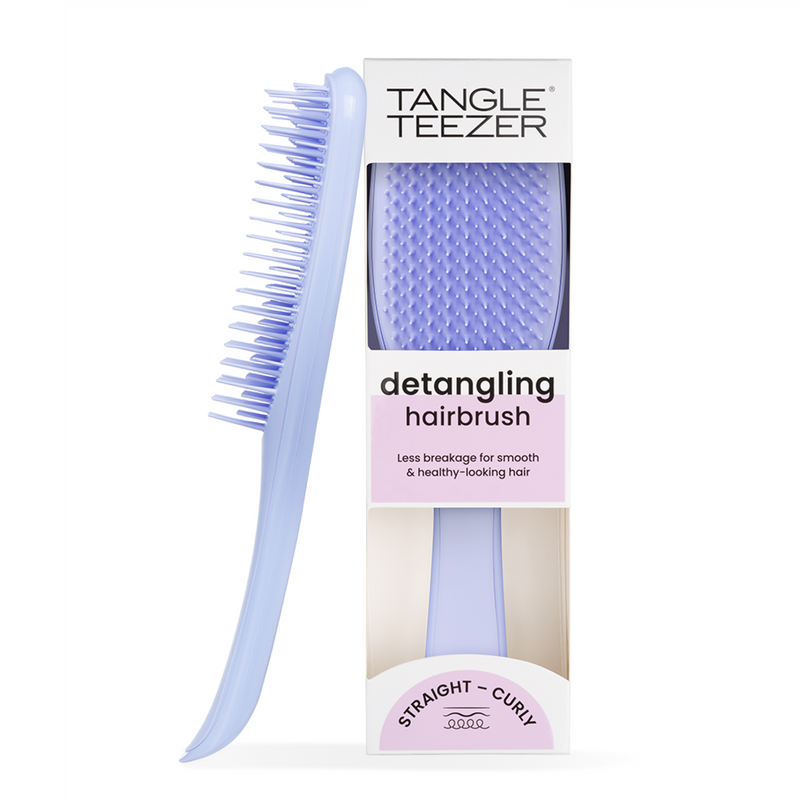
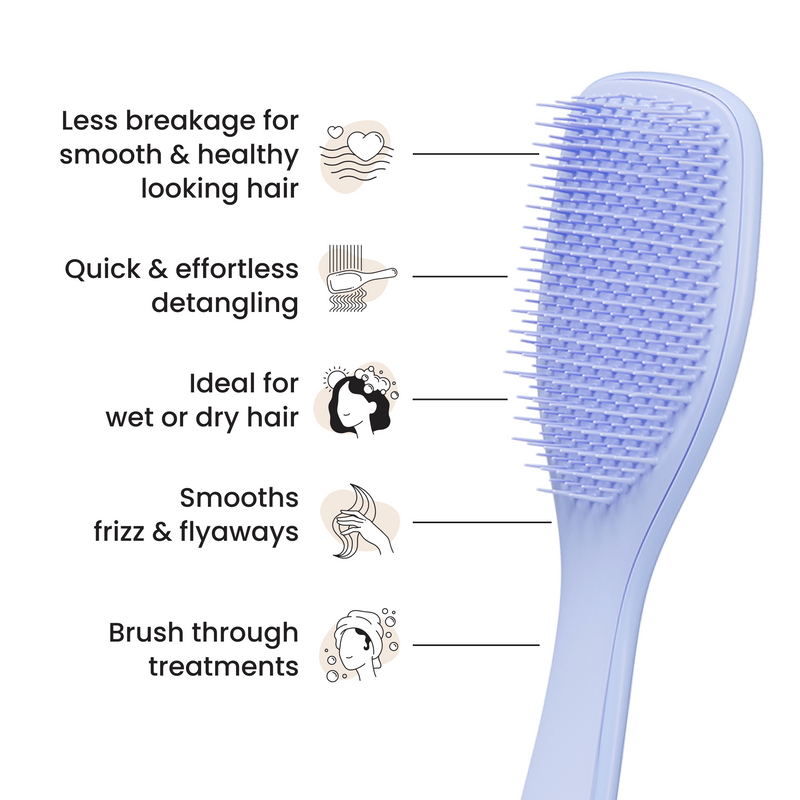
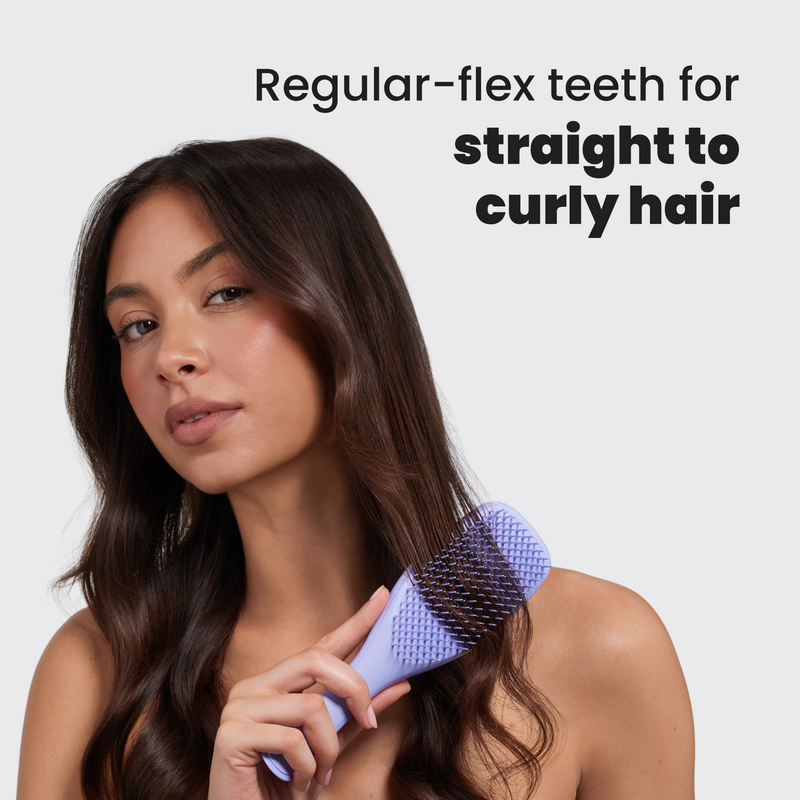
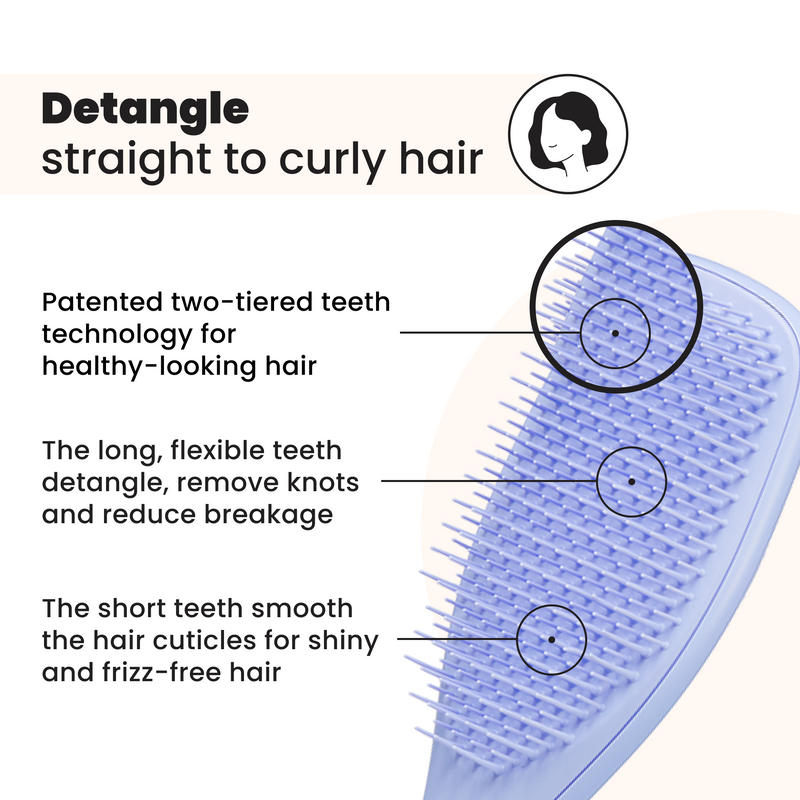
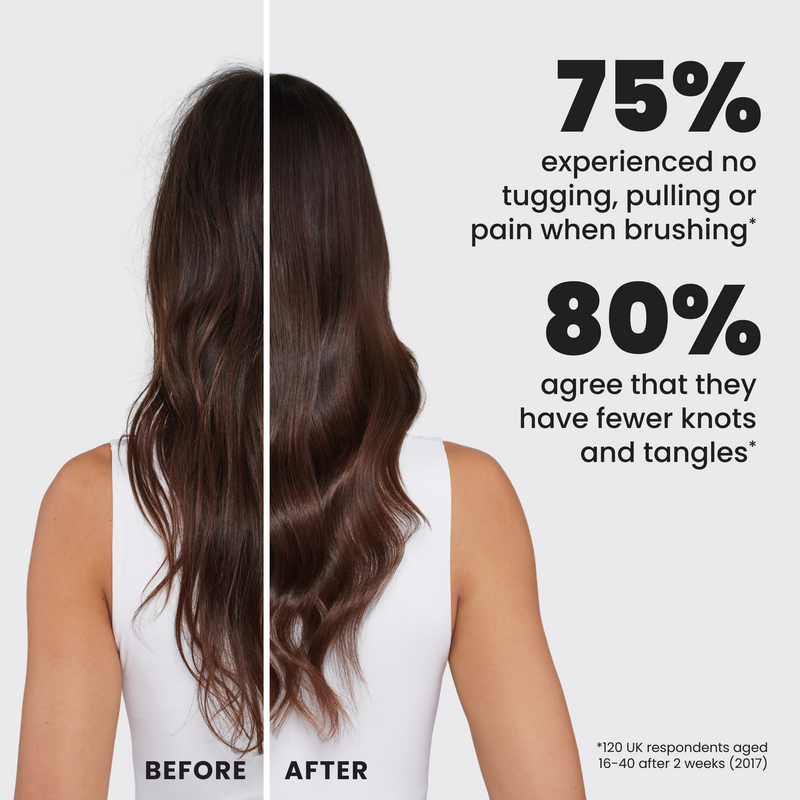
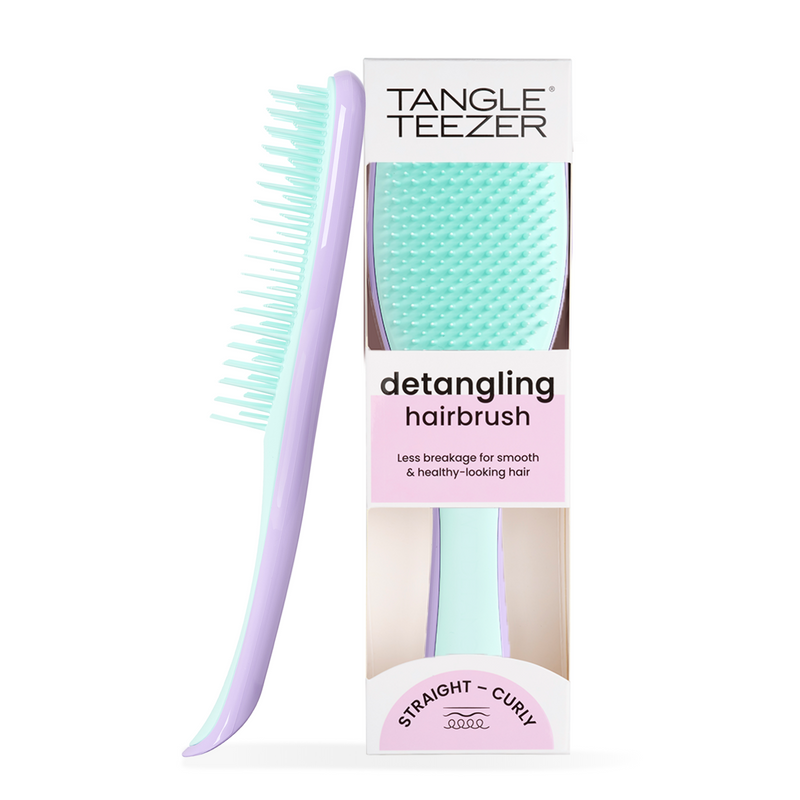
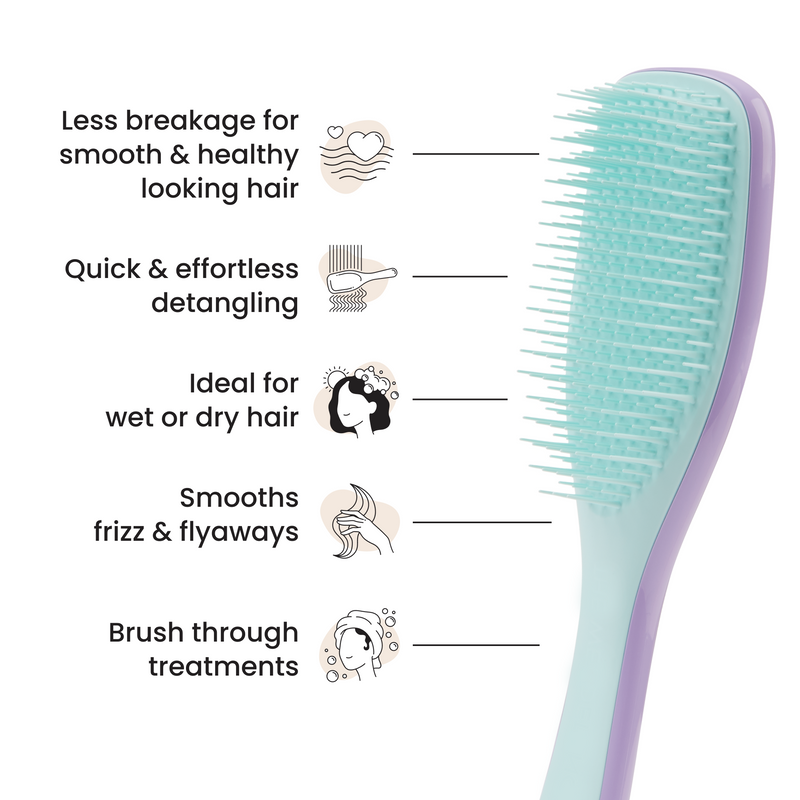
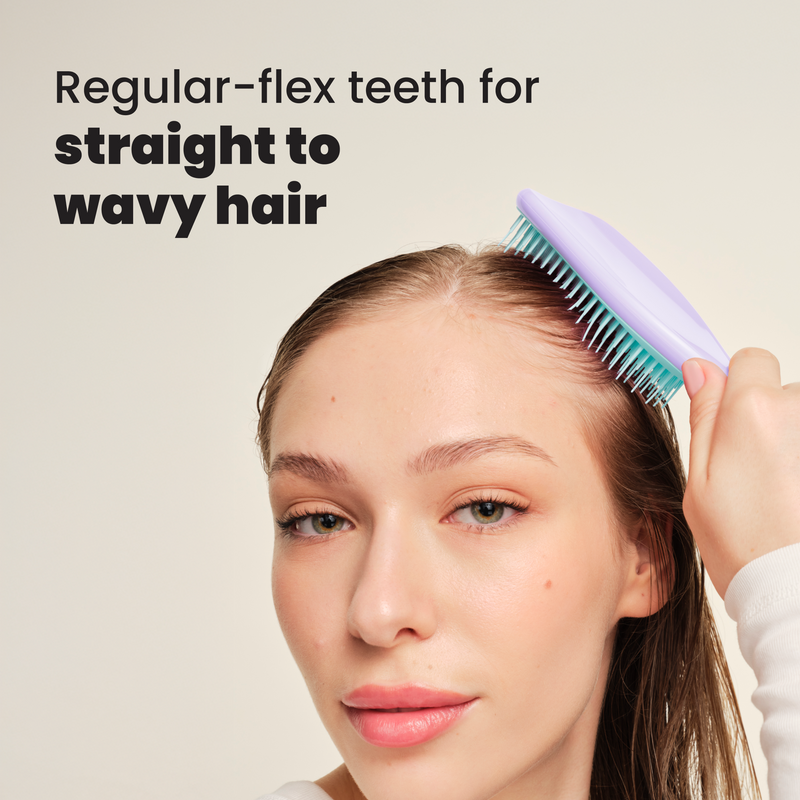
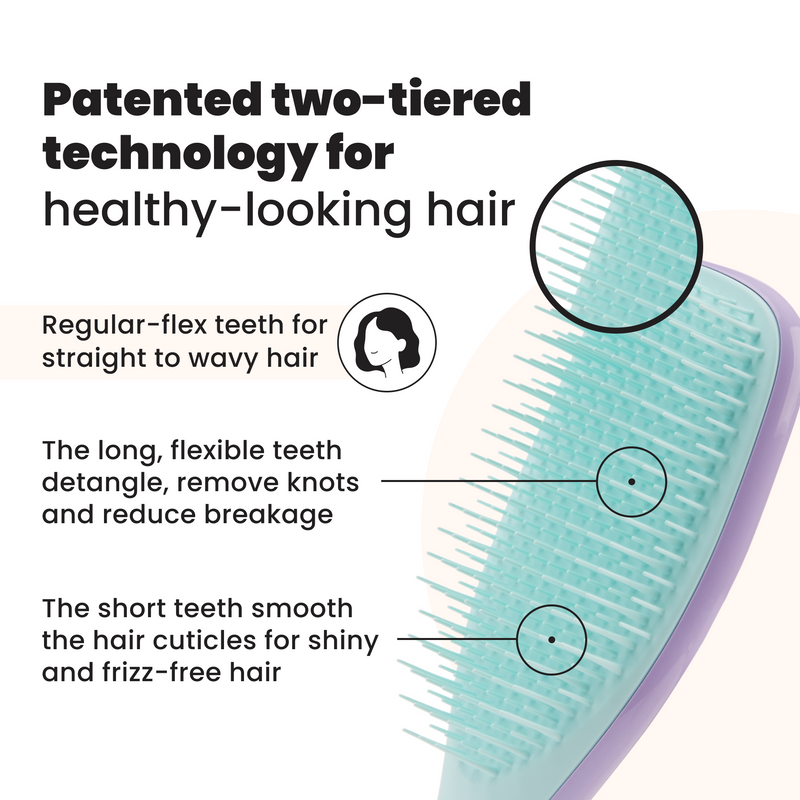
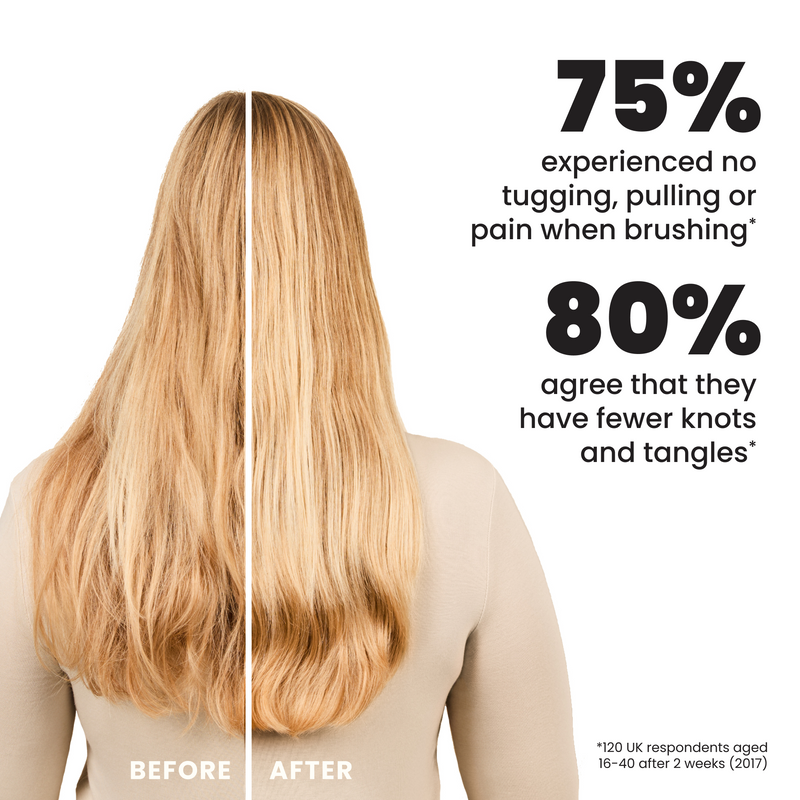
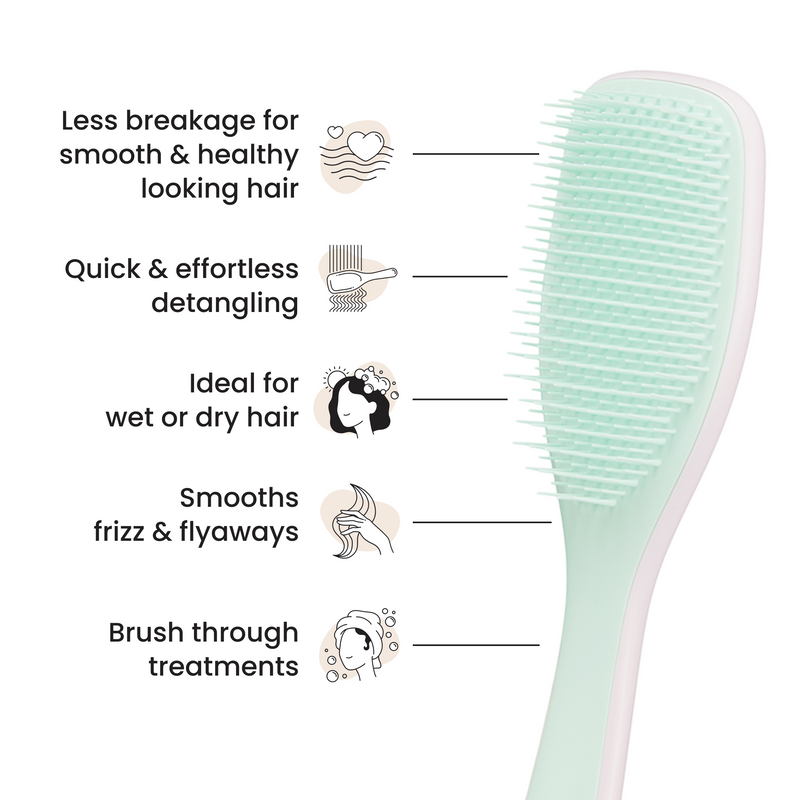
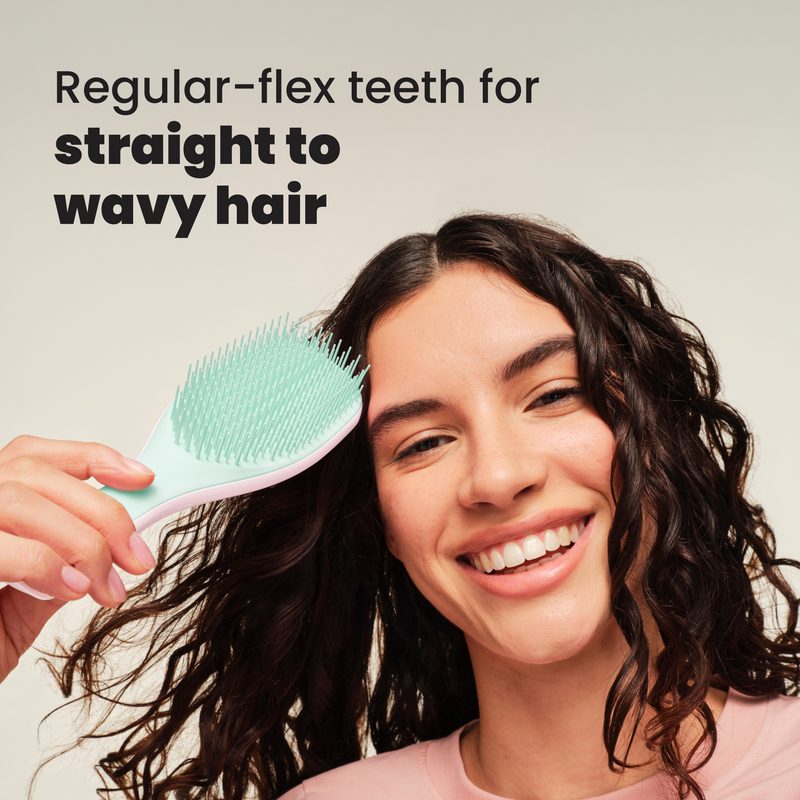
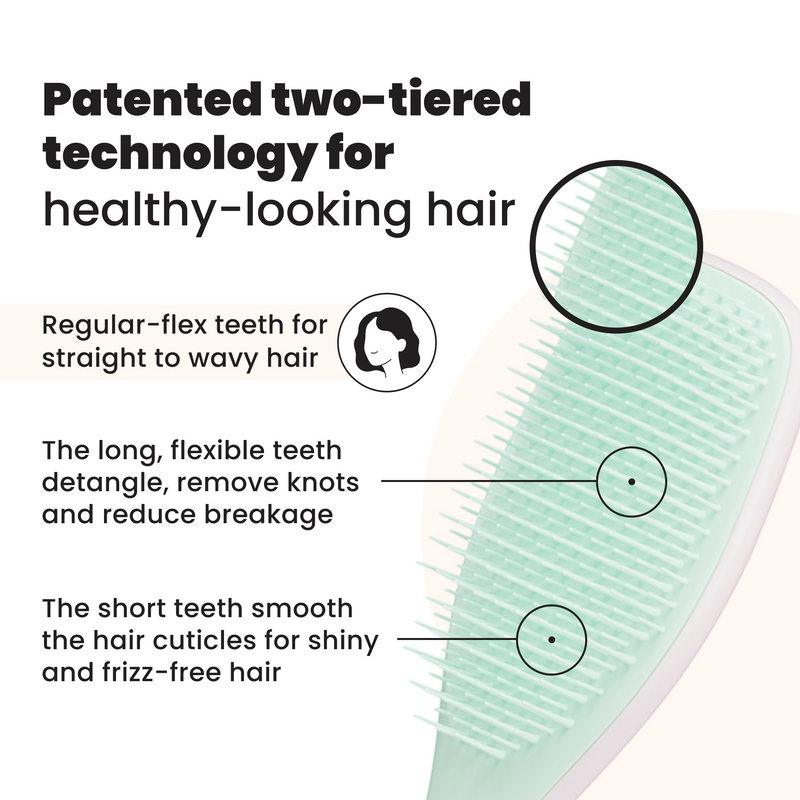
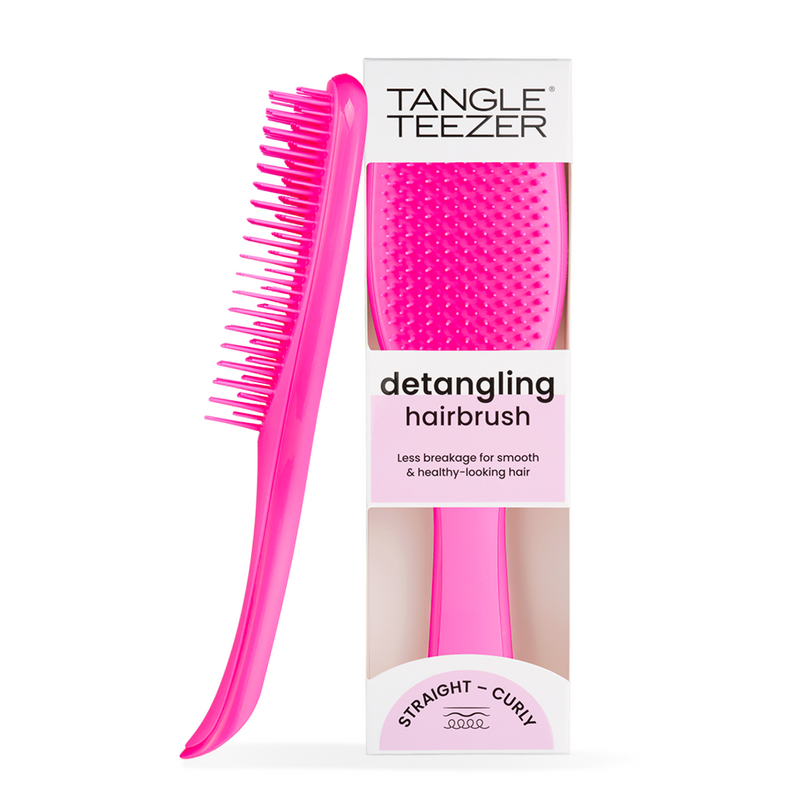
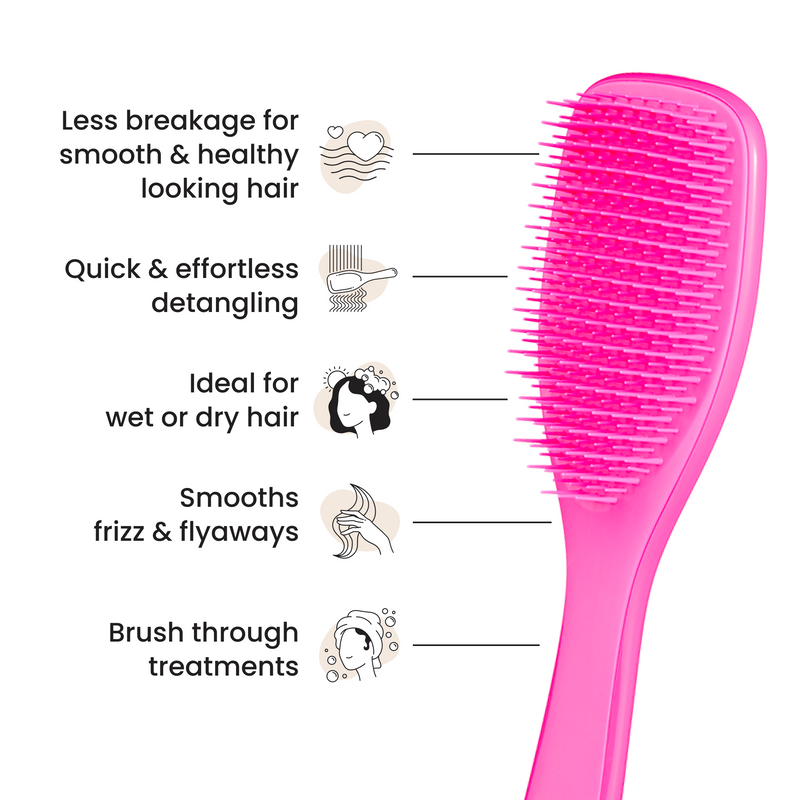
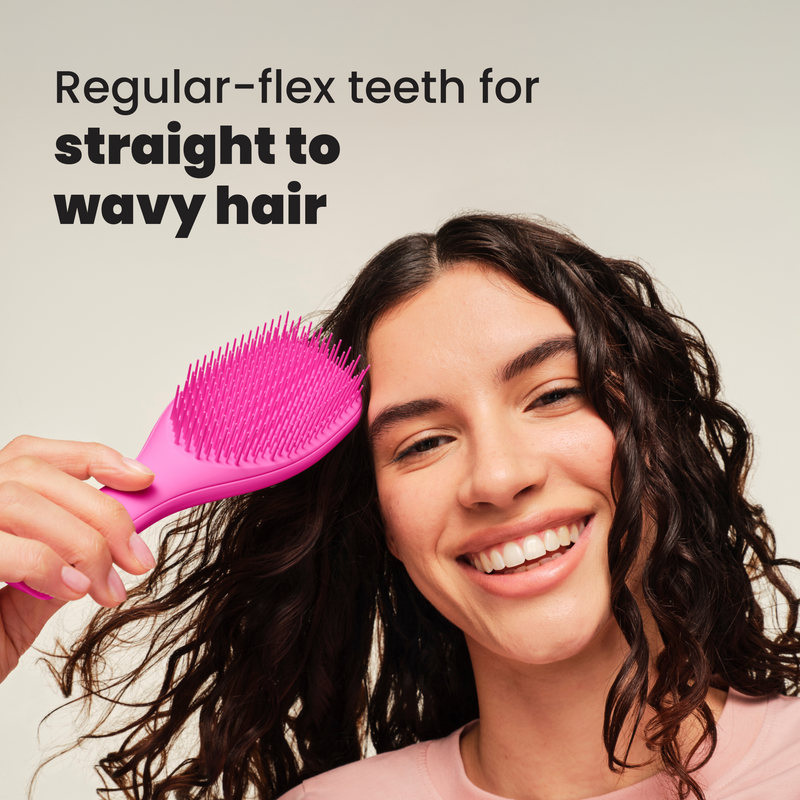
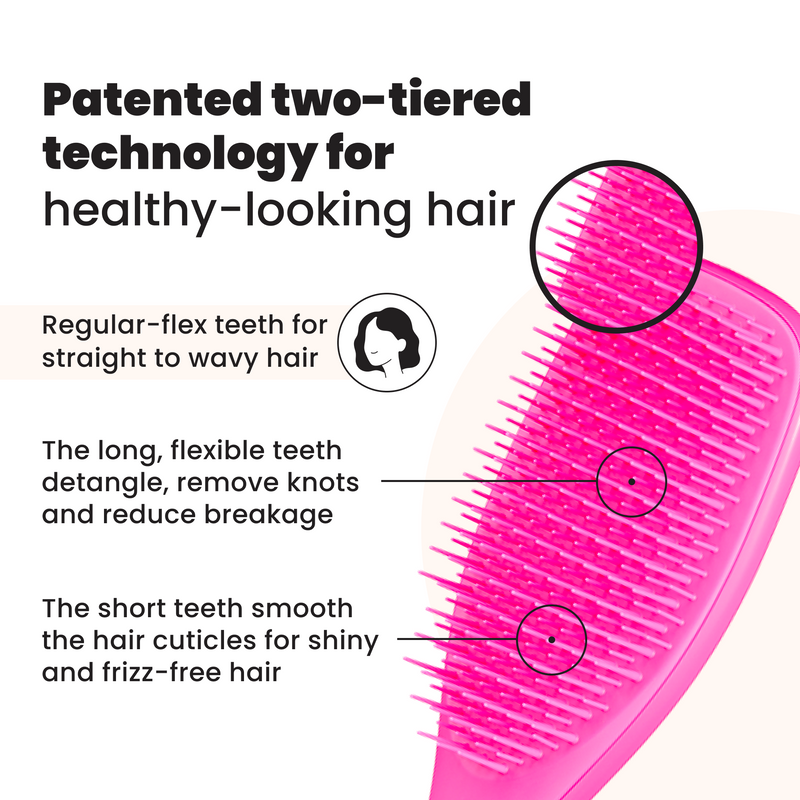
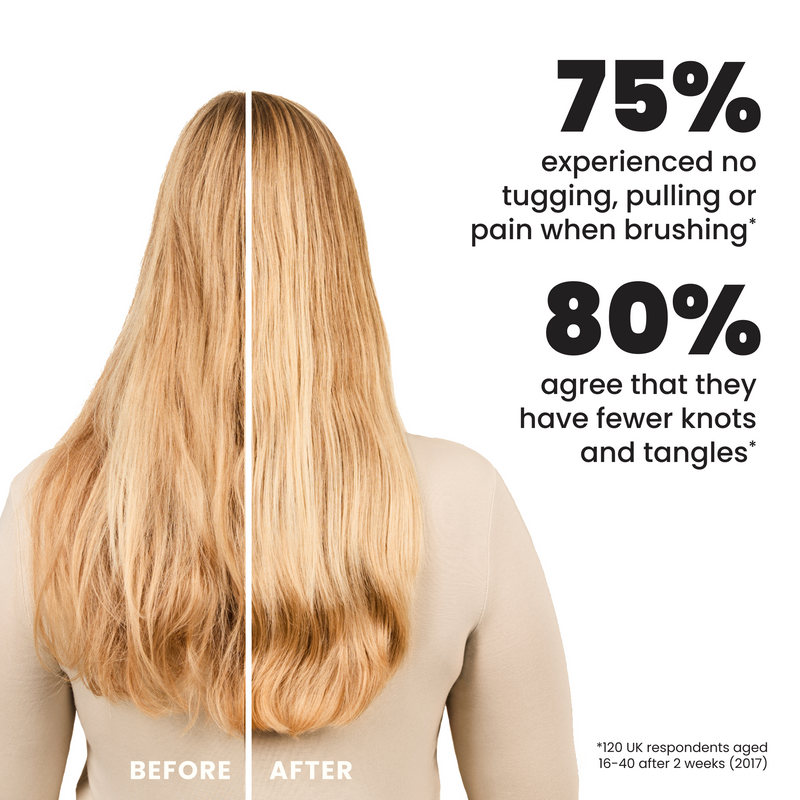
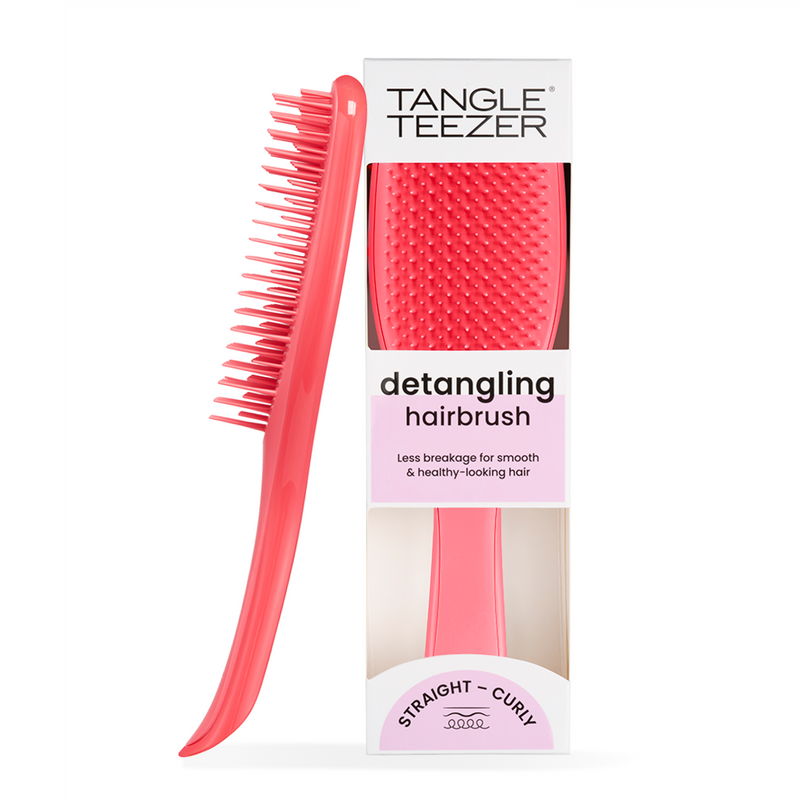
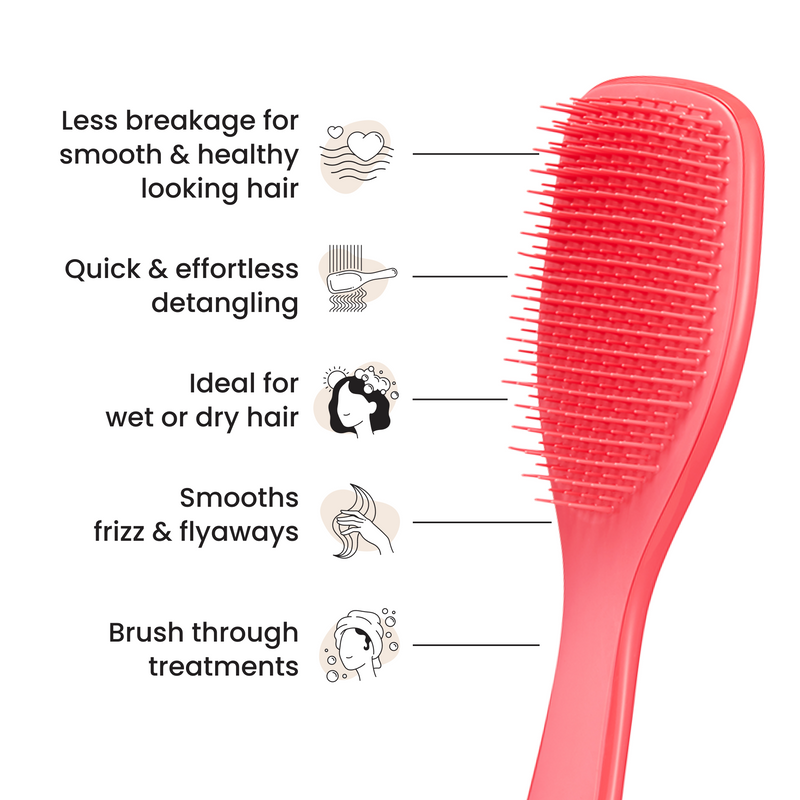
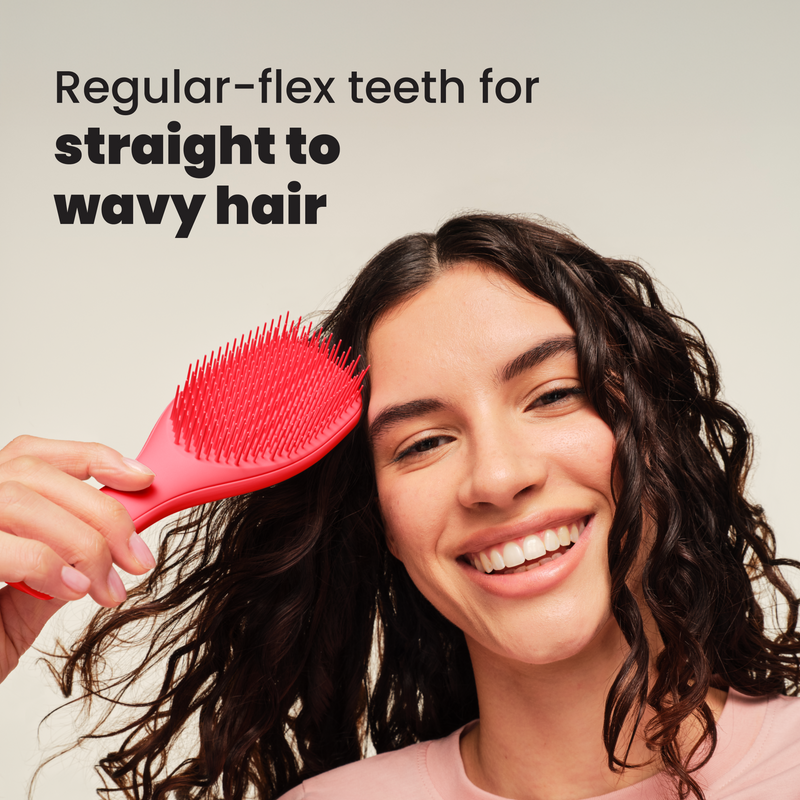
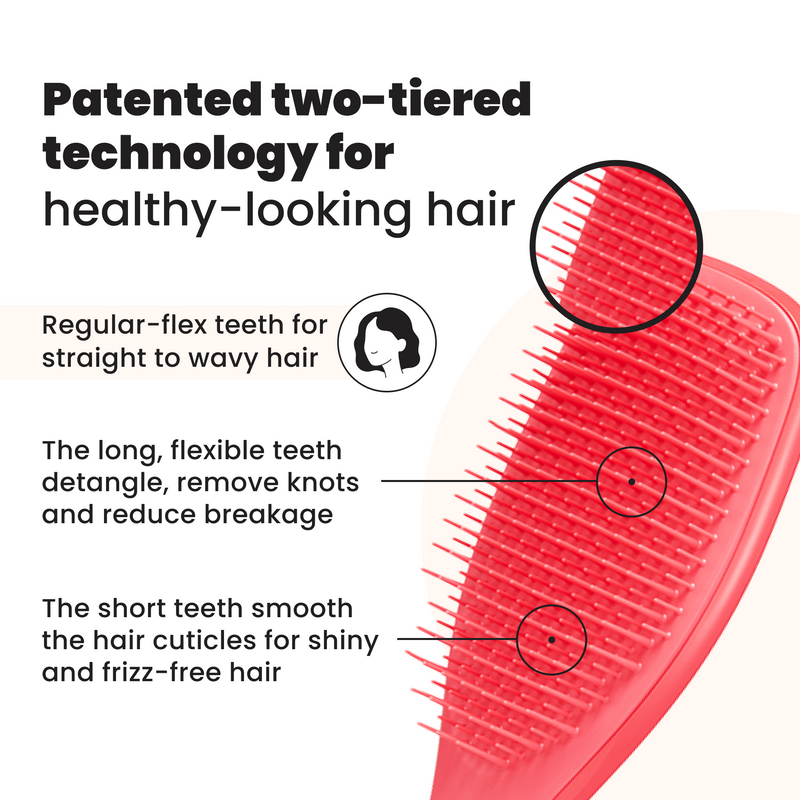
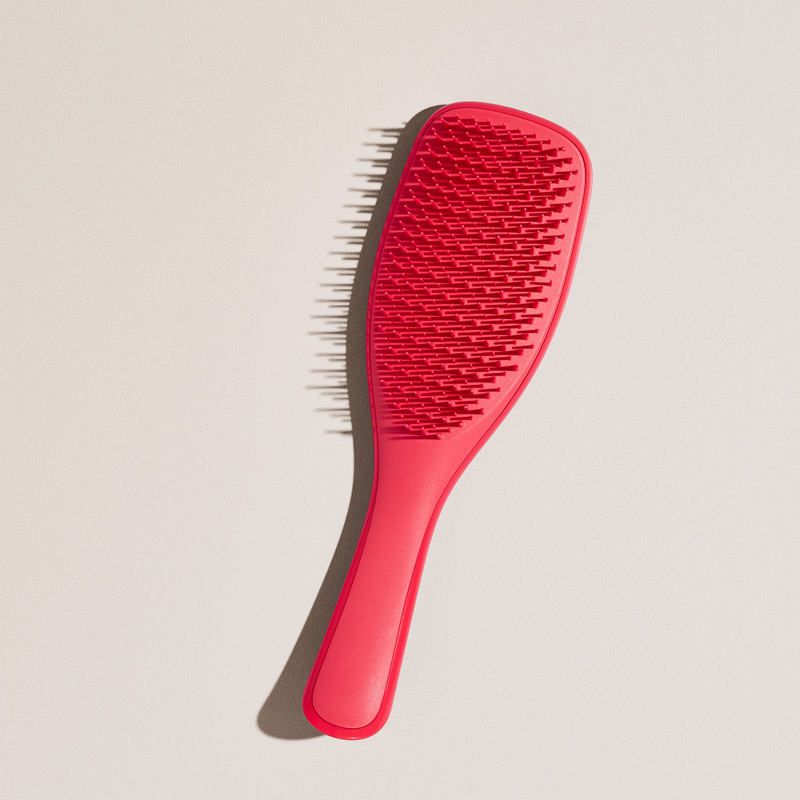
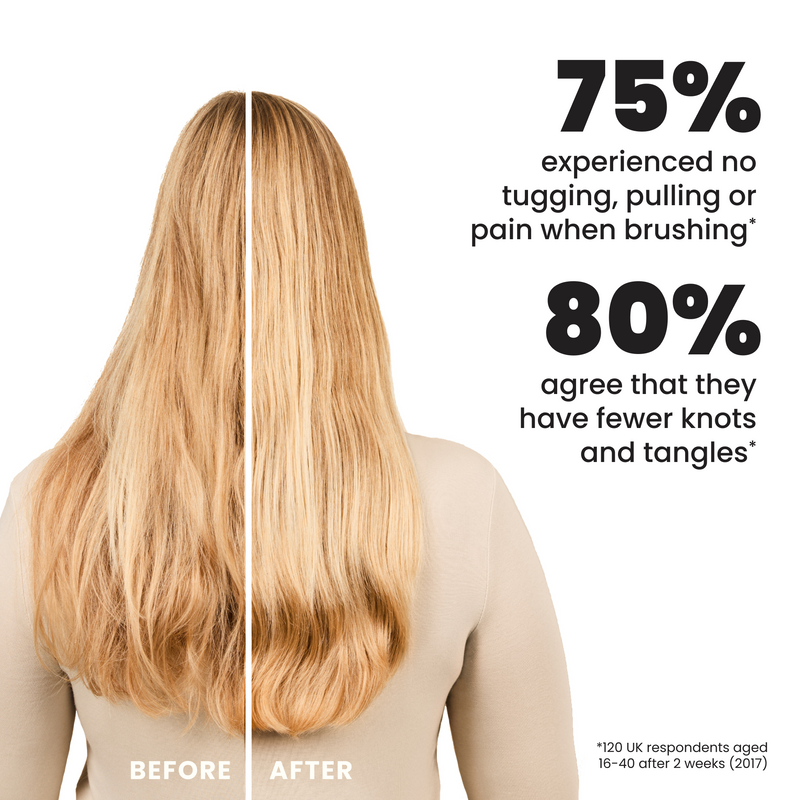
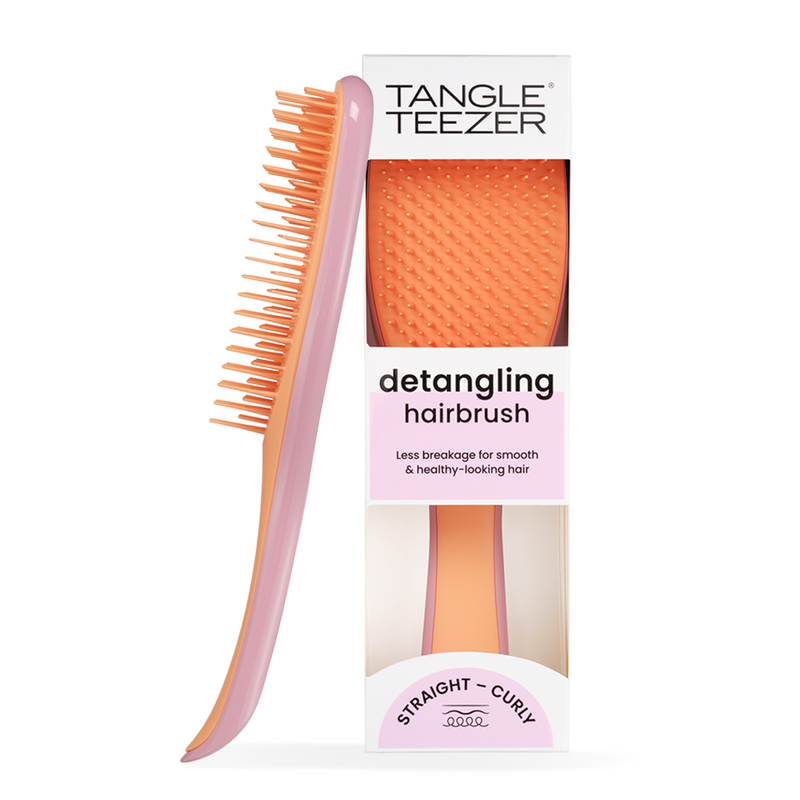
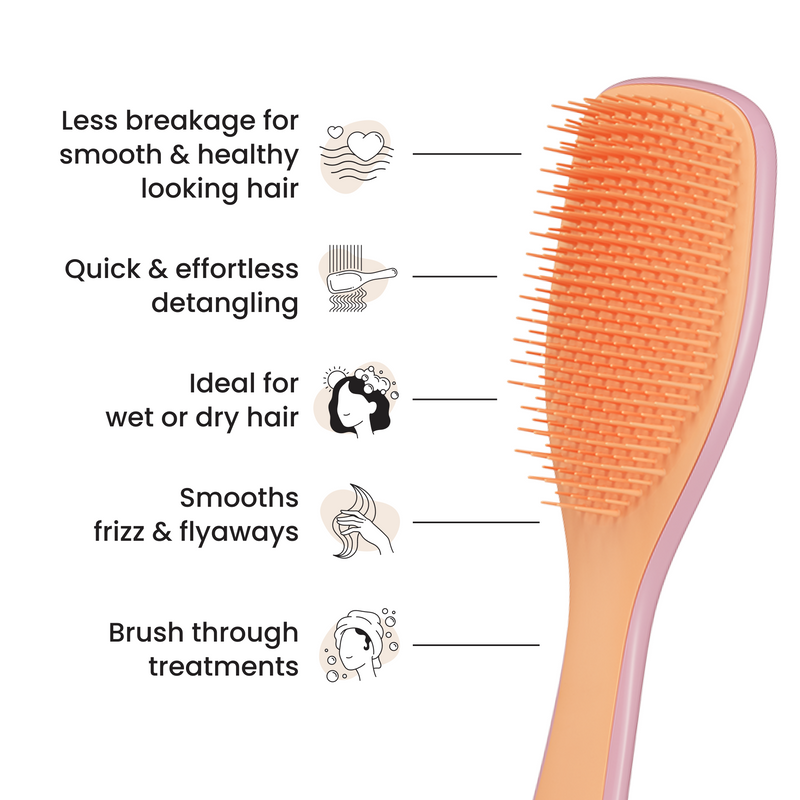
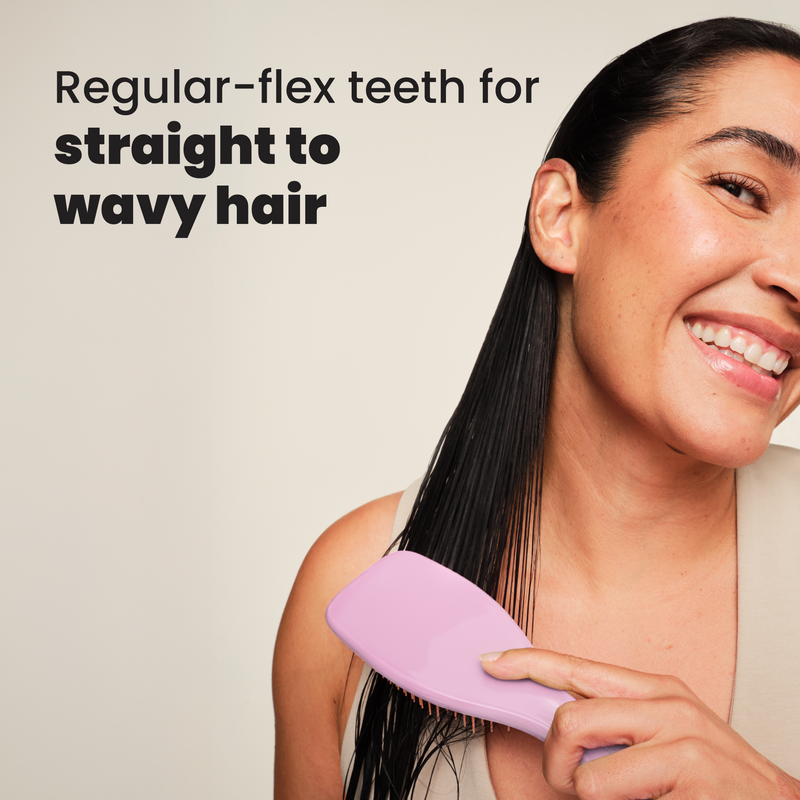
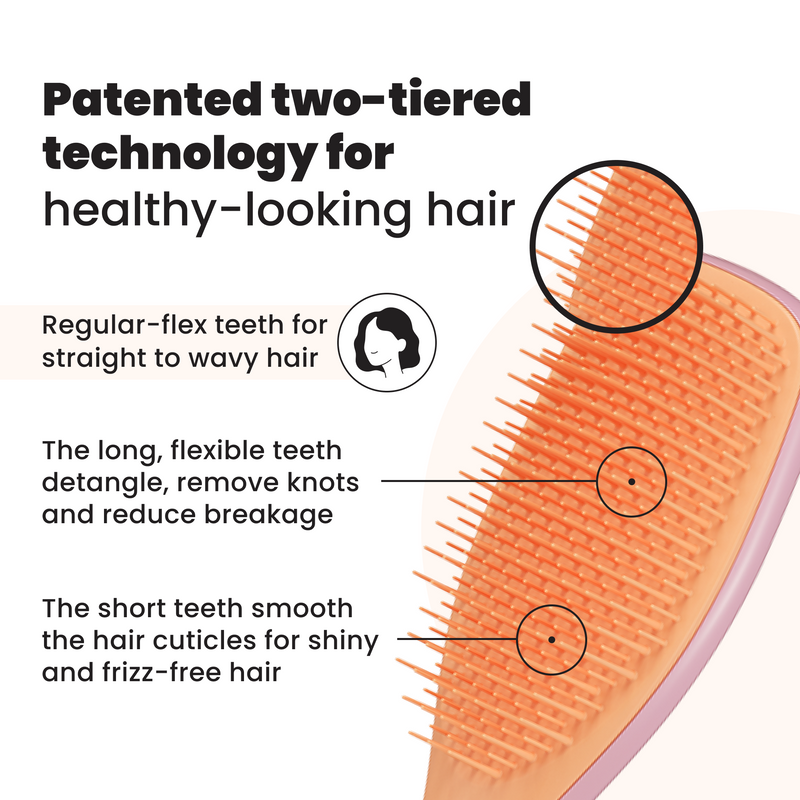
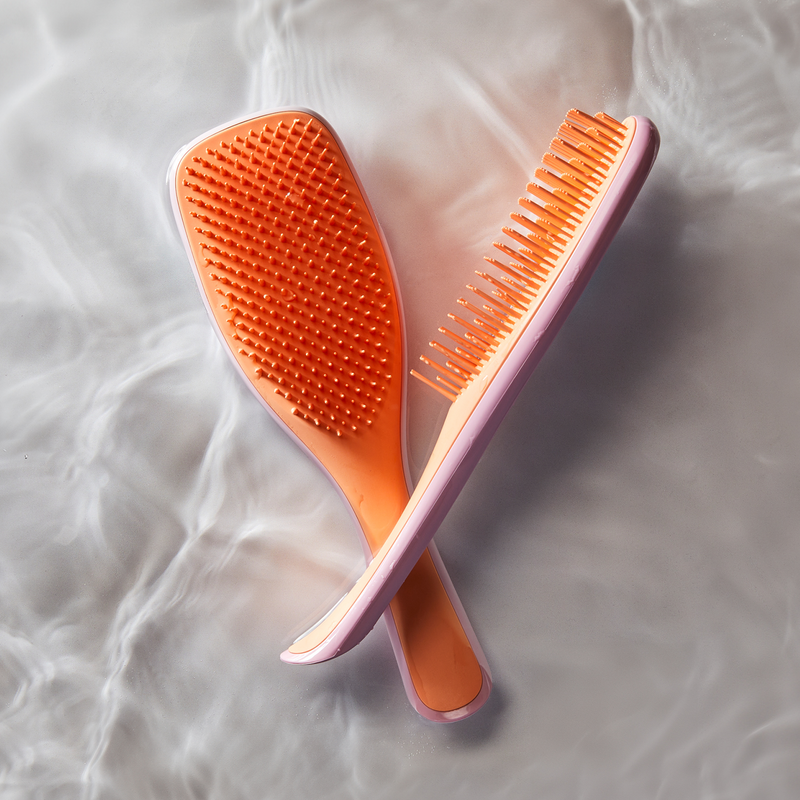
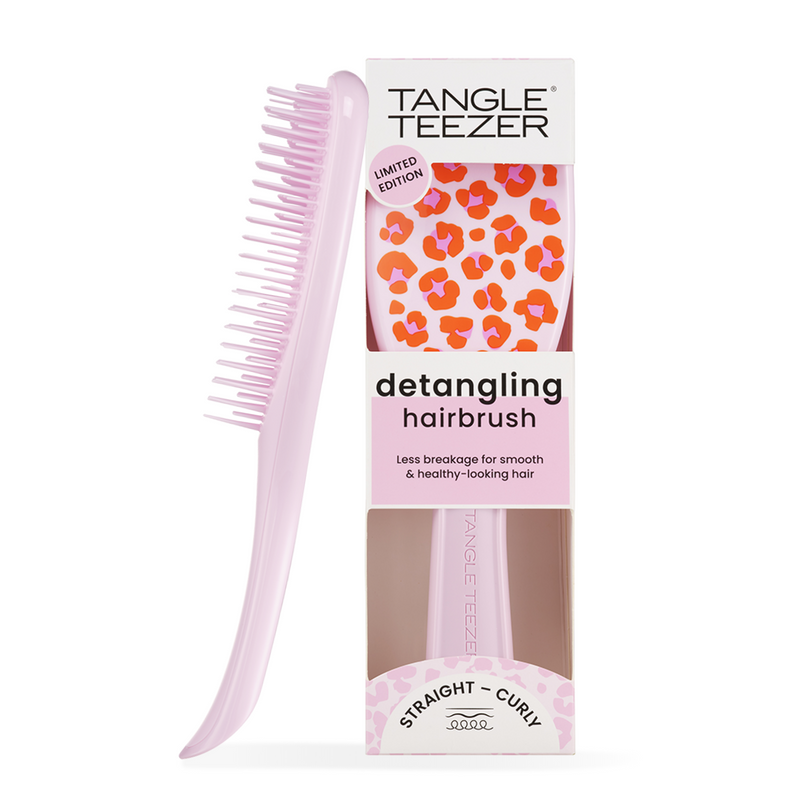
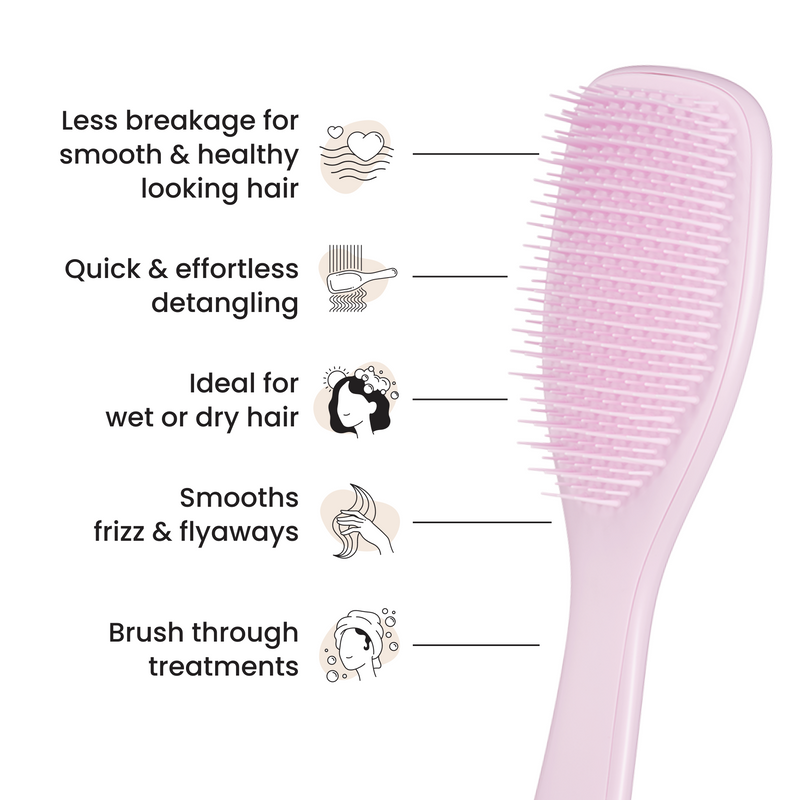
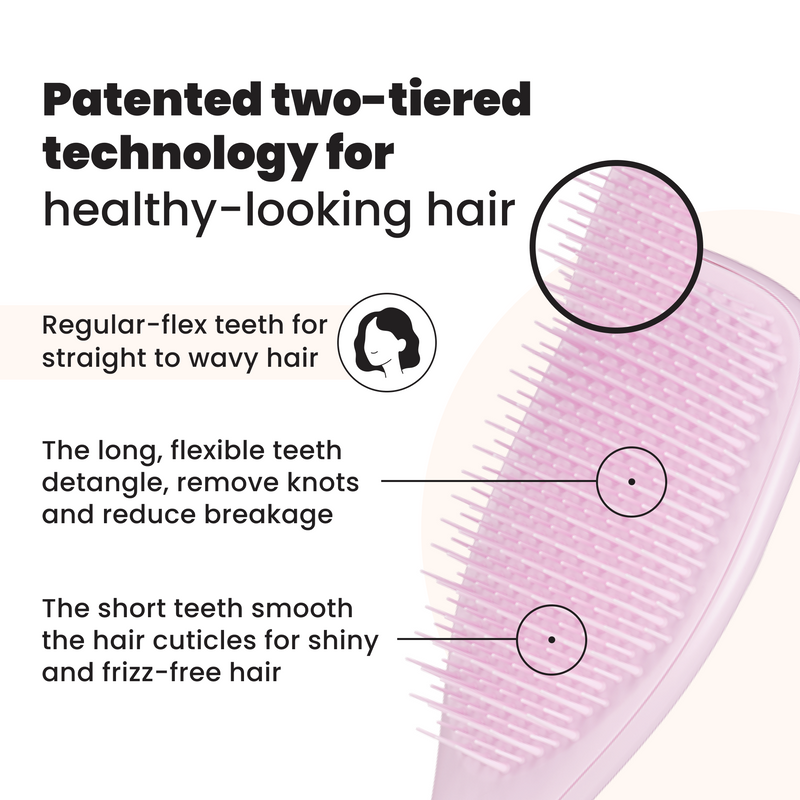
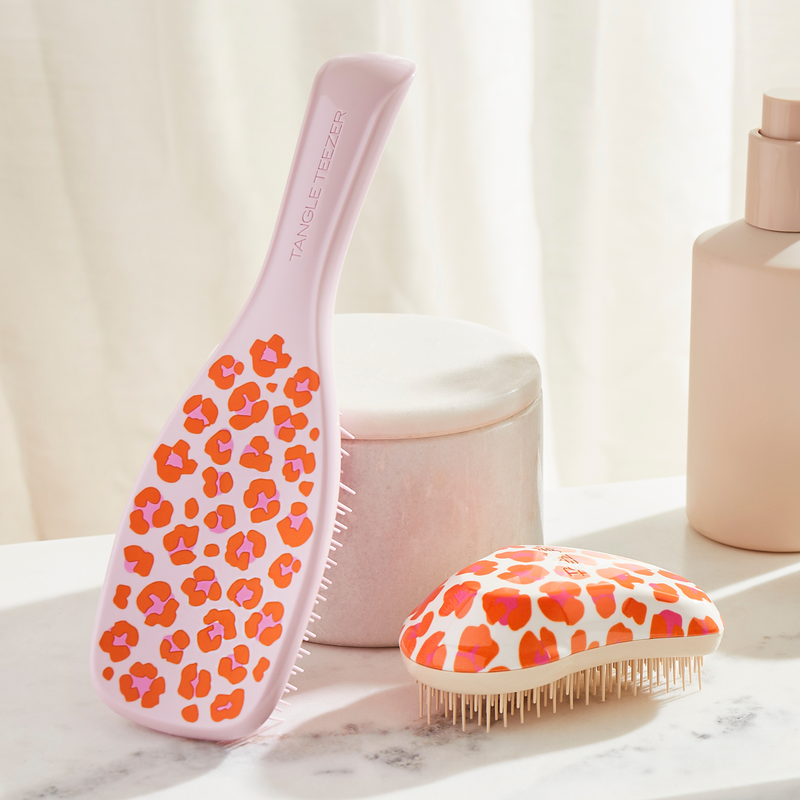
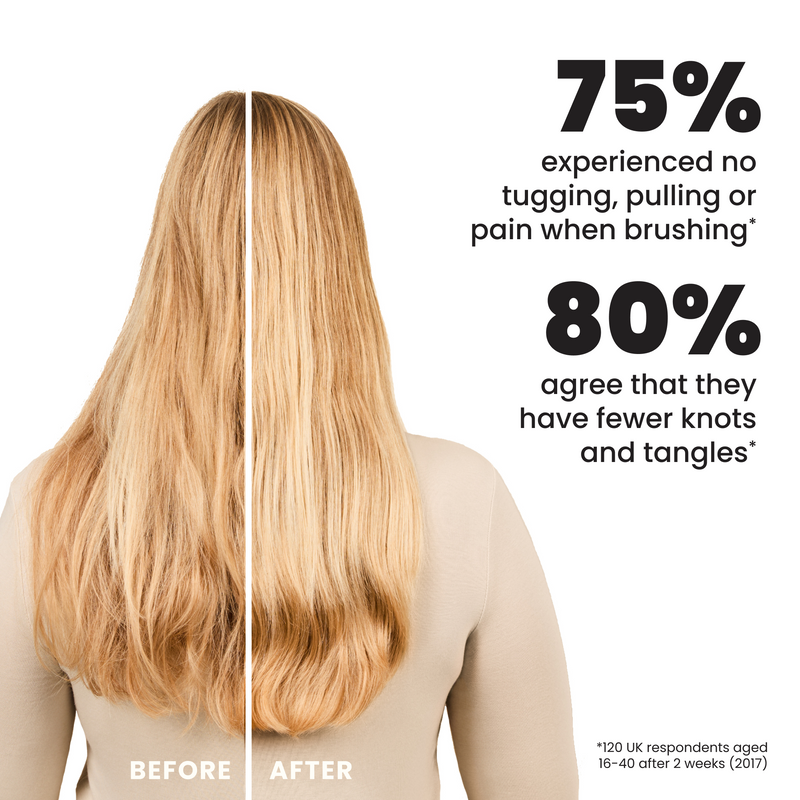
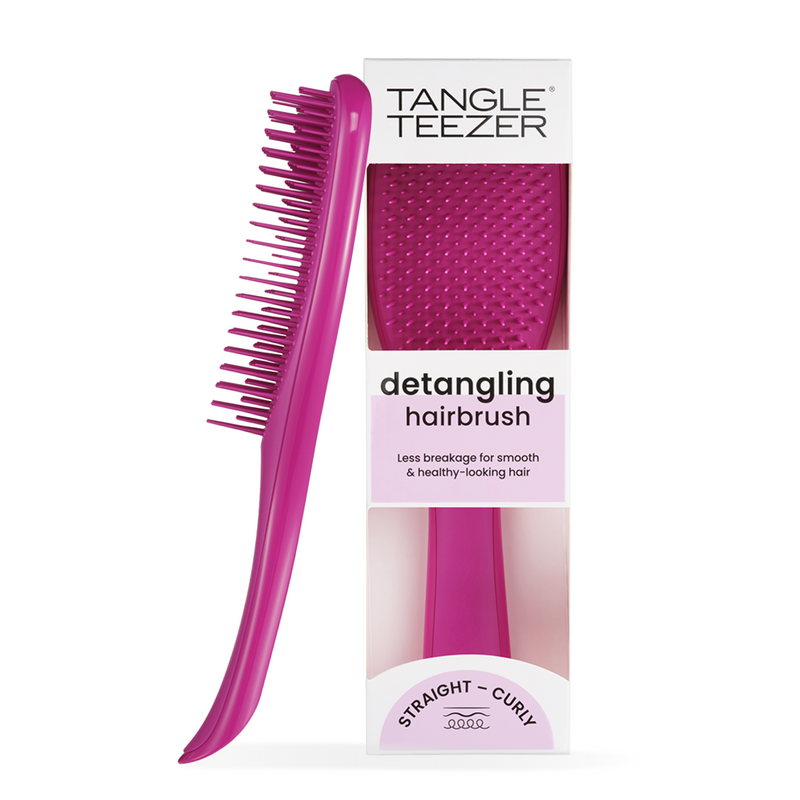
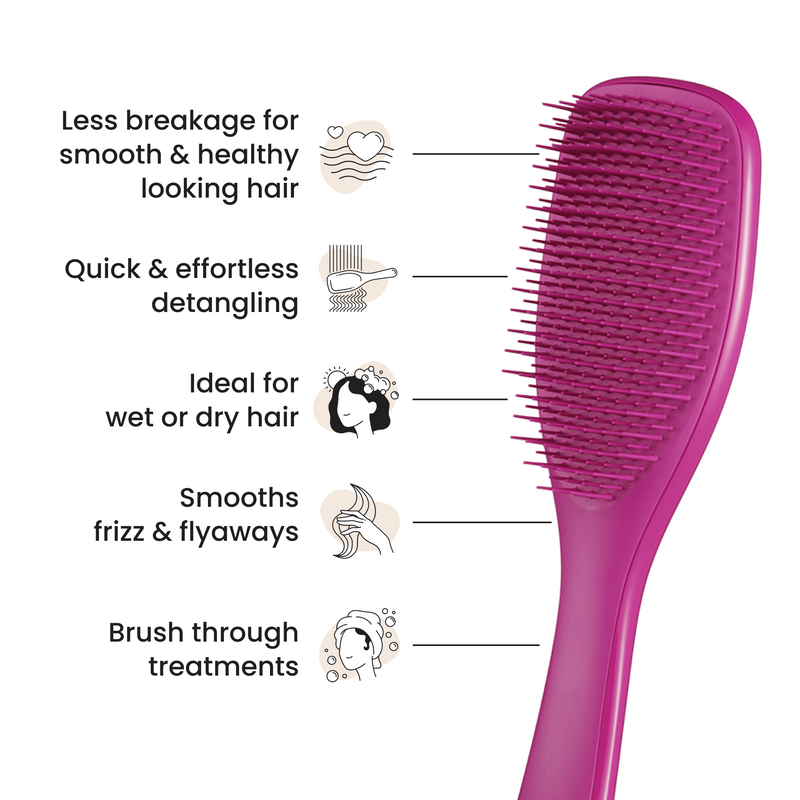
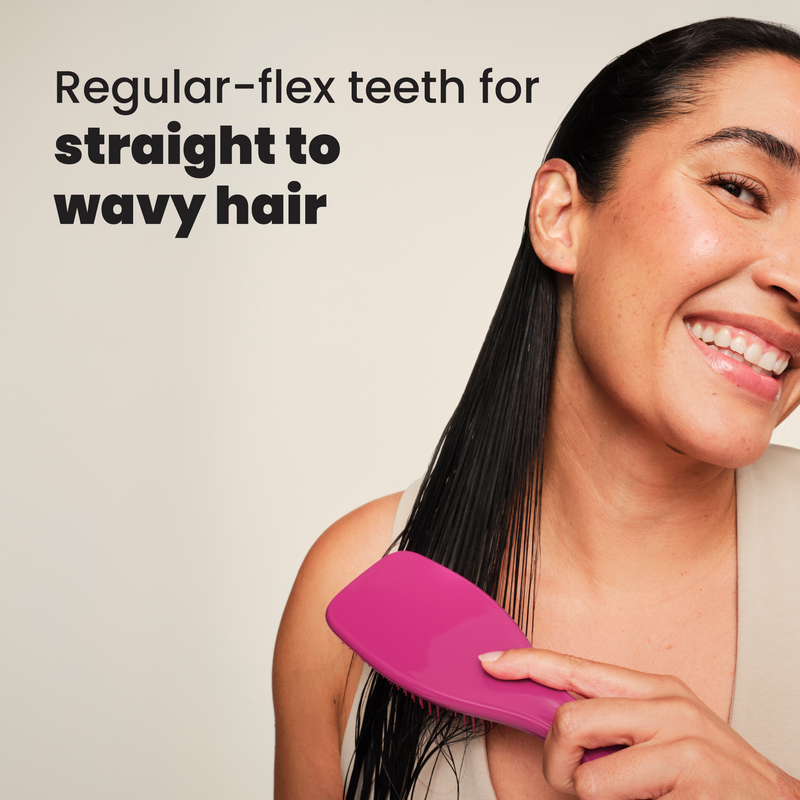
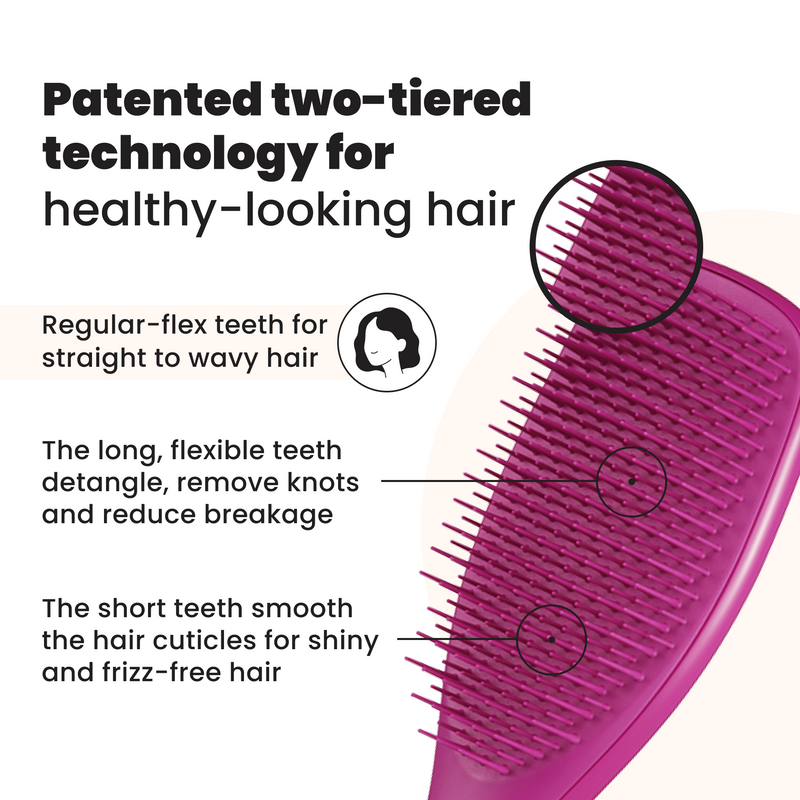
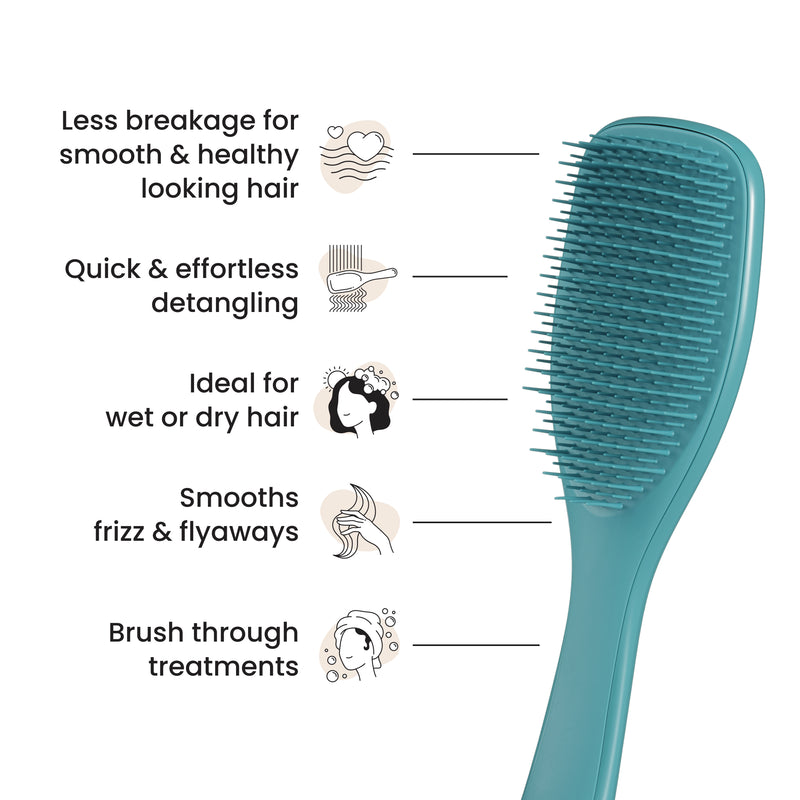
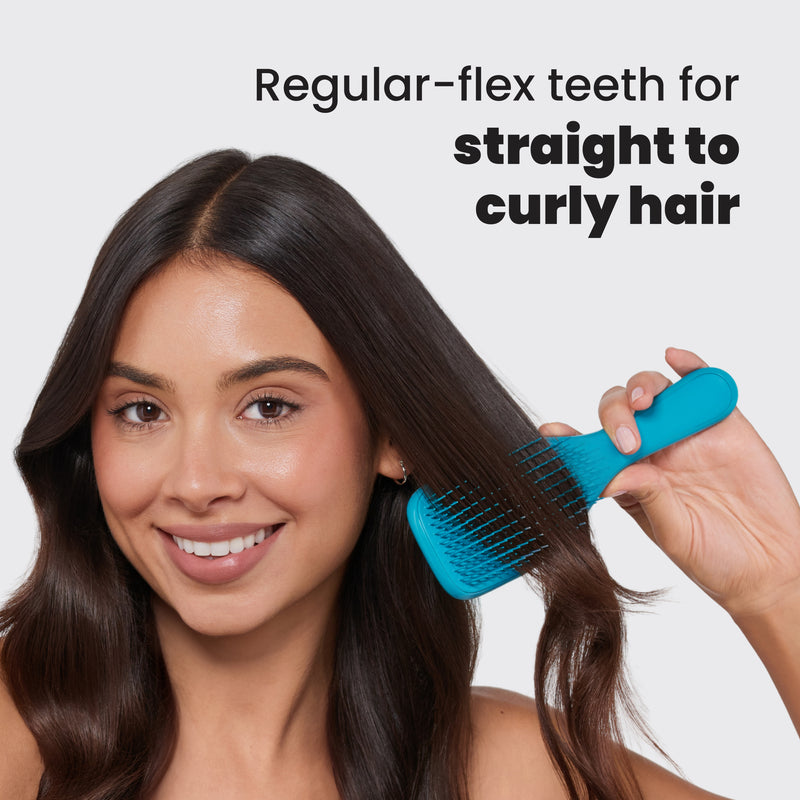
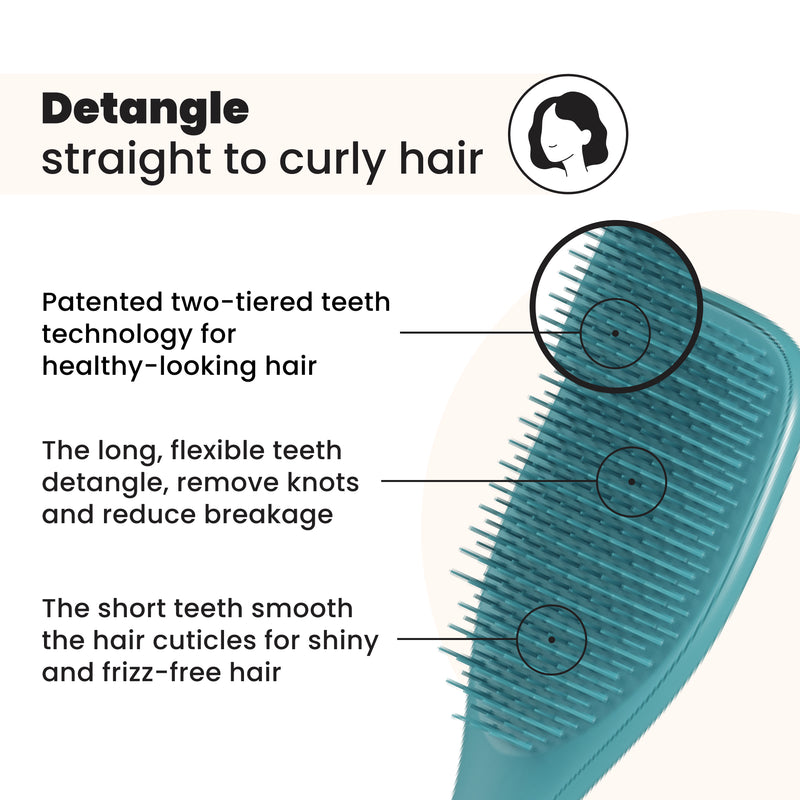
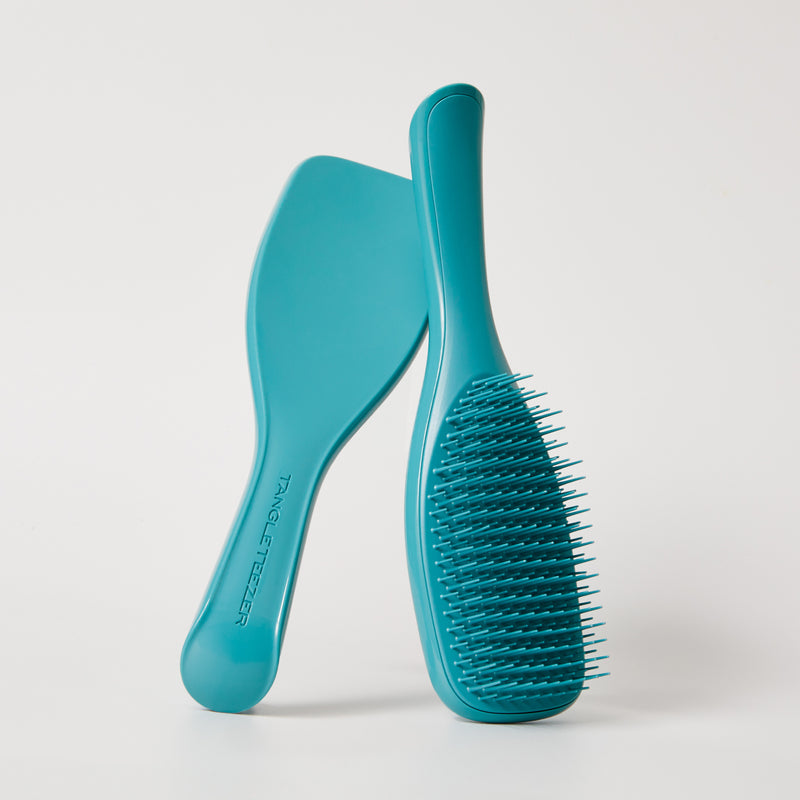
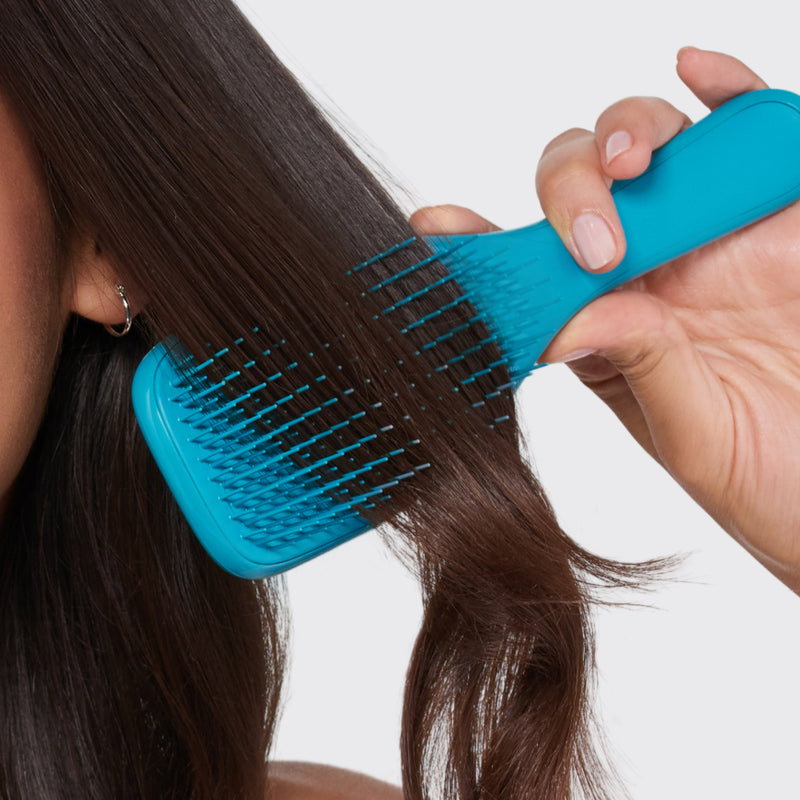
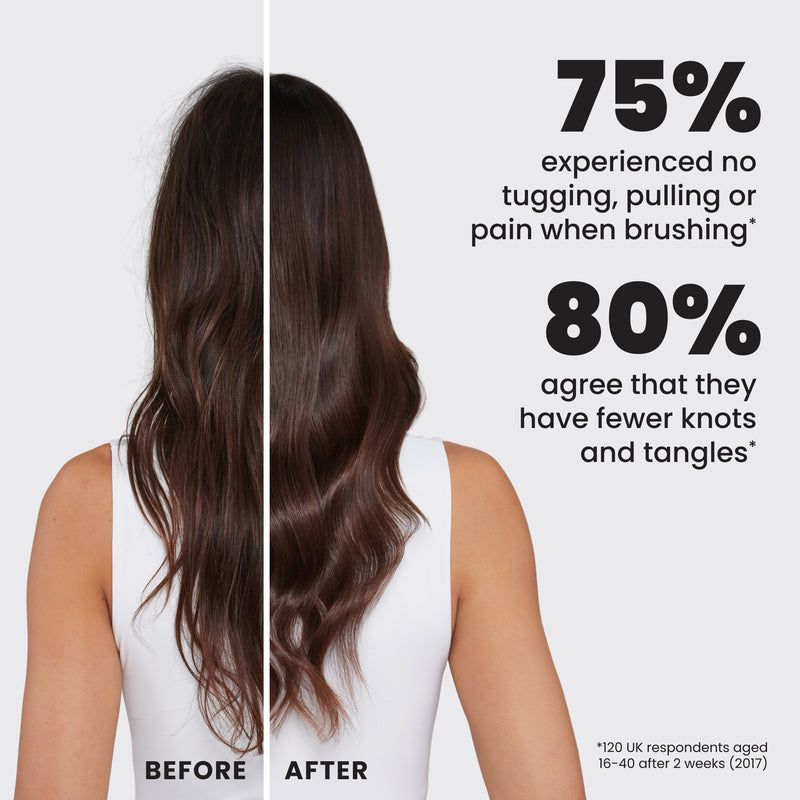
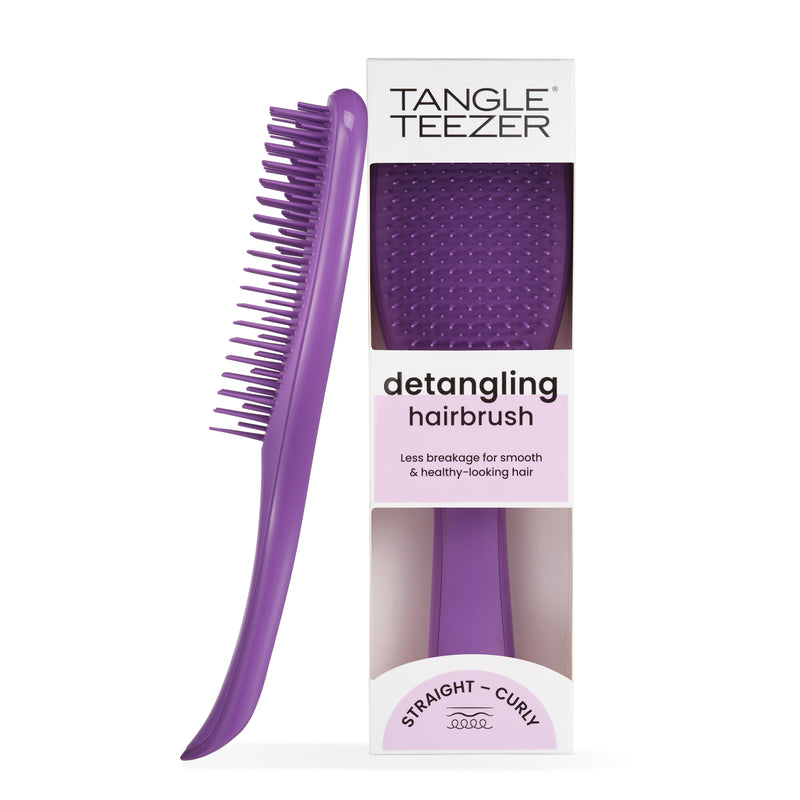
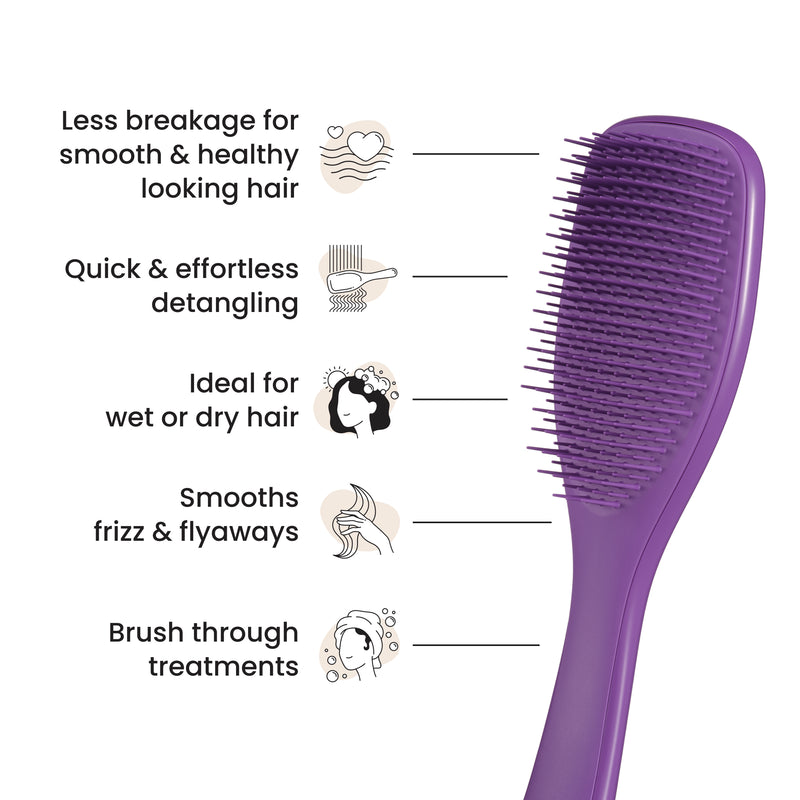
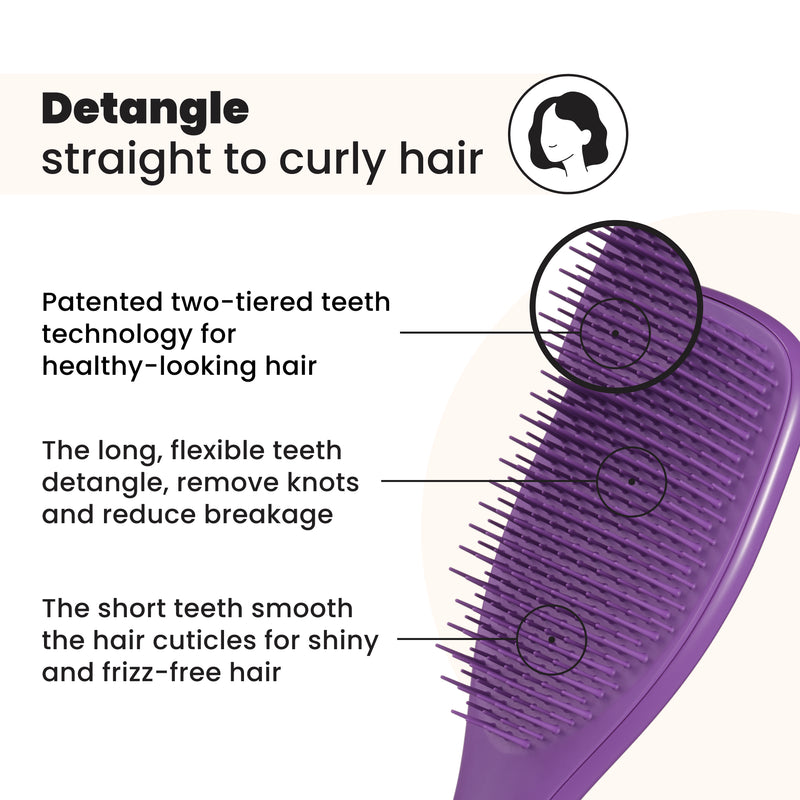
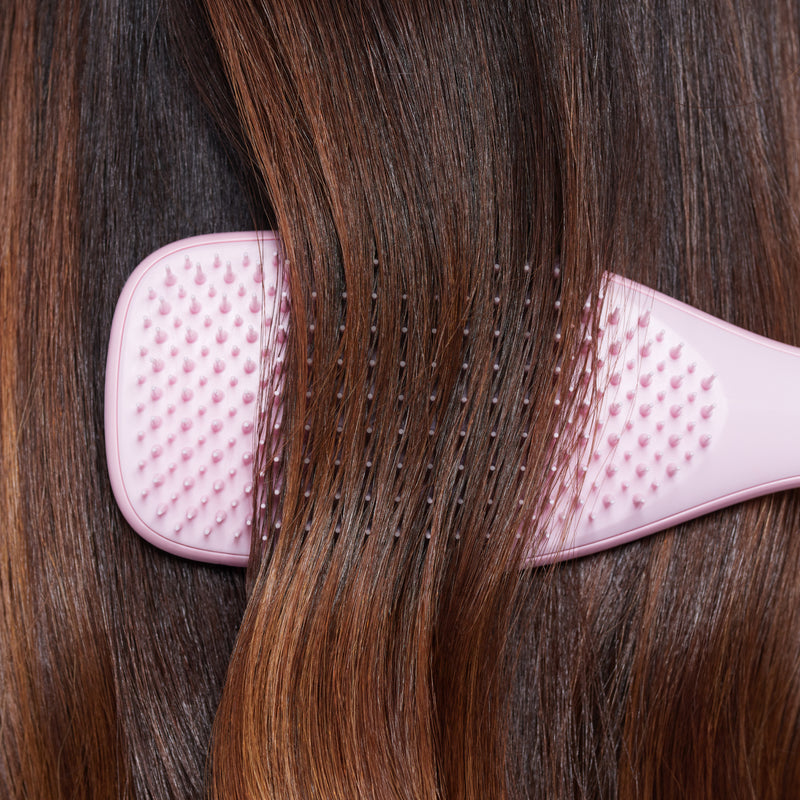
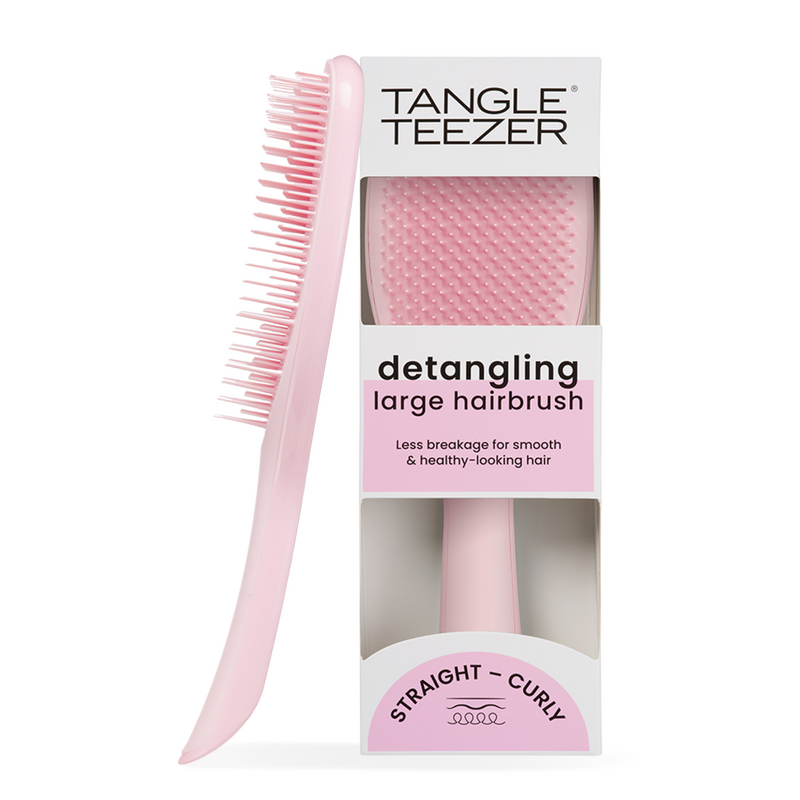
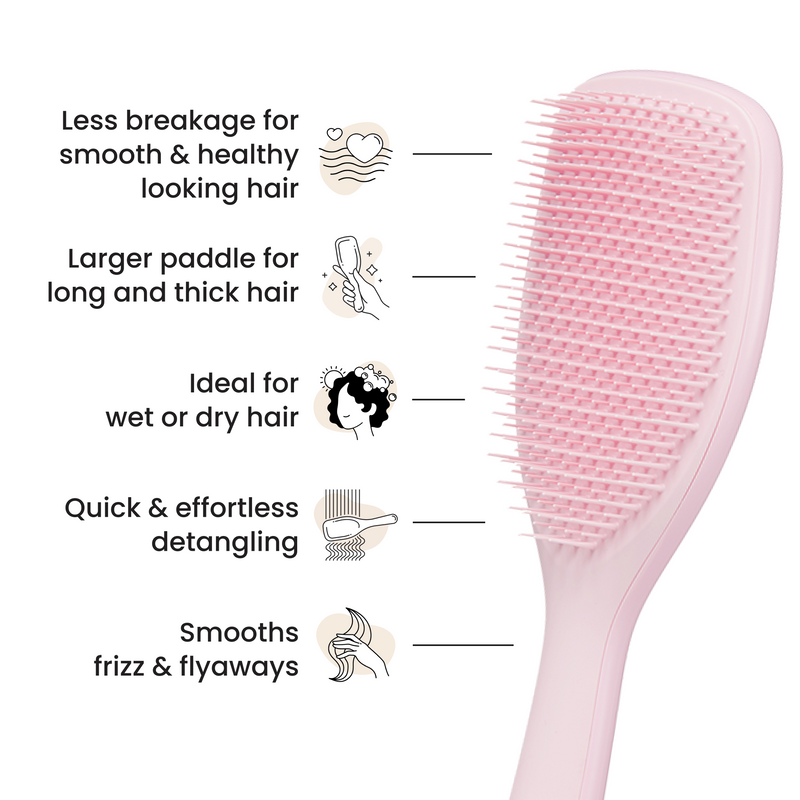
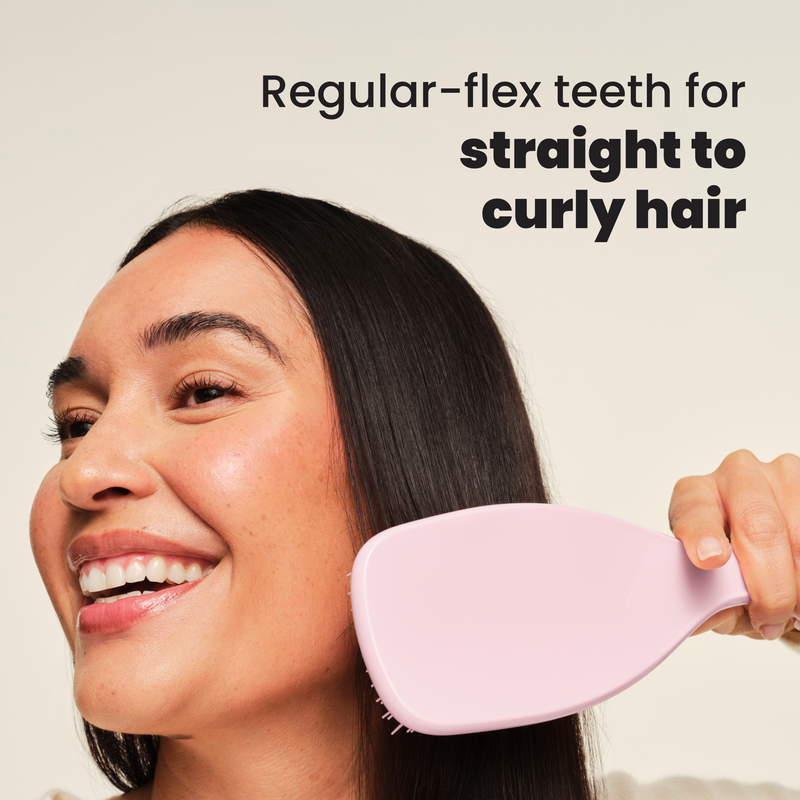
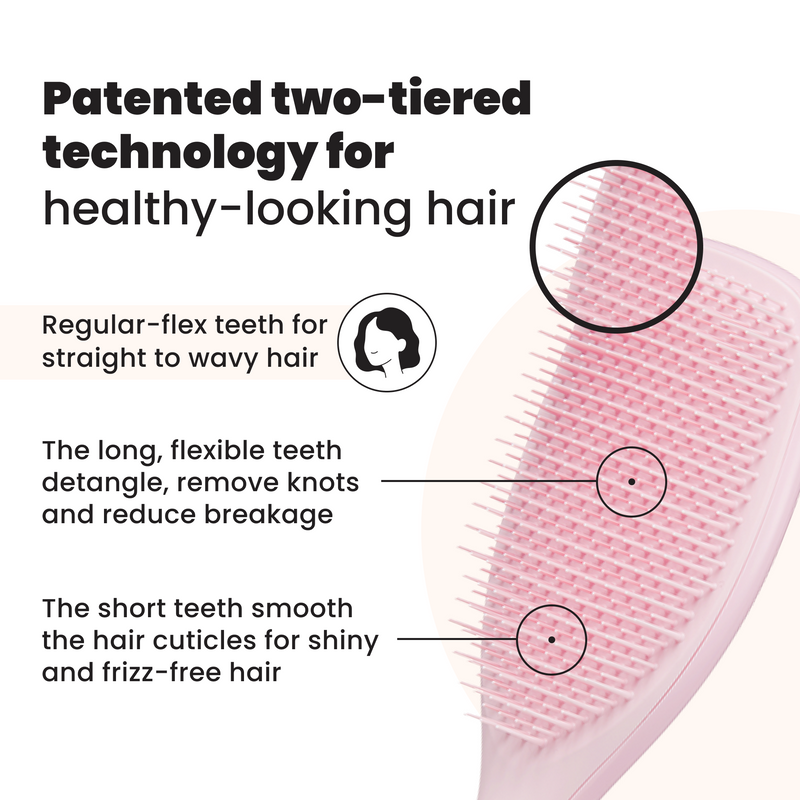
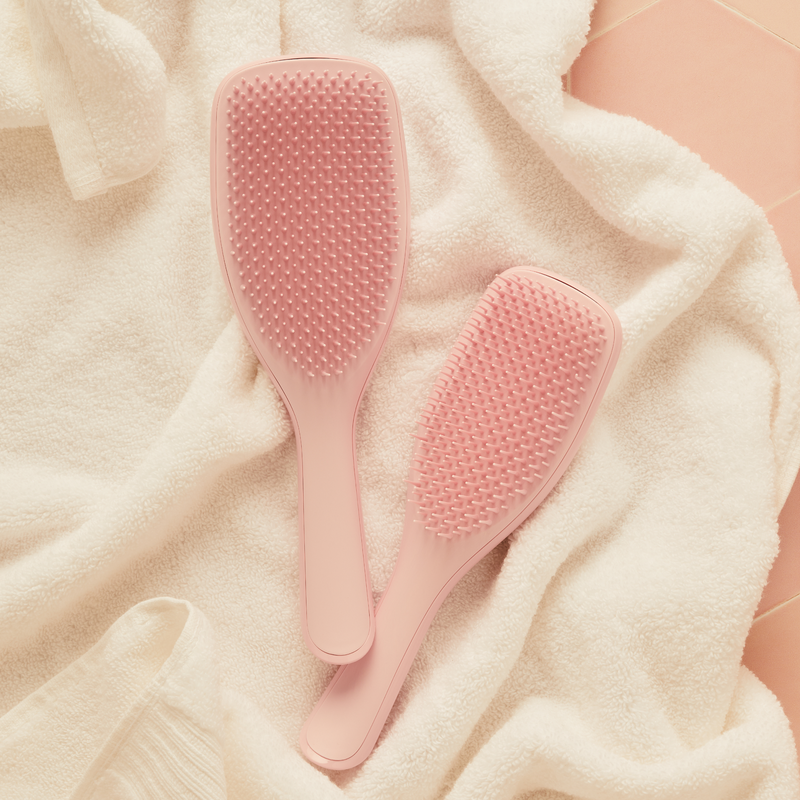
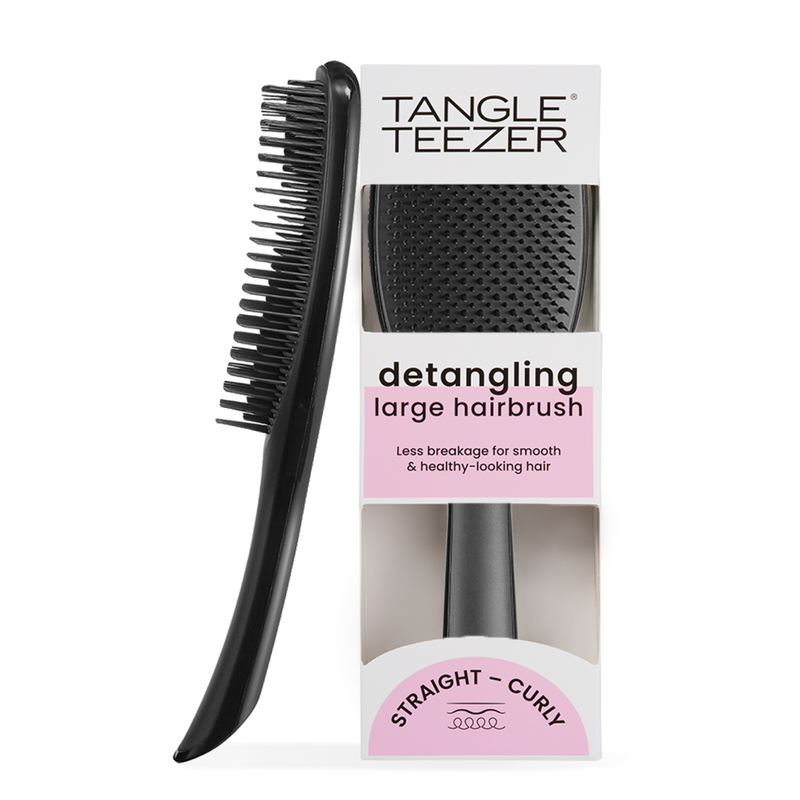
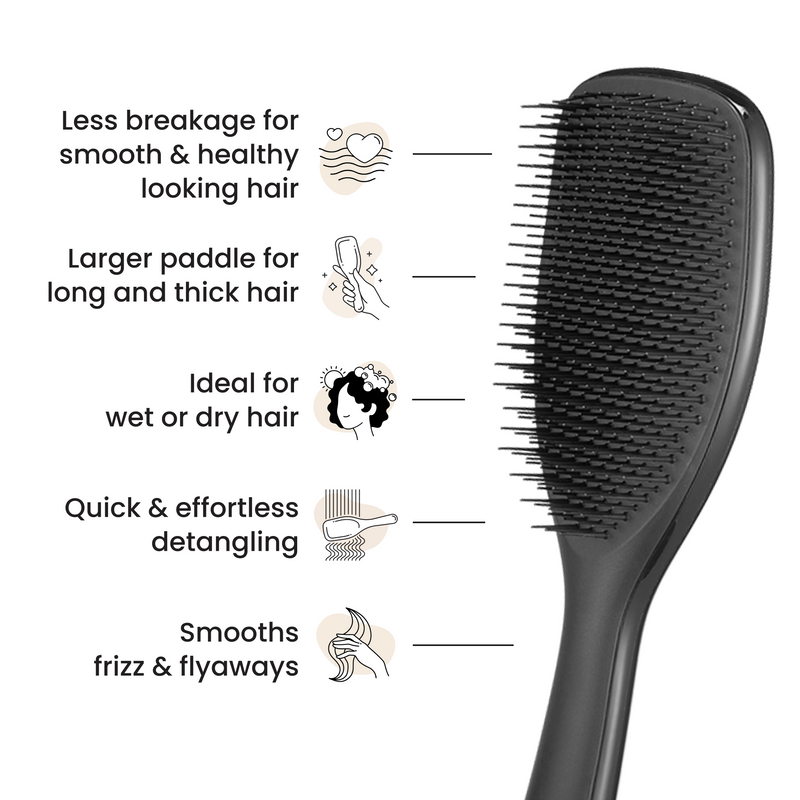
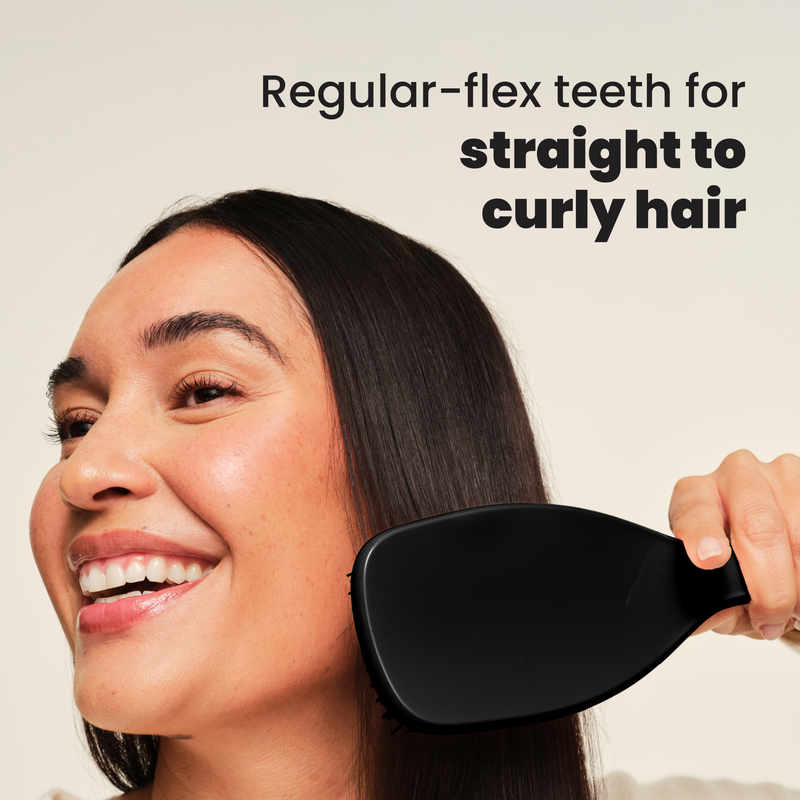
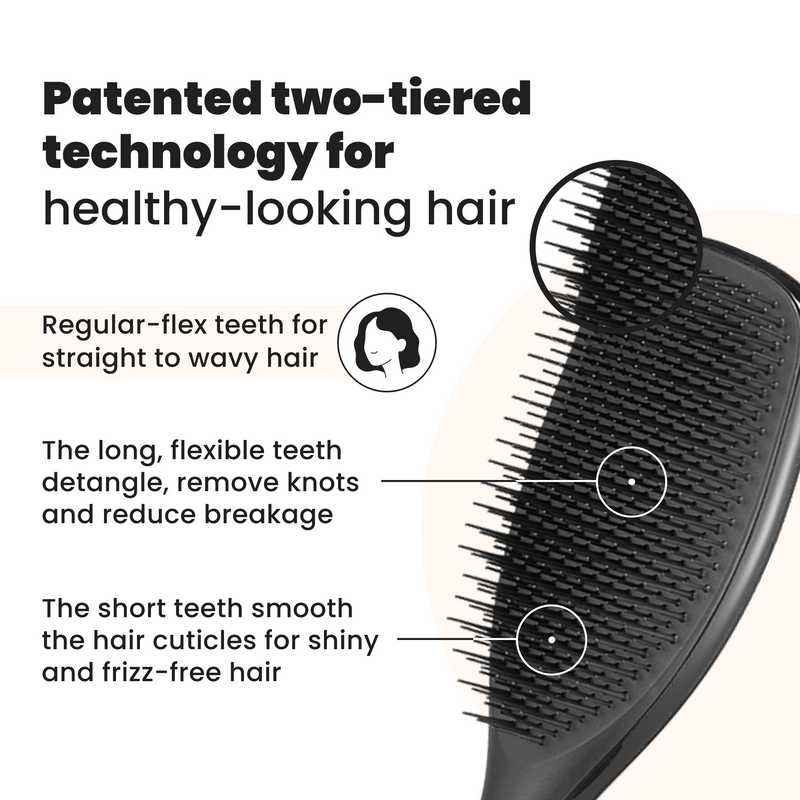
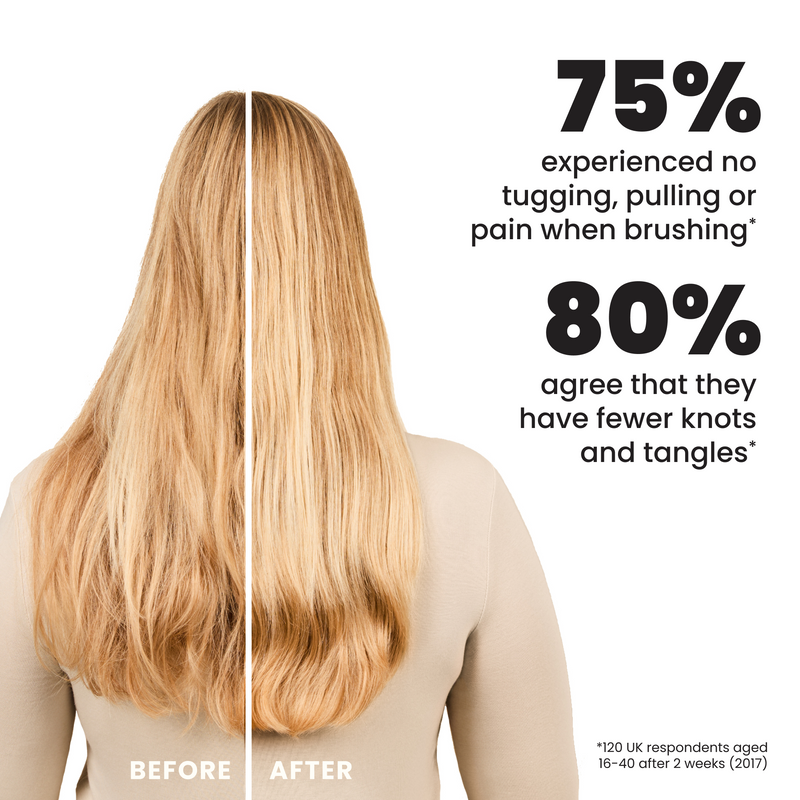
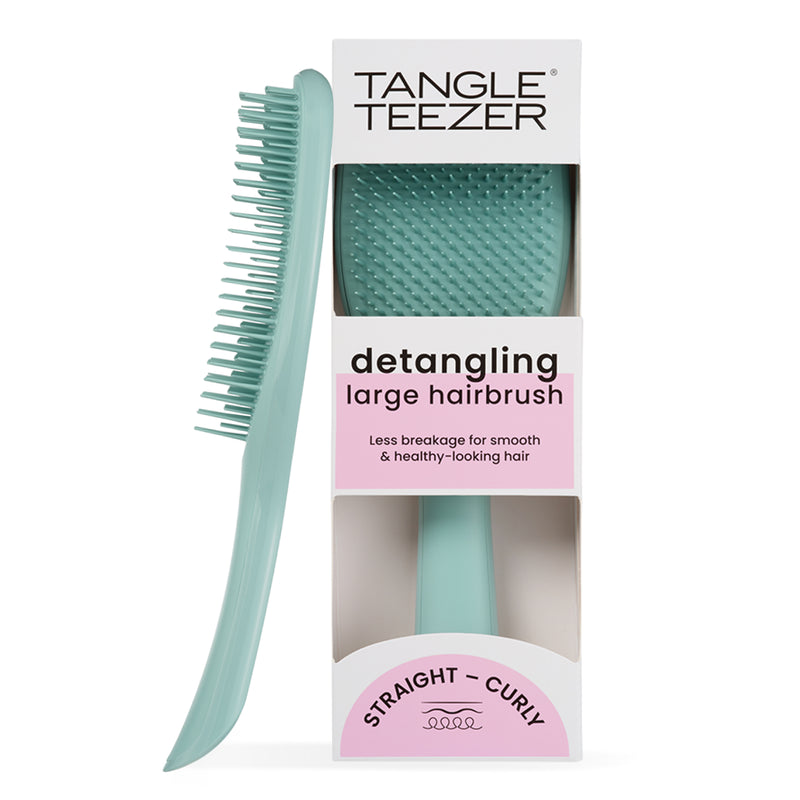
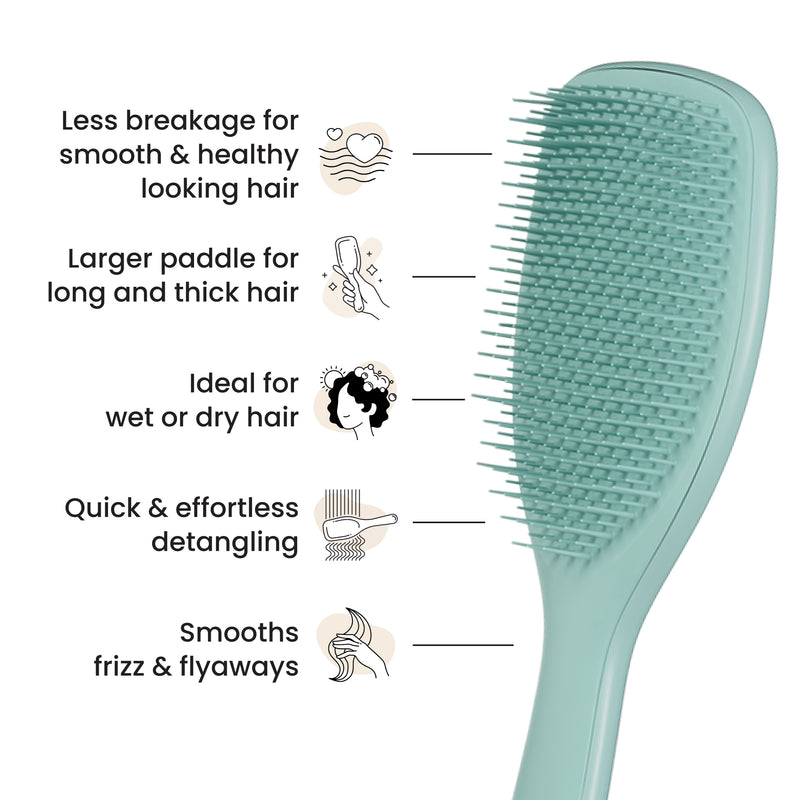
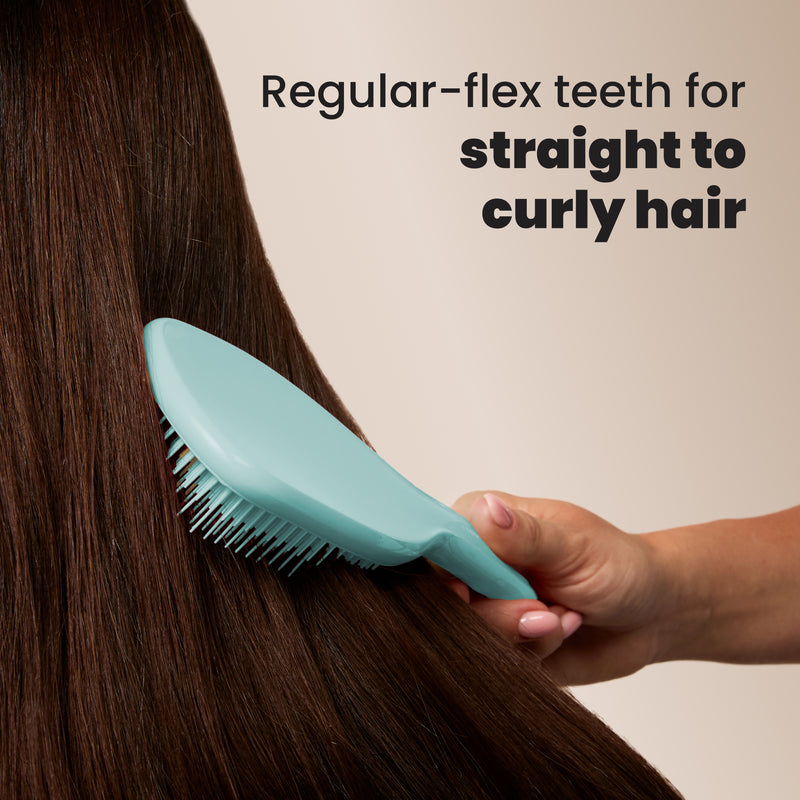
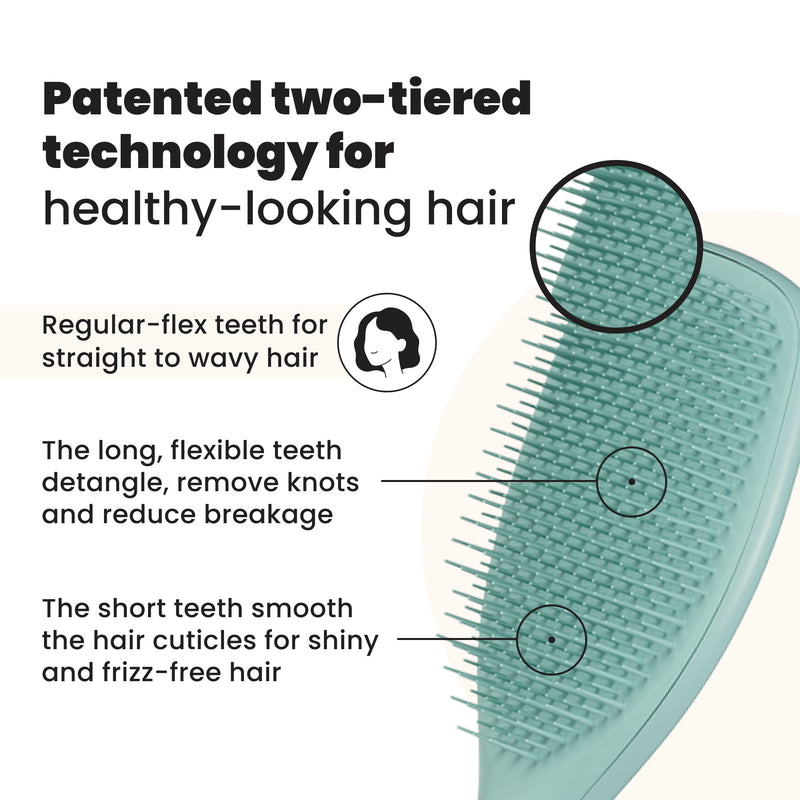
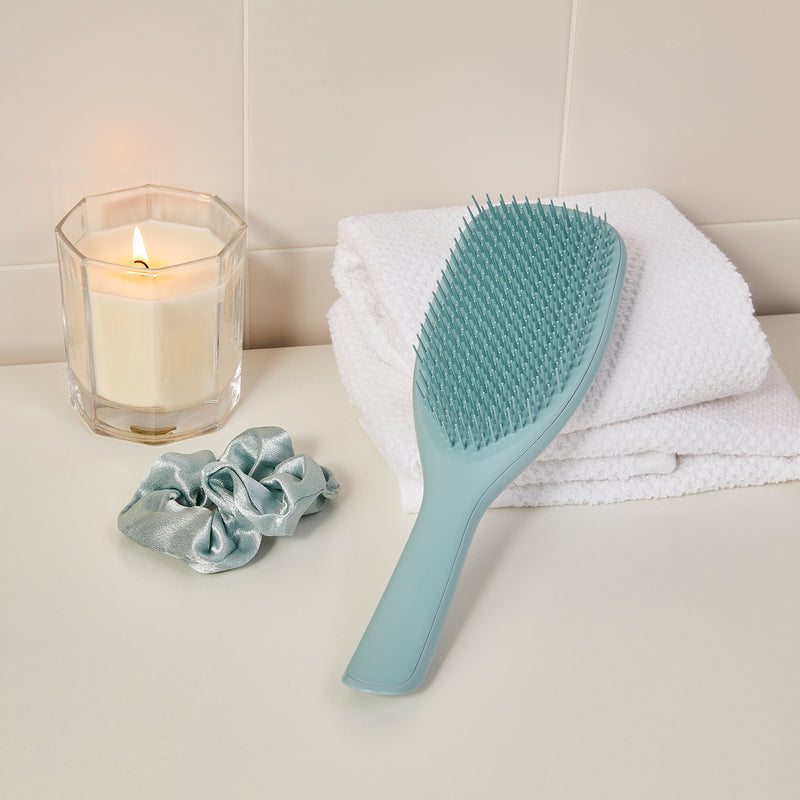
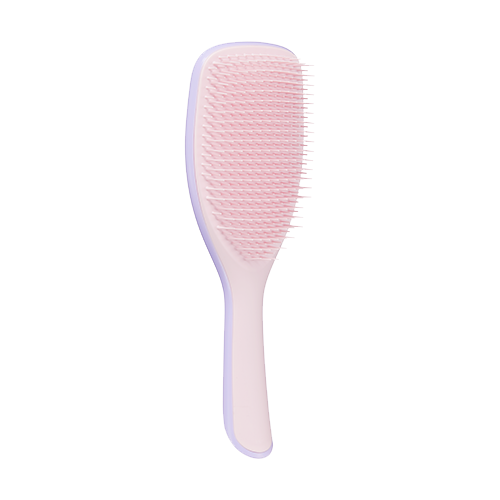
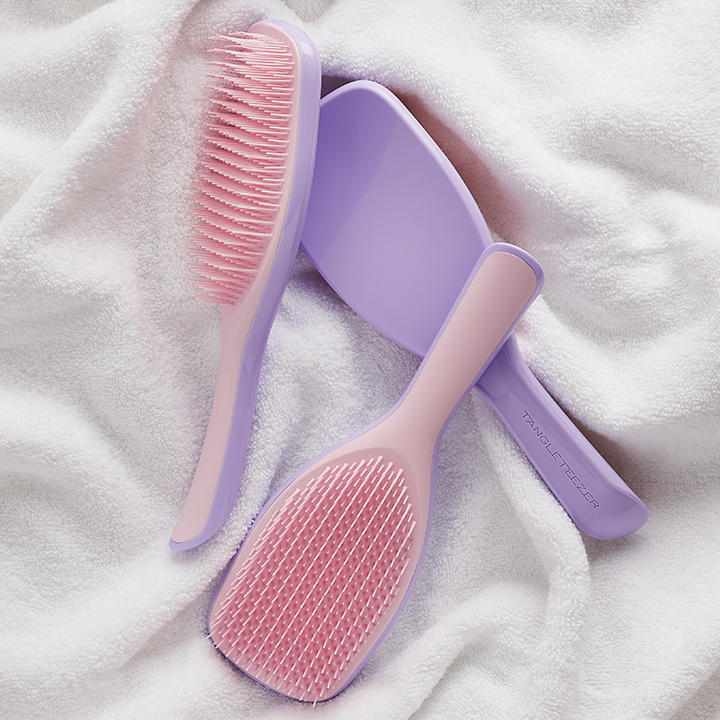
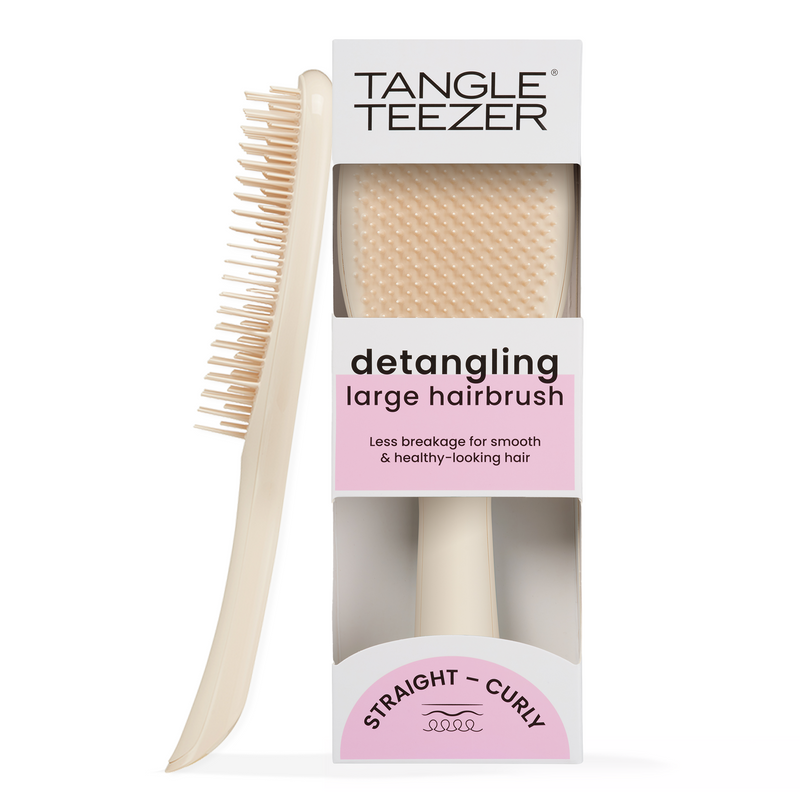
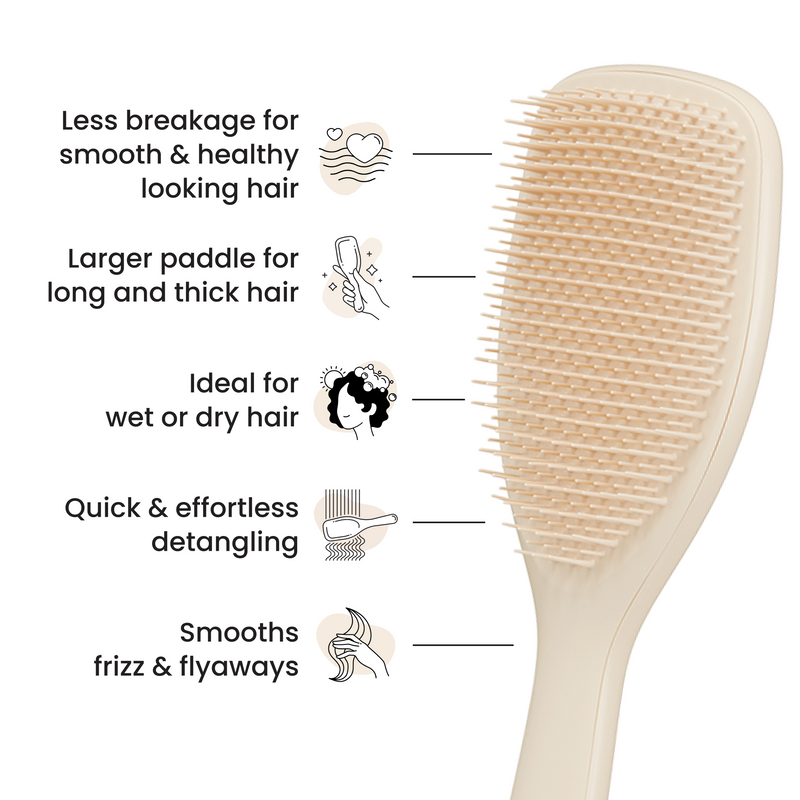
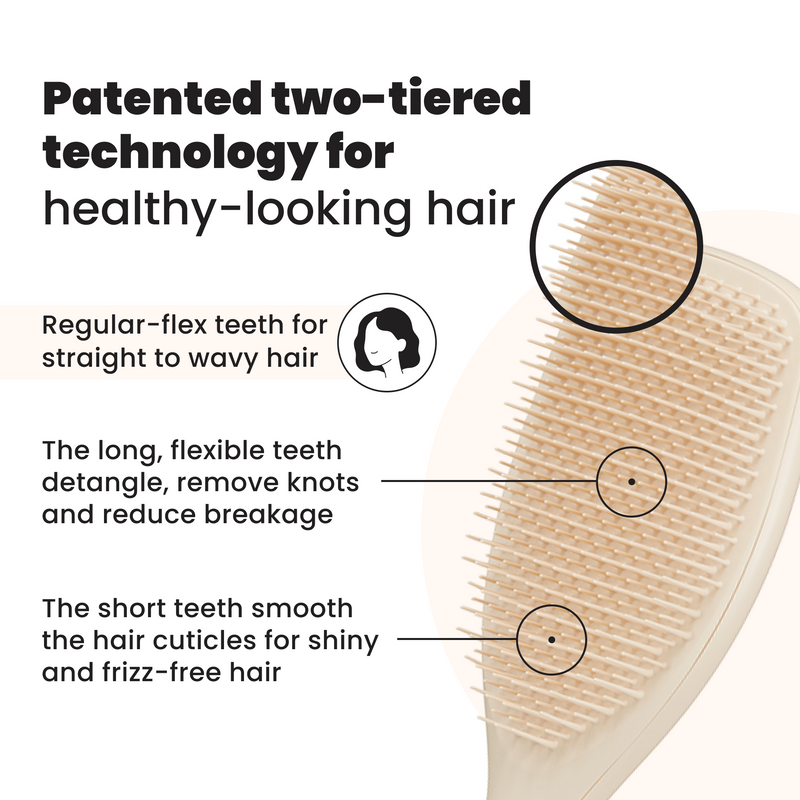
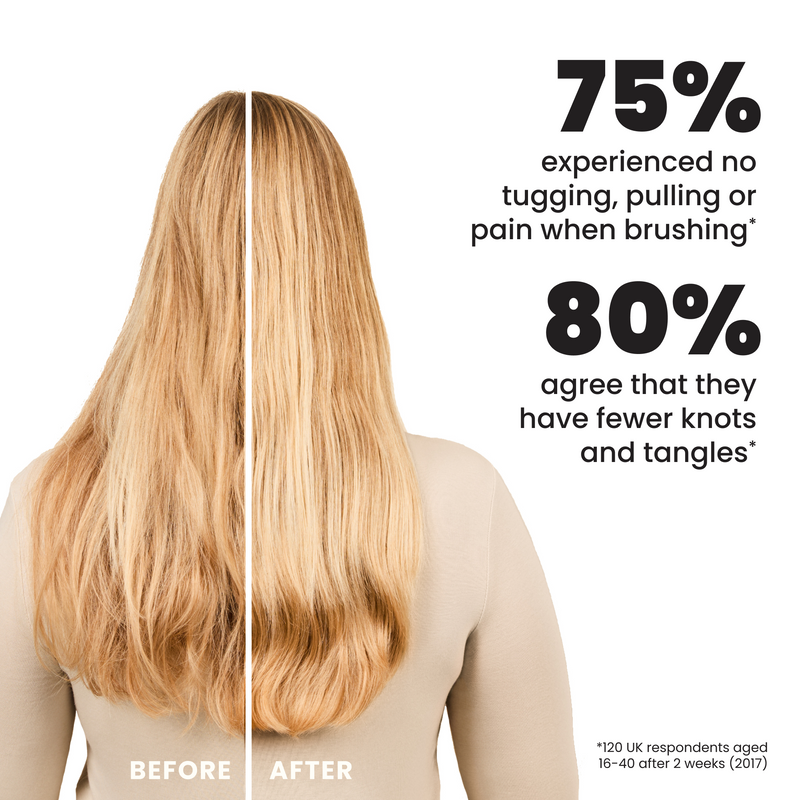
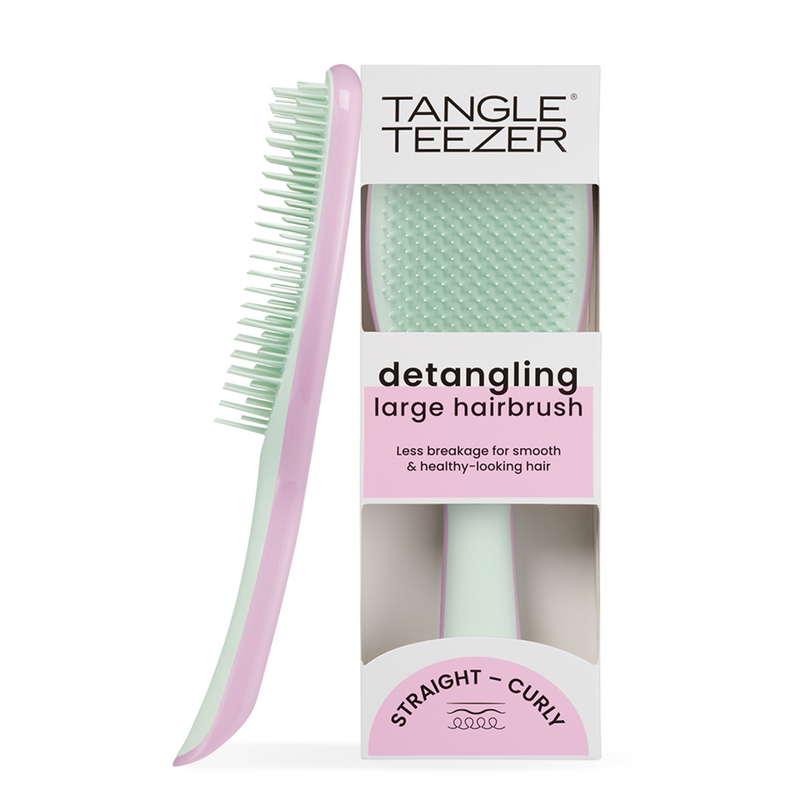
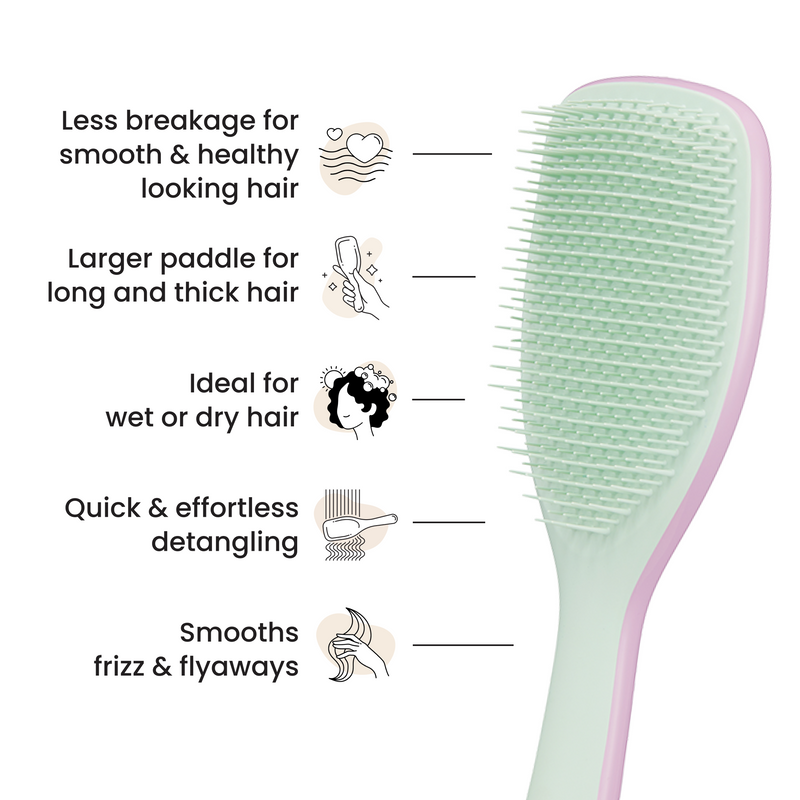
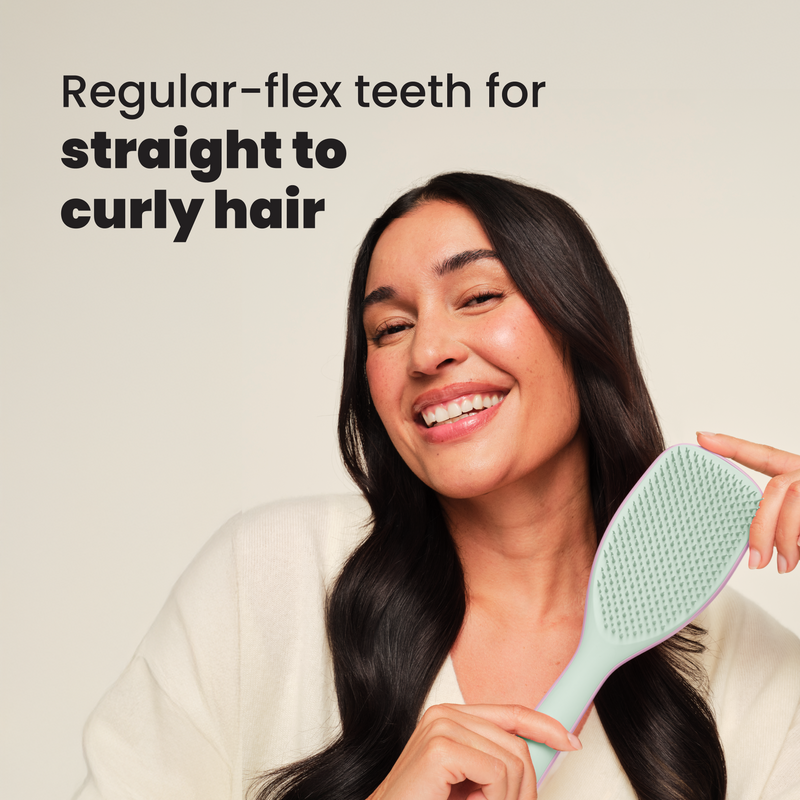
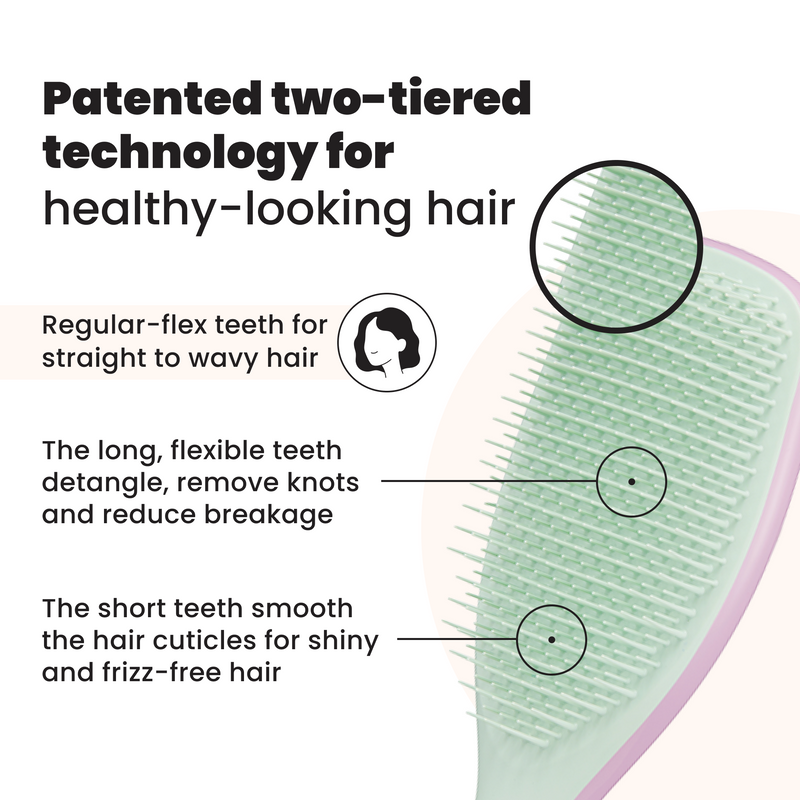
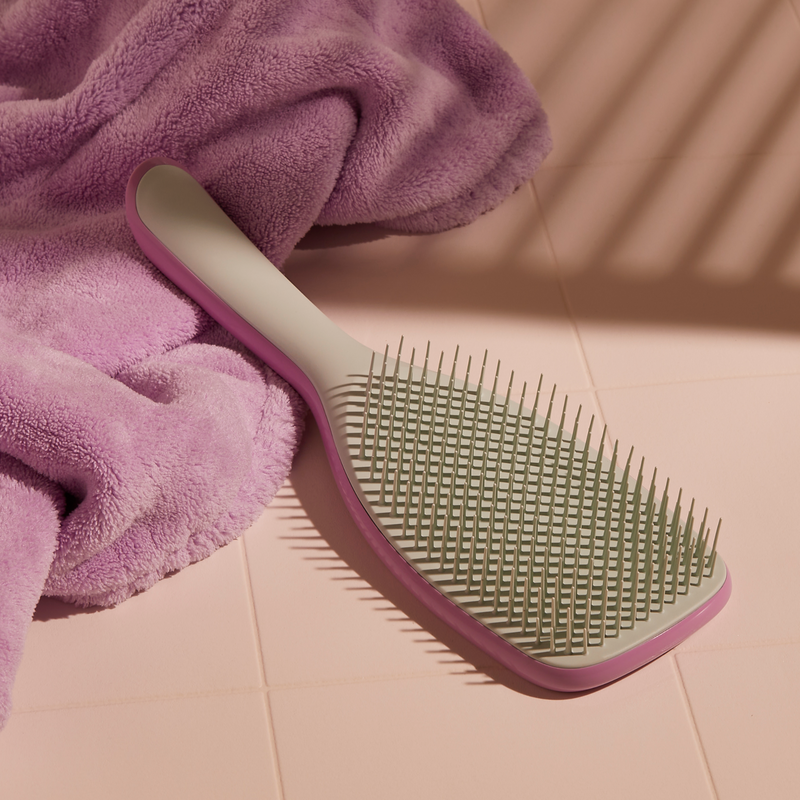
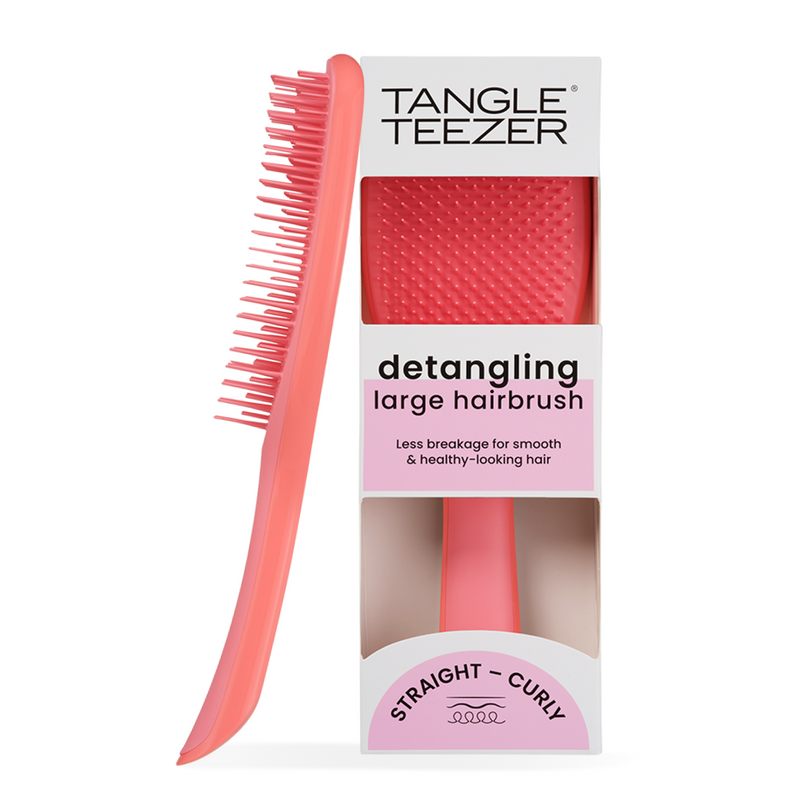
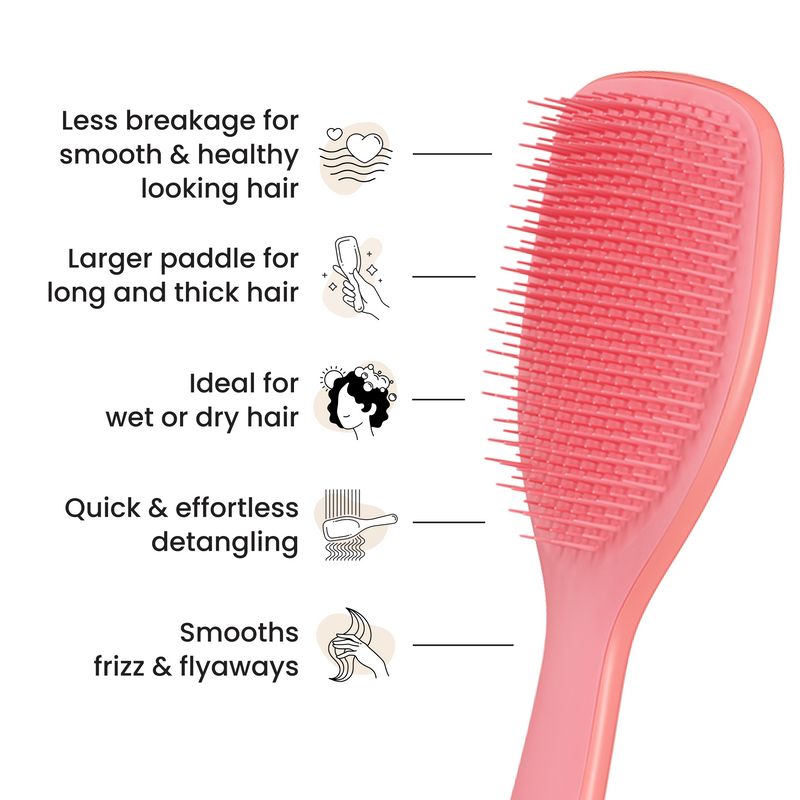
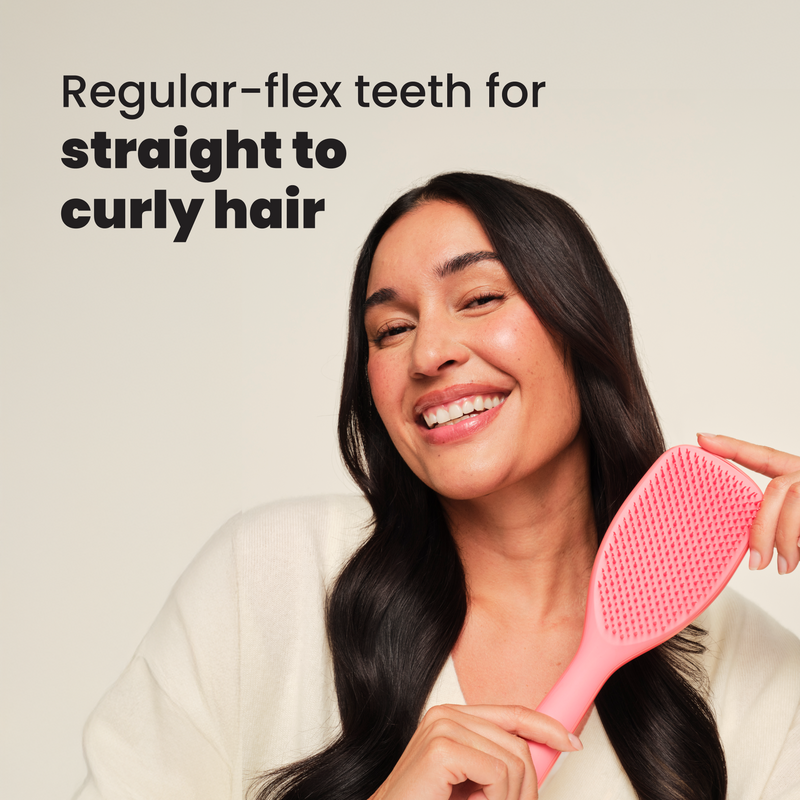
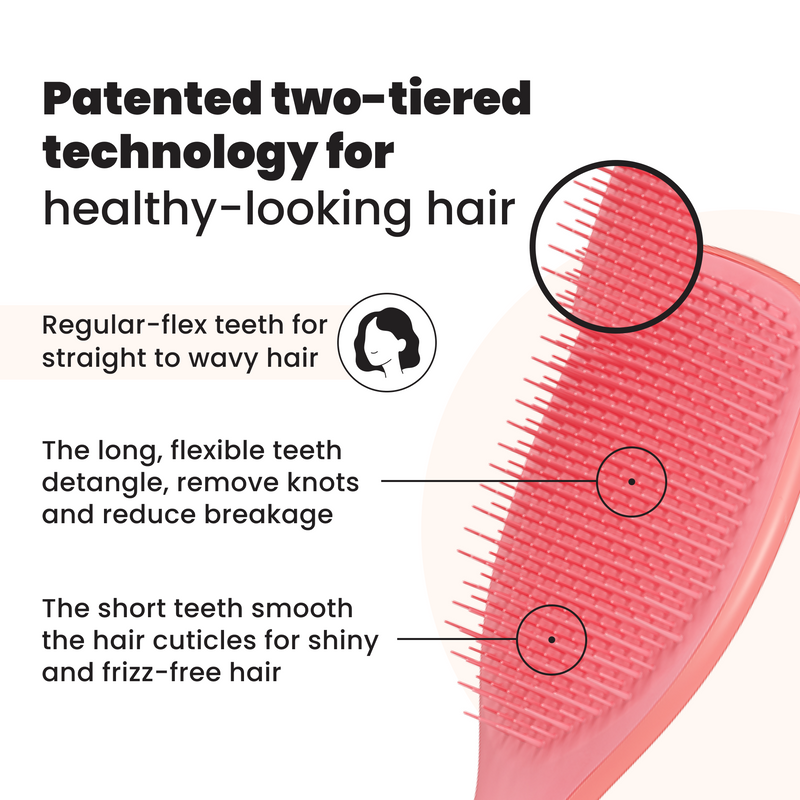
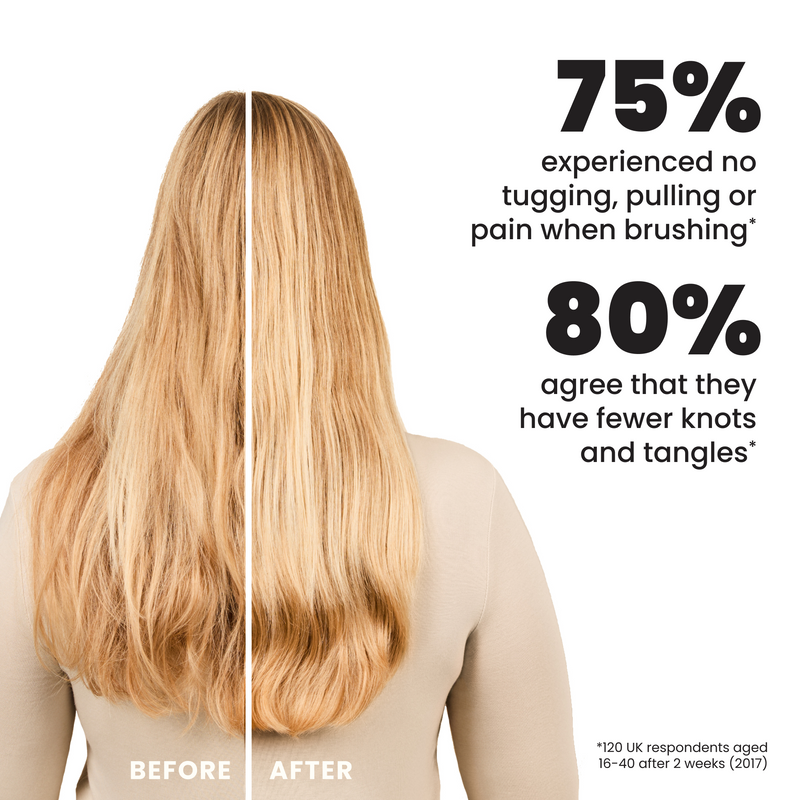
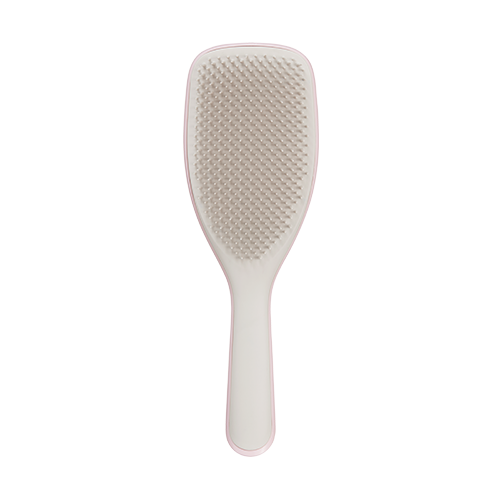
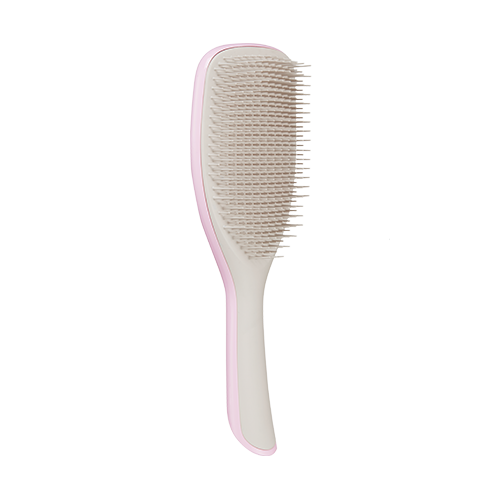
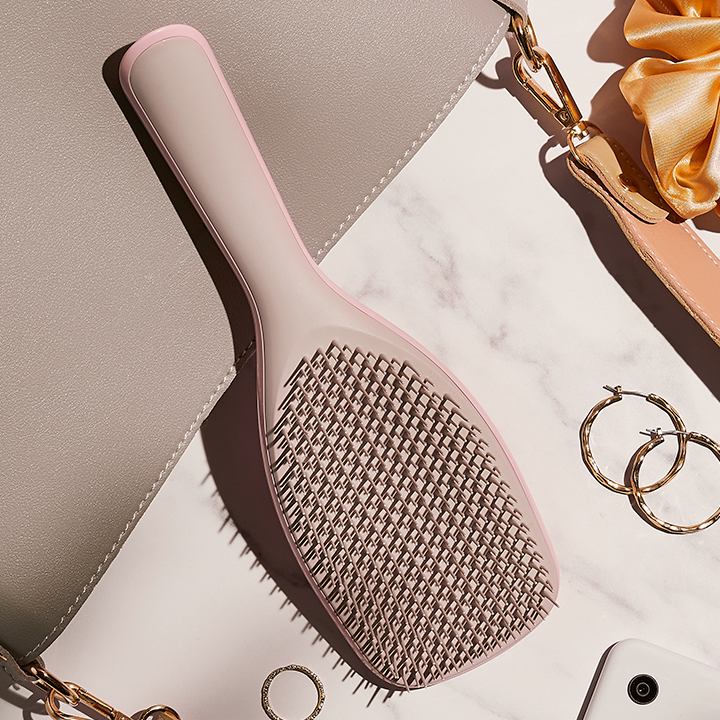
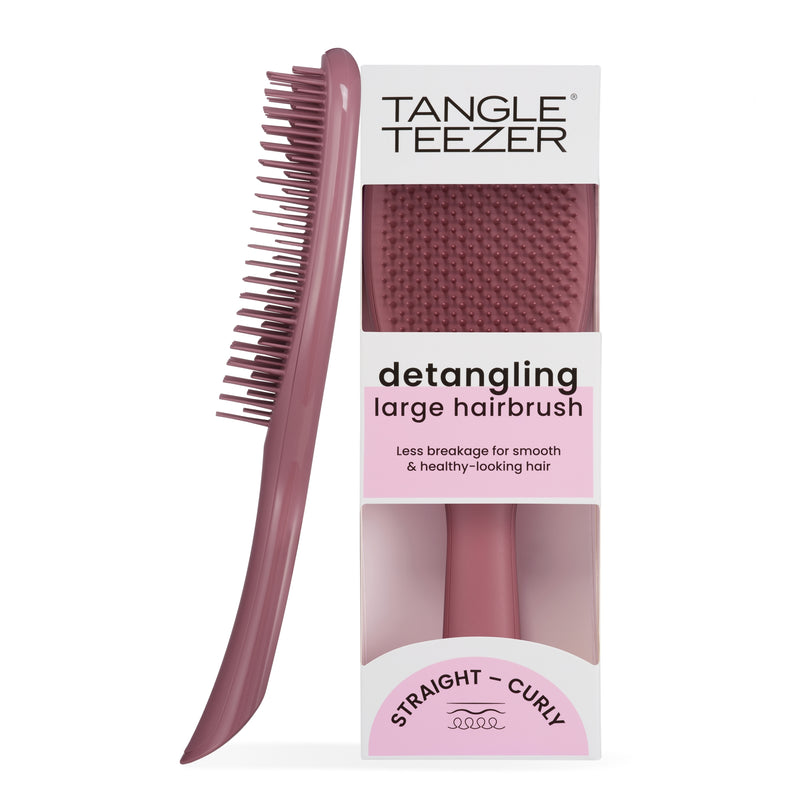
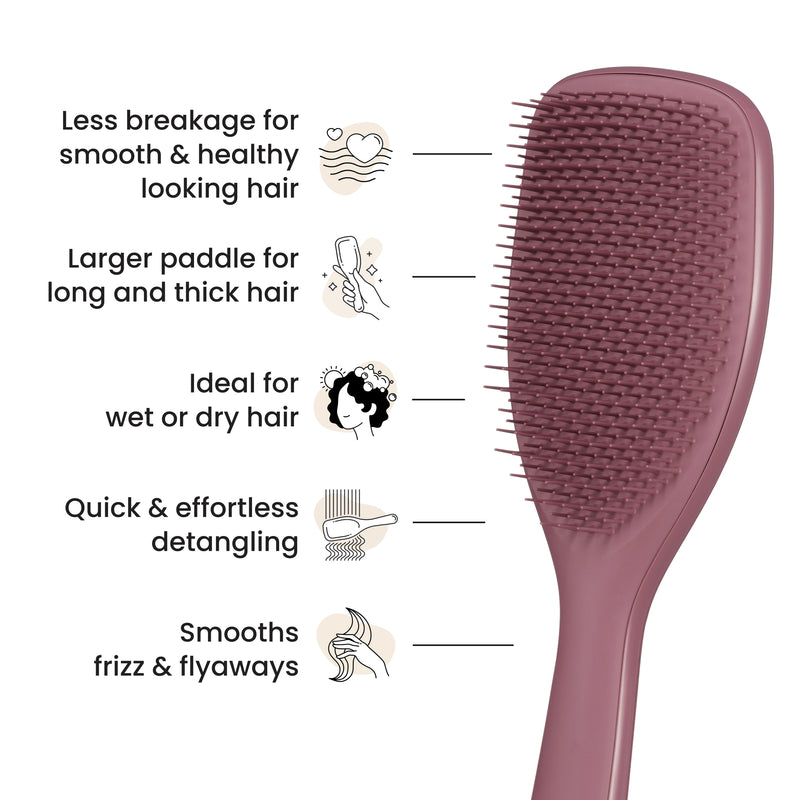
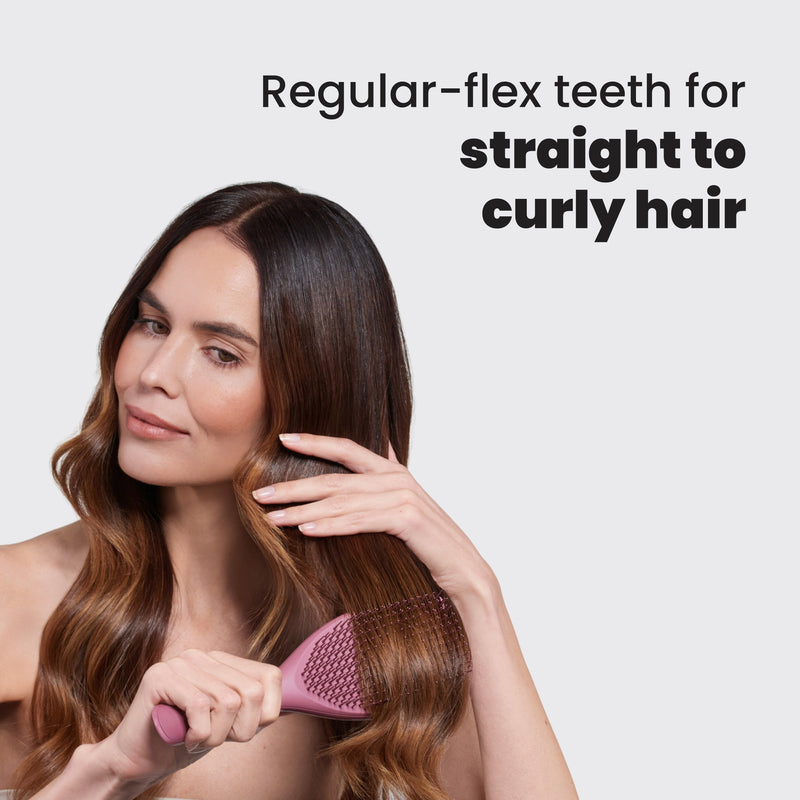
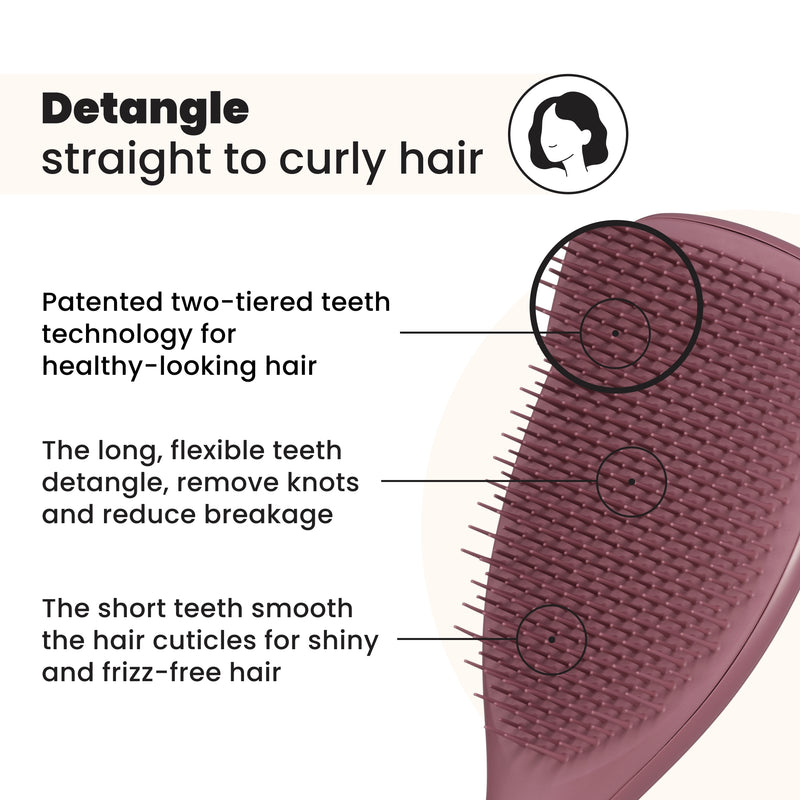
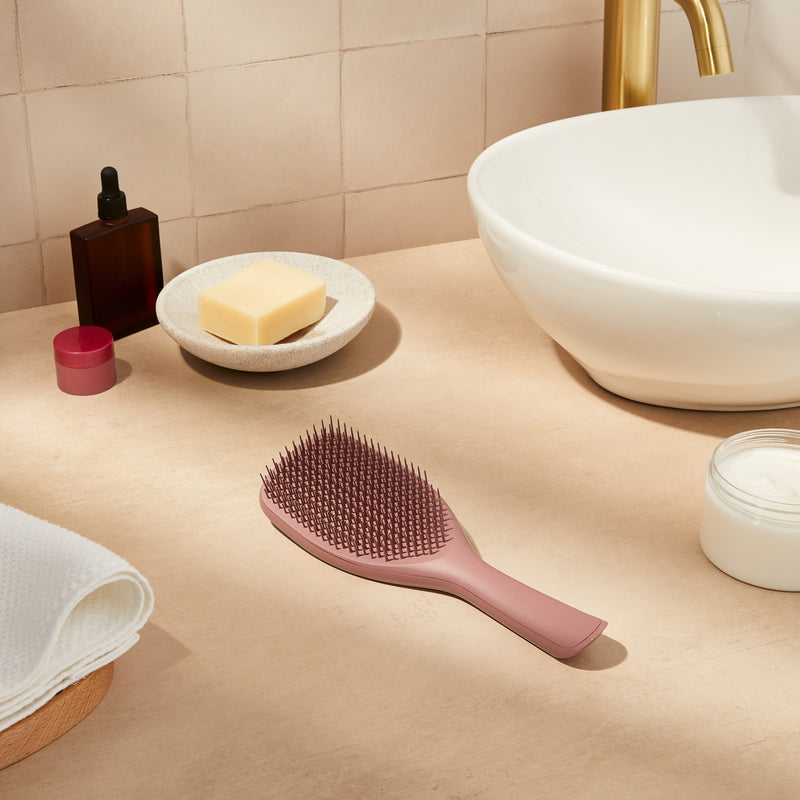
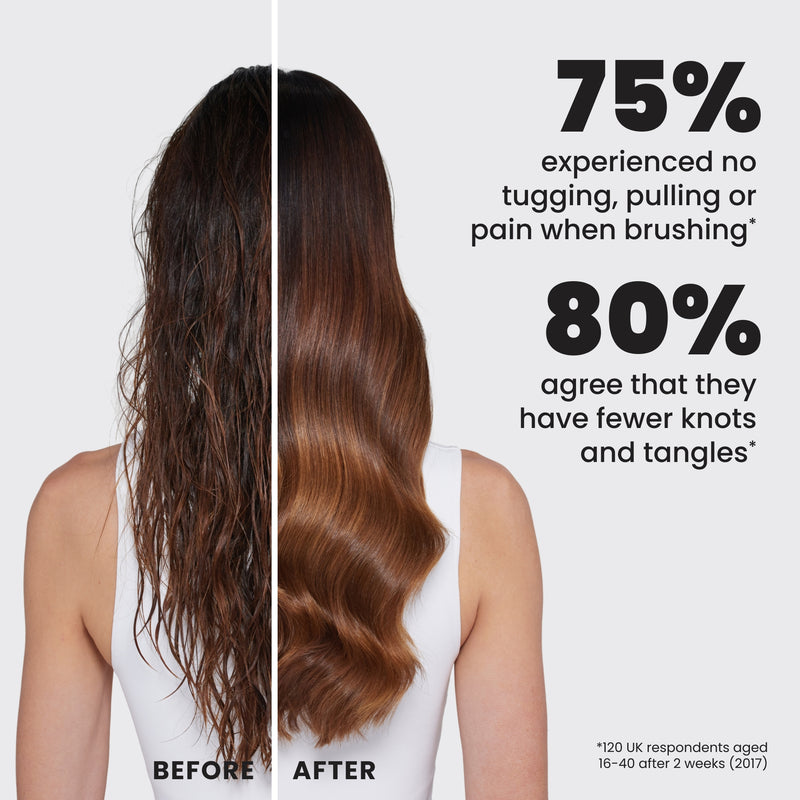
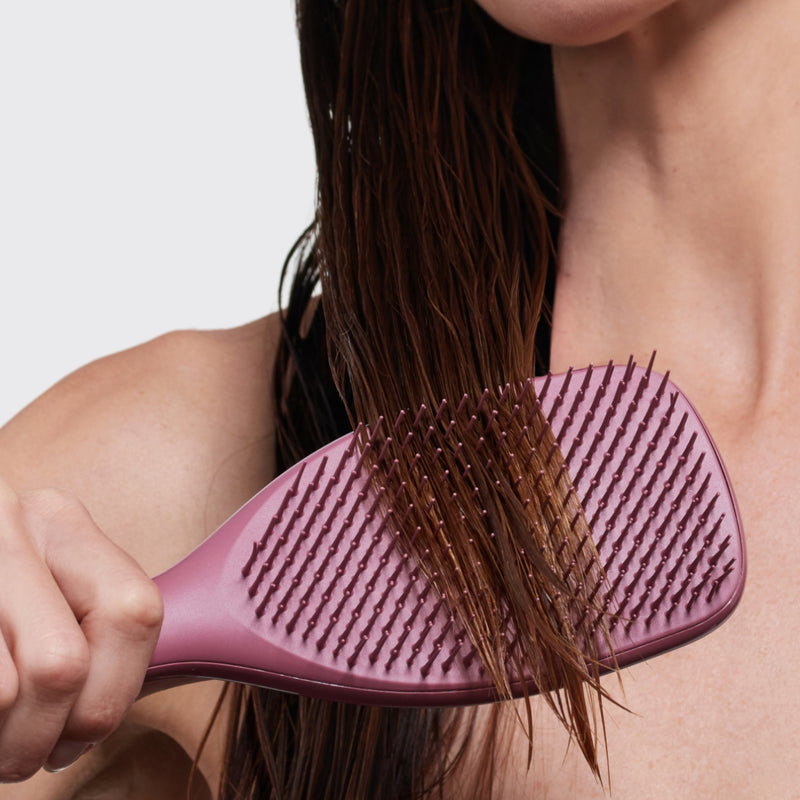
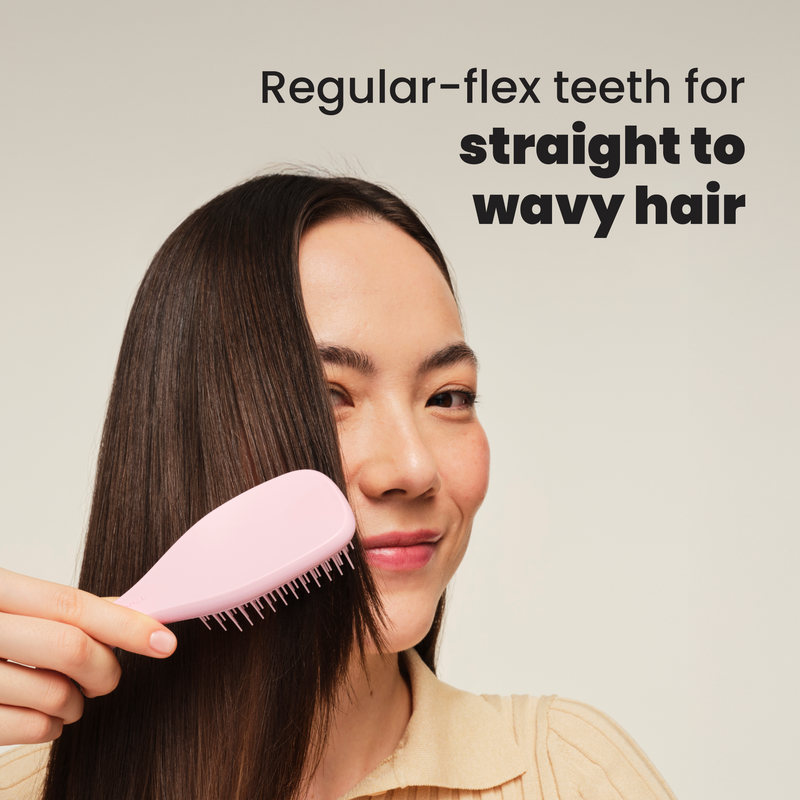
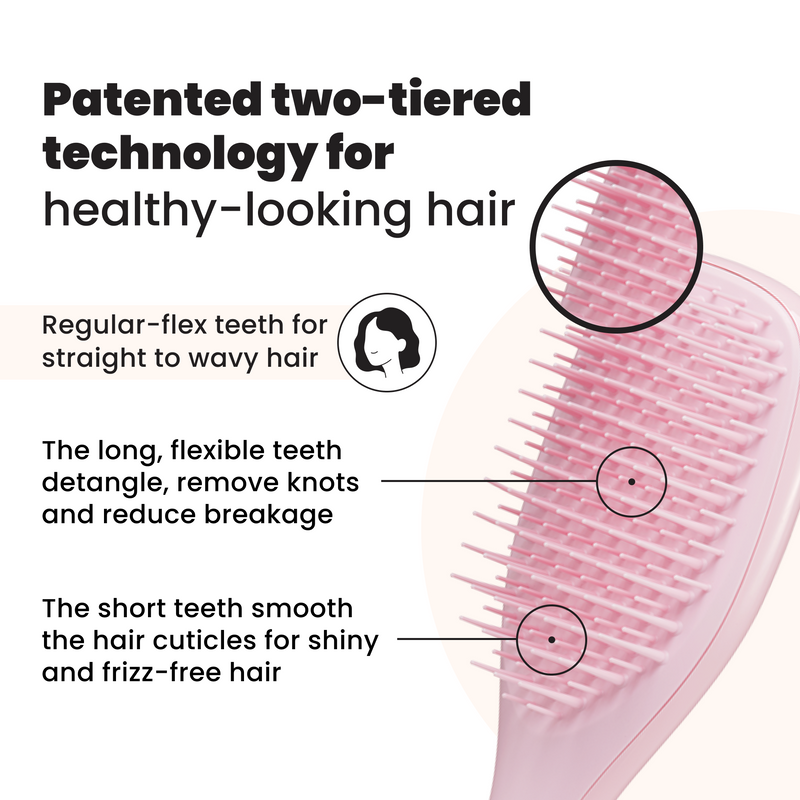
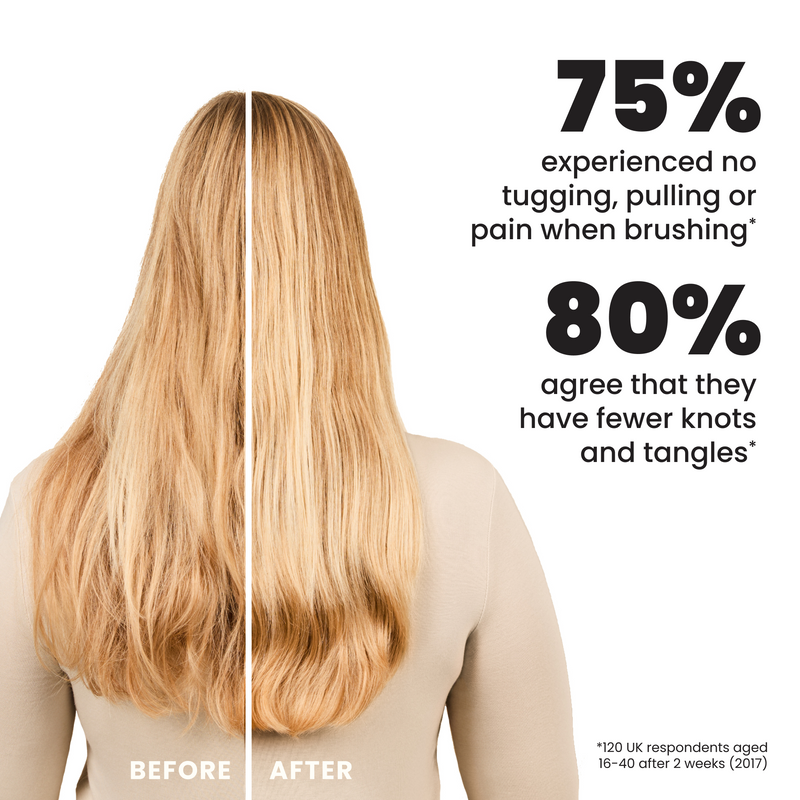
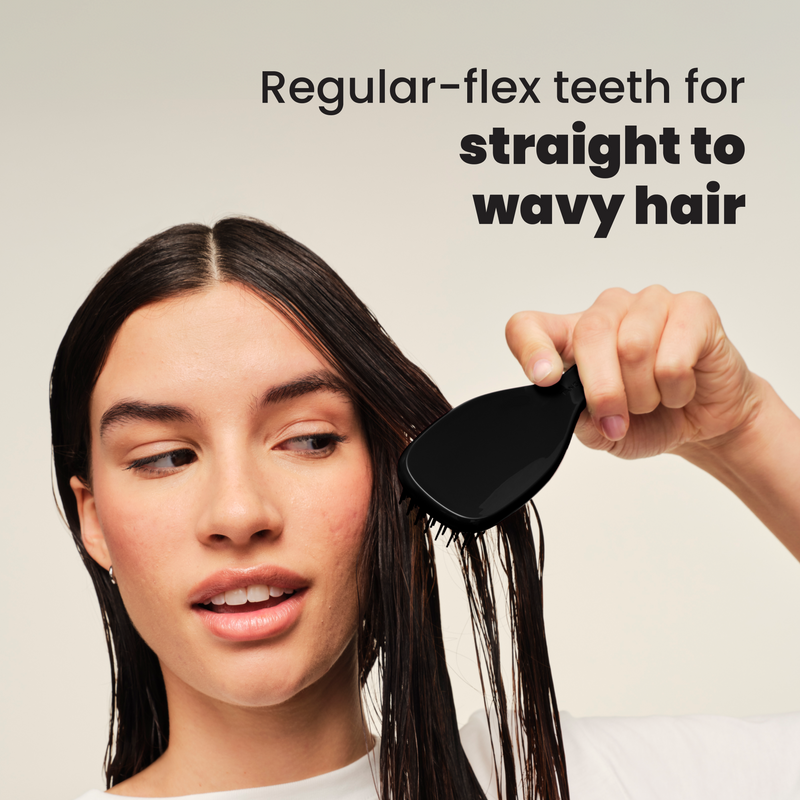
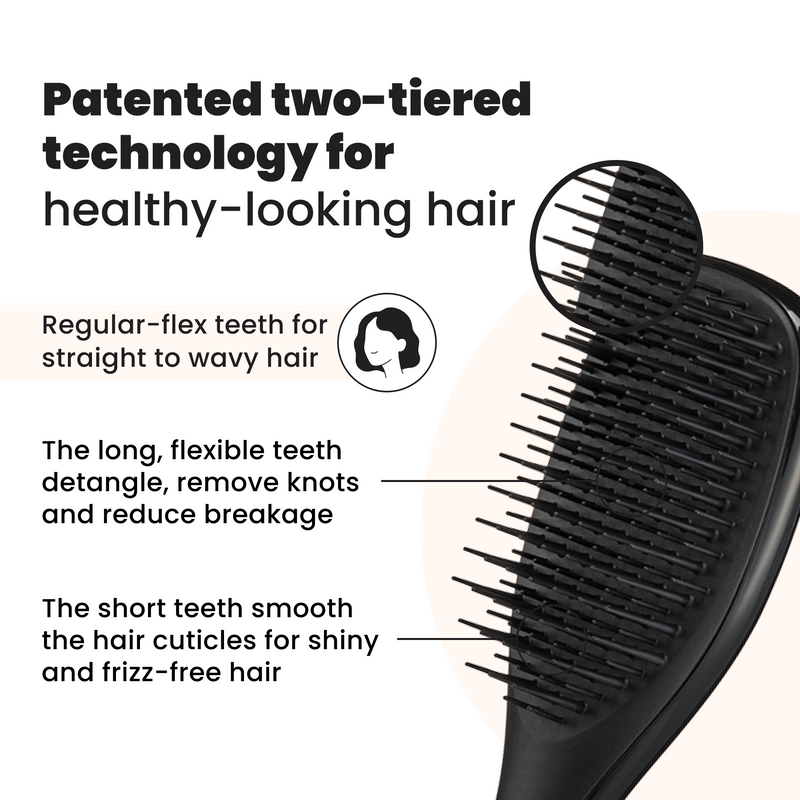
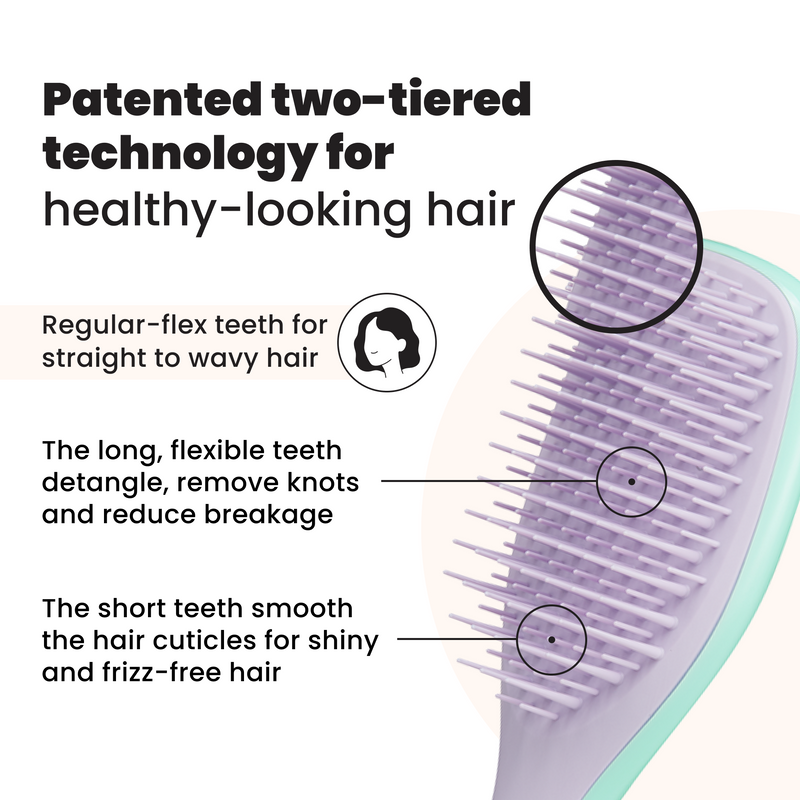
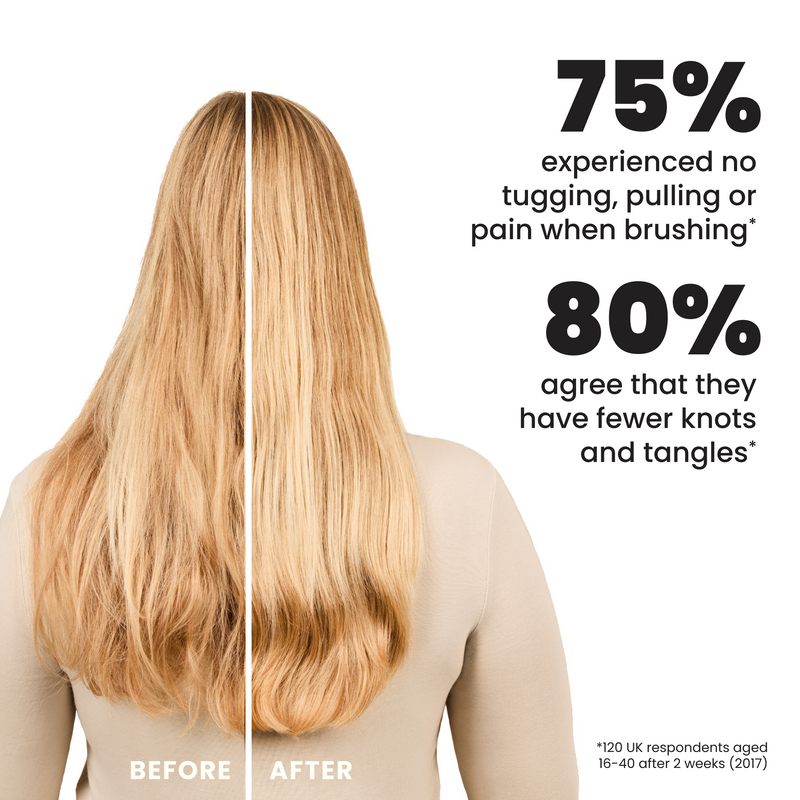
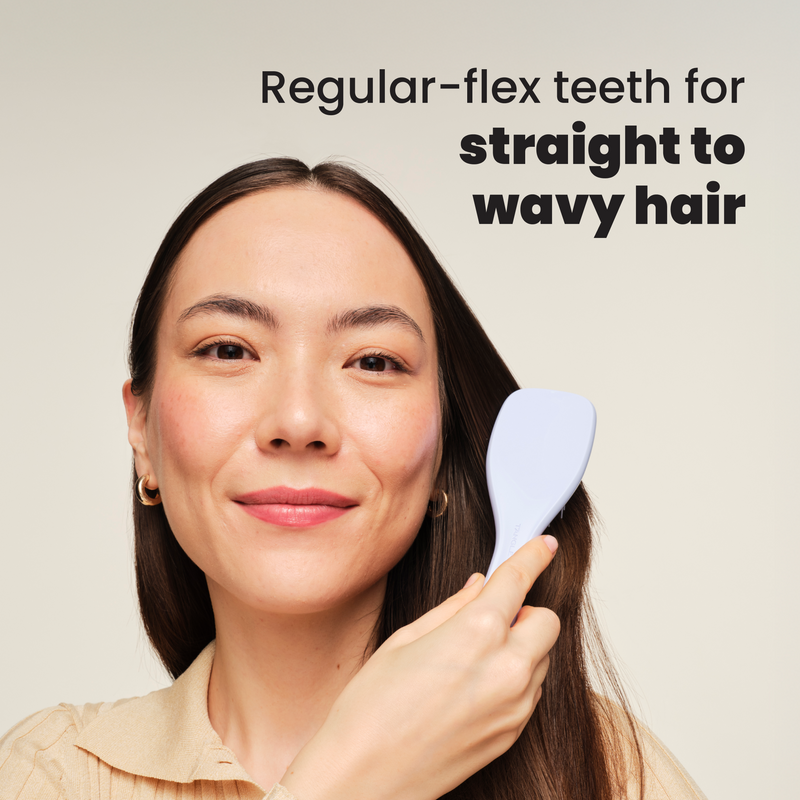
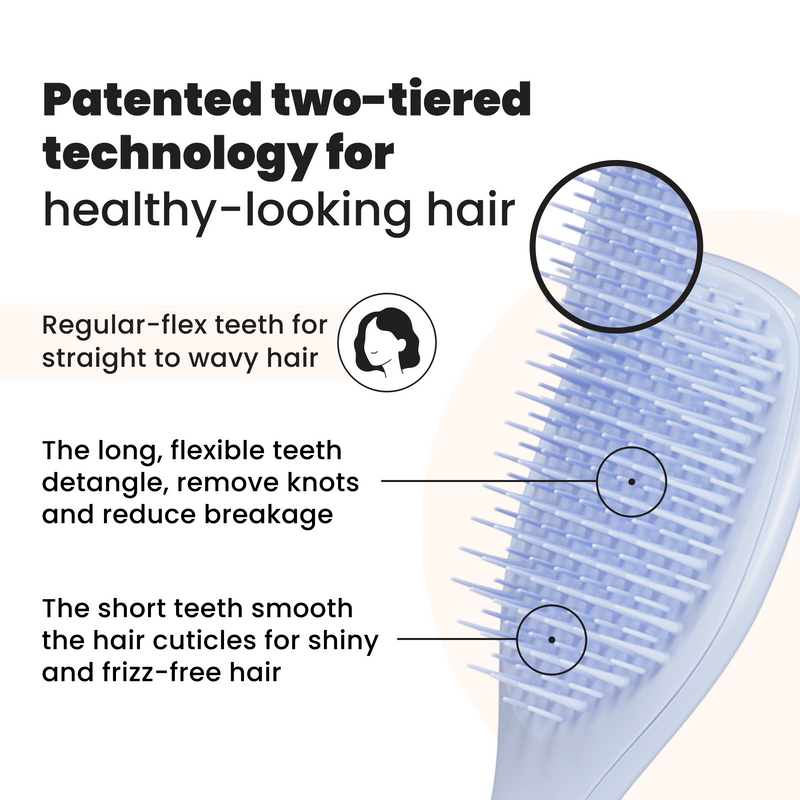
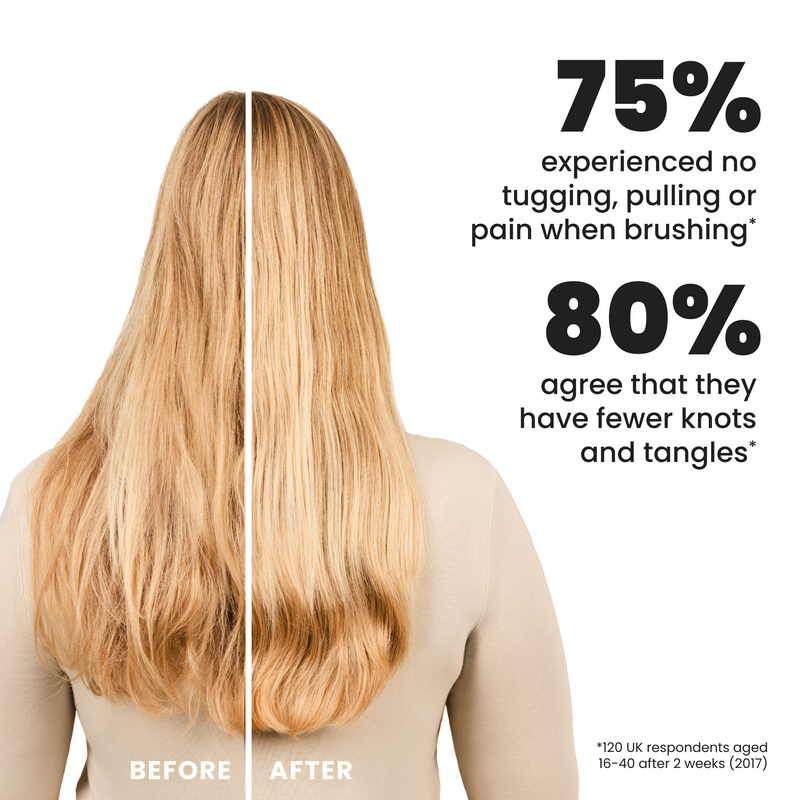
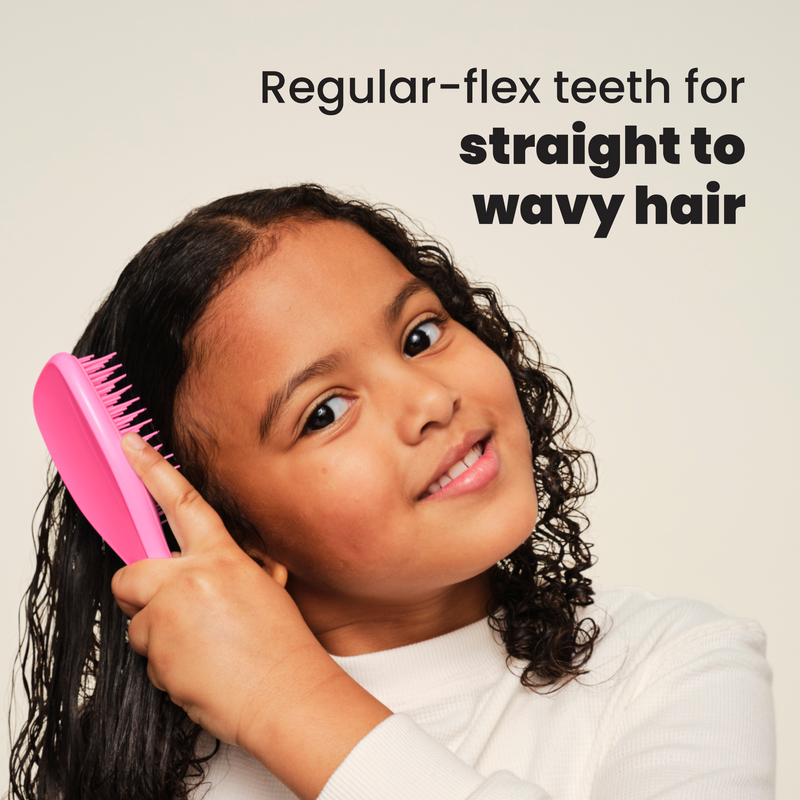
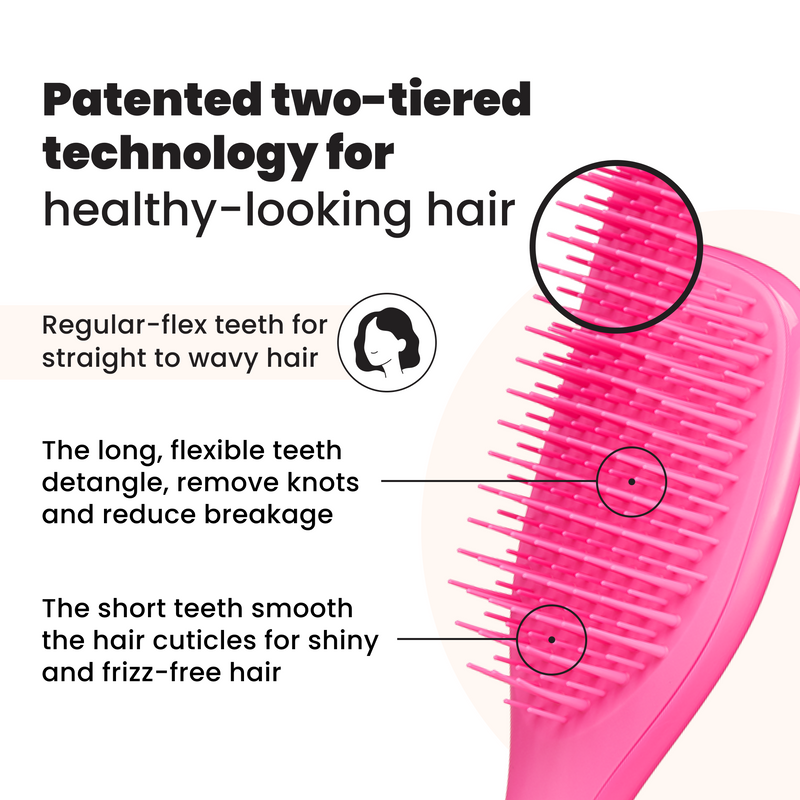
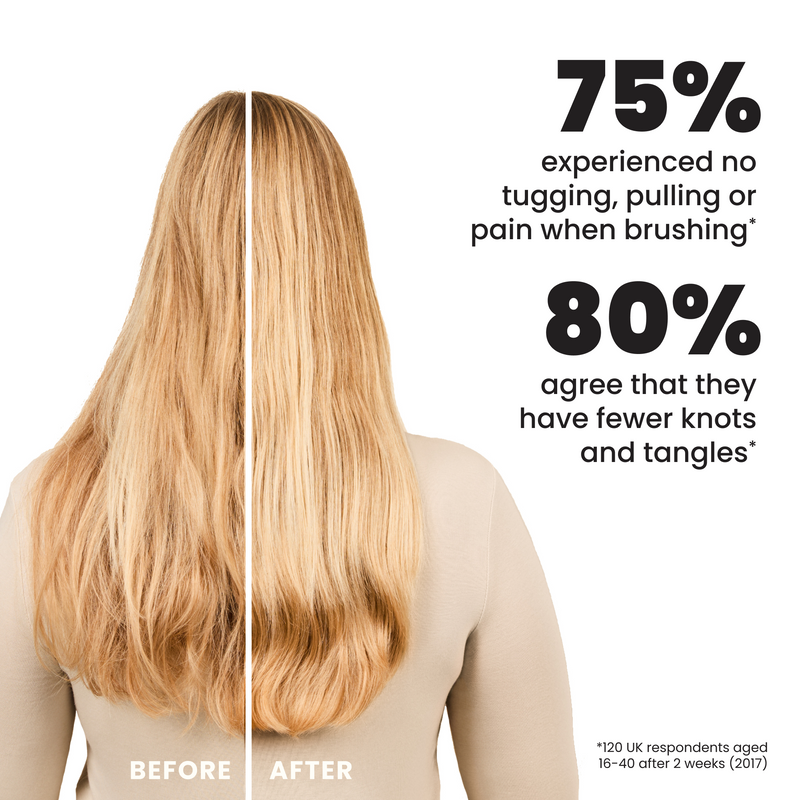
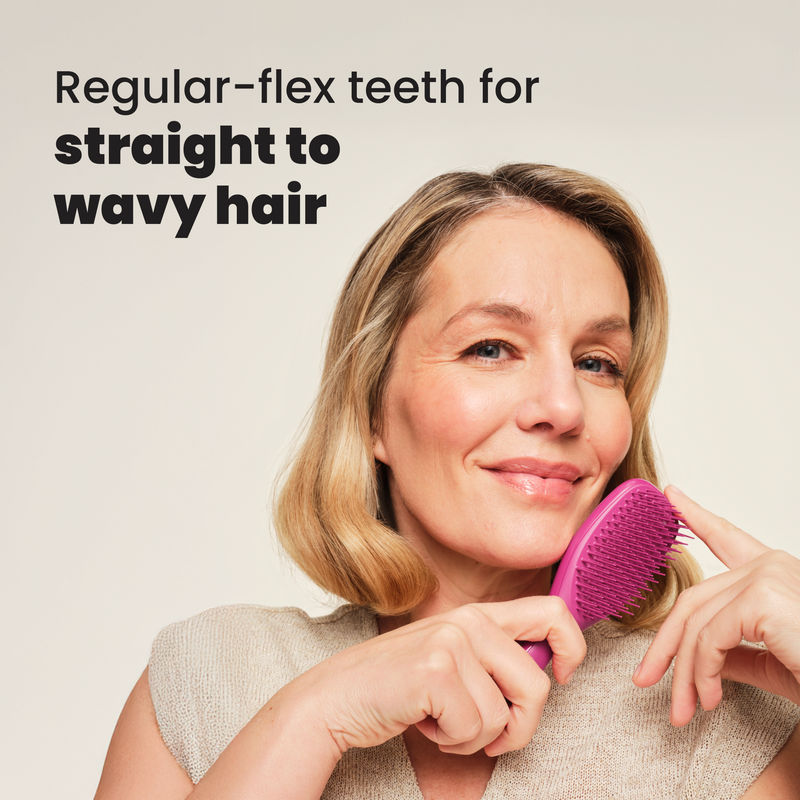
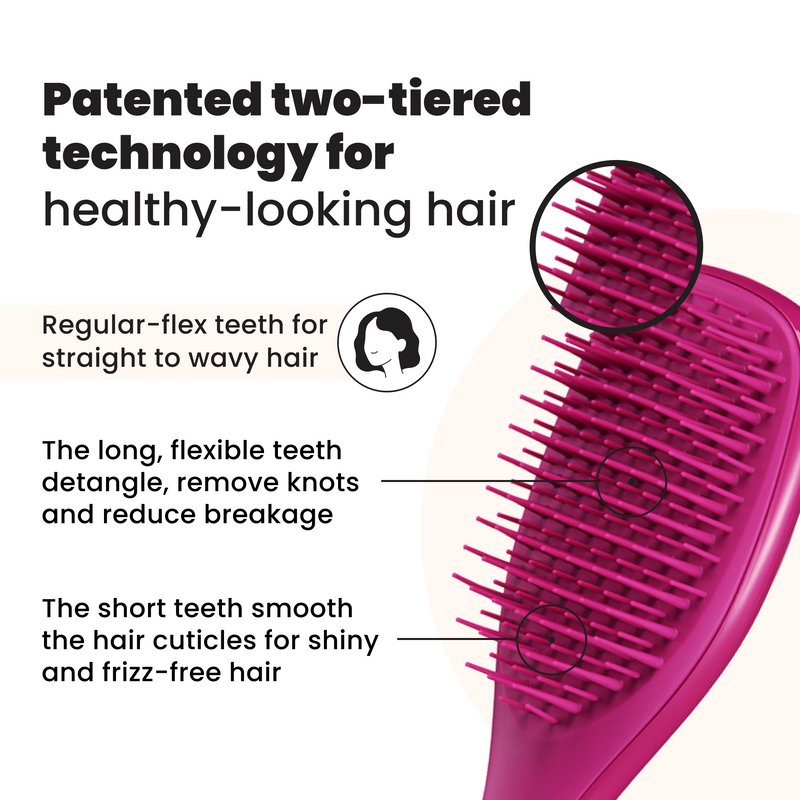
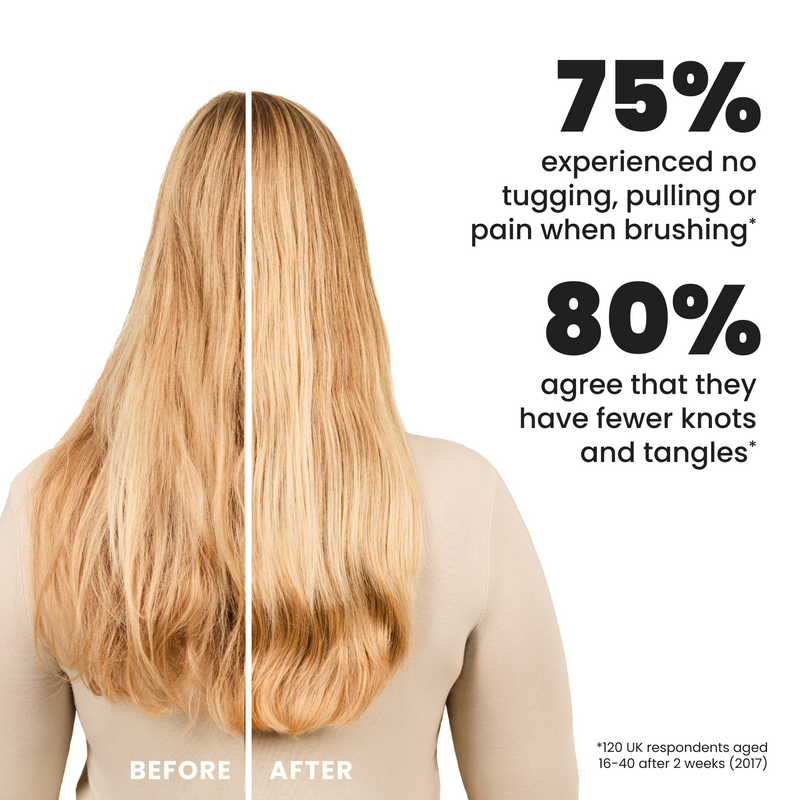
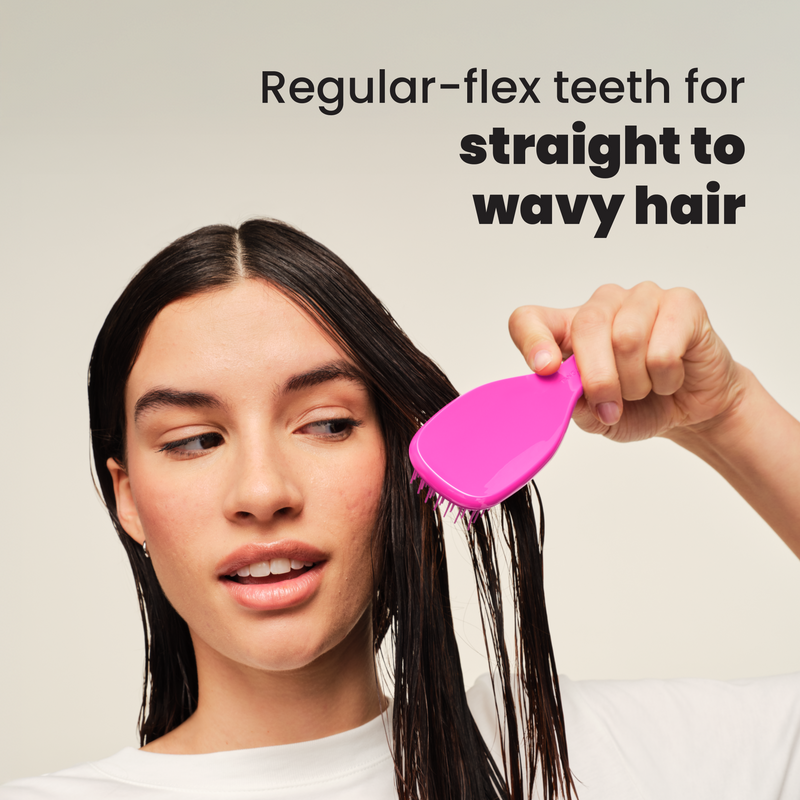
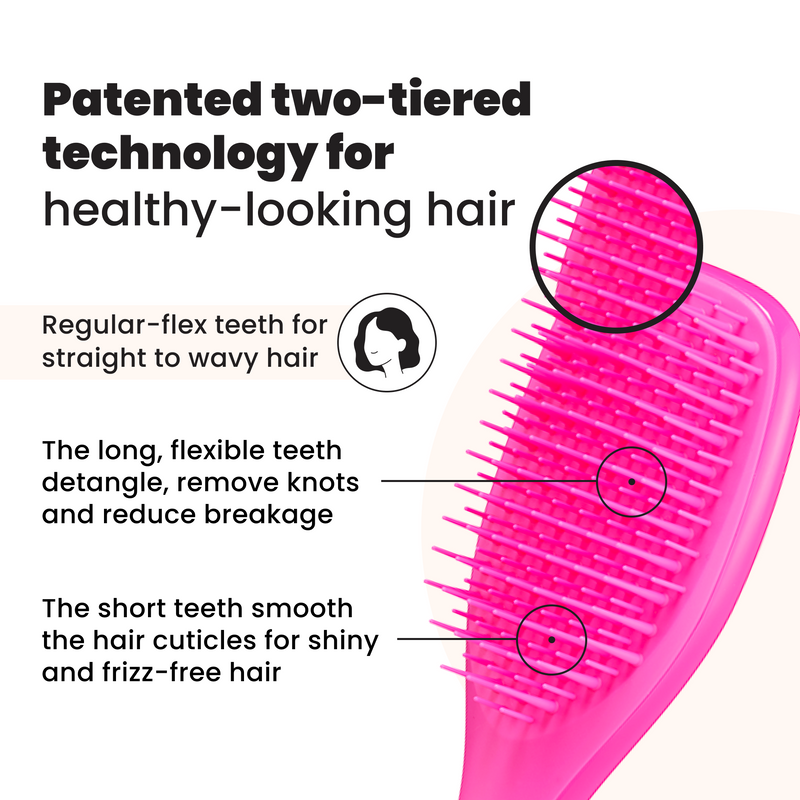
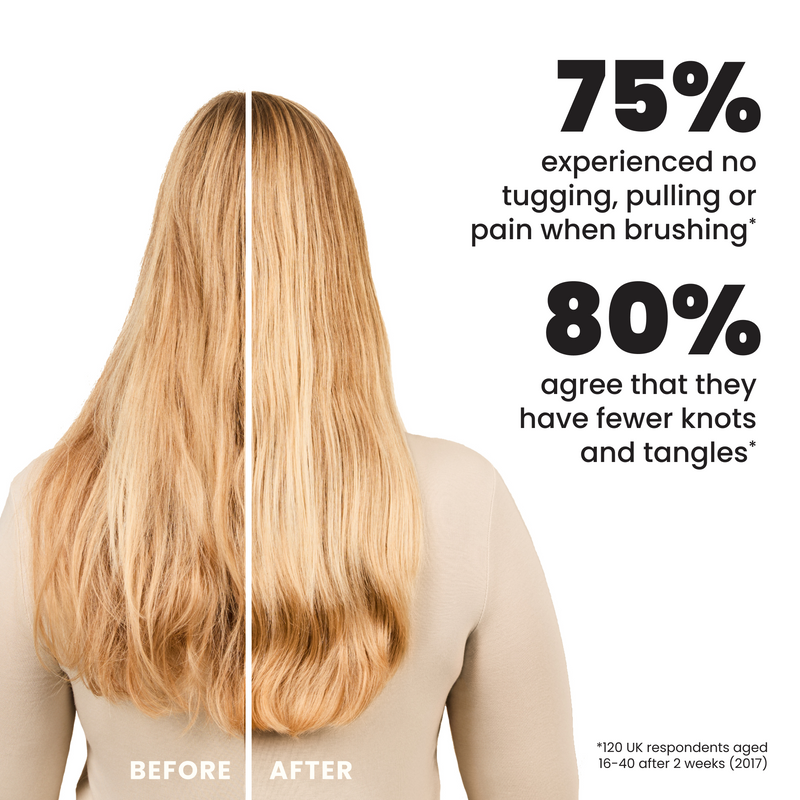
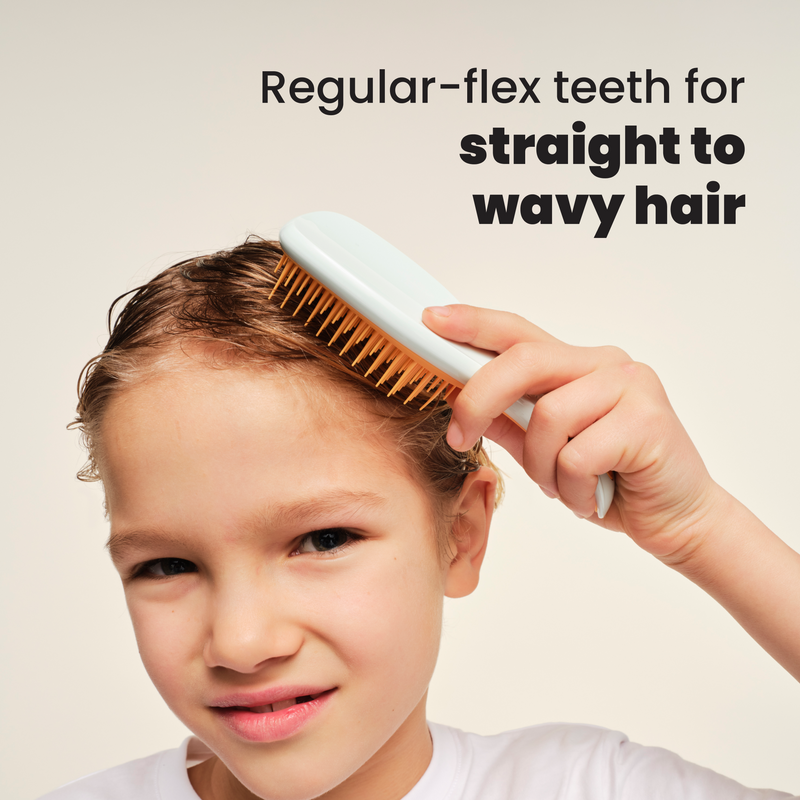
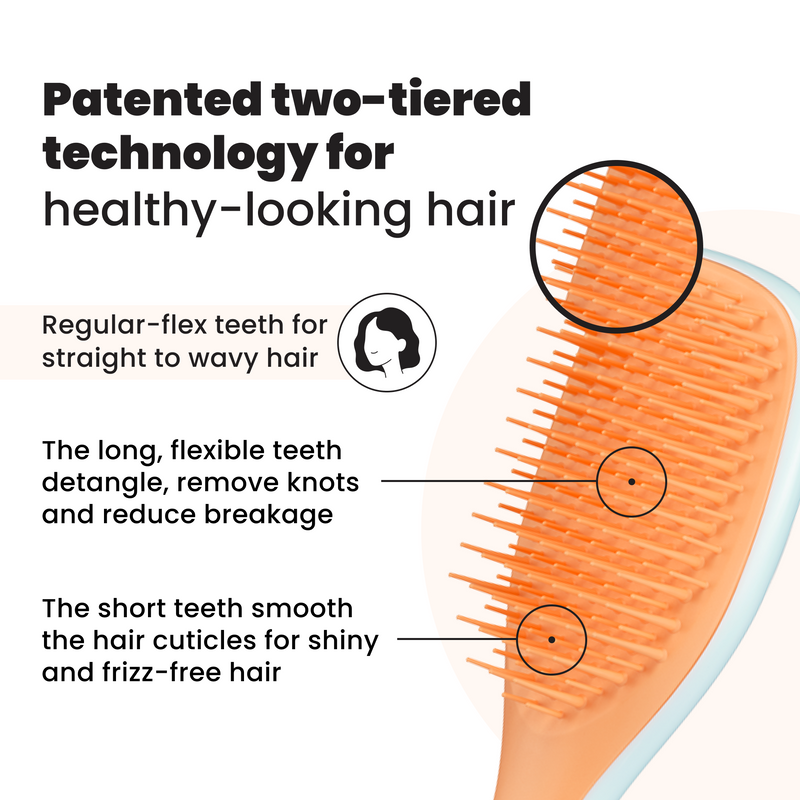
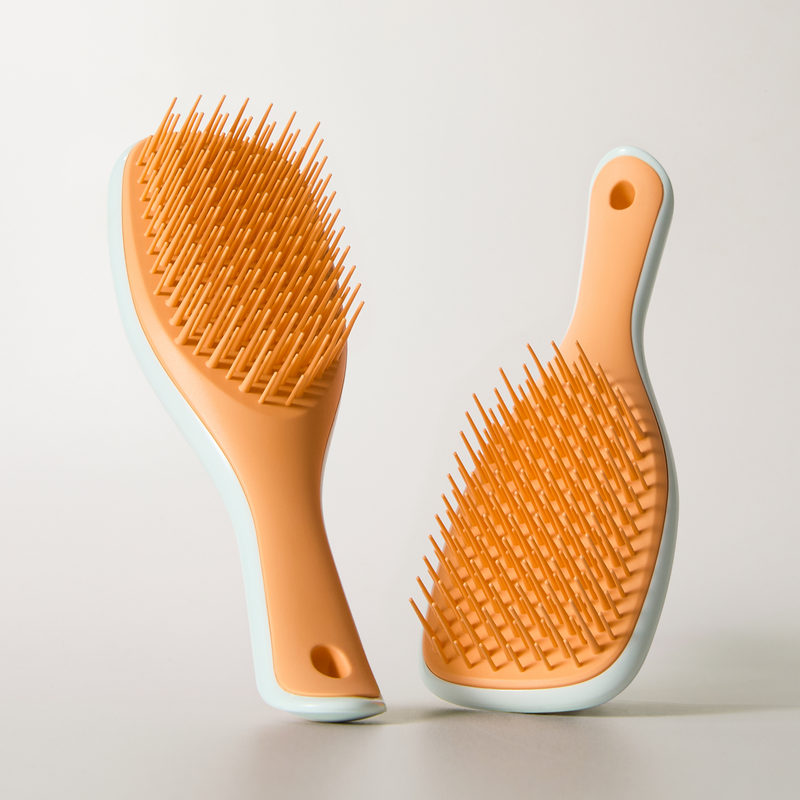
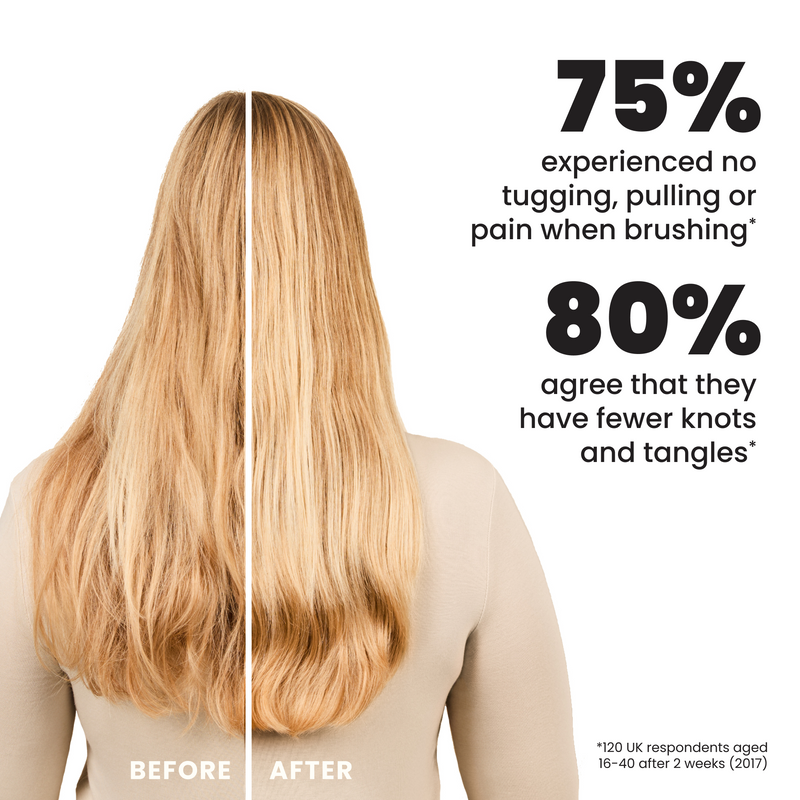
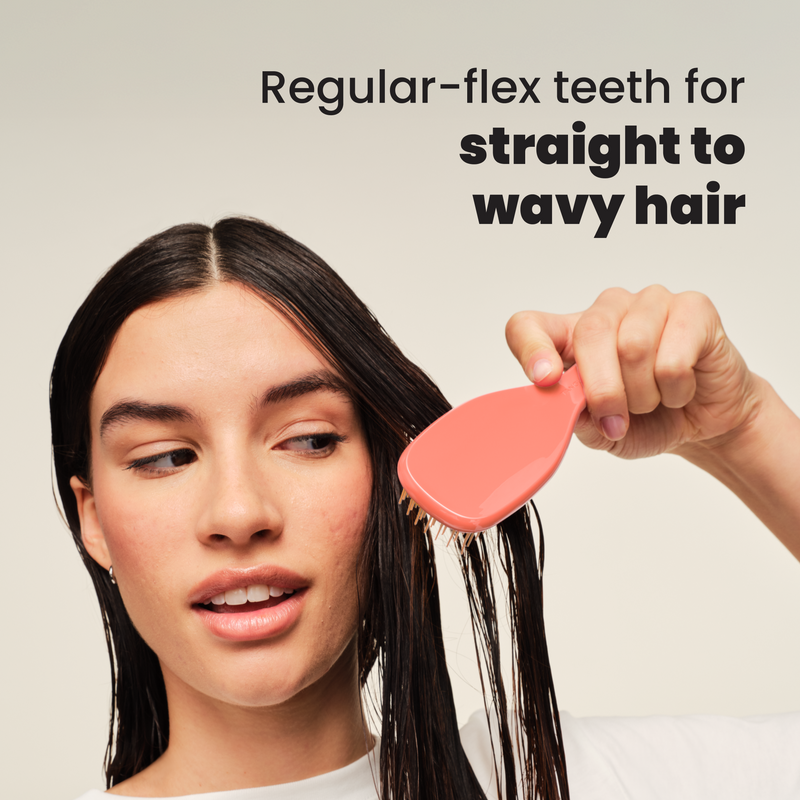
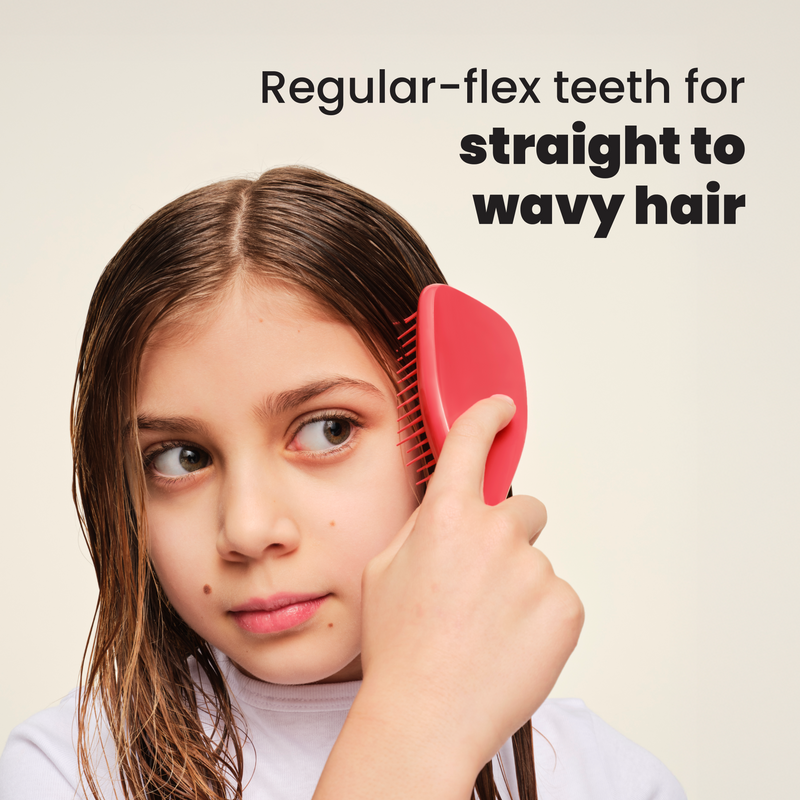
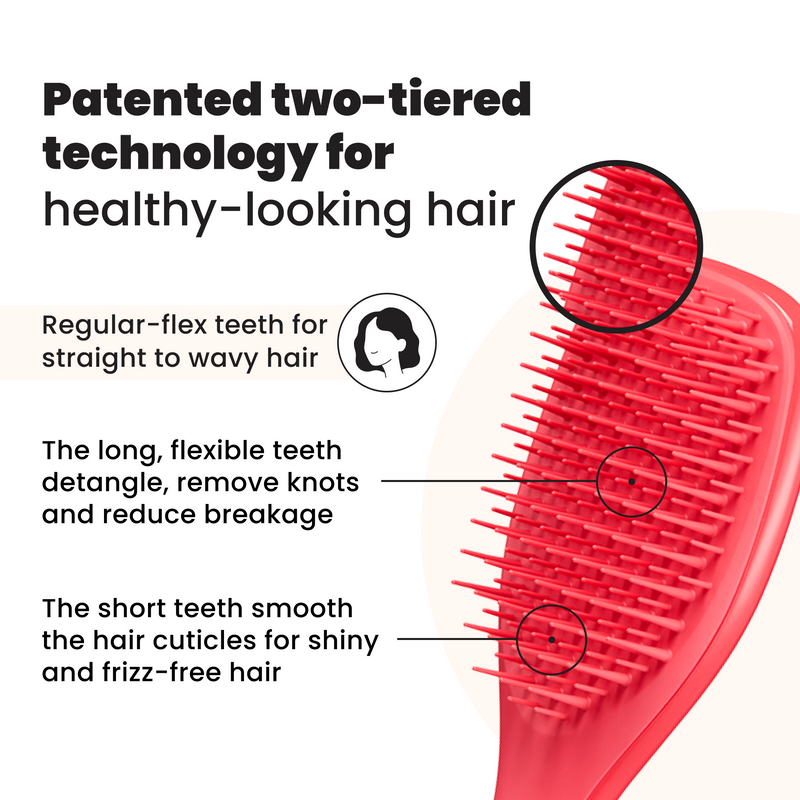
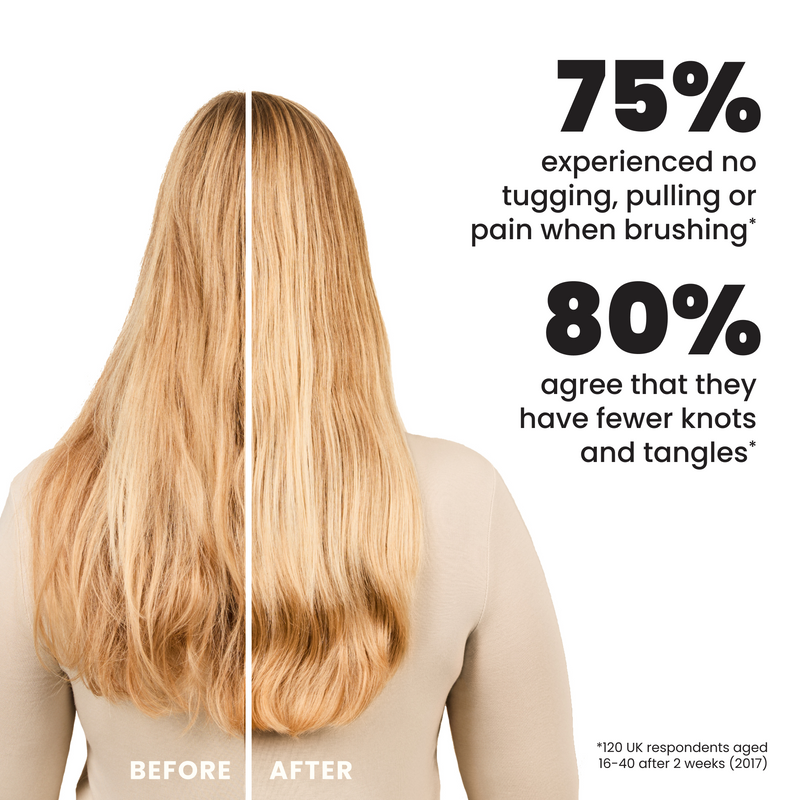
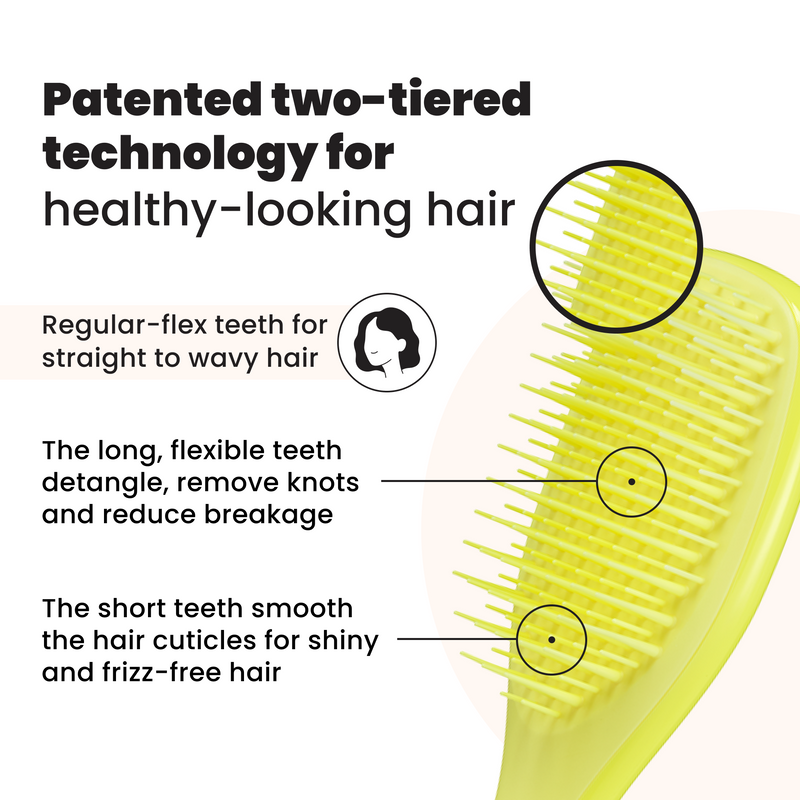
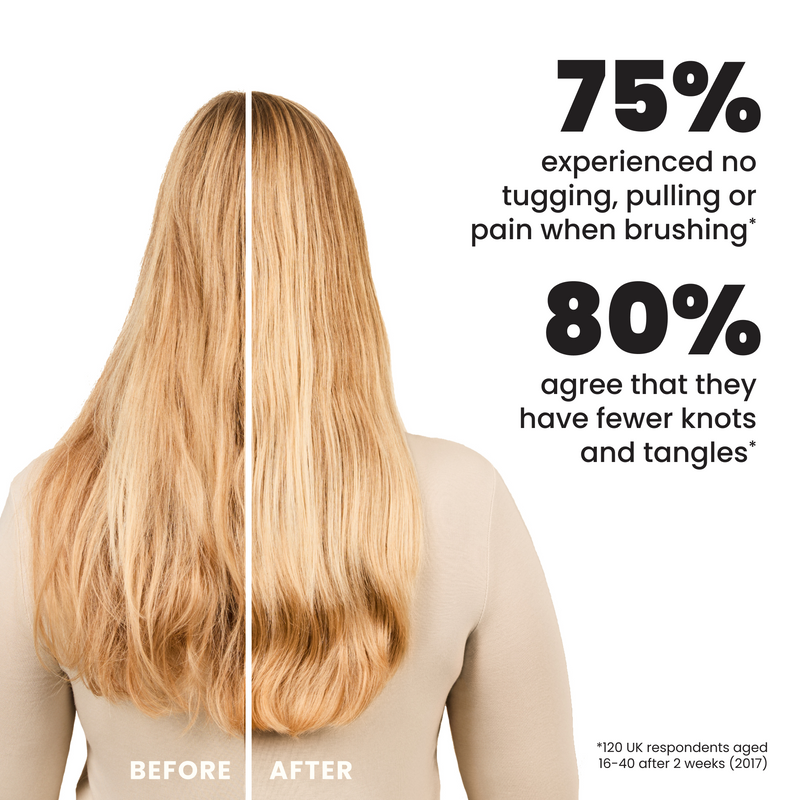
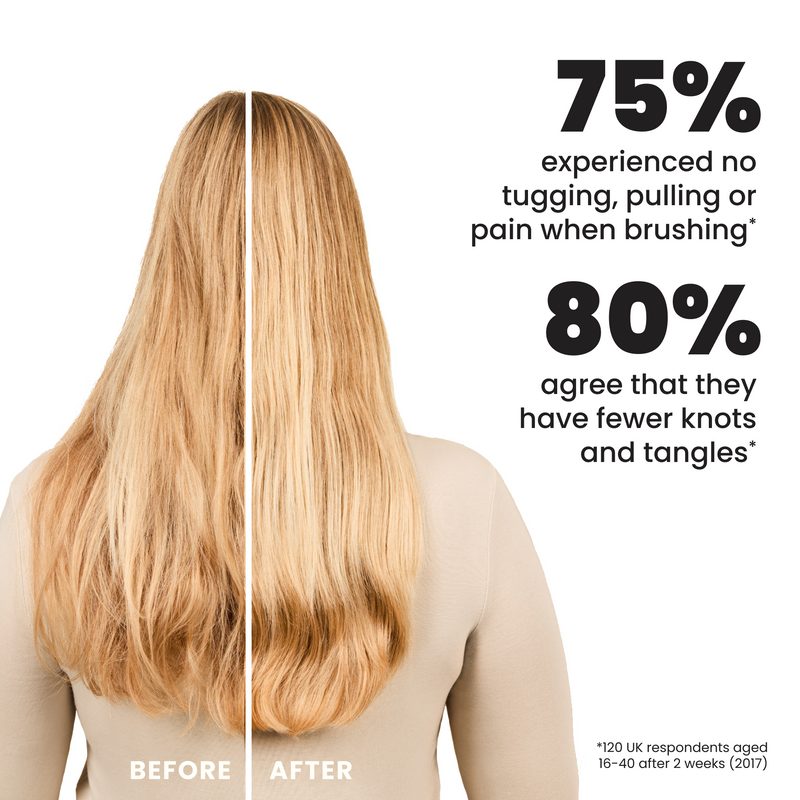
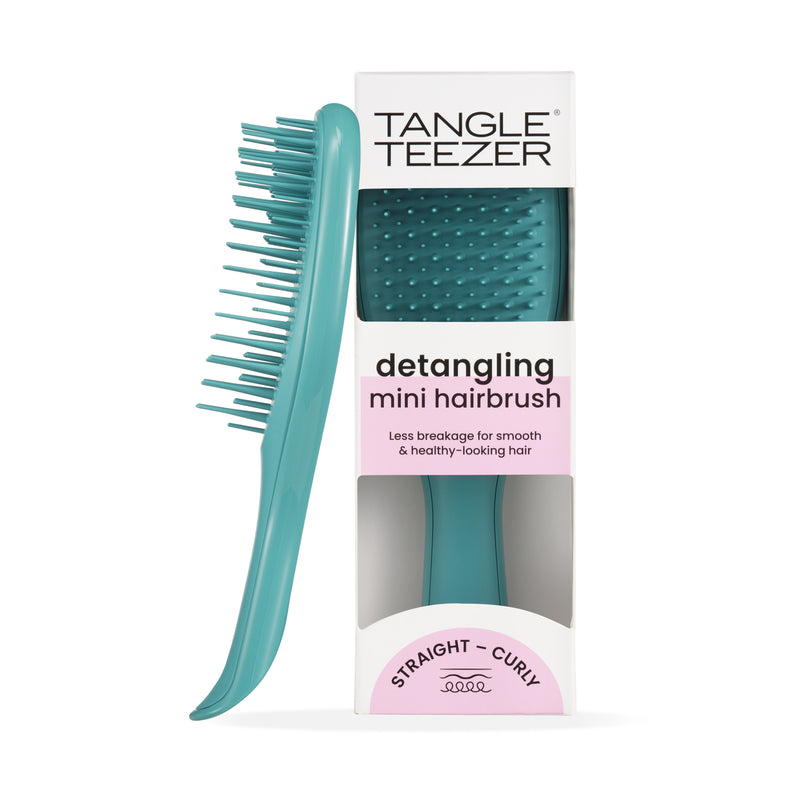
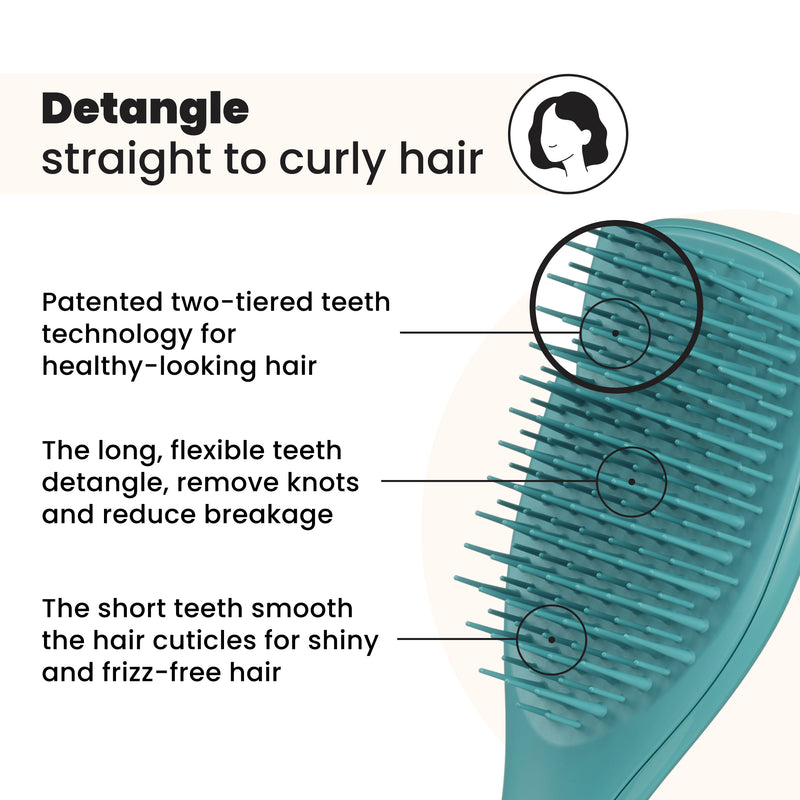
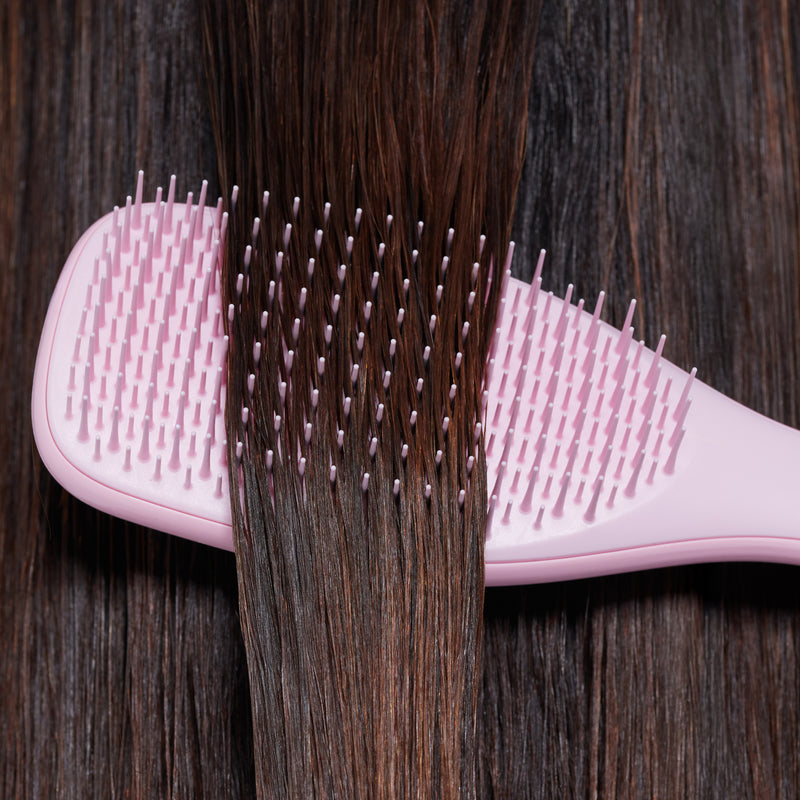
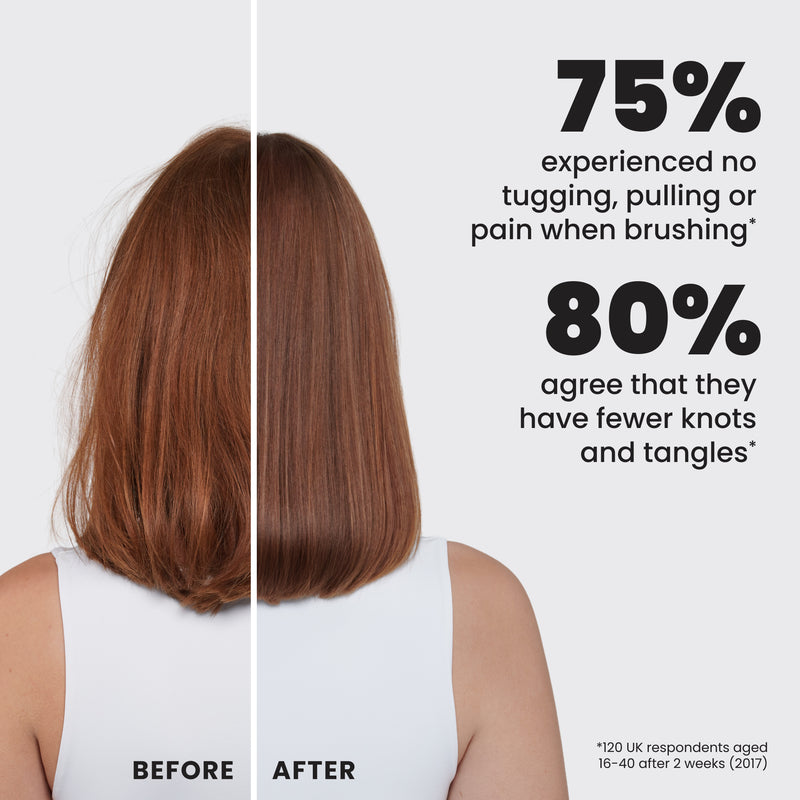
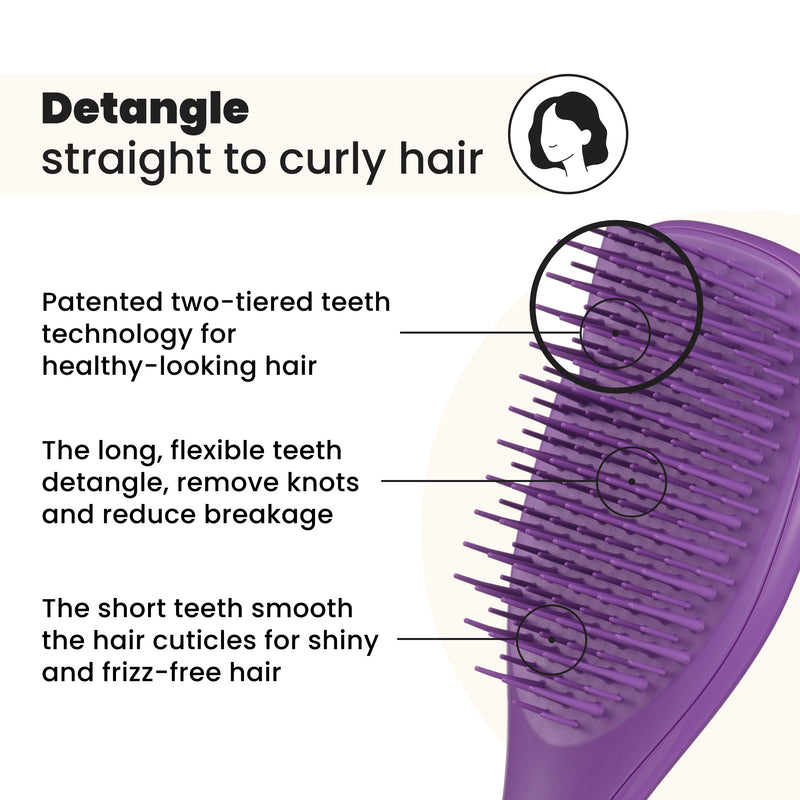
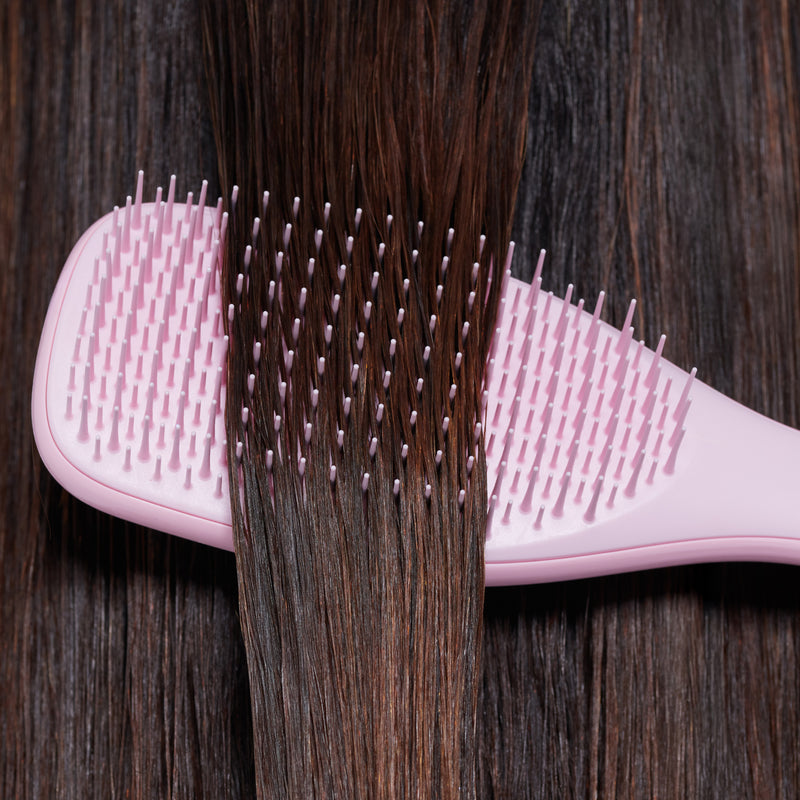
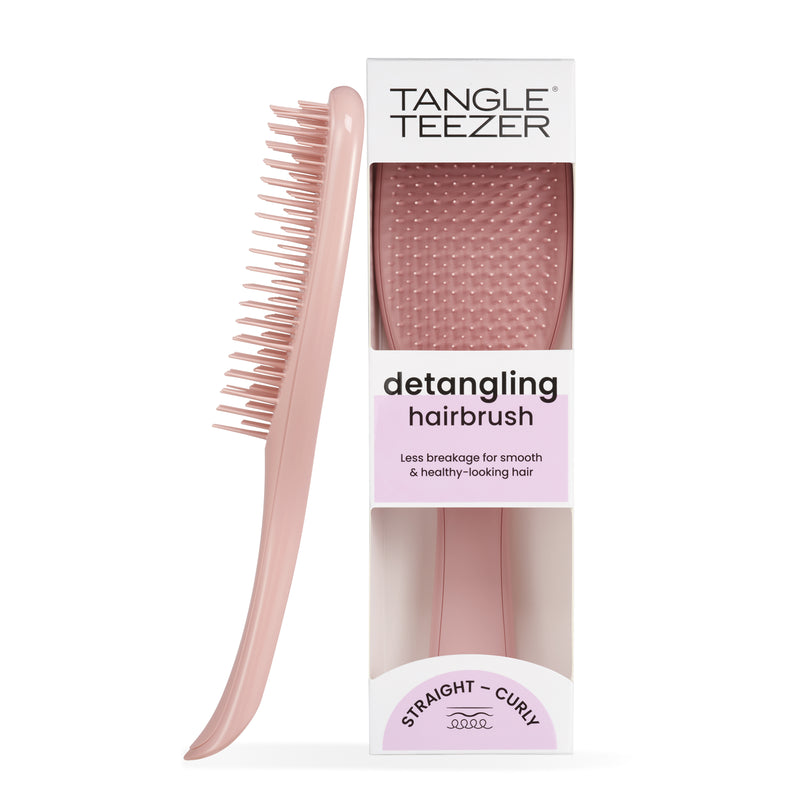
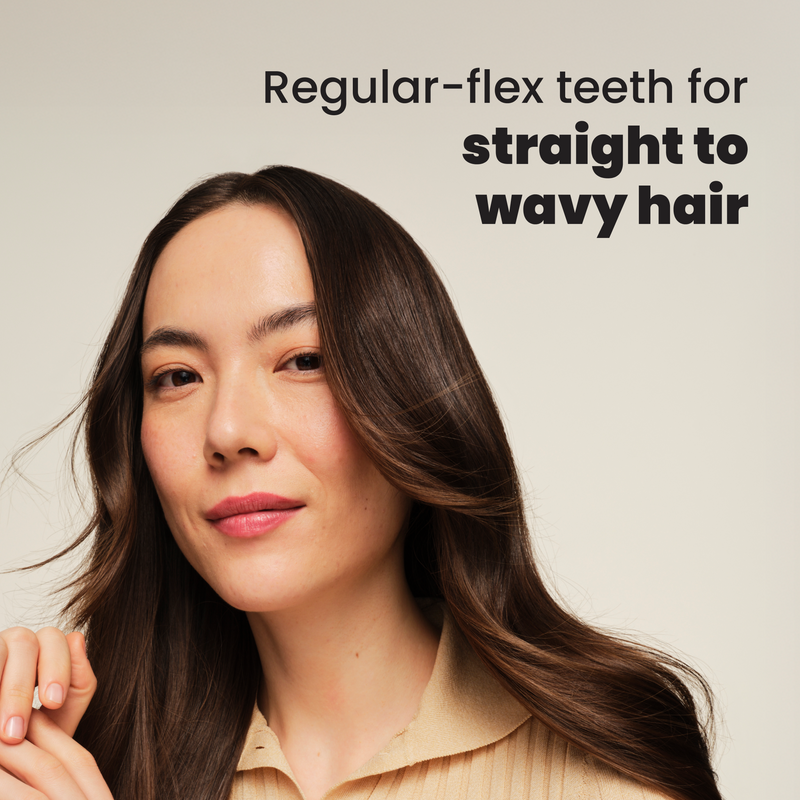
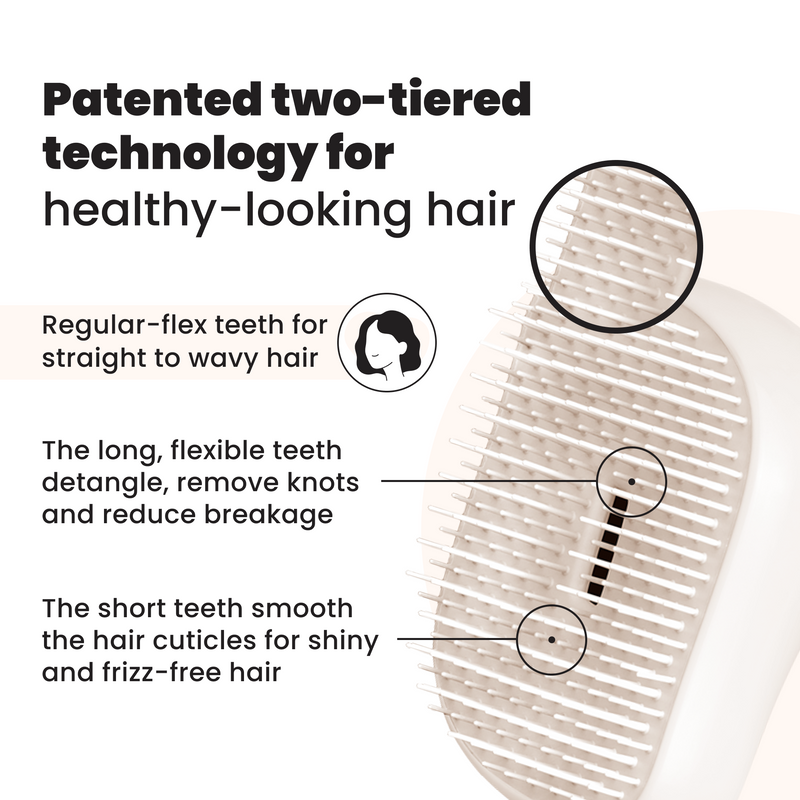
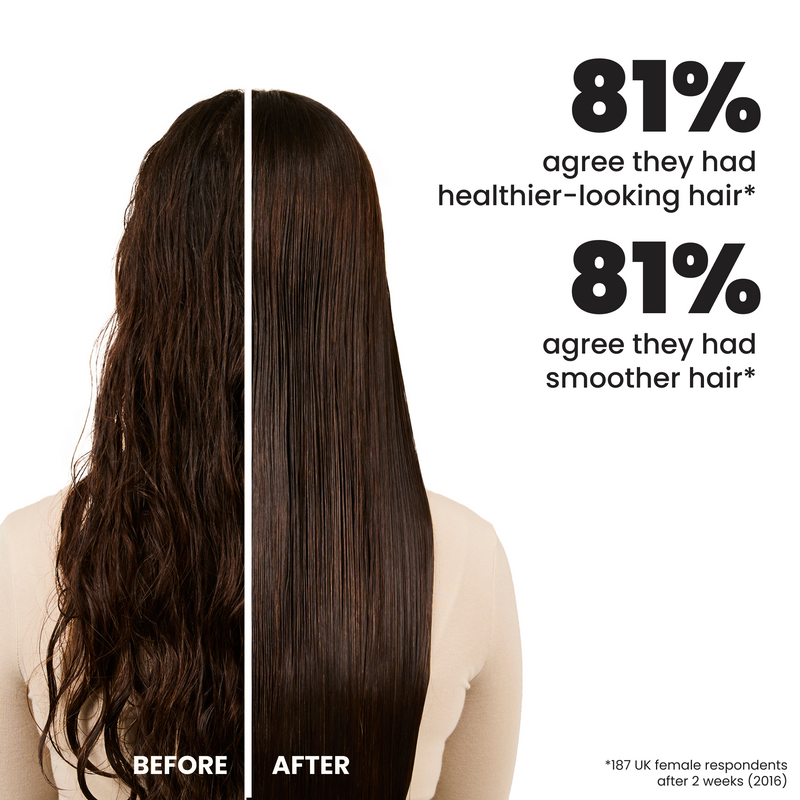
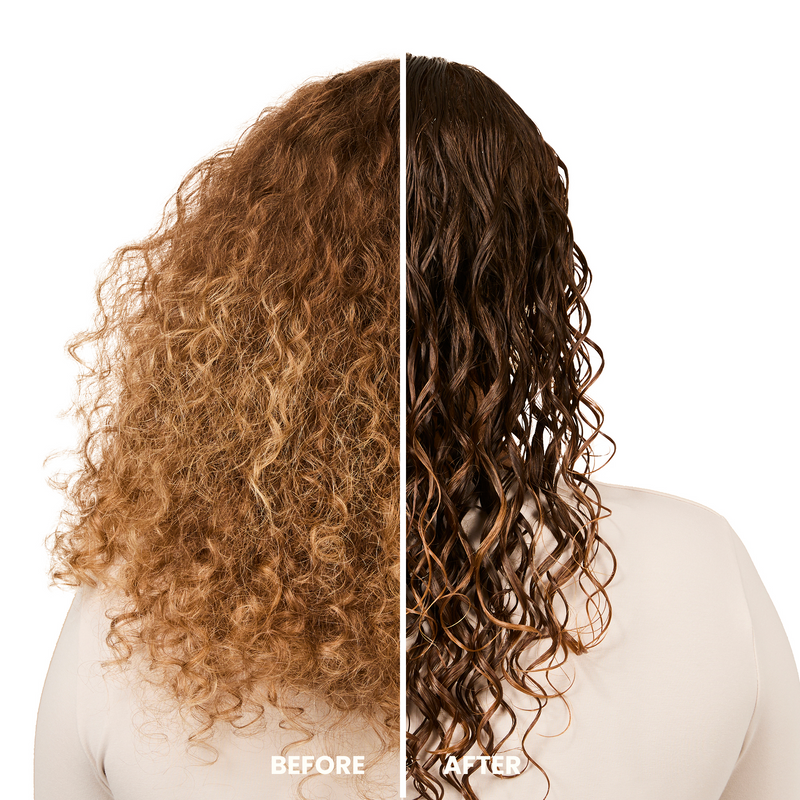
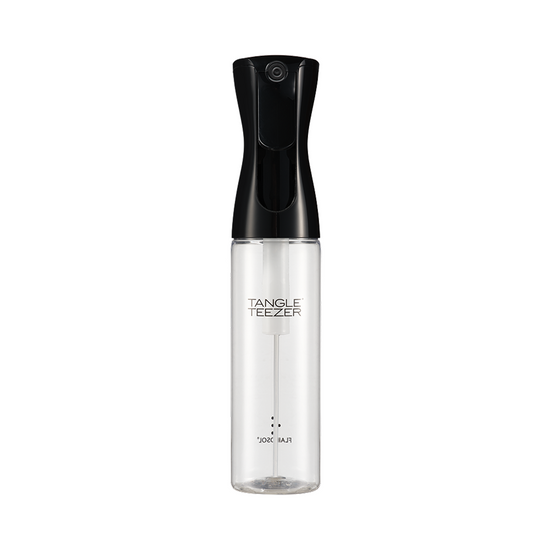
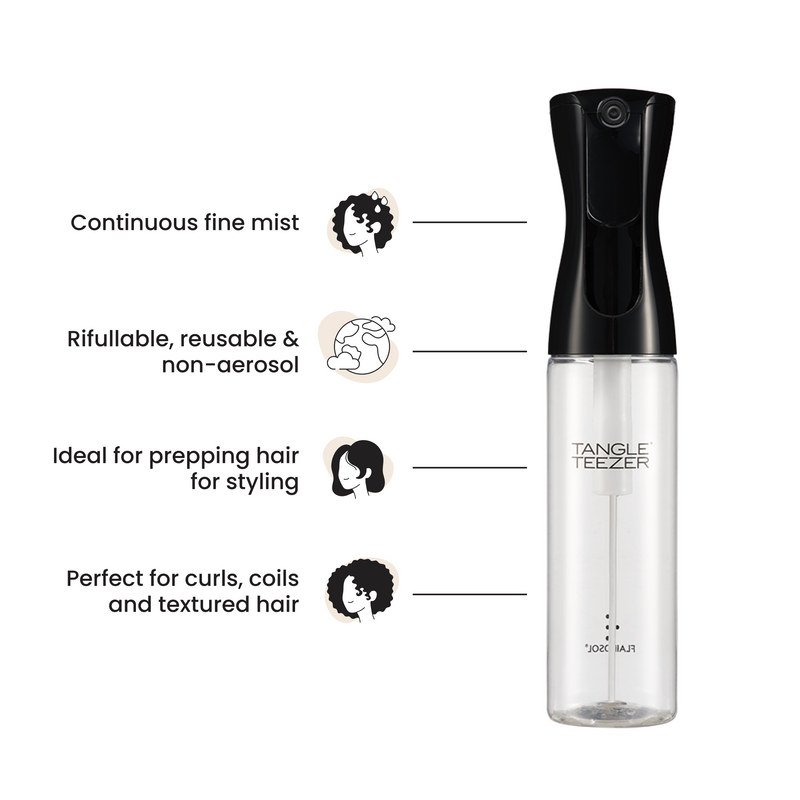
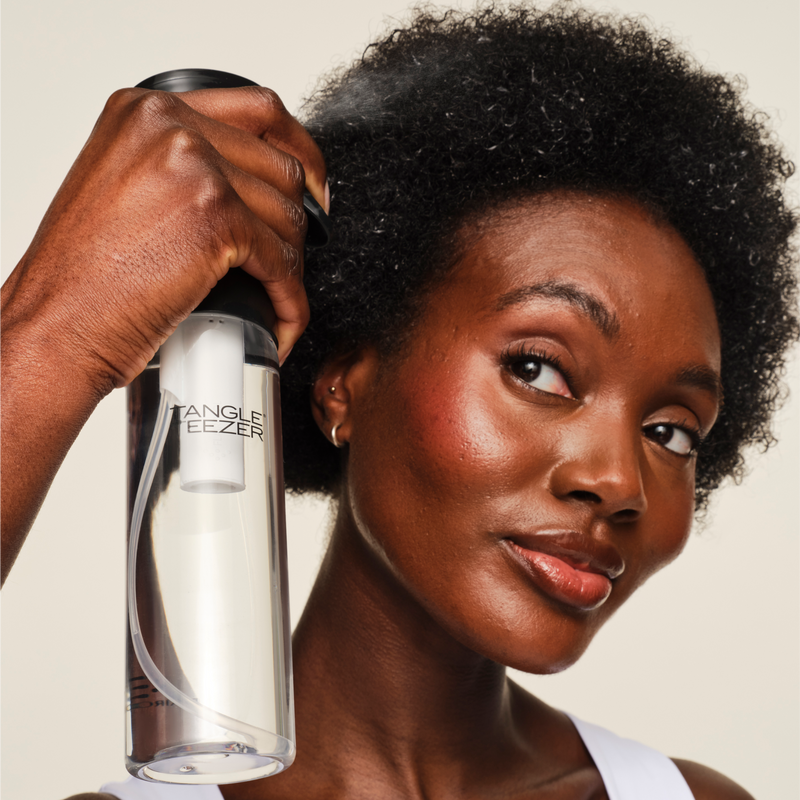
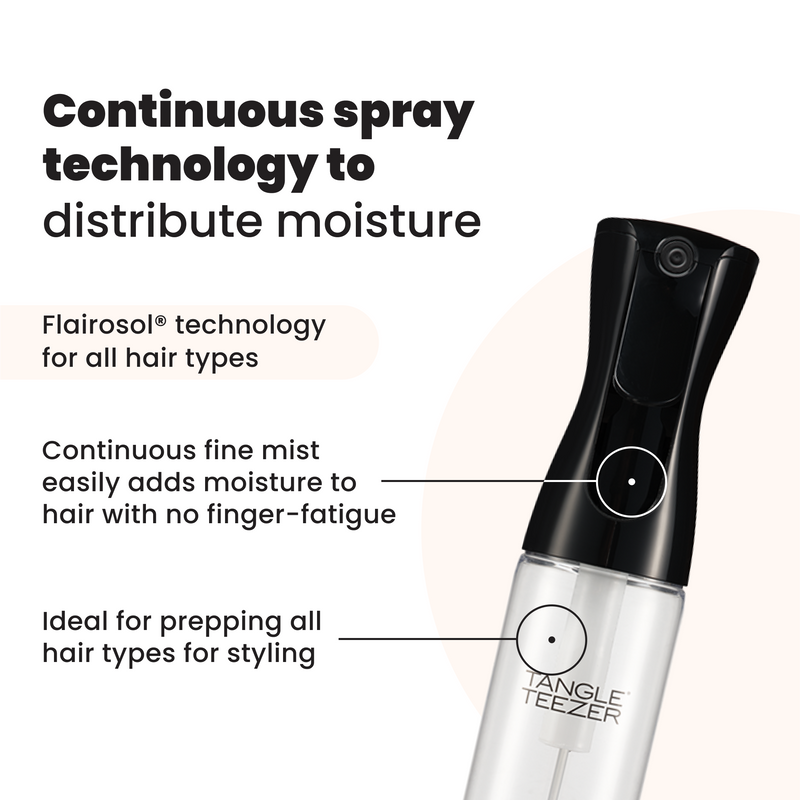
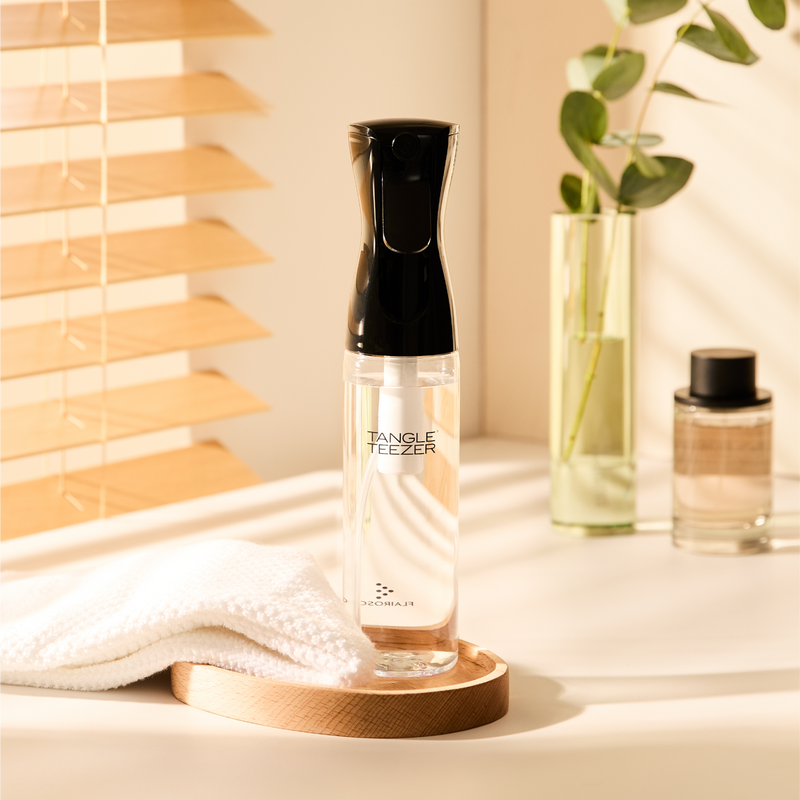
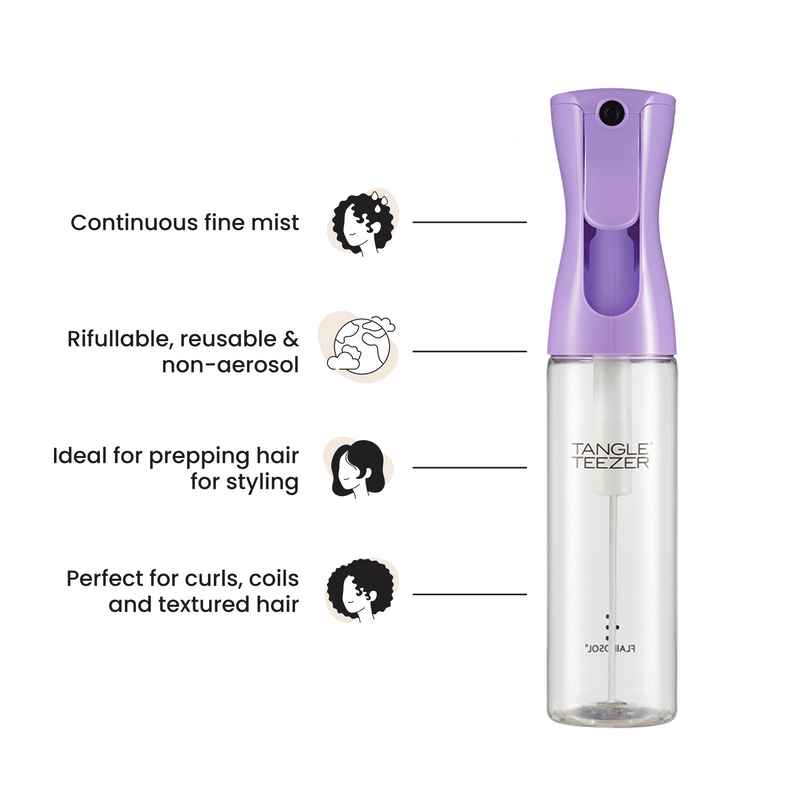
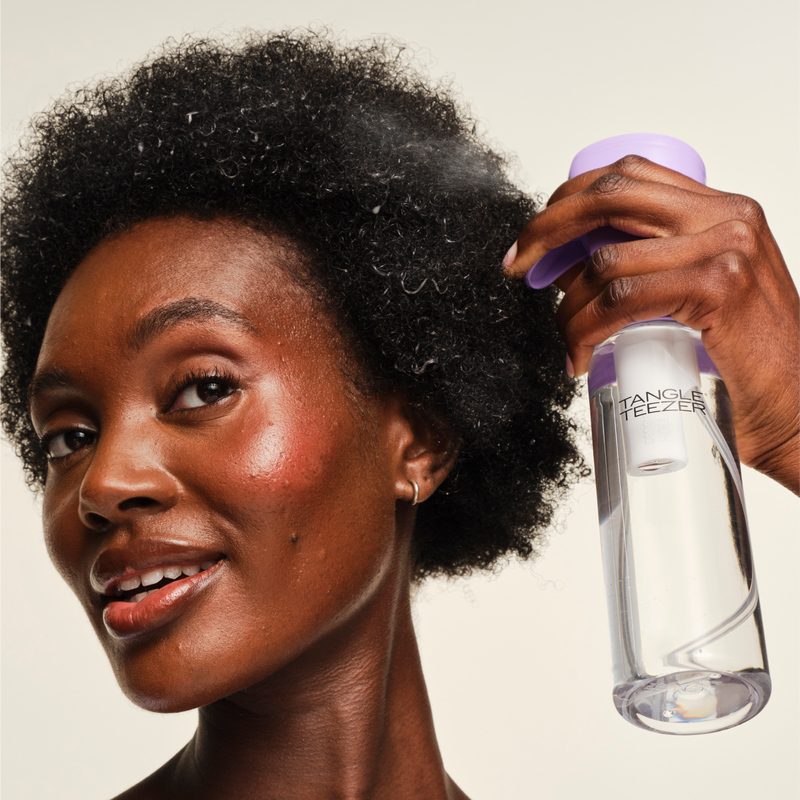
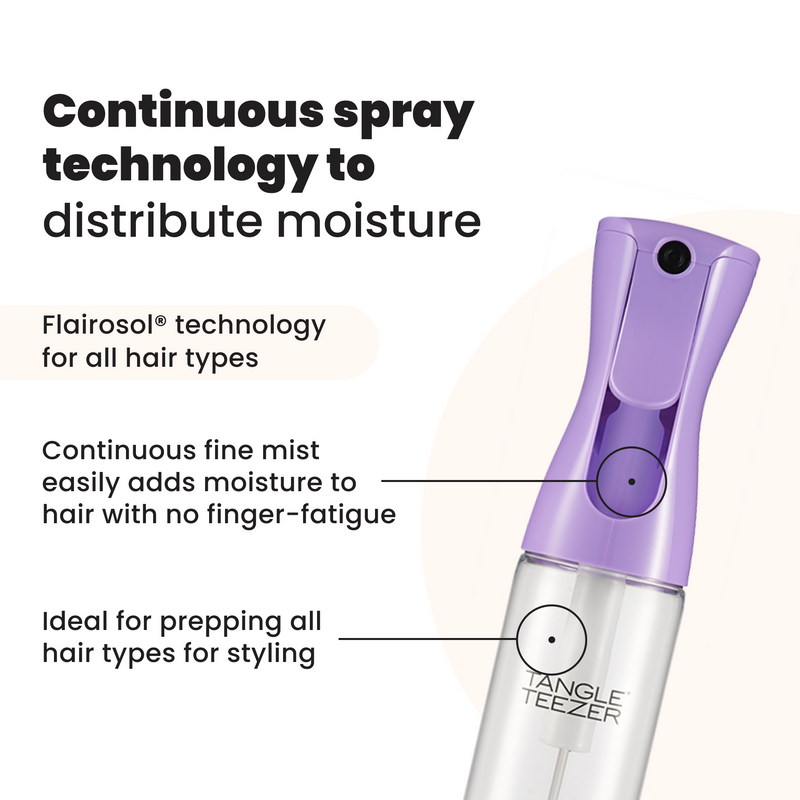
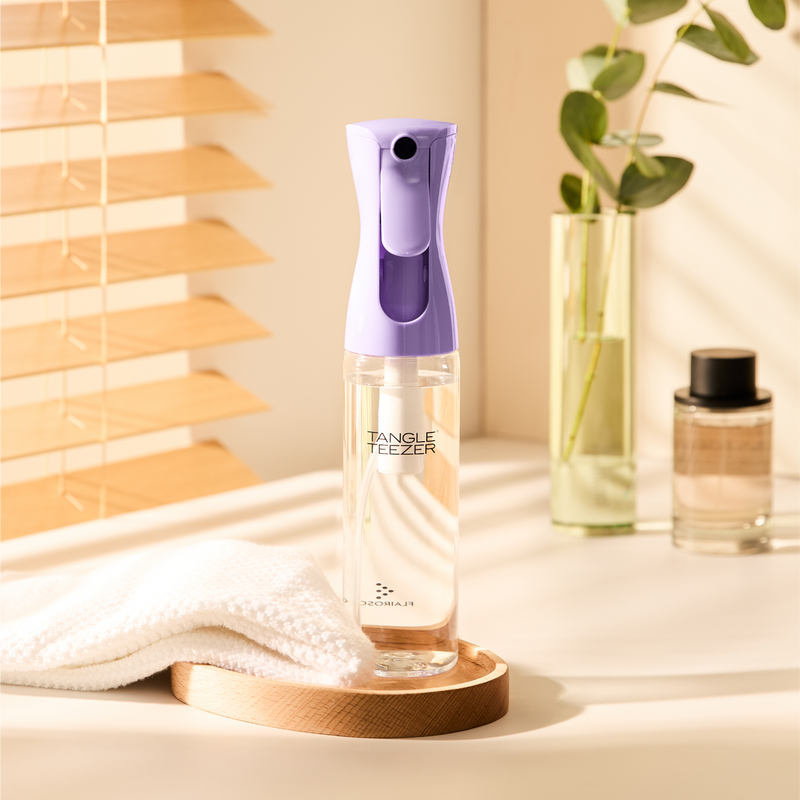
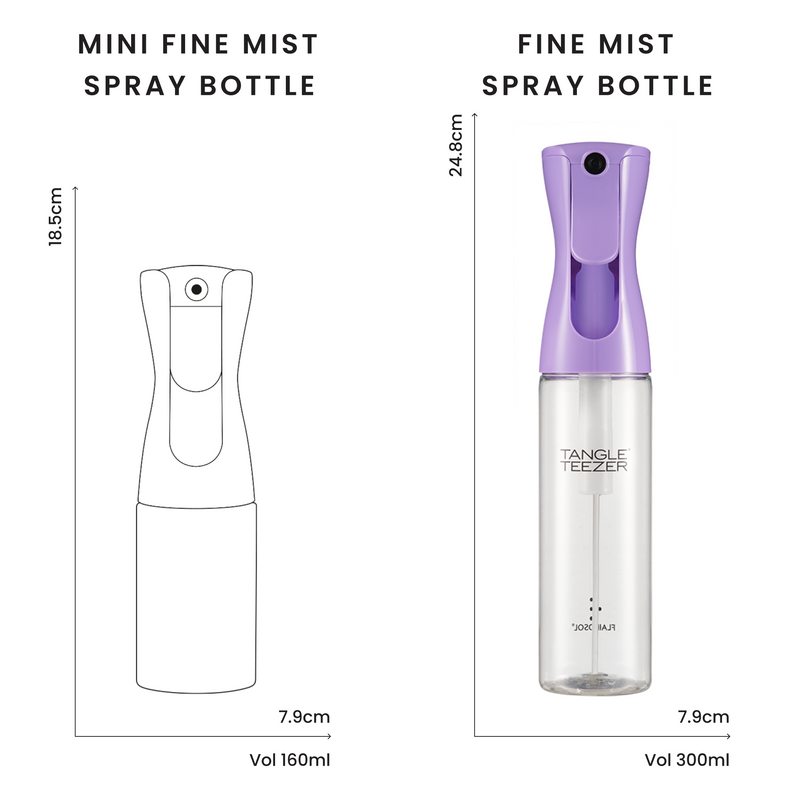
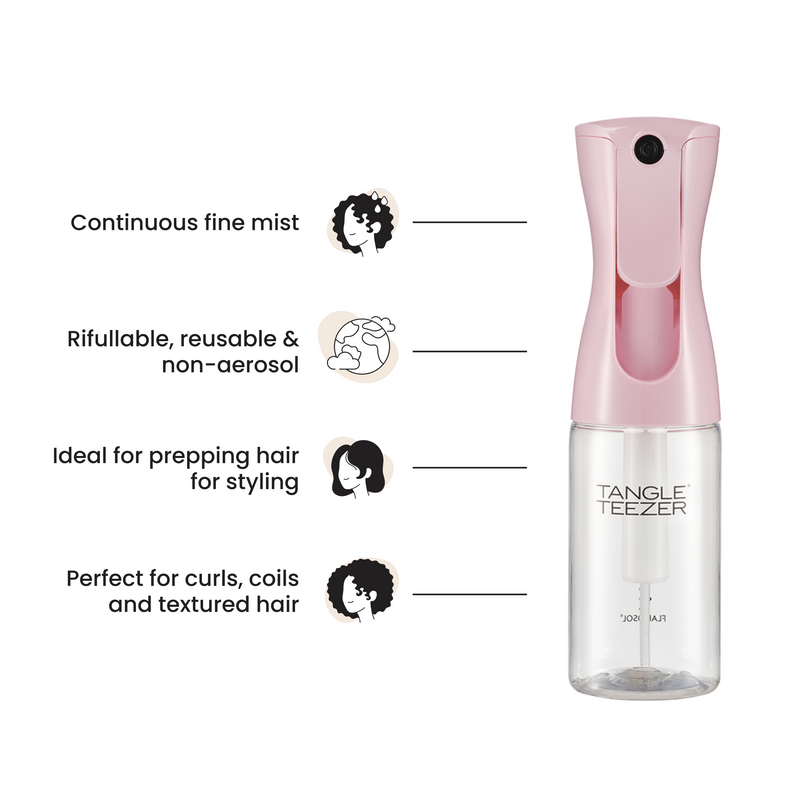
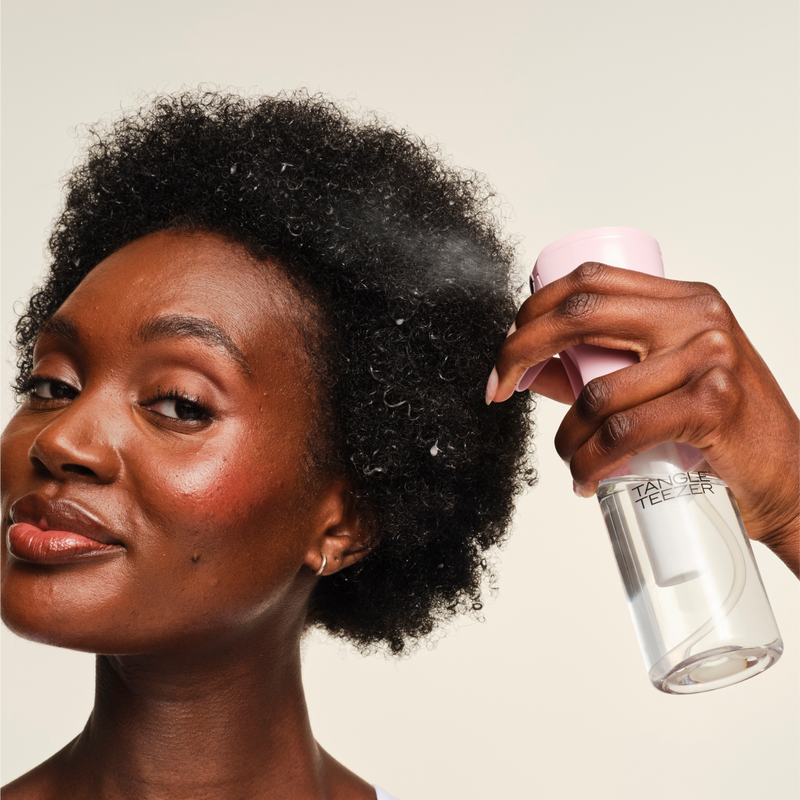
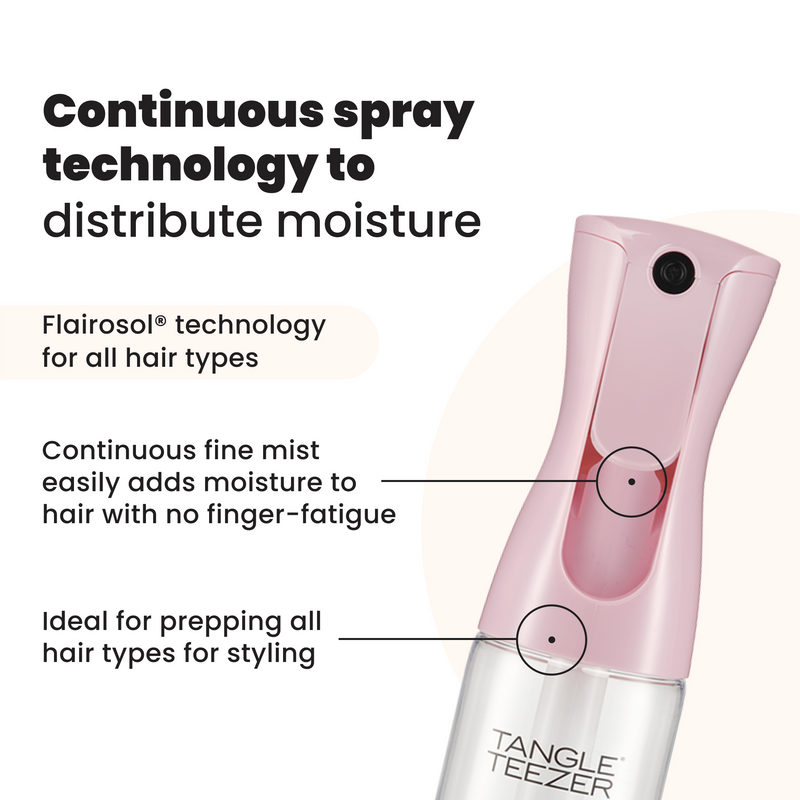
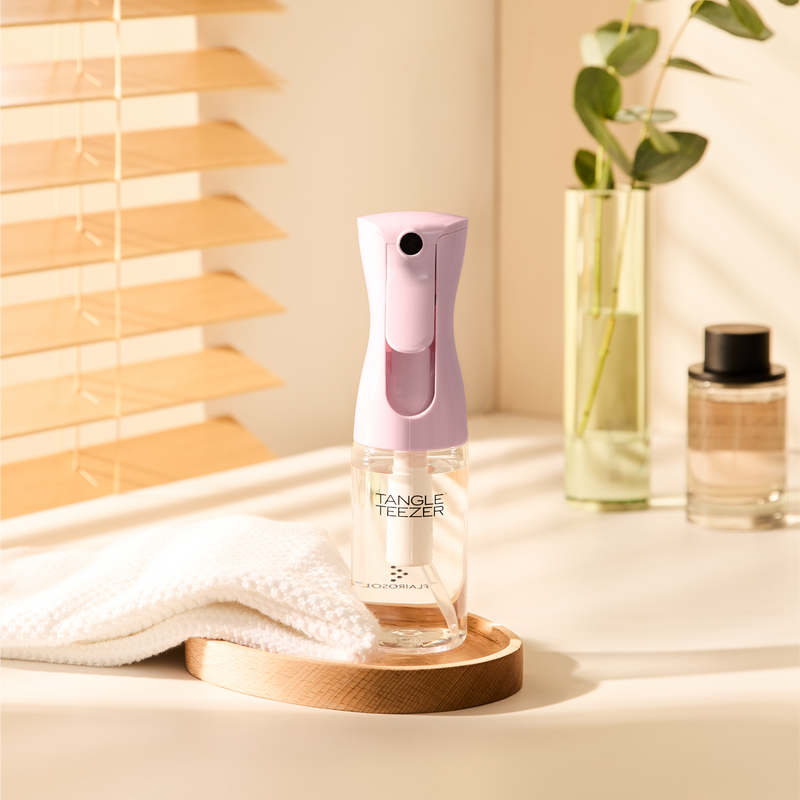
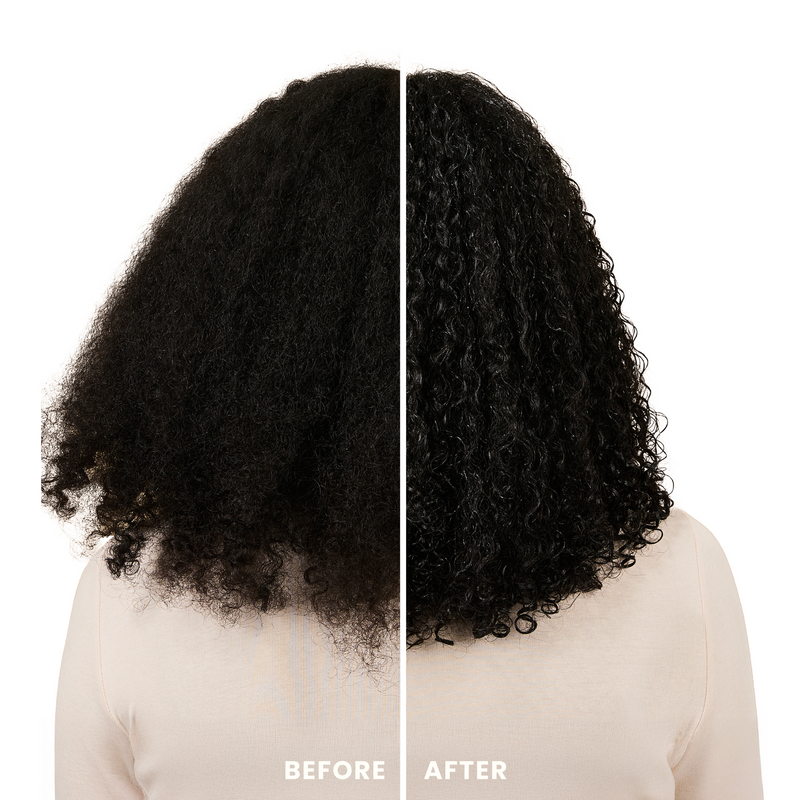
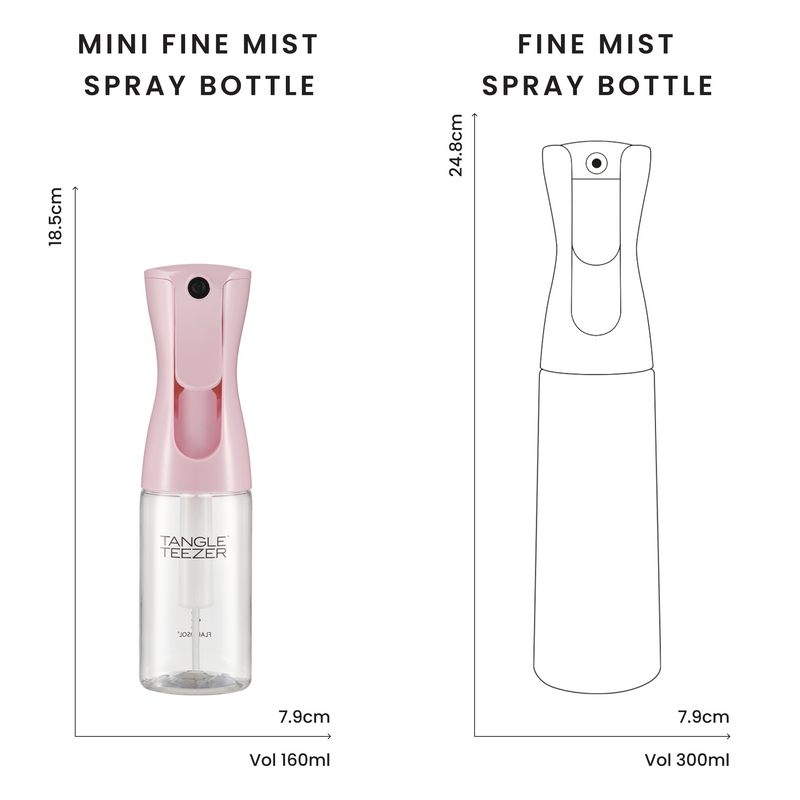
Detangling: Summer hair tangles more easily, especially after swimming or a day in the wind. Using a Tangle Teezer brush on wet hair, working from the tips upward, prevents breakage that is easy to cause but slow to recover from. For extra ease, the Fine Mist Spray Bottle is useful for dampening and refreshing hair before detangling without a full wash.
-
Heat tools: Try to use them less. Summer already brings enough heat, and doubling up with straighteners or curling irons on UV-stressed hair is a fast route to damage. Lean into your natural texture wherever you can.
Your Summer Hair Essentials Kit
Whether you are staying close to home or heading away, these are the products worth having on hand throughout summer:
-
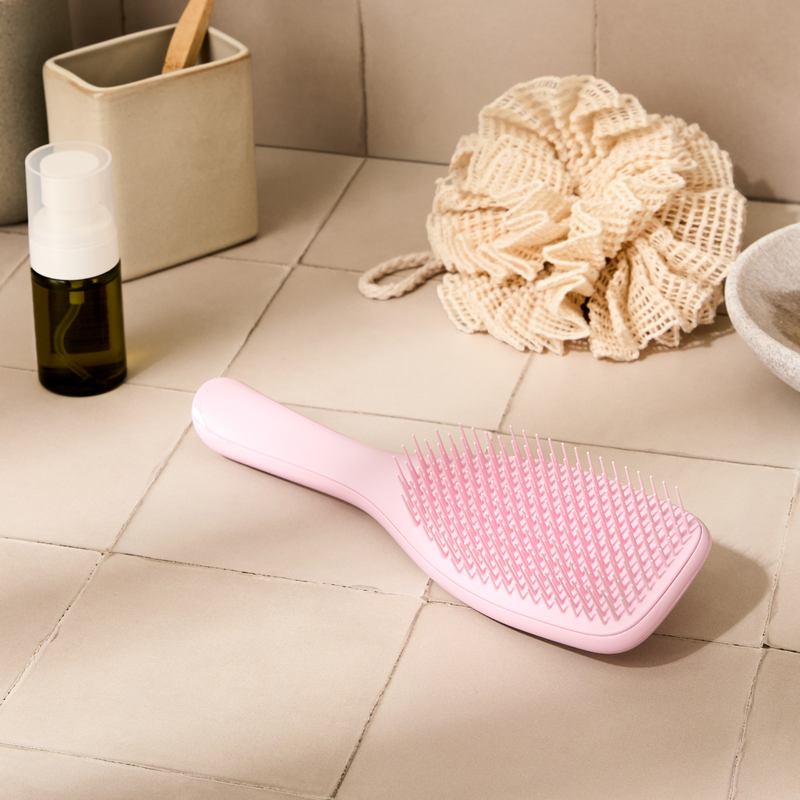
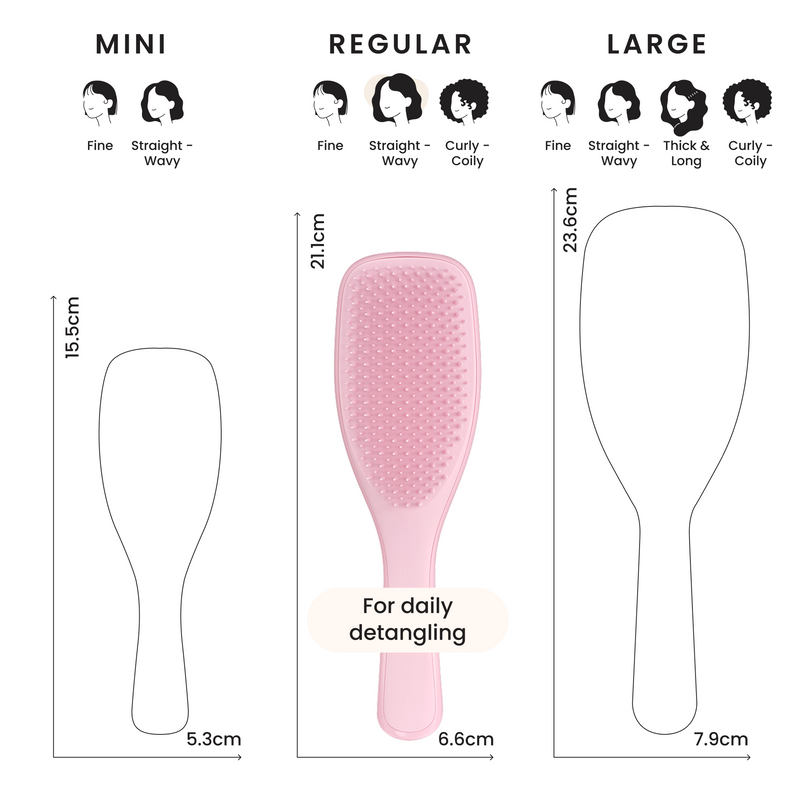
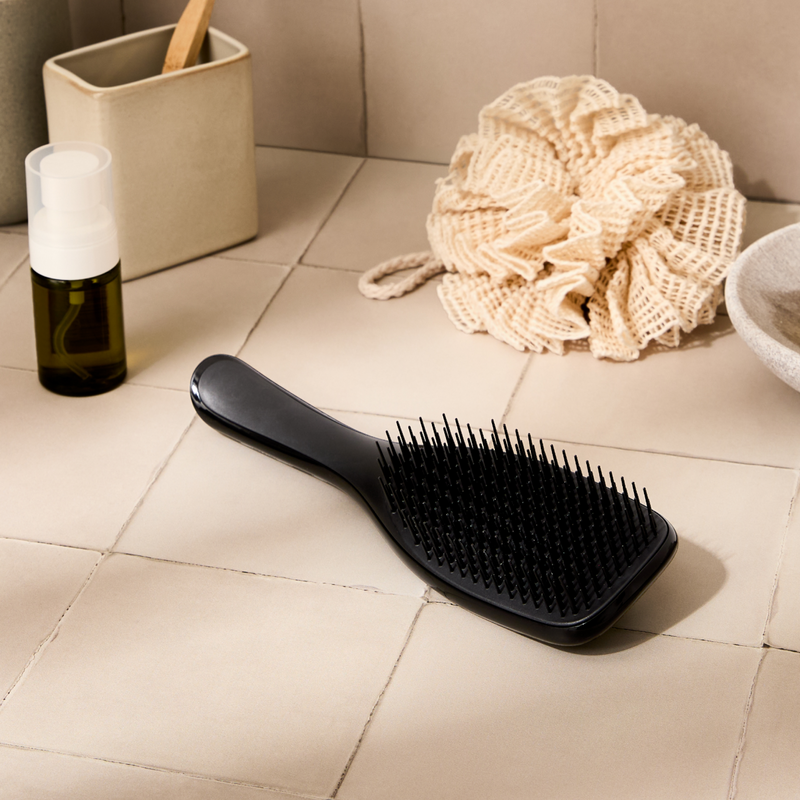
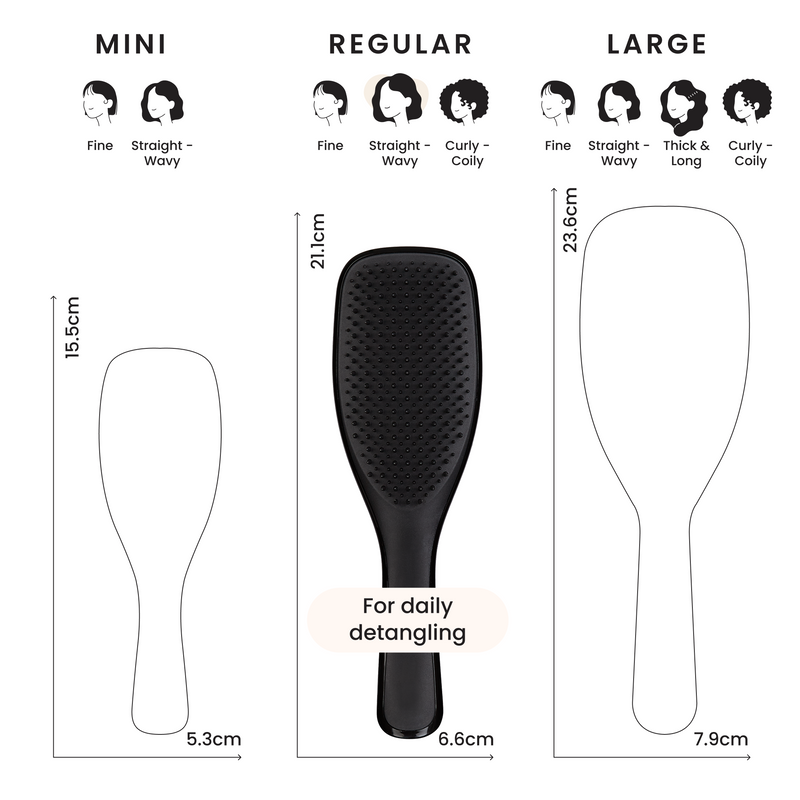
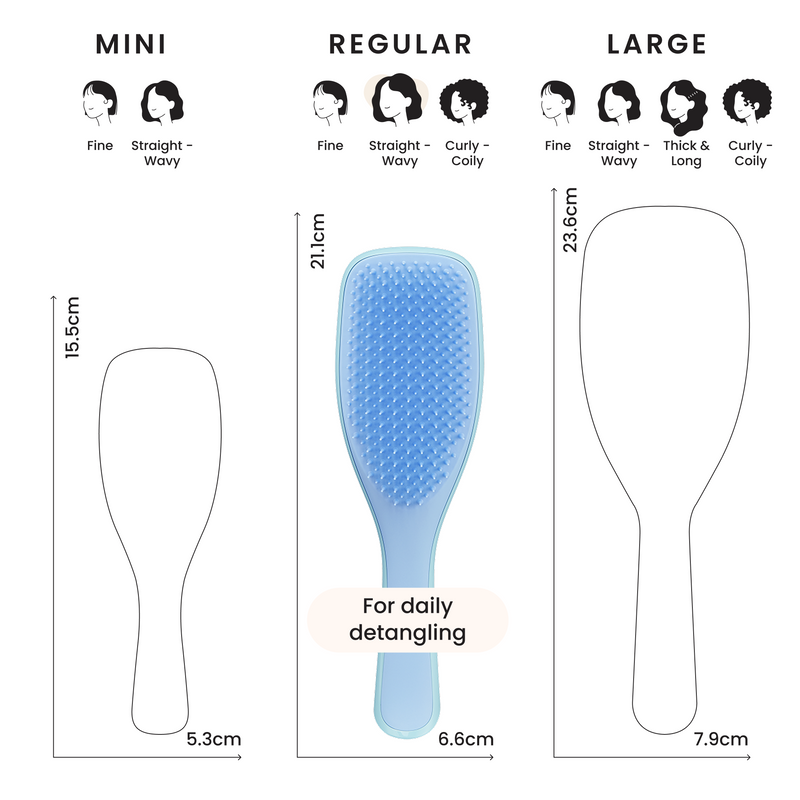
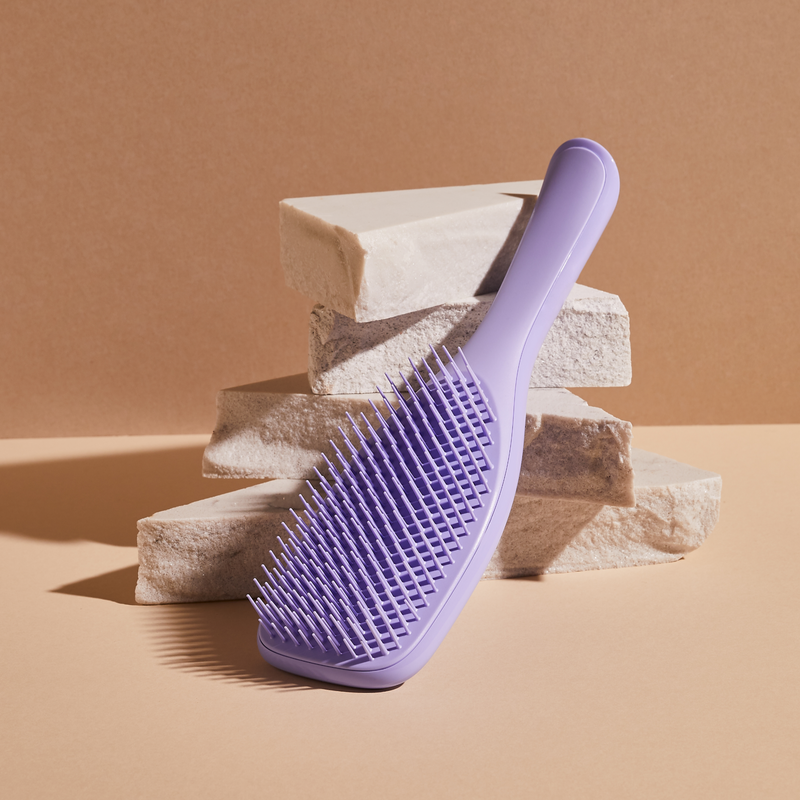
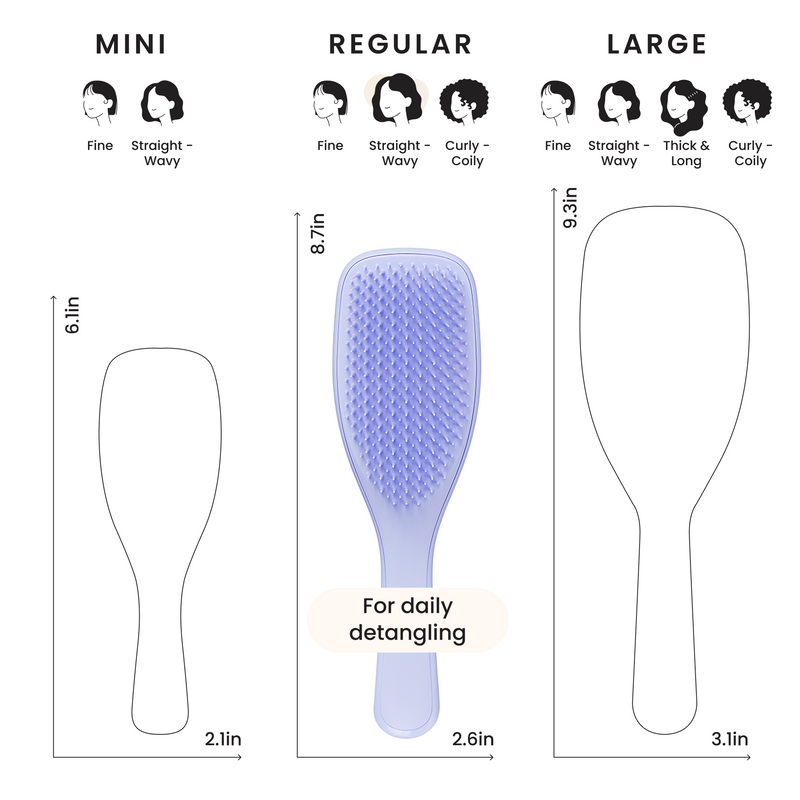
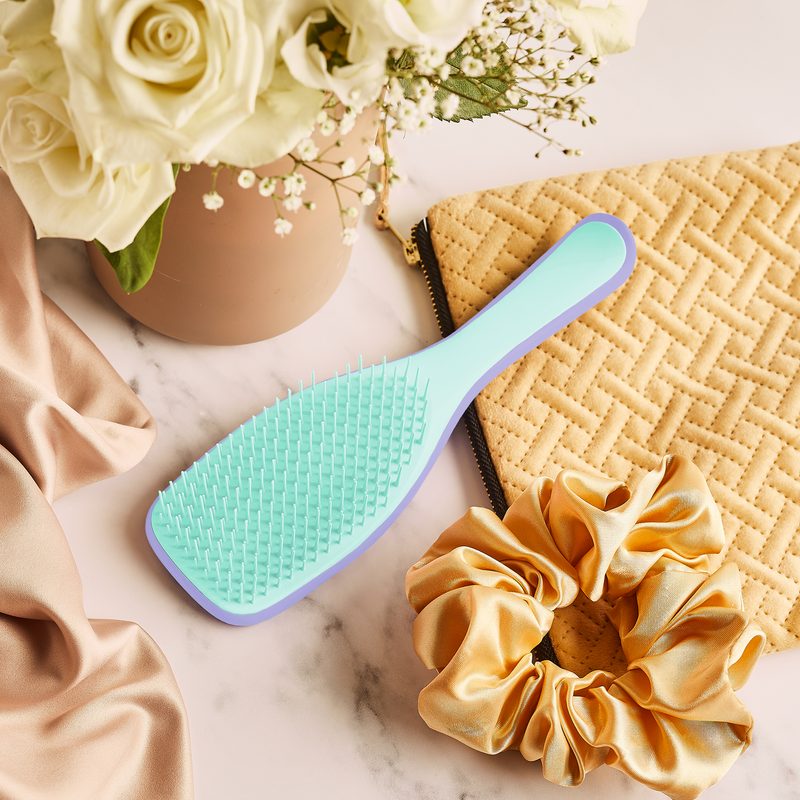
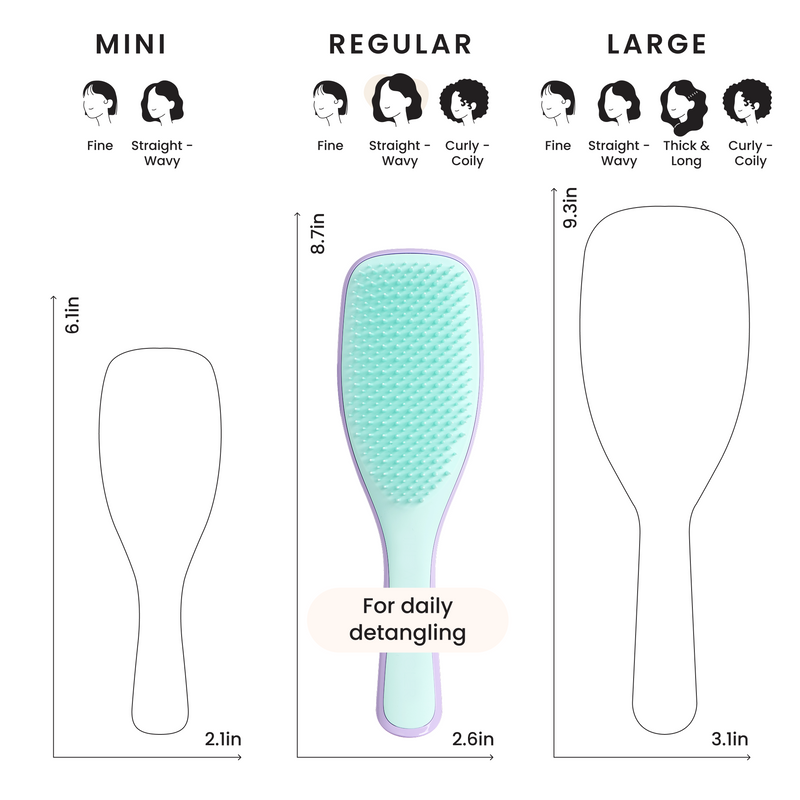
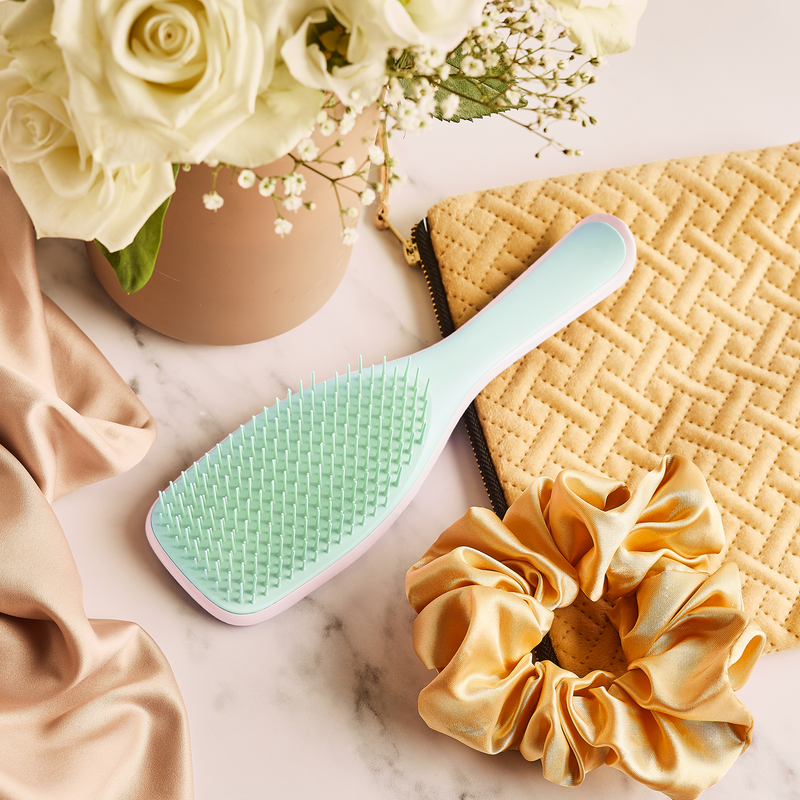
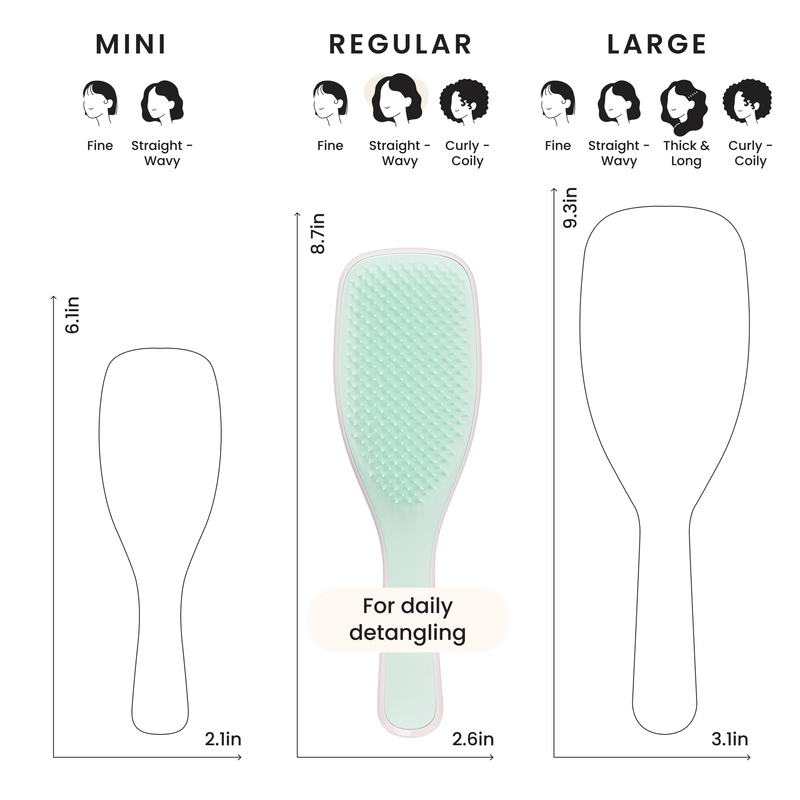
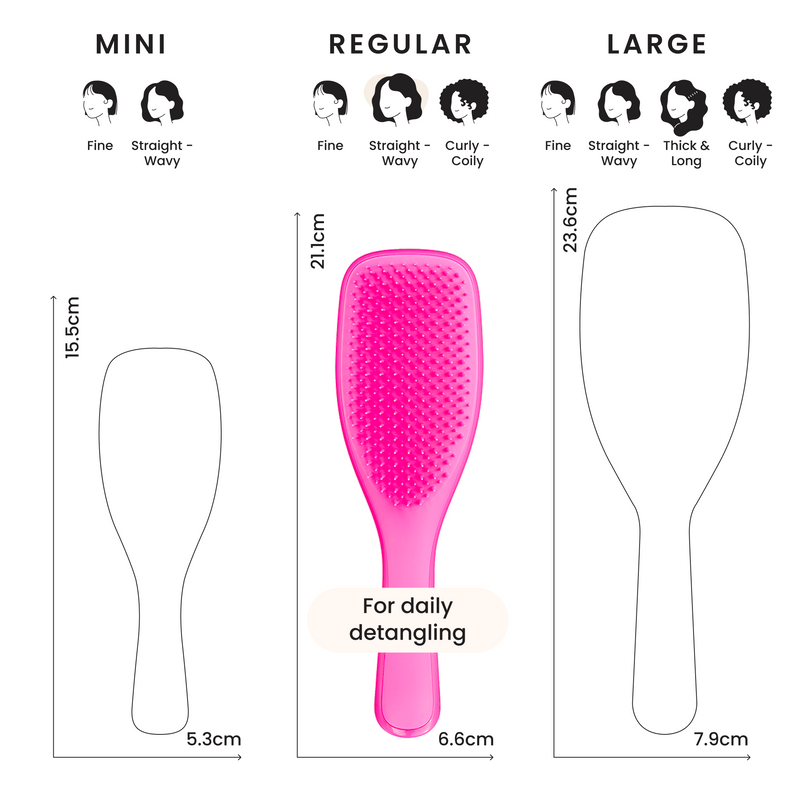
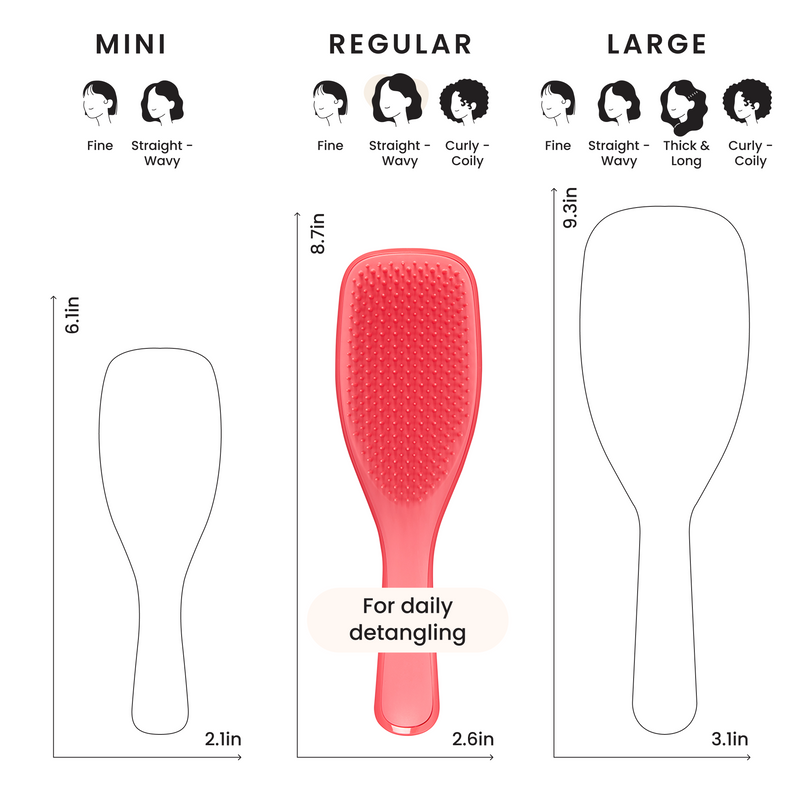
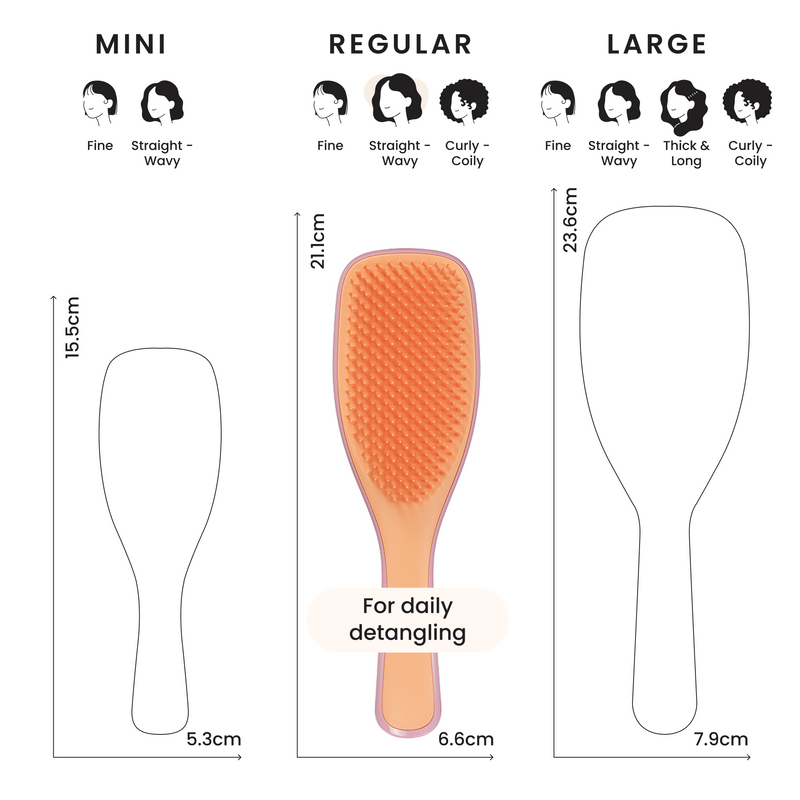
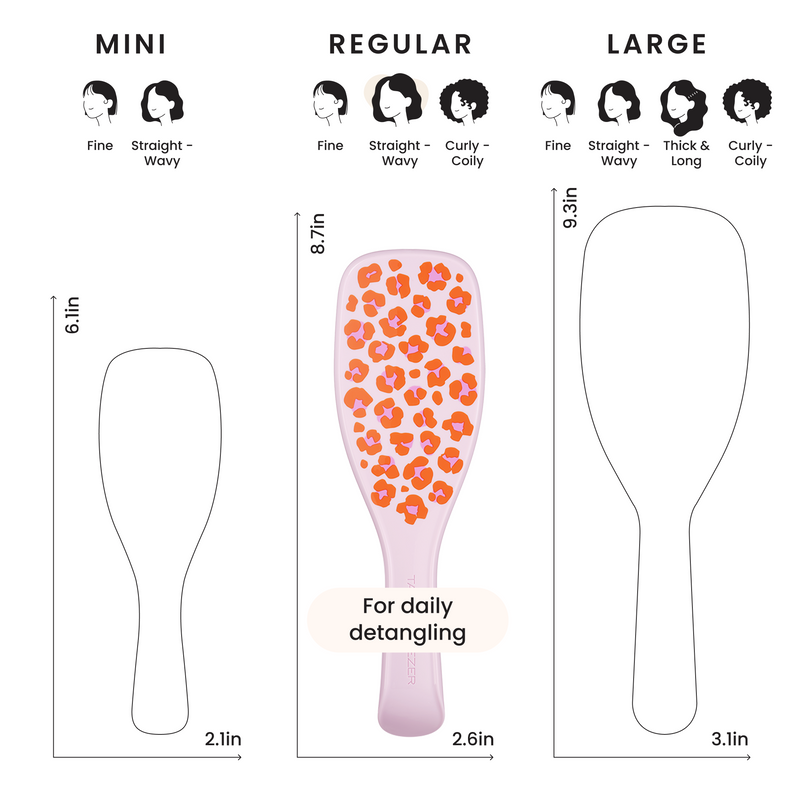
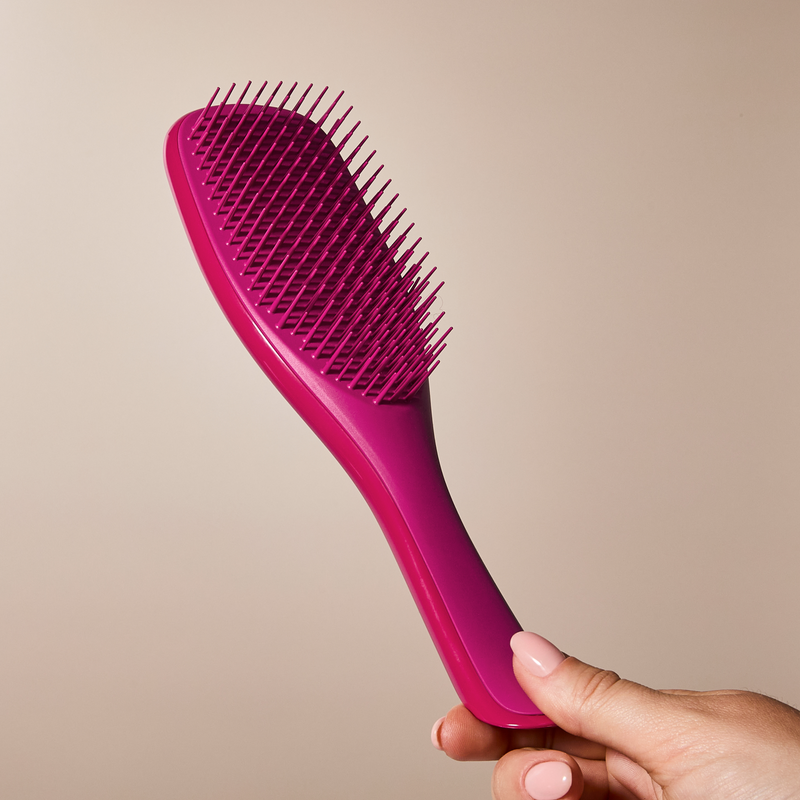
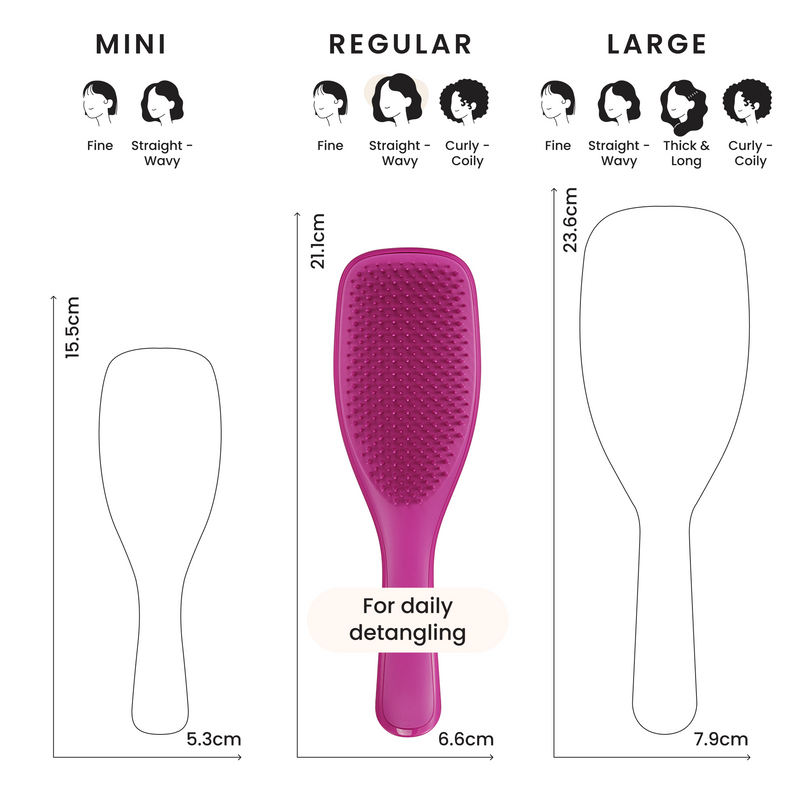
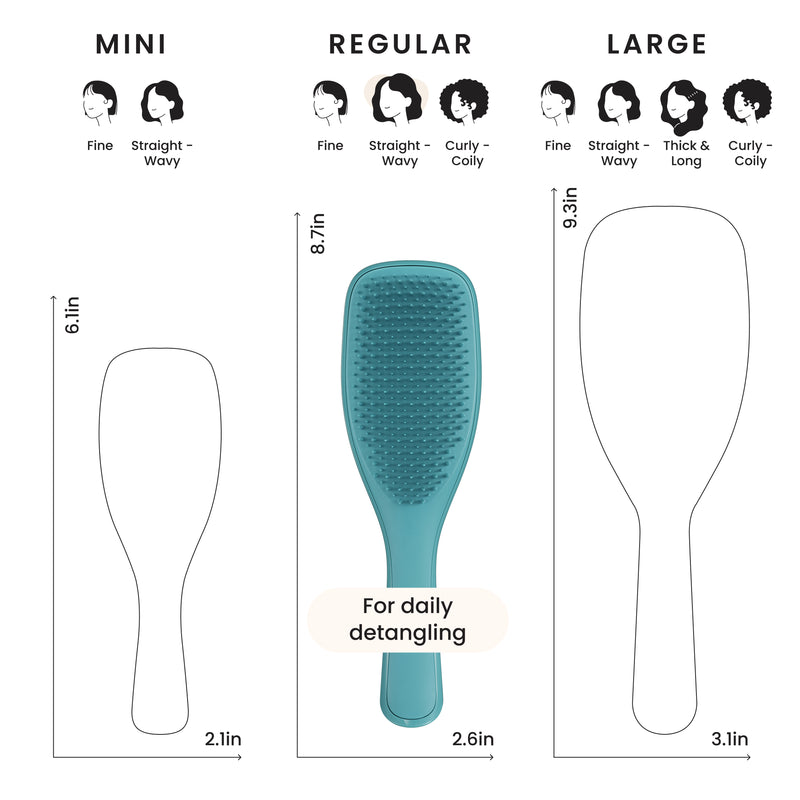
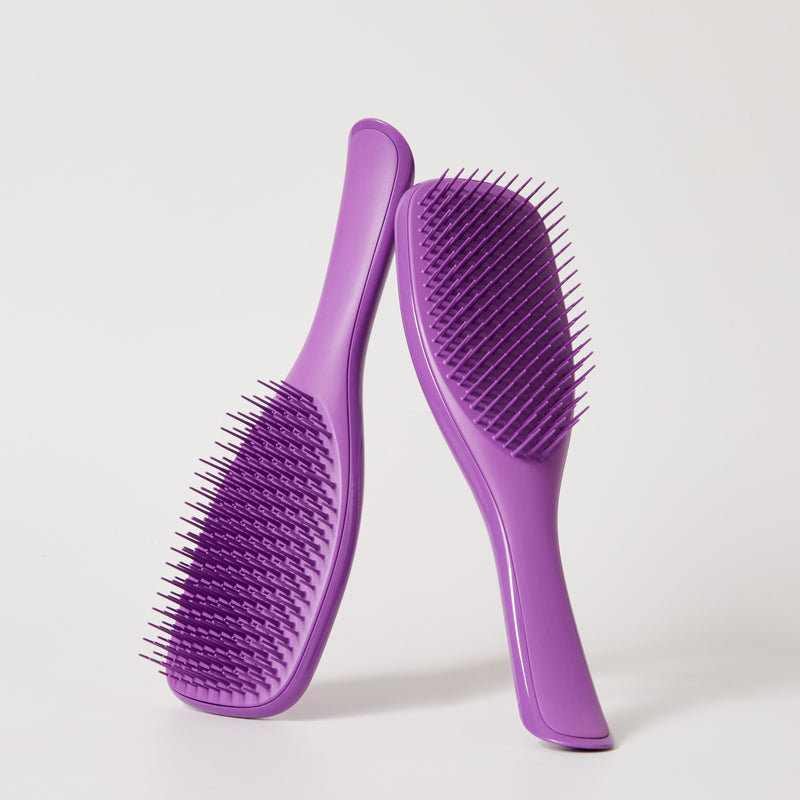
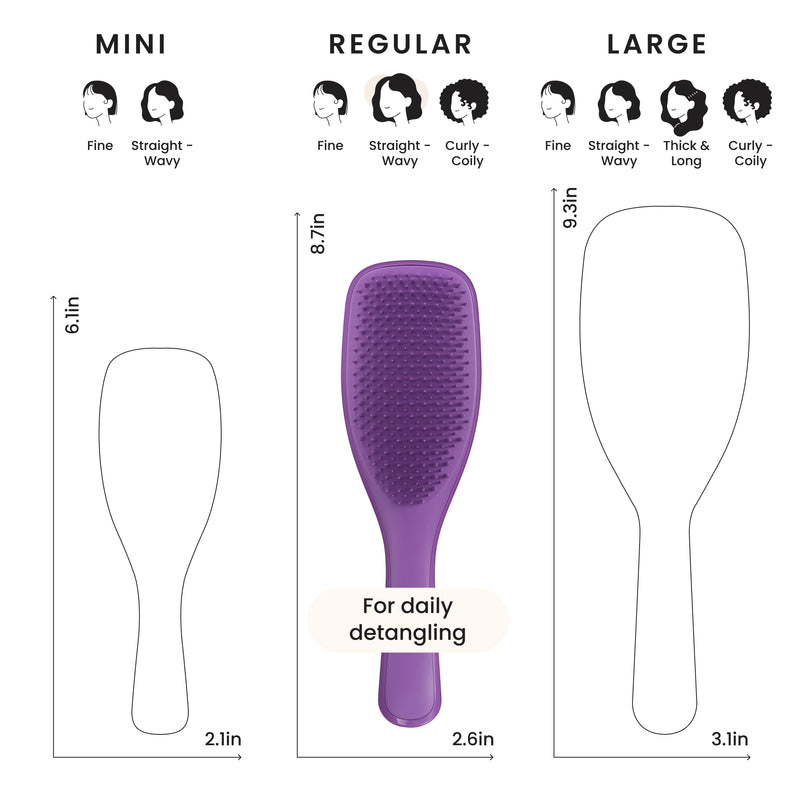
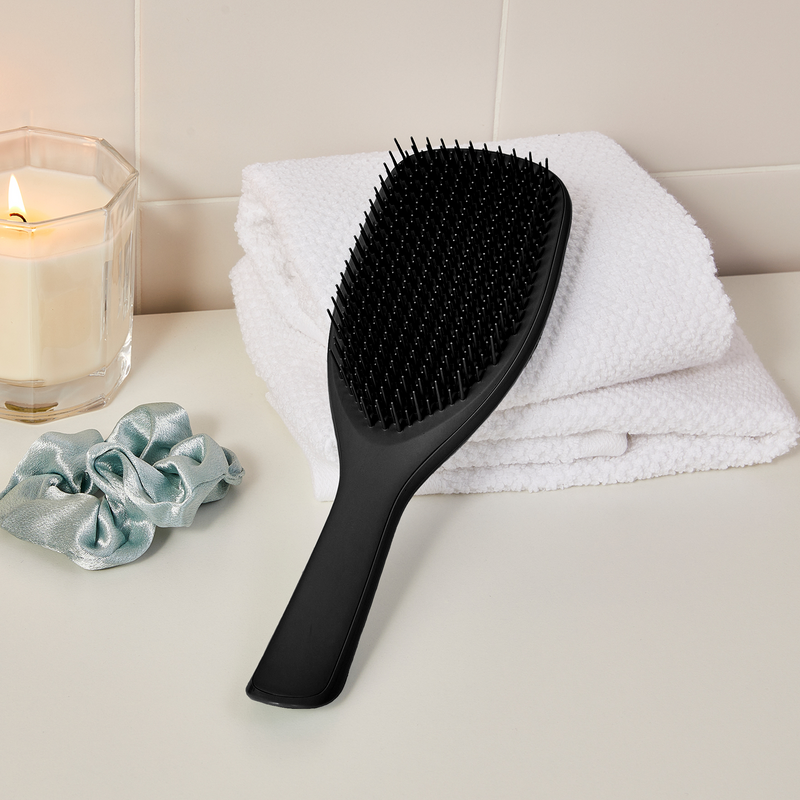
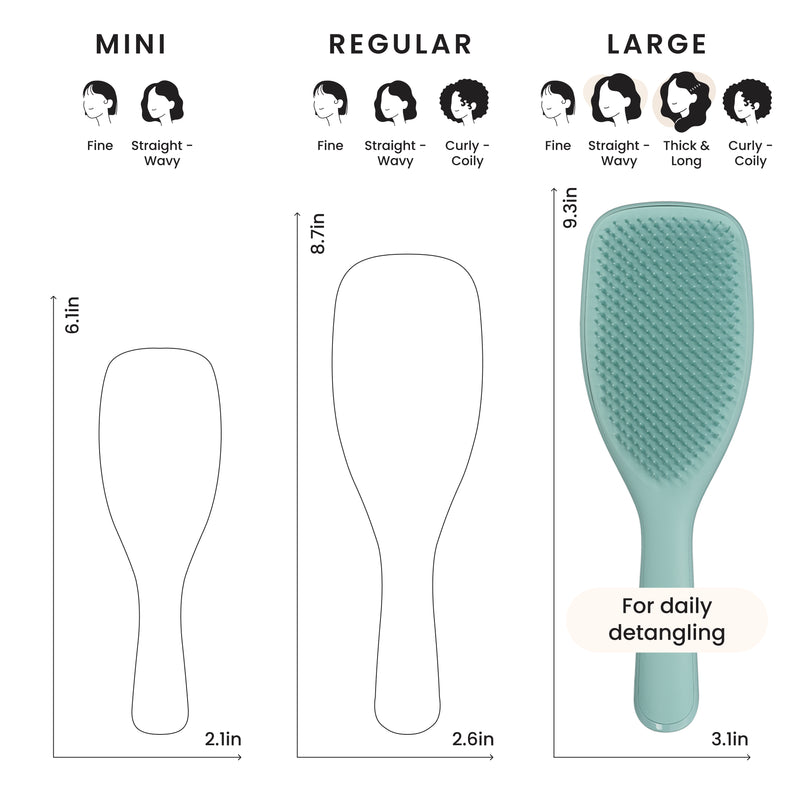
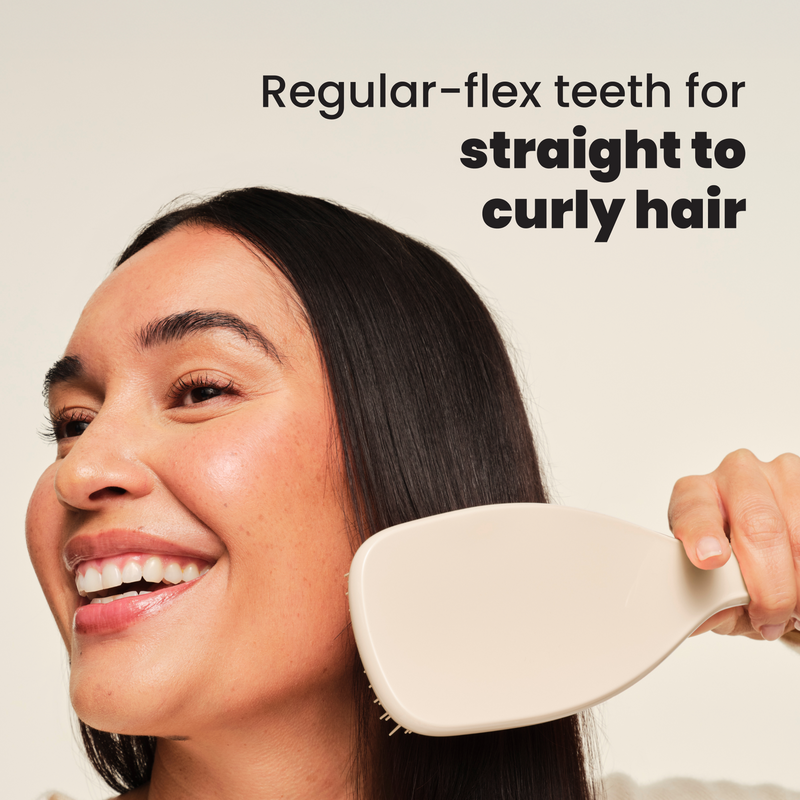
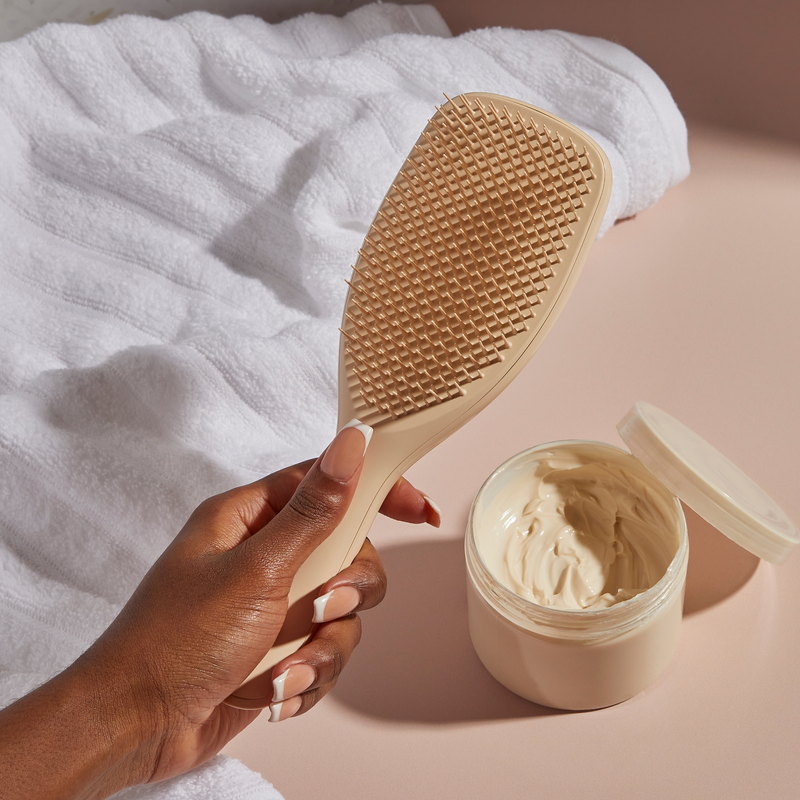
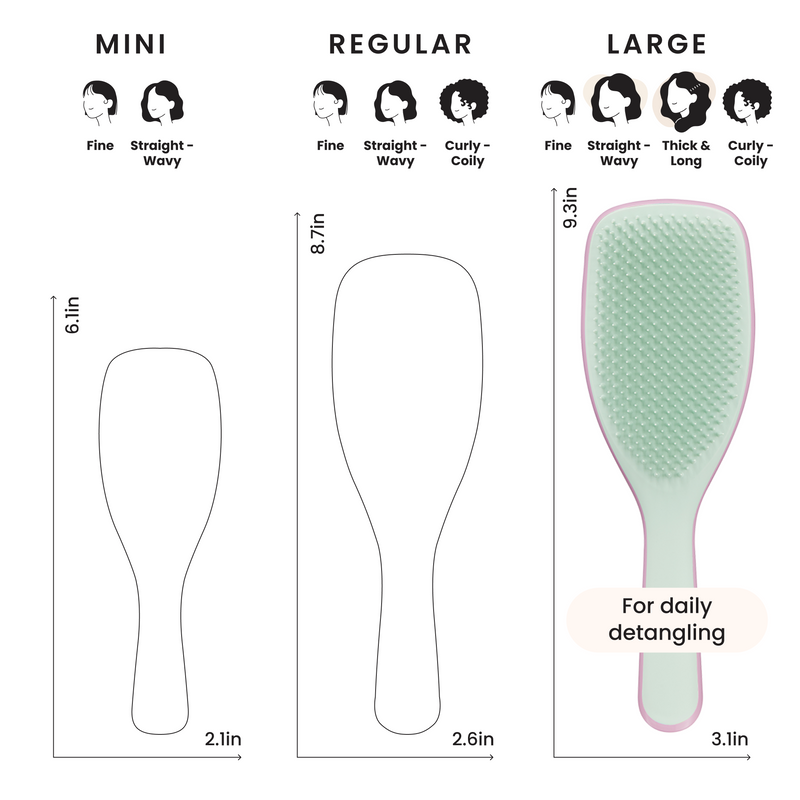
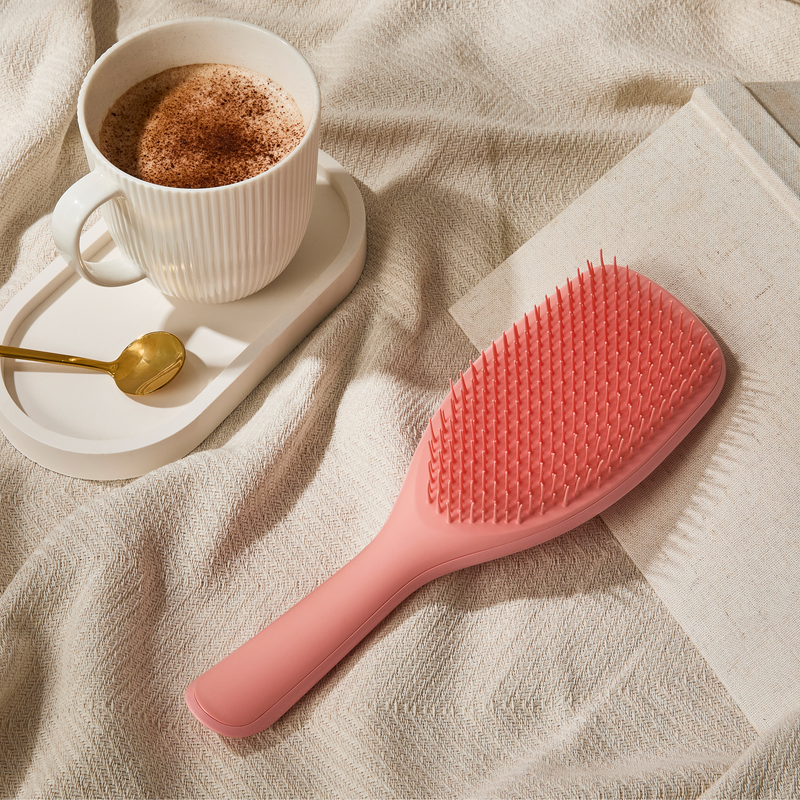
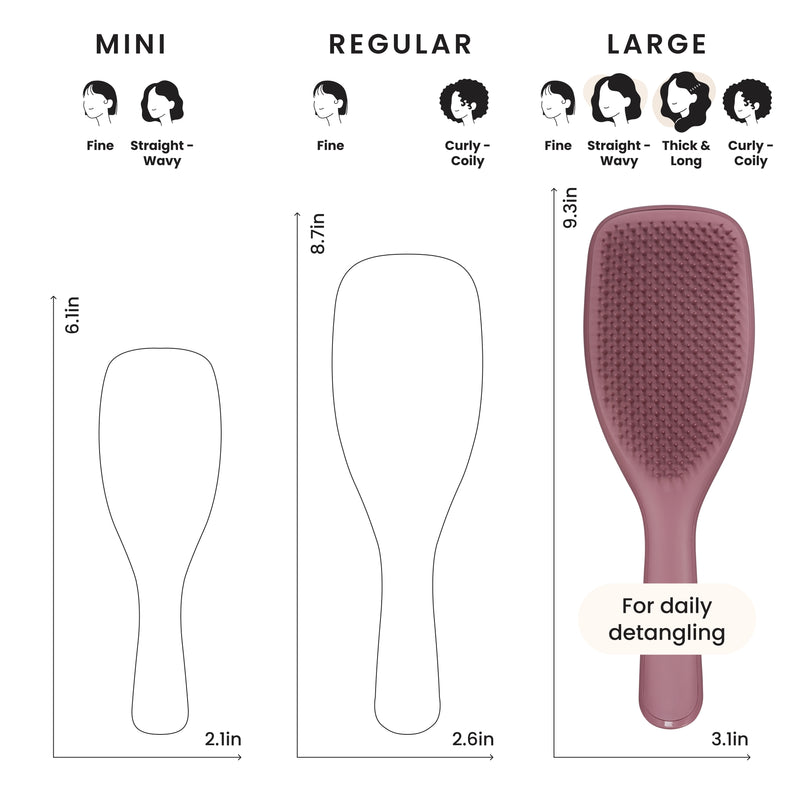
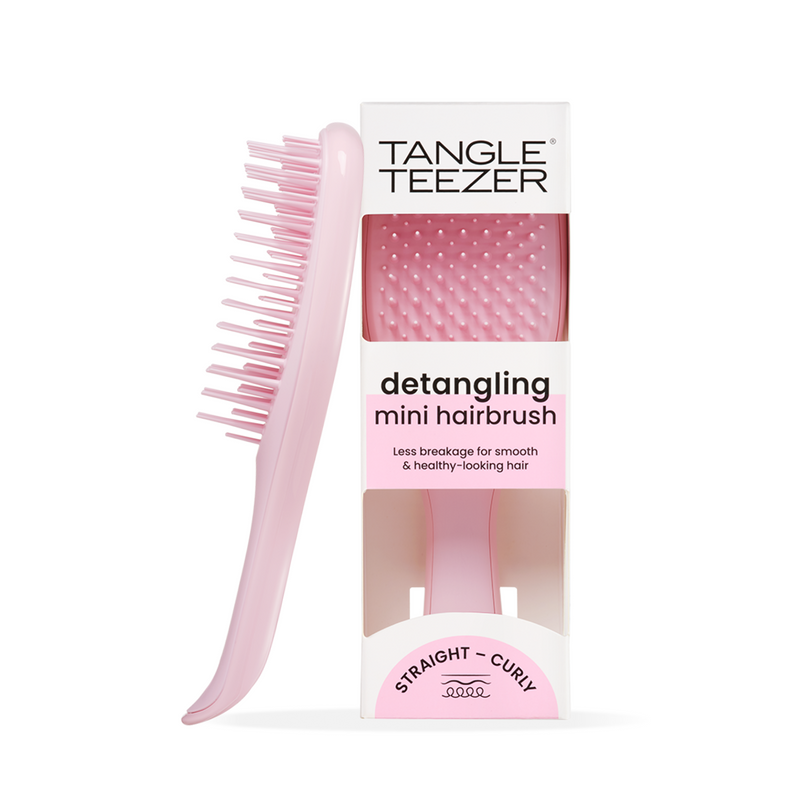
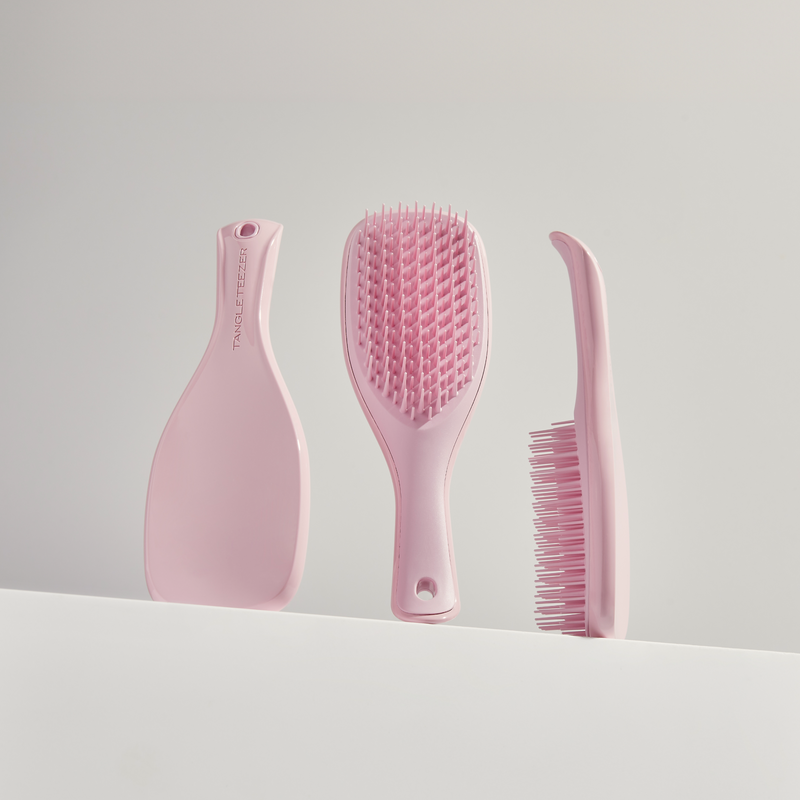
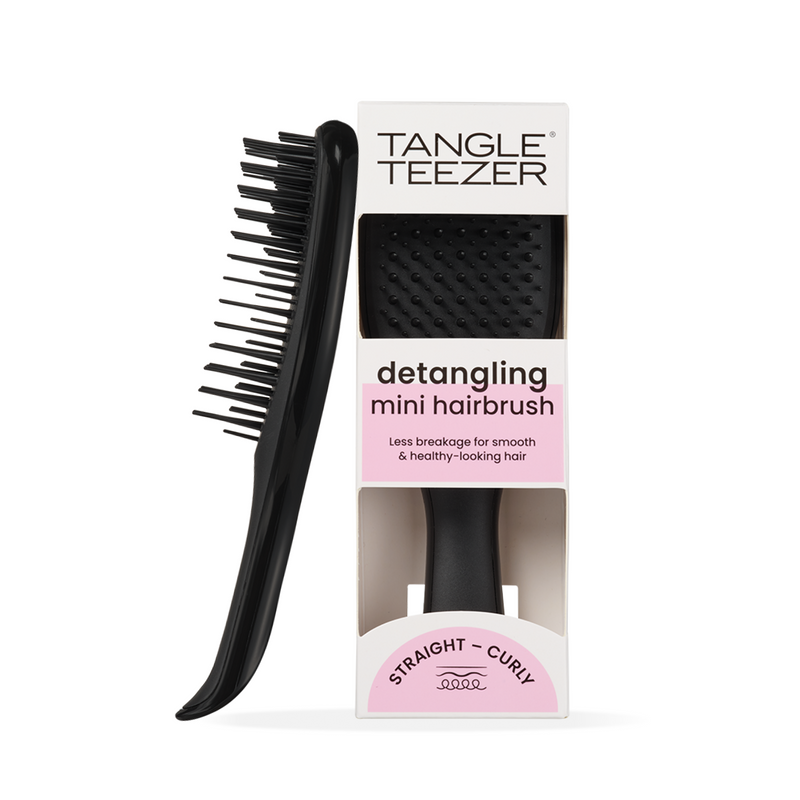
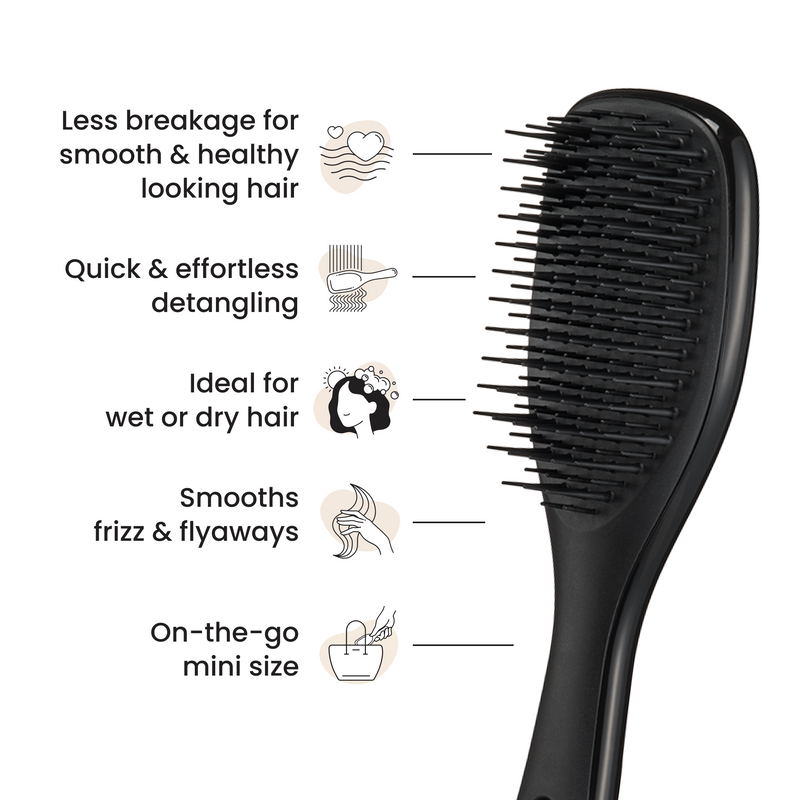
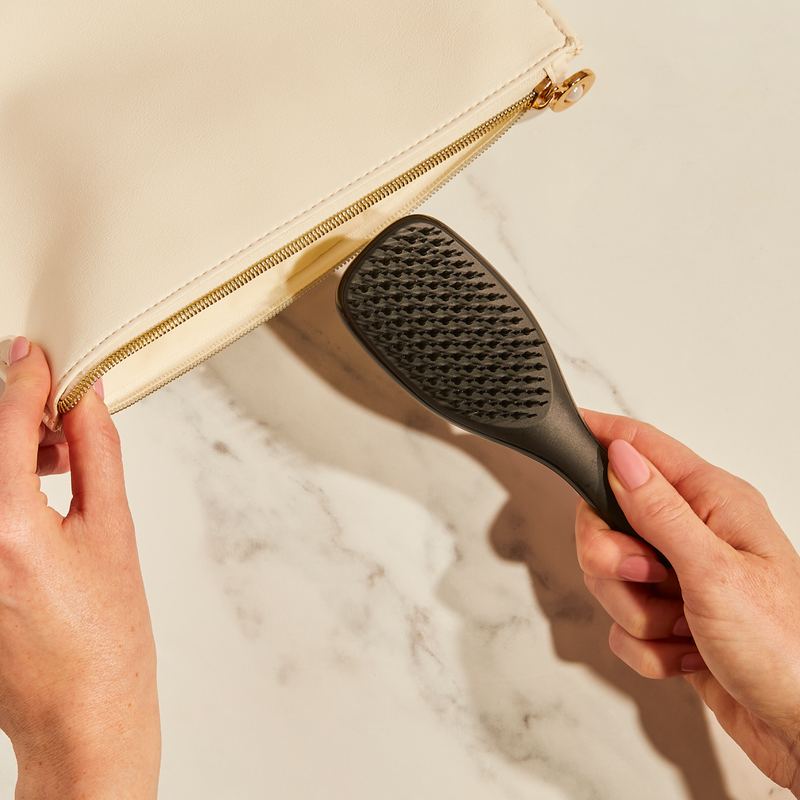
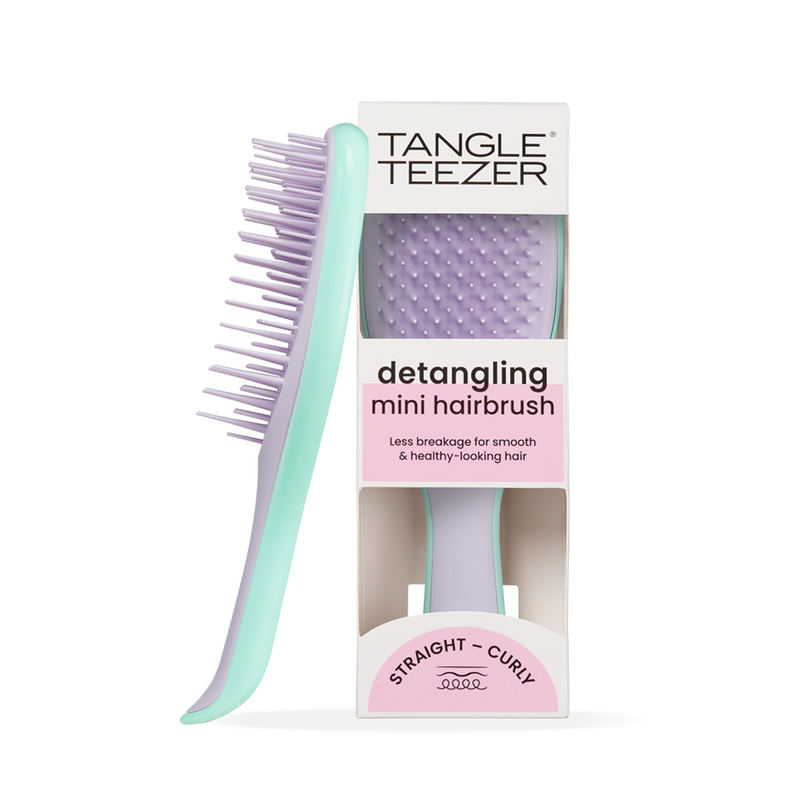
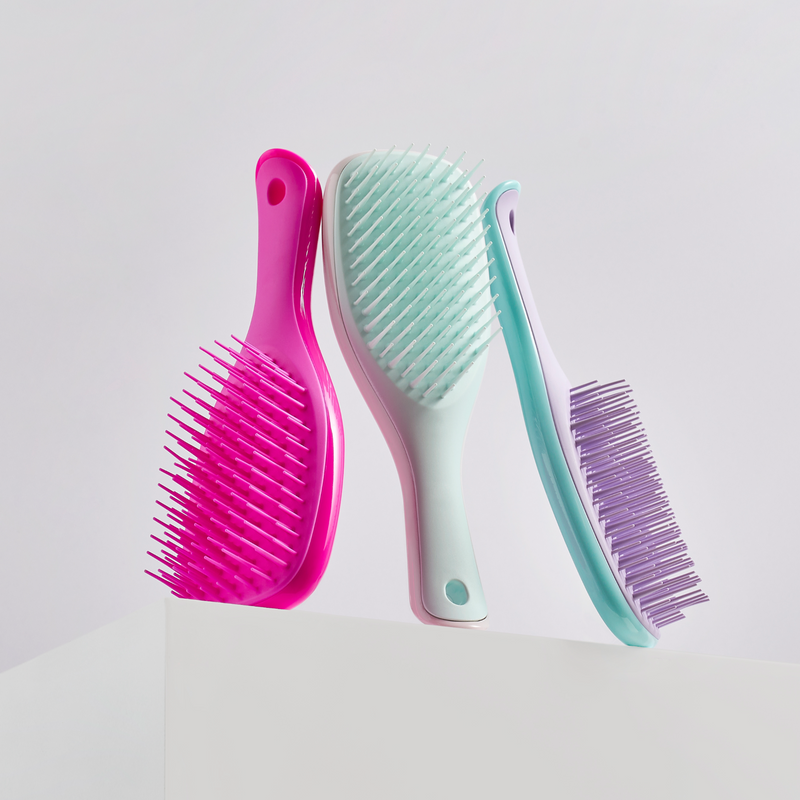
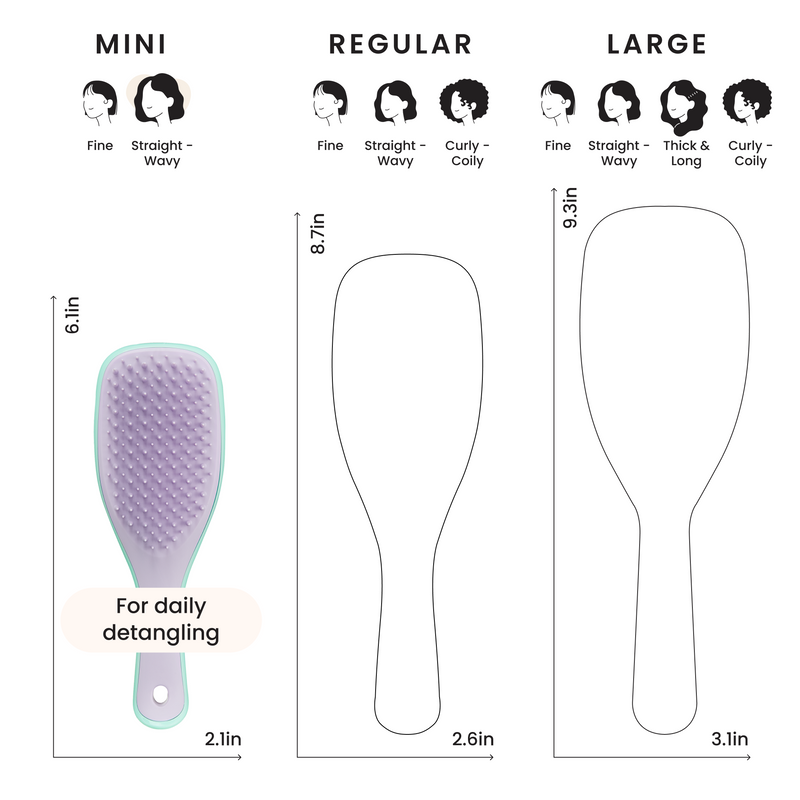
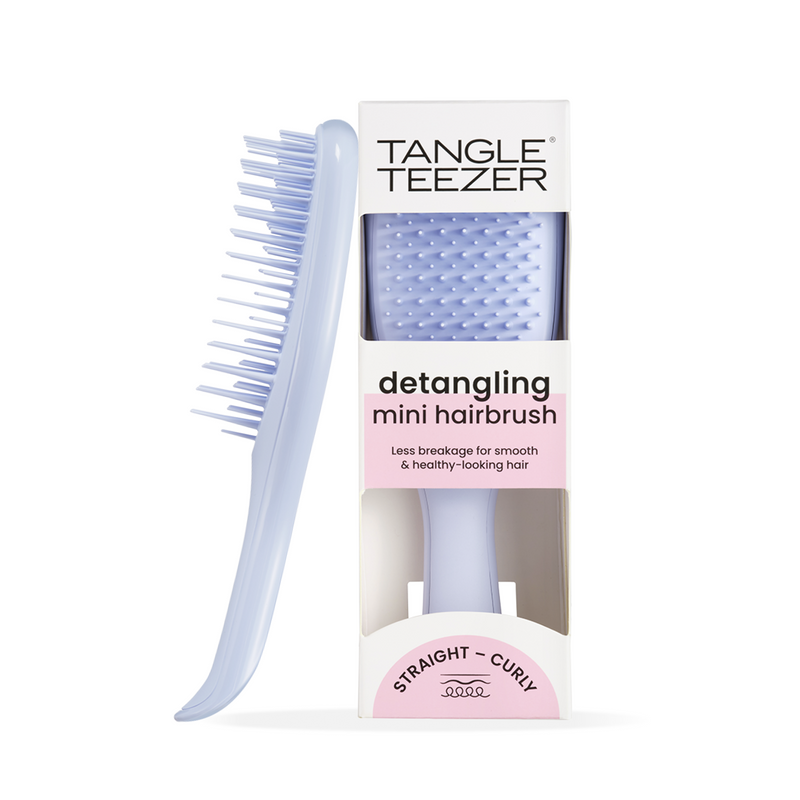
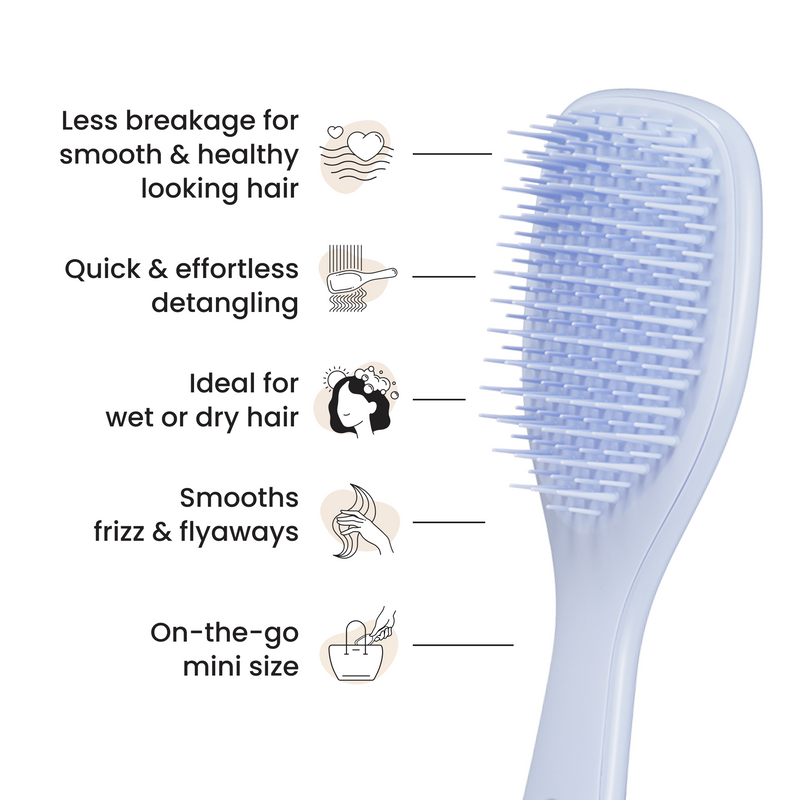
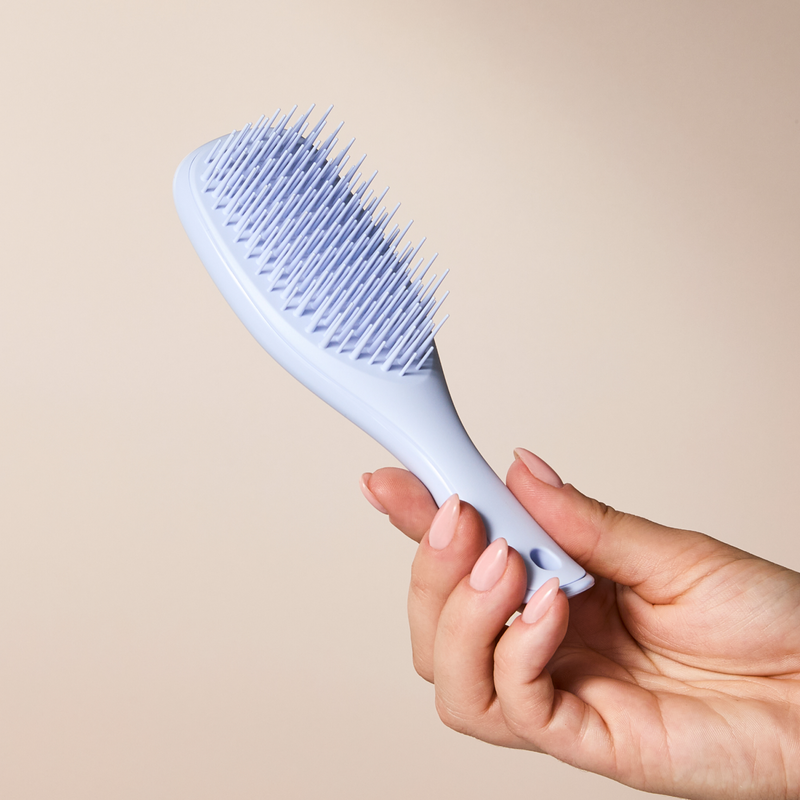
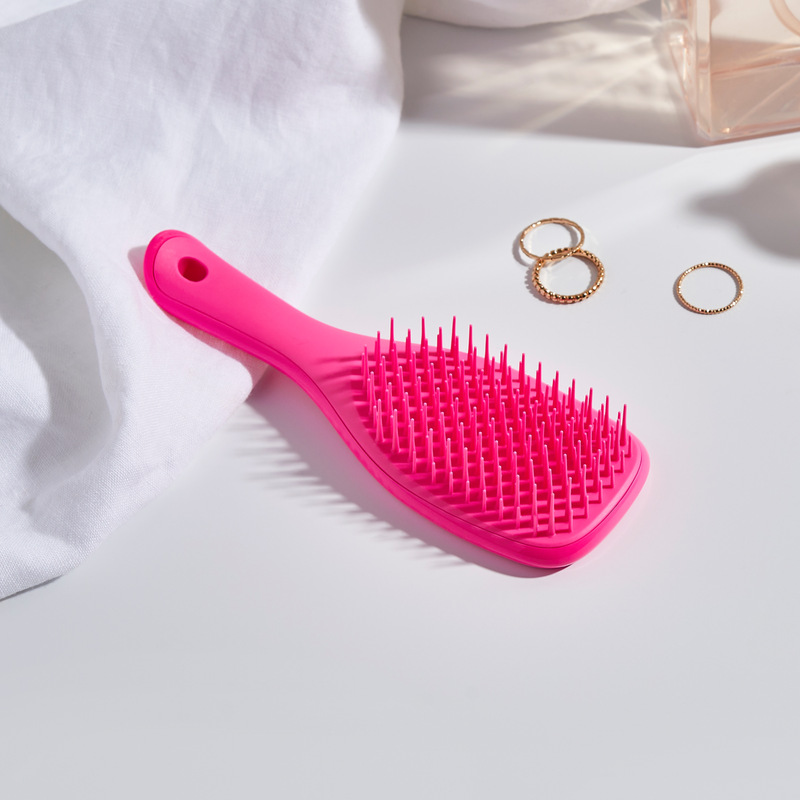
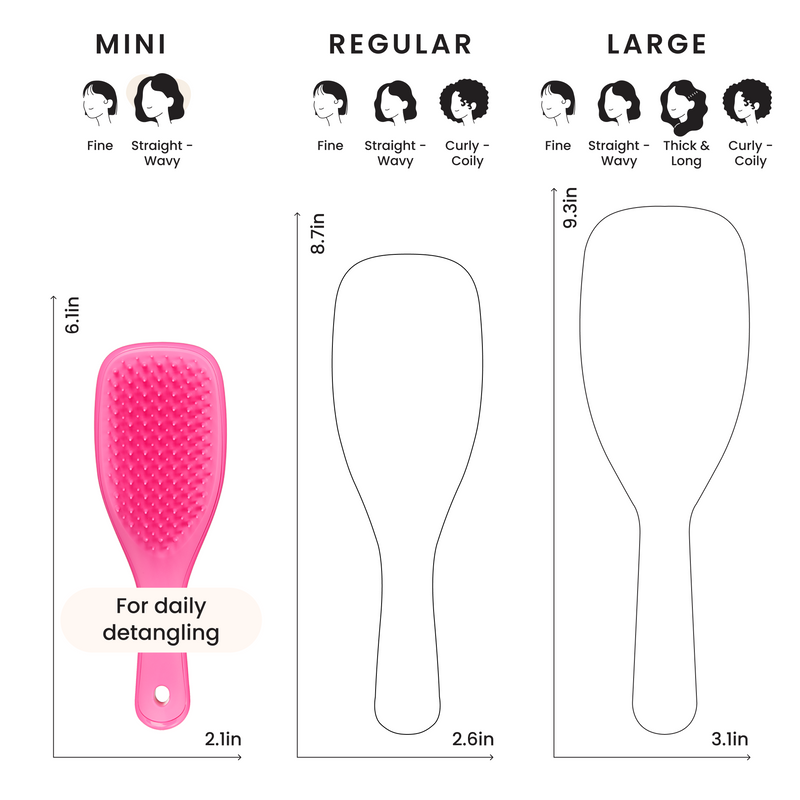
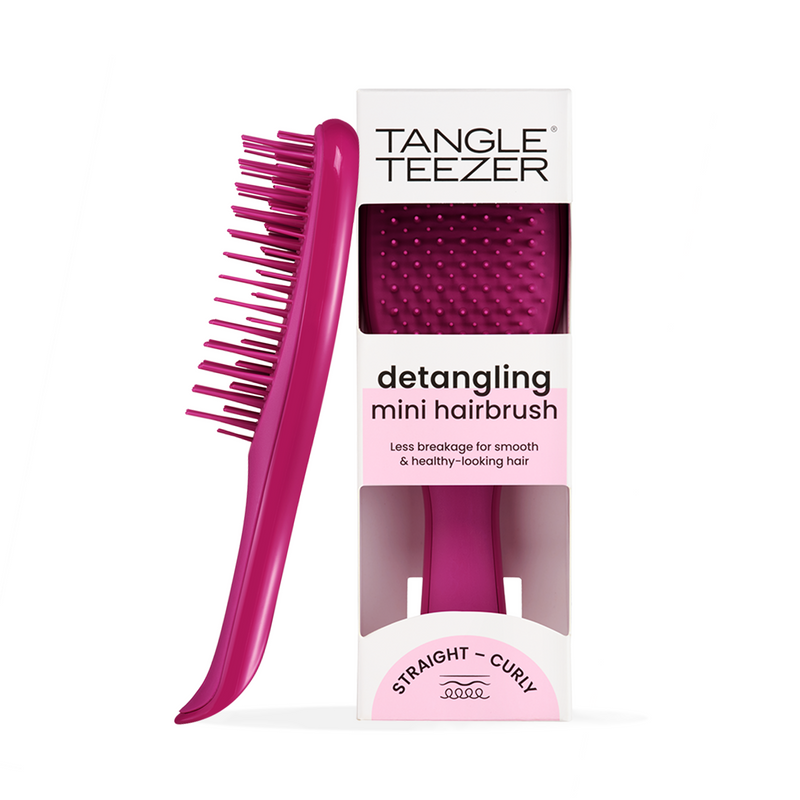
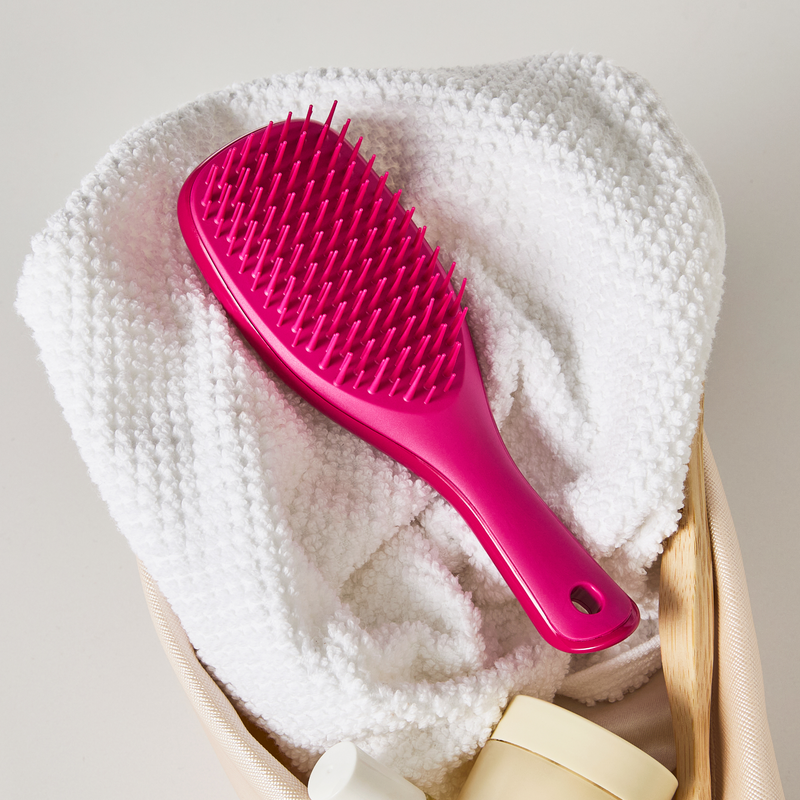
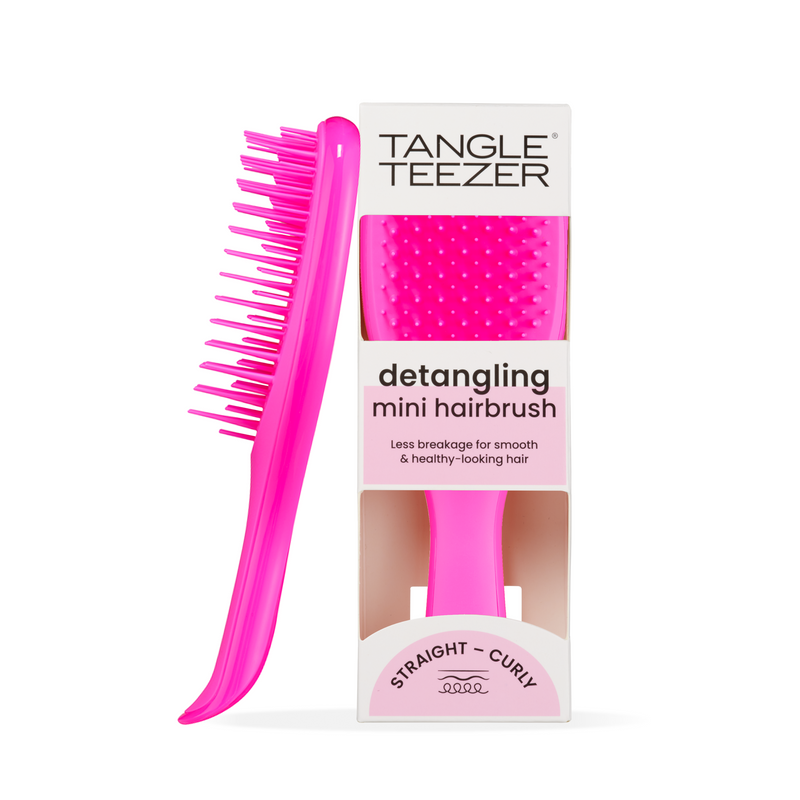
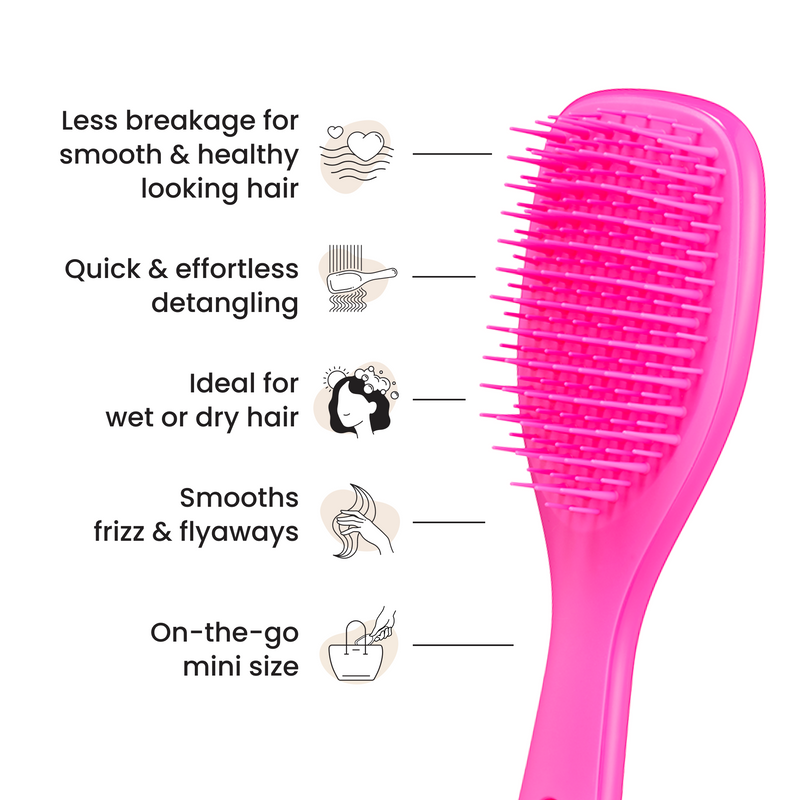
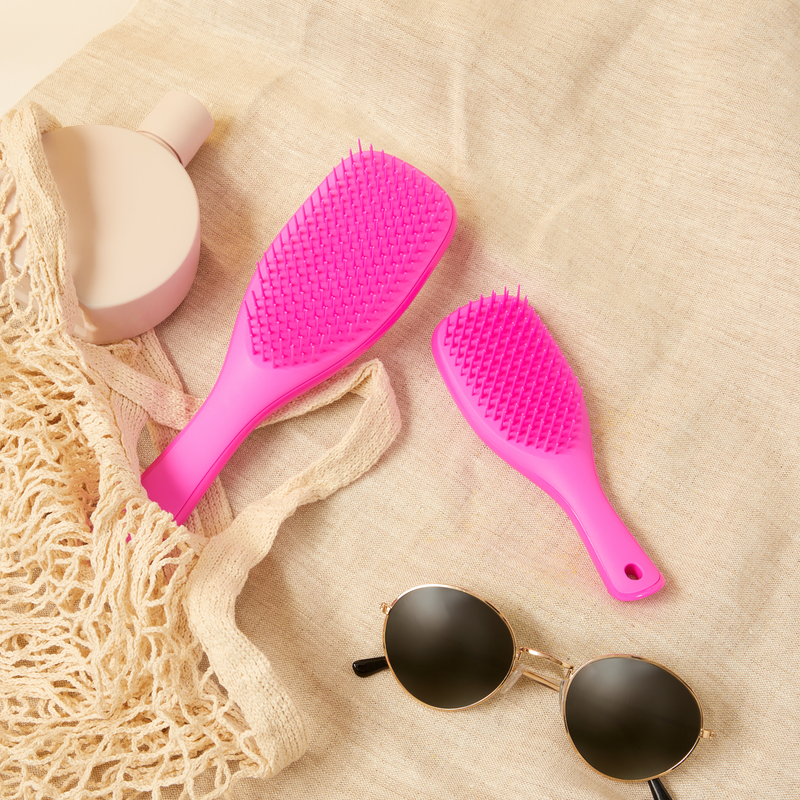
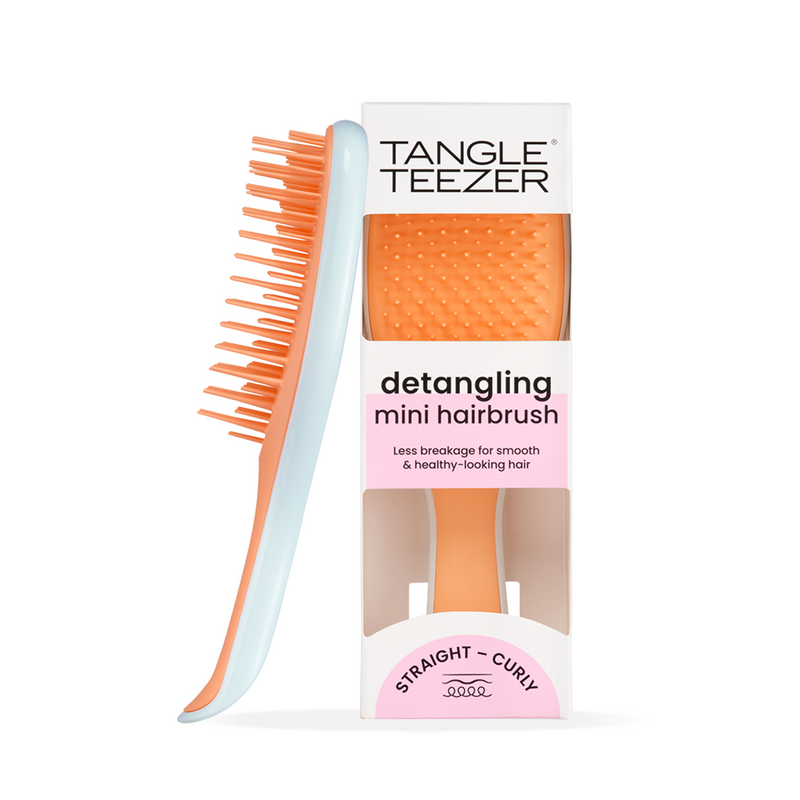
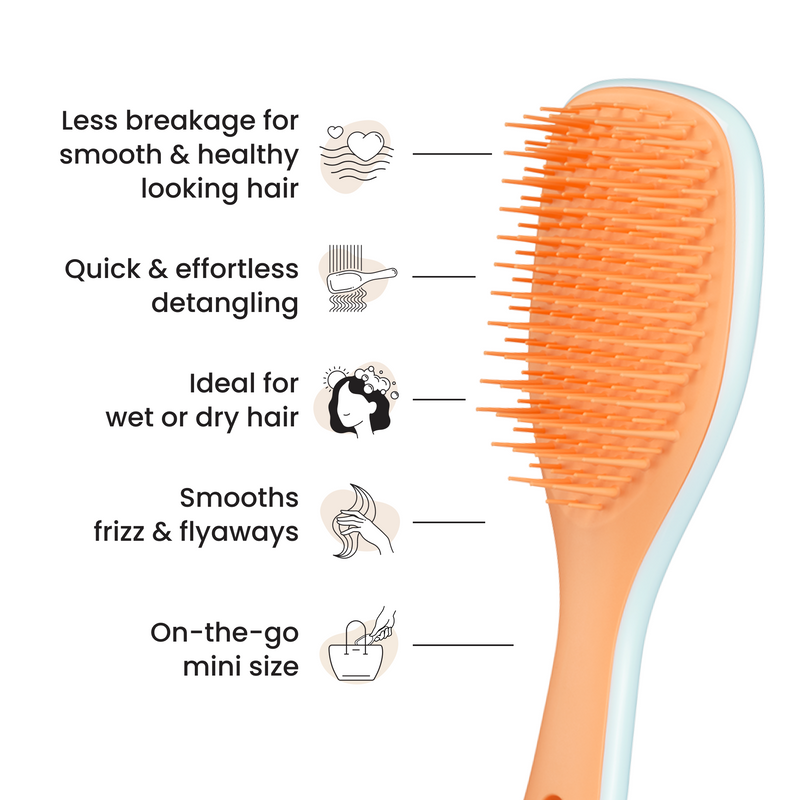
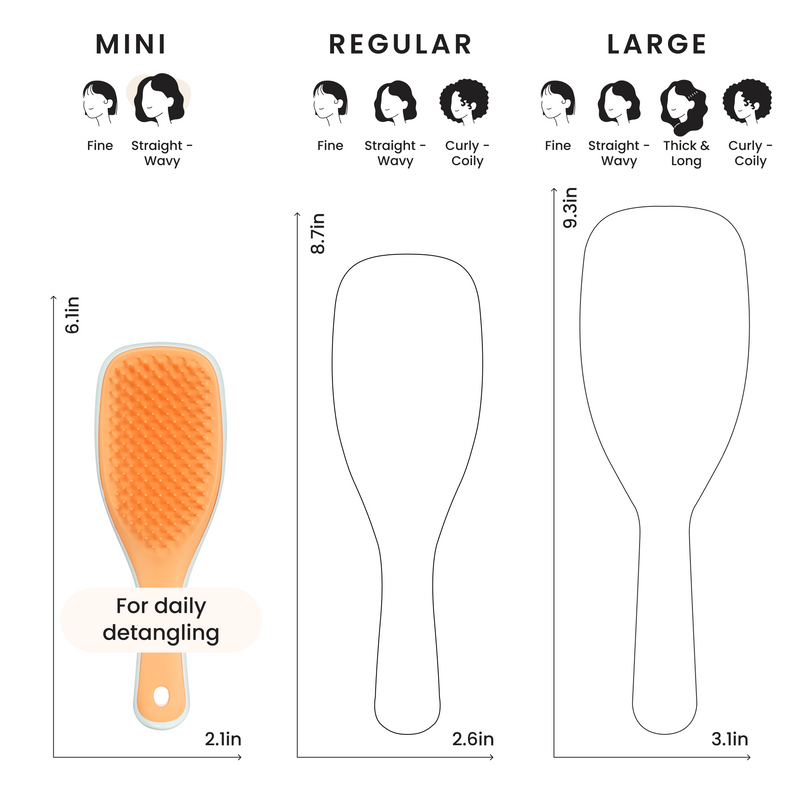
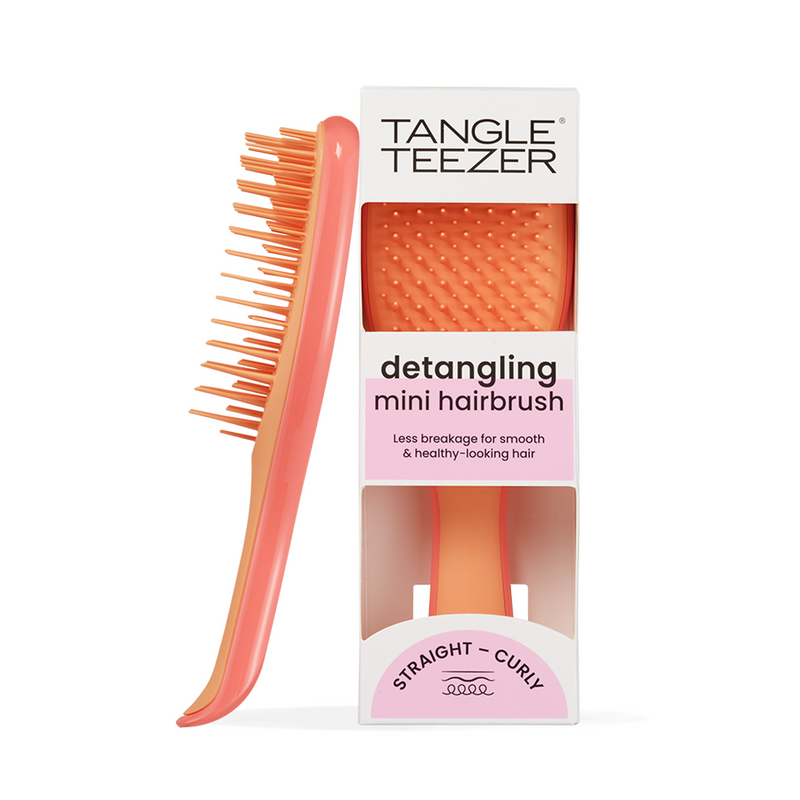
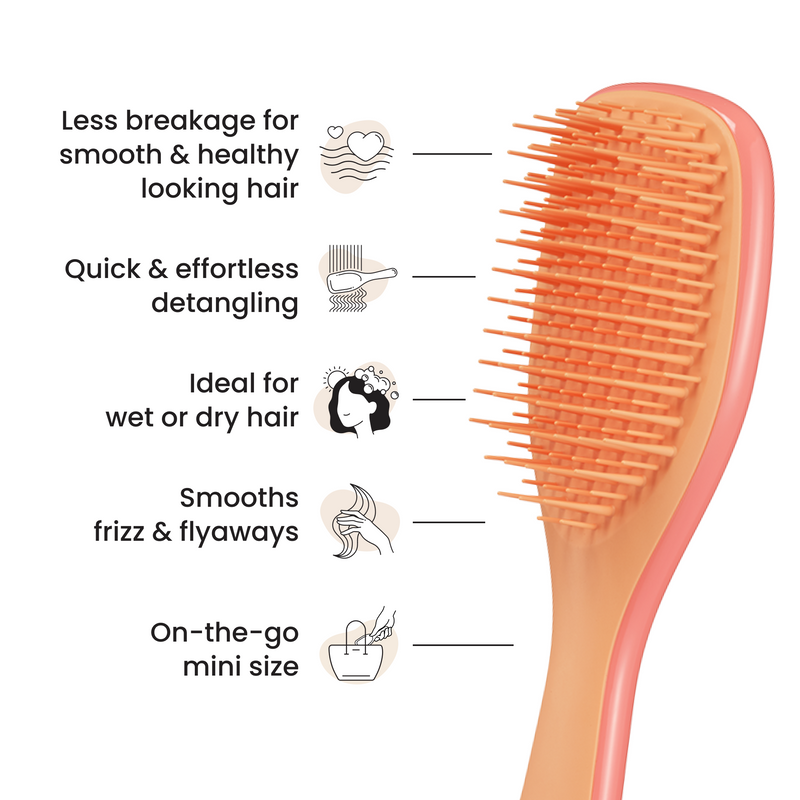
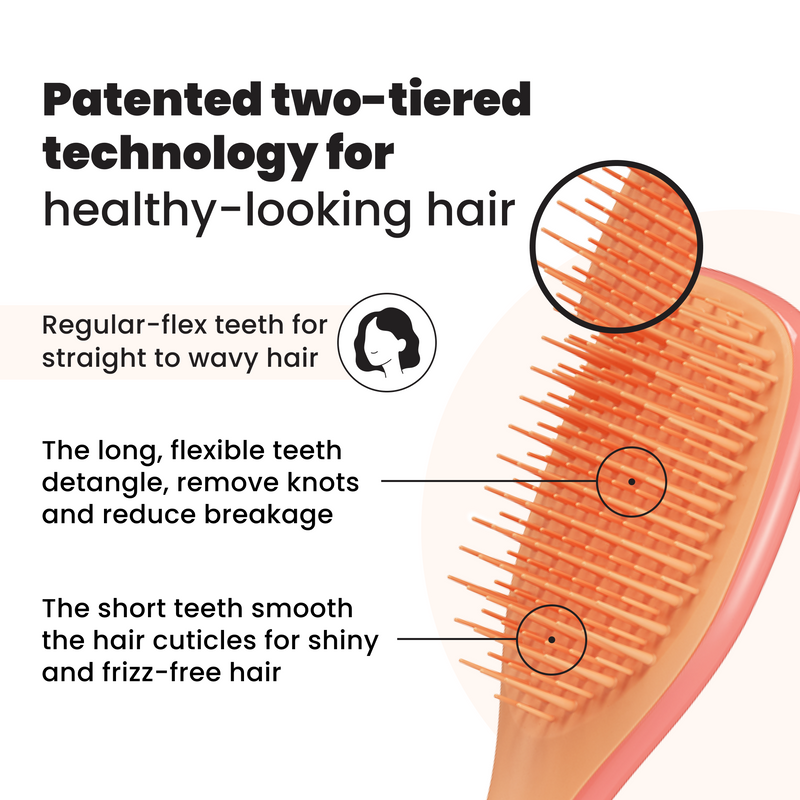
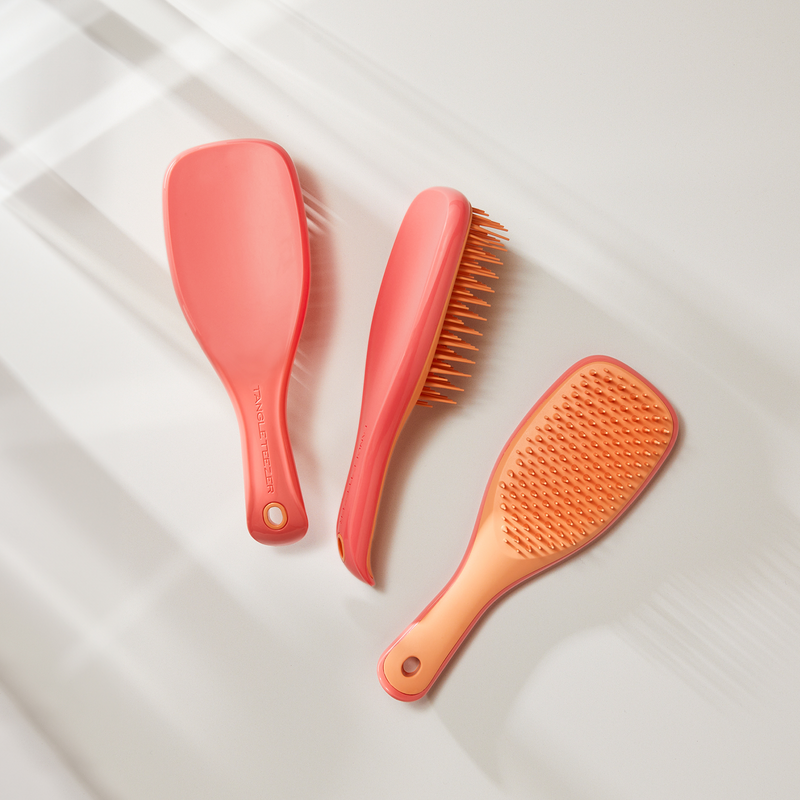
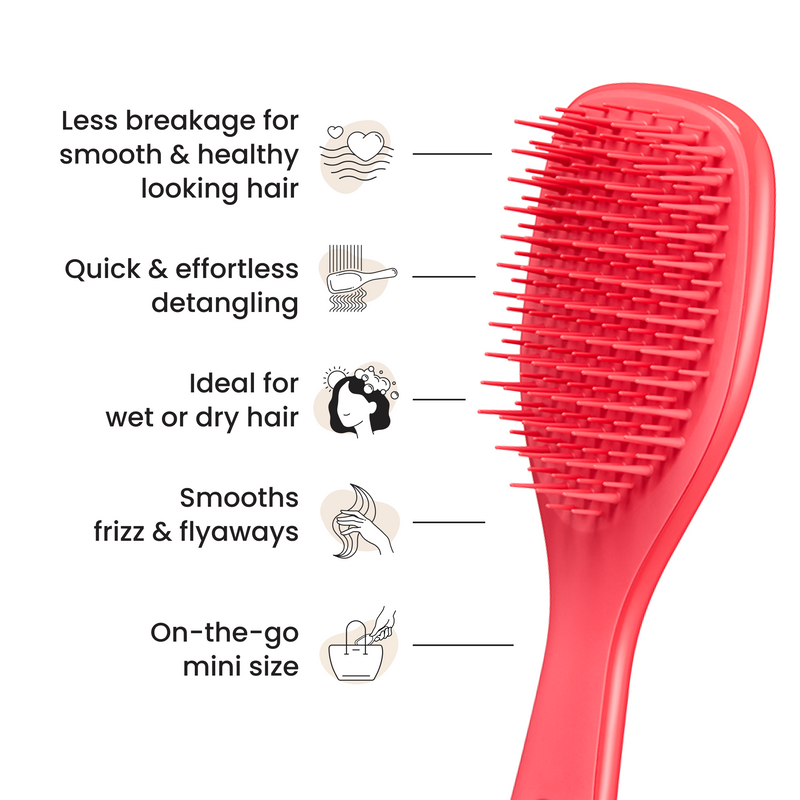
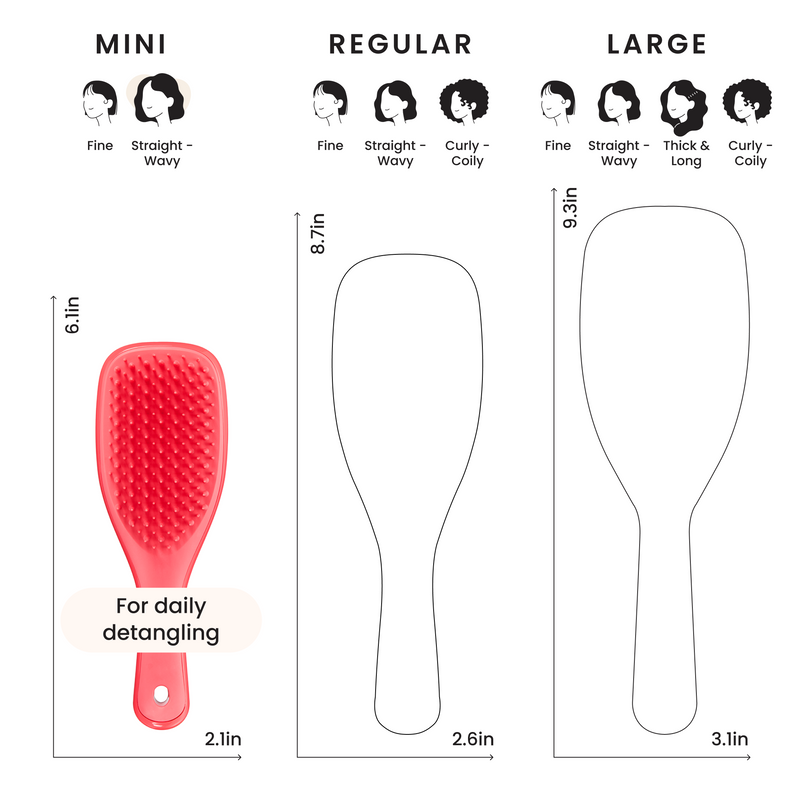
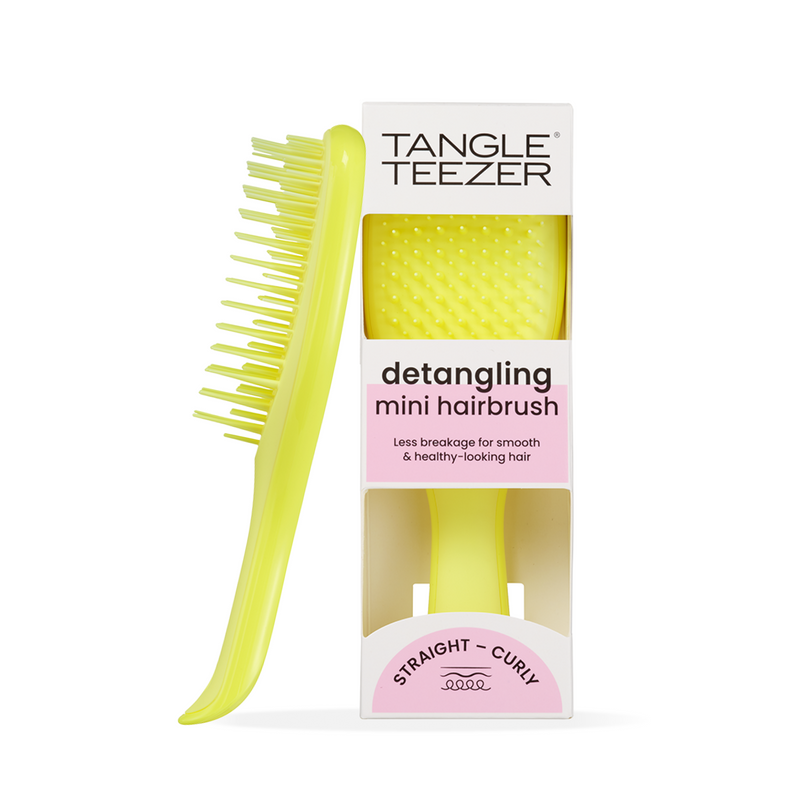
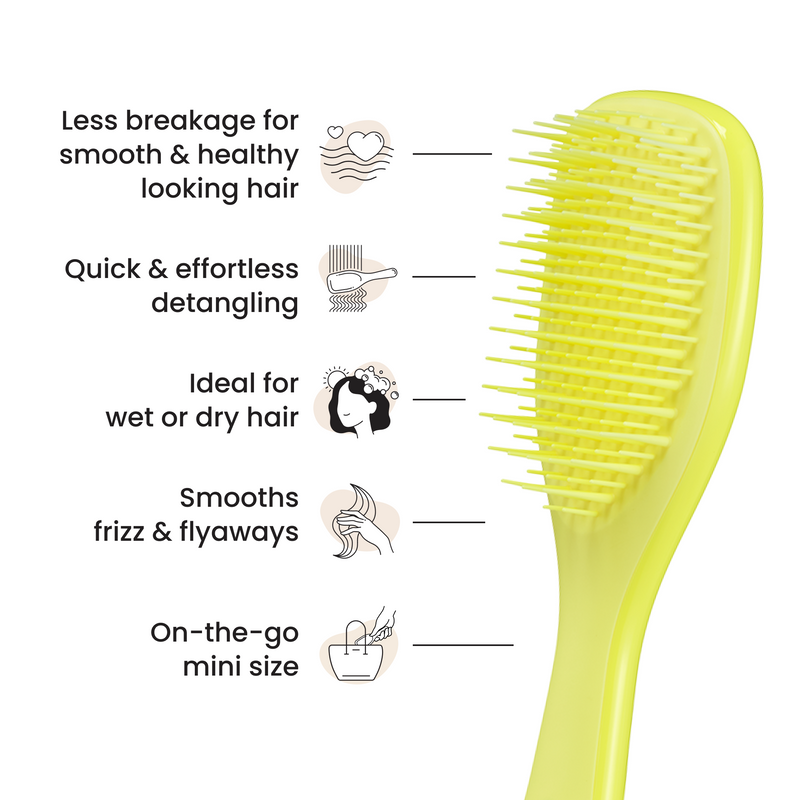
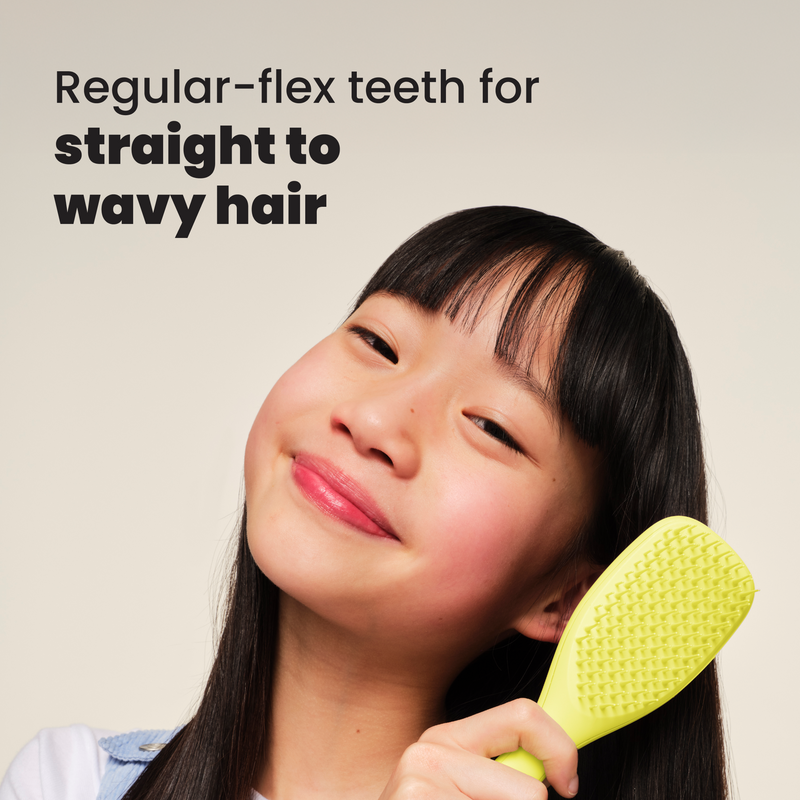
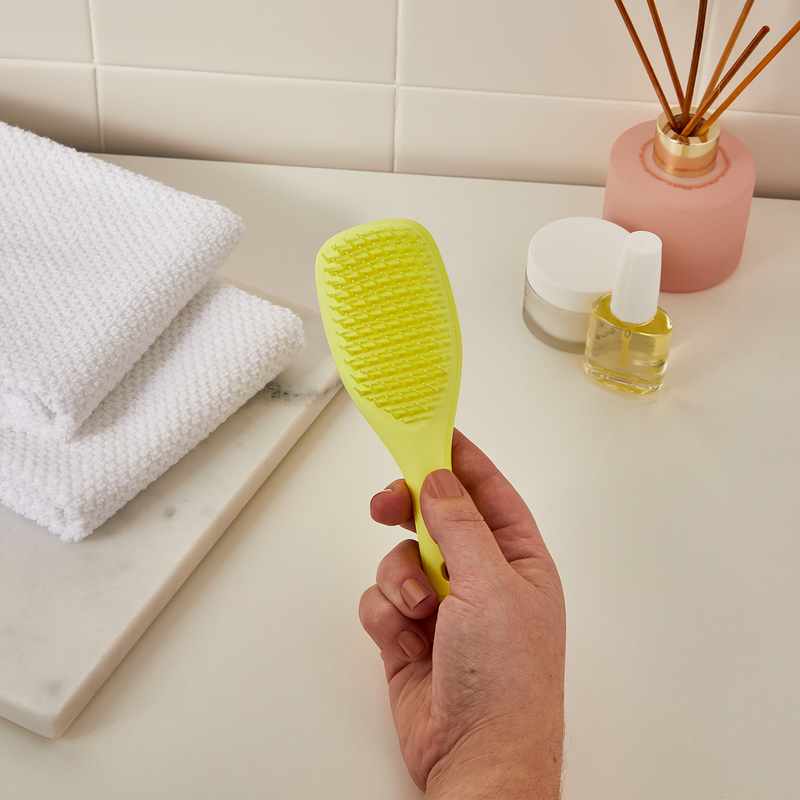
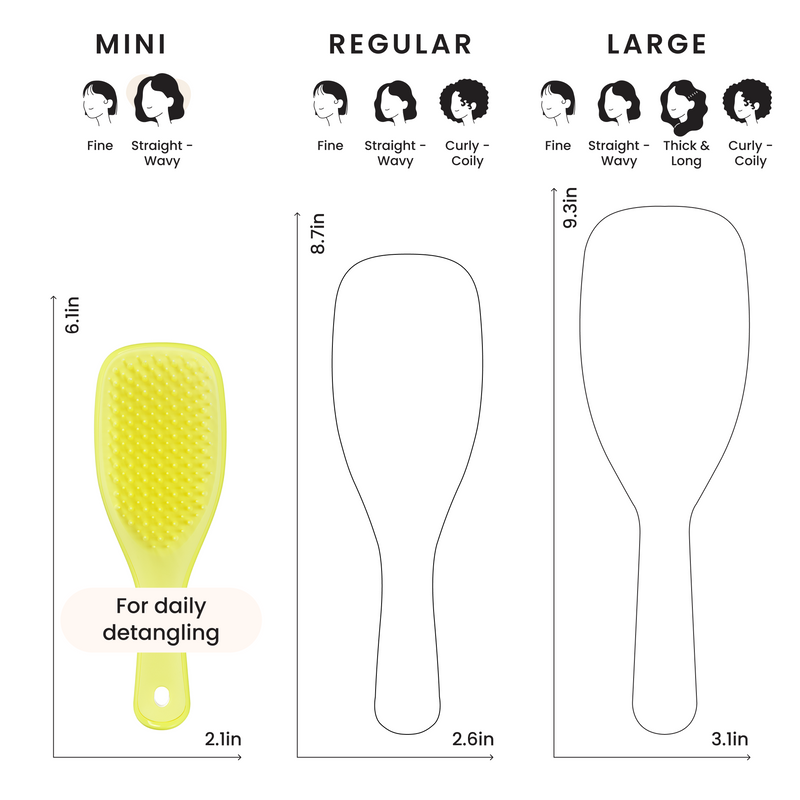
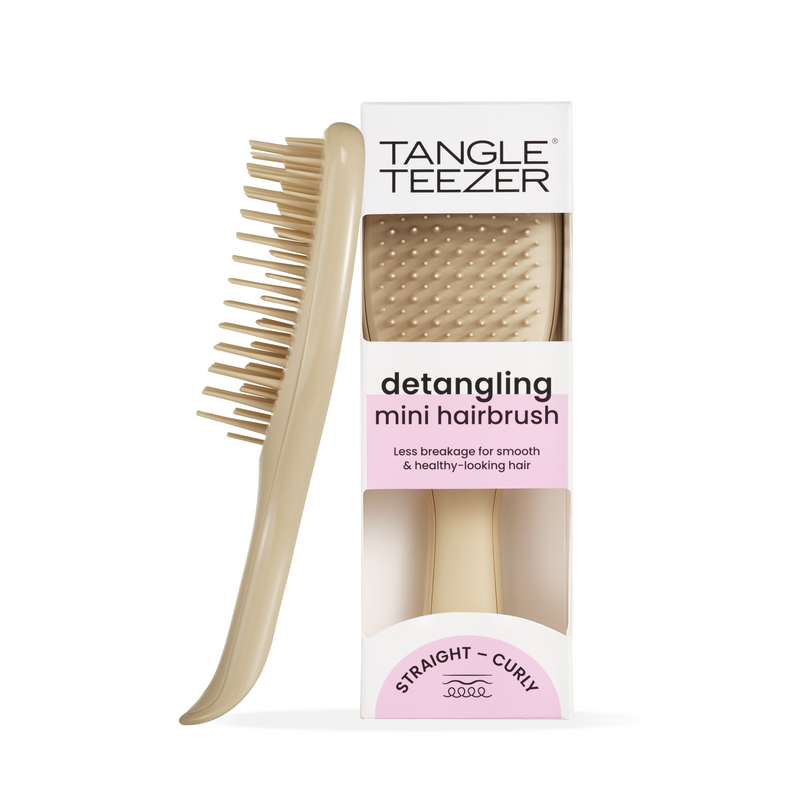
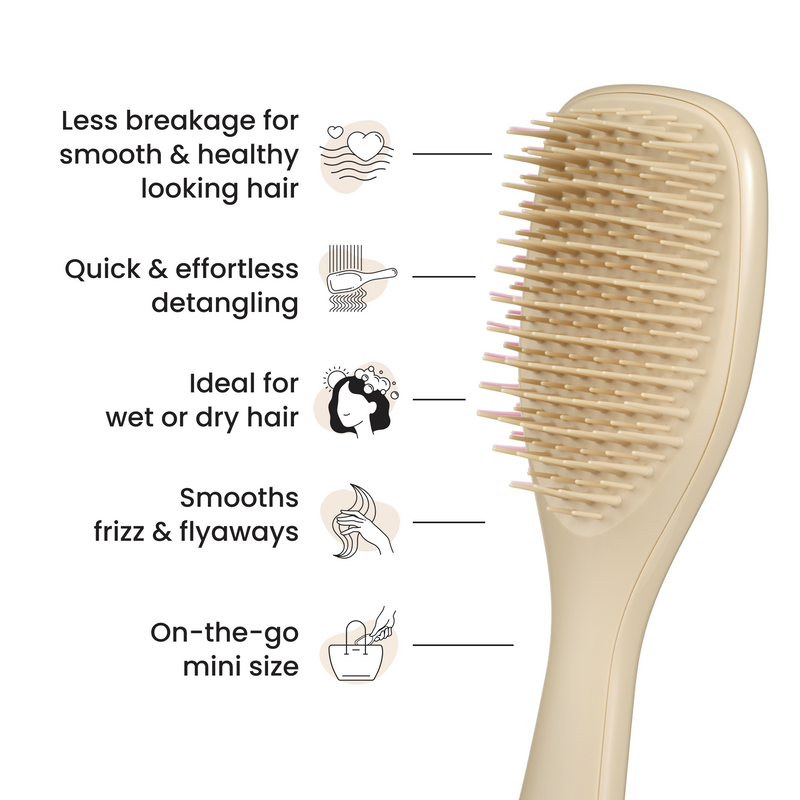
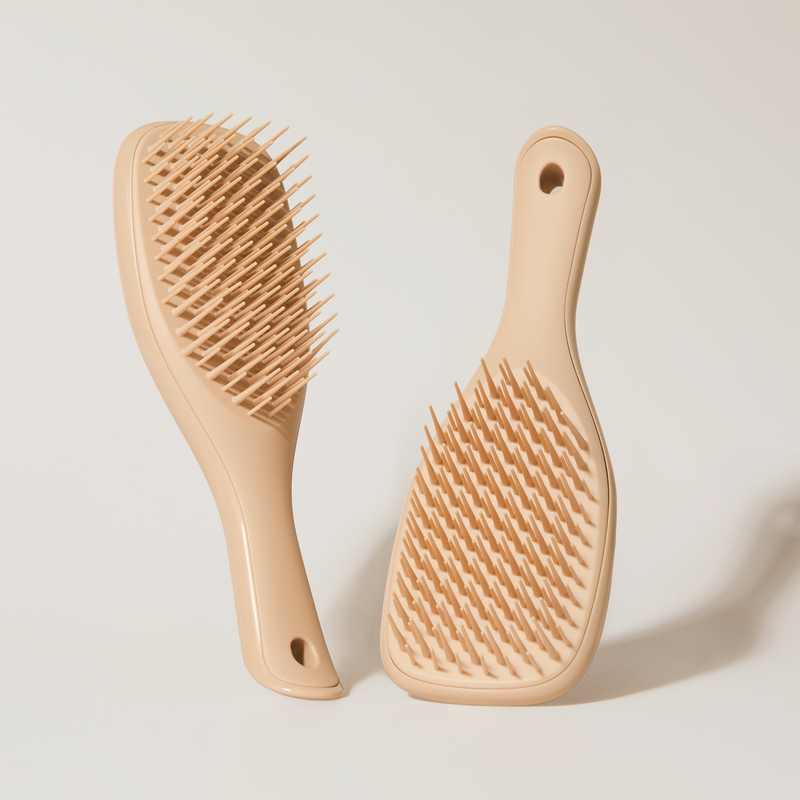
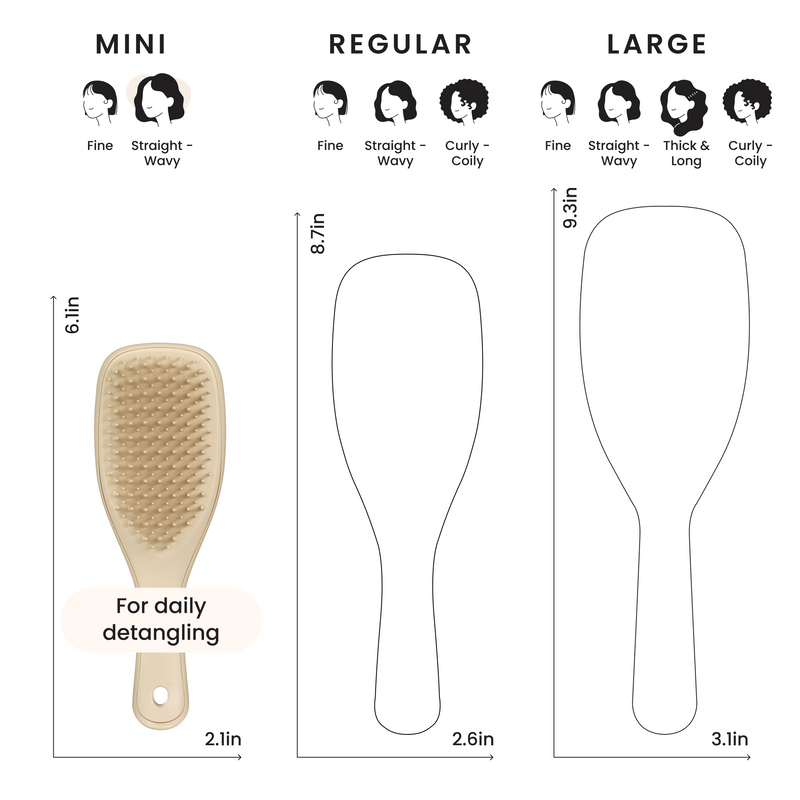
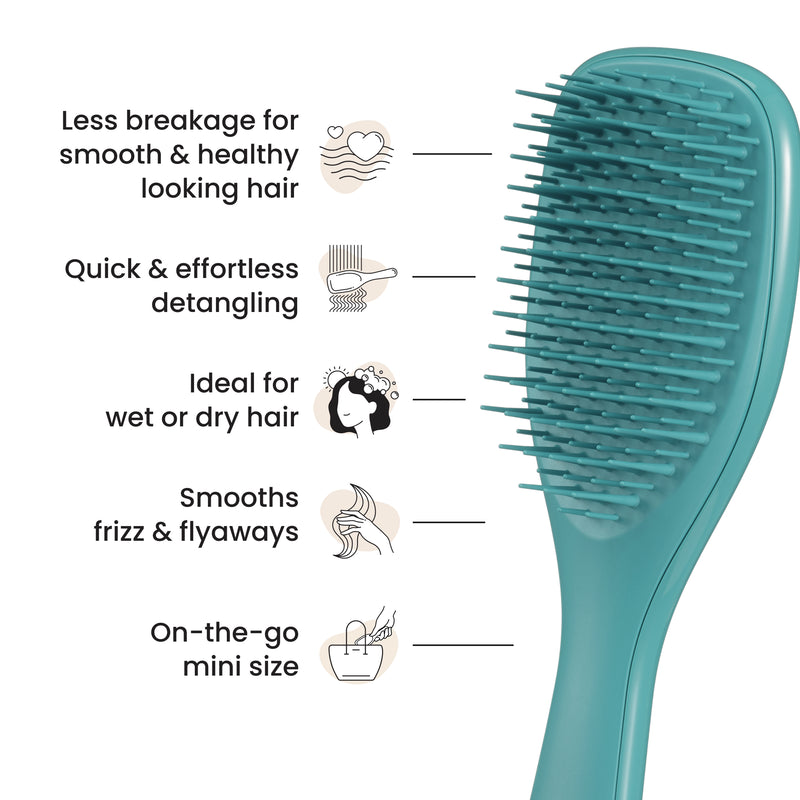
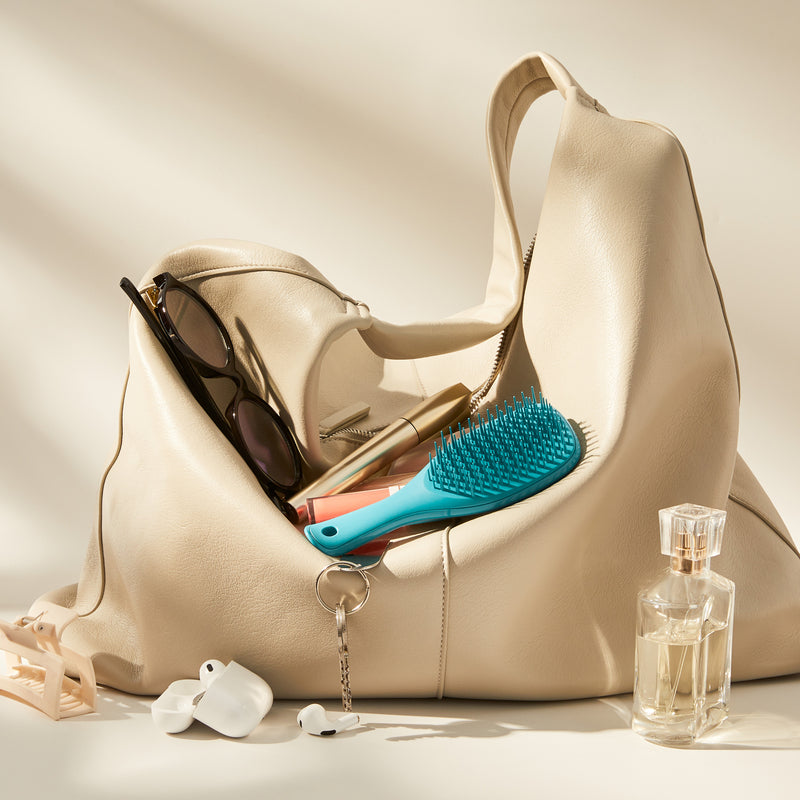
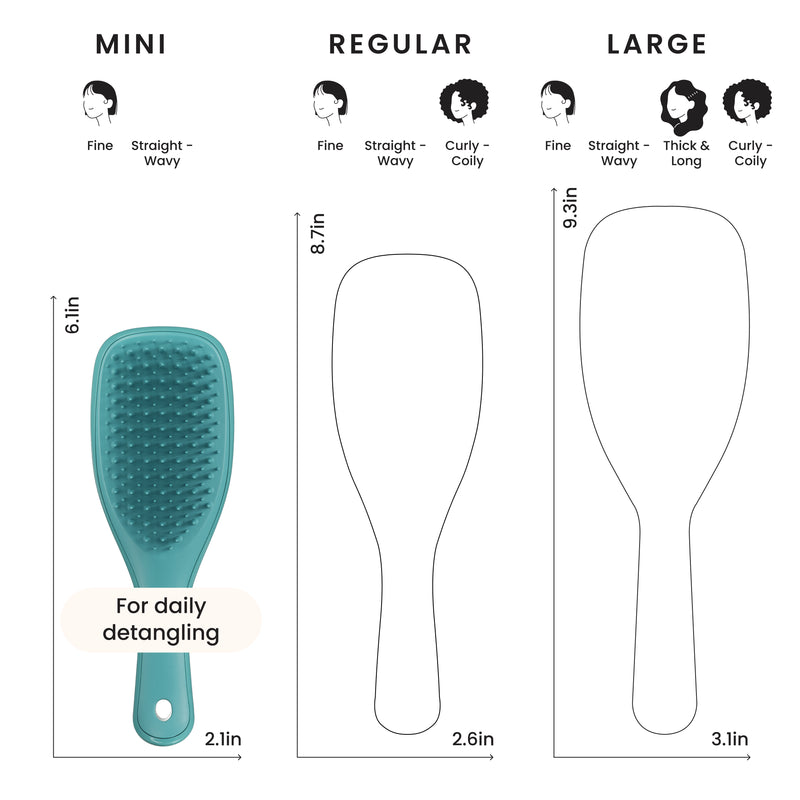
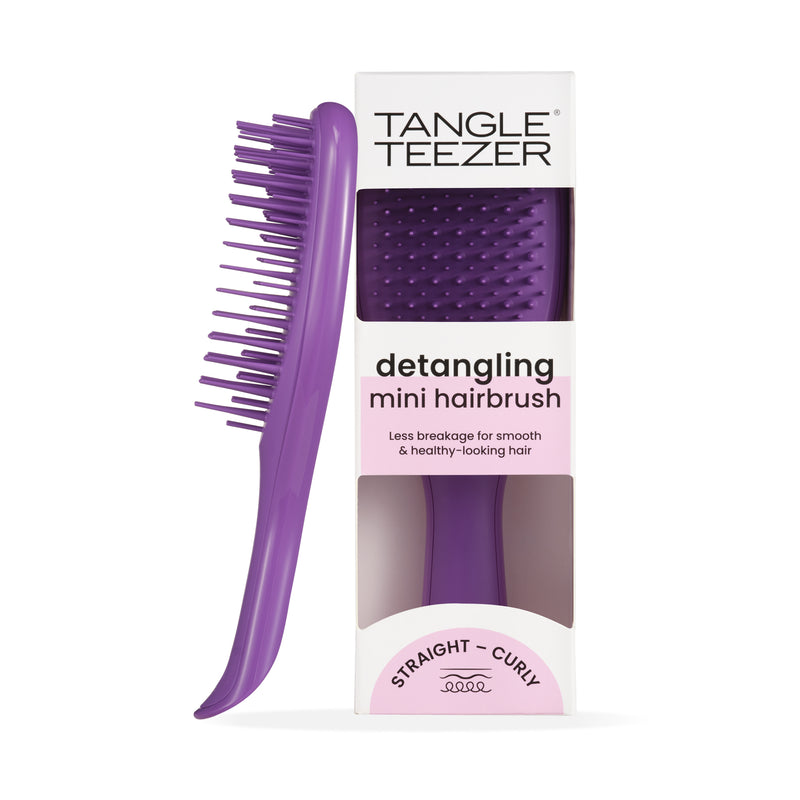
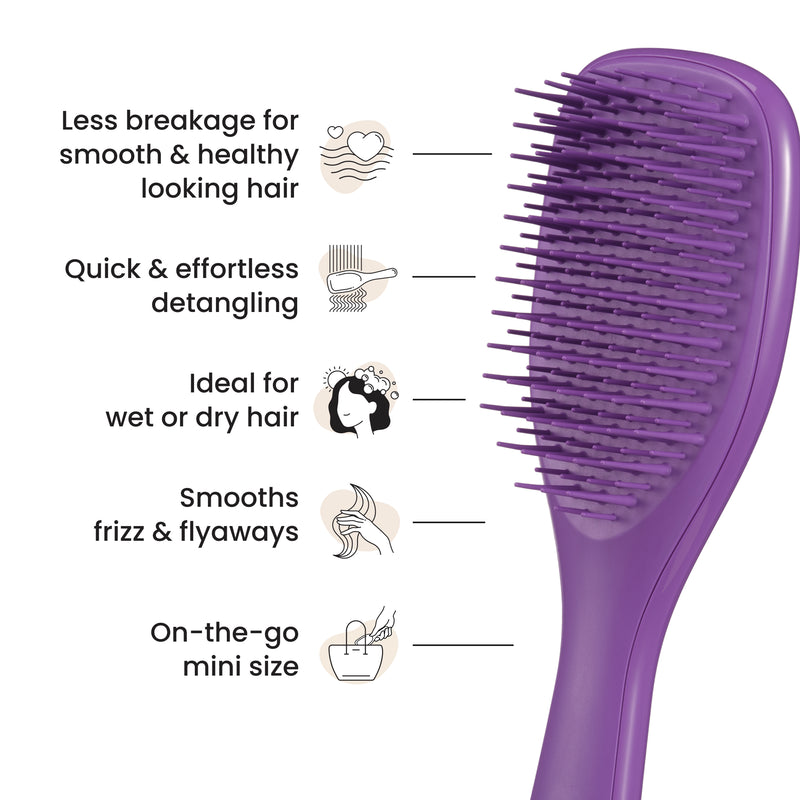
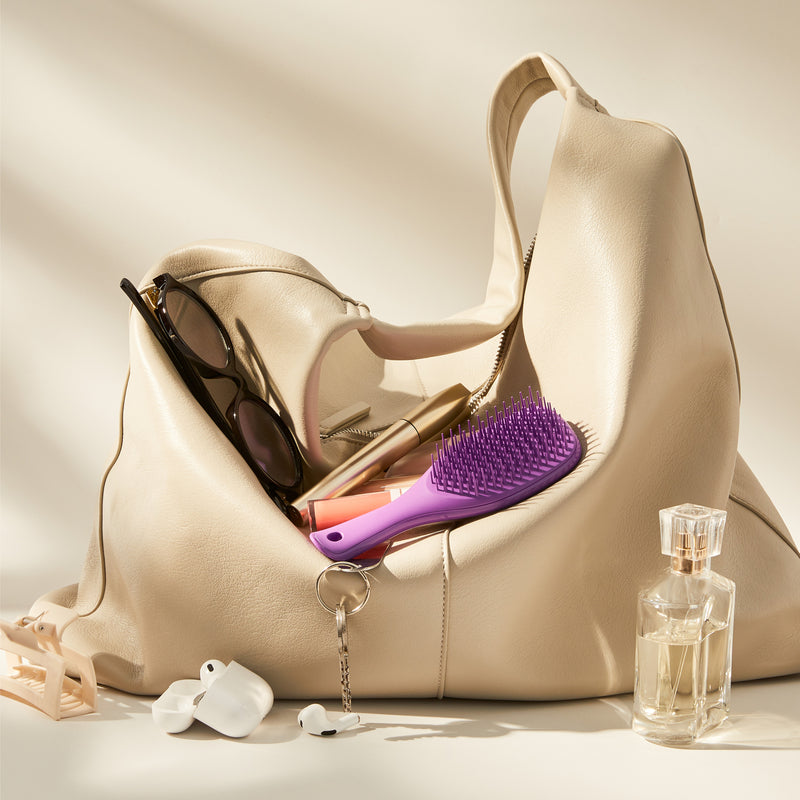
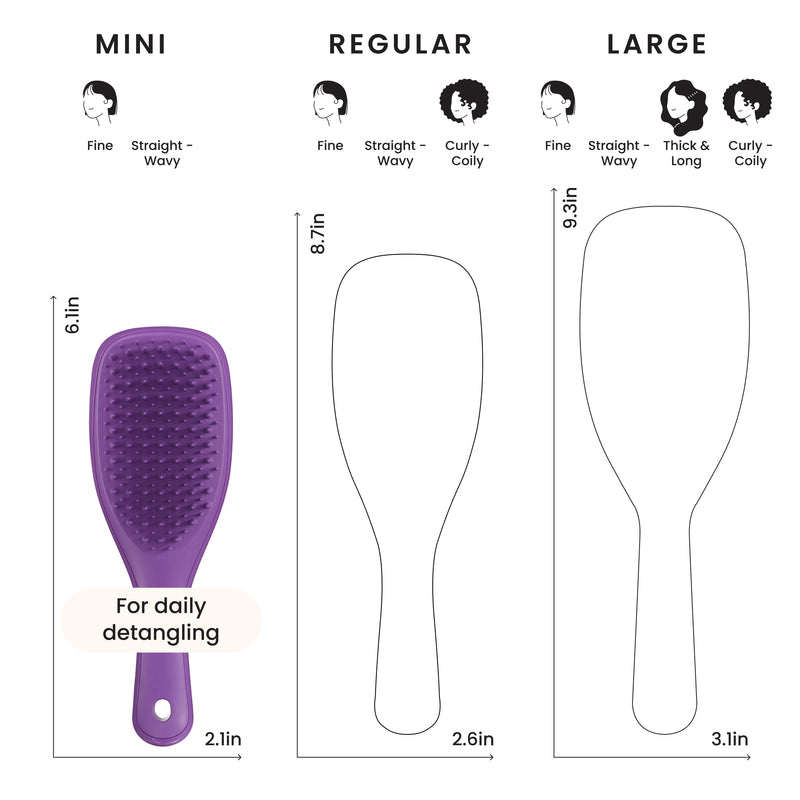
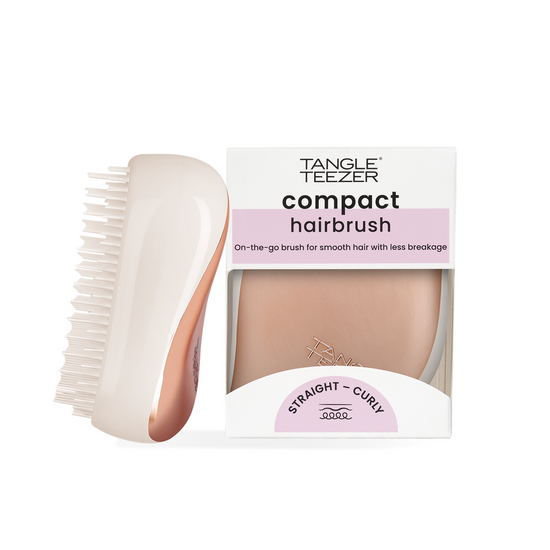
Tangle Teezer detangling brush: Works on wet or dry hair and is the single most useful thing you can have after a beach or pool day. The Mini Ultimate Detangler or the compact Styler both fit easily into a beach bag or festival backpack.
-
UV hair protection spray: Protects against sun damage, color fade and dryness. Apply before sun exposure and reapply if you are out for a long stretch.
-
Dry shampoo: Extends the life of a wash, adds volume and grip, and is non-negotiable for festival season or any day when washing is not an option.
-
Deep conditioning mask: Use weekly to restore moisture. Leave in for longer than the packaging suggests if your hair is particularly dry or damaged.
-
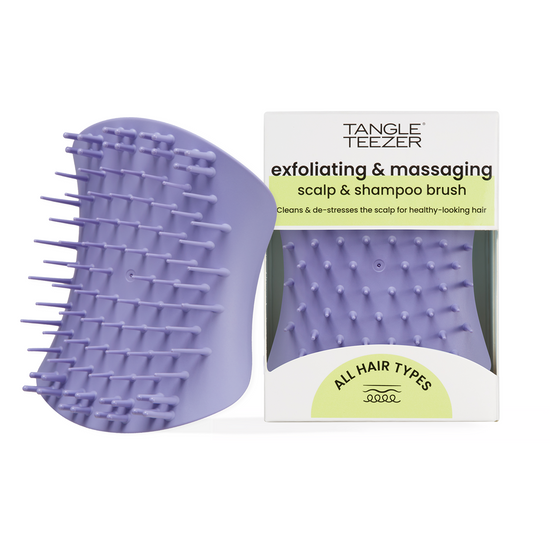
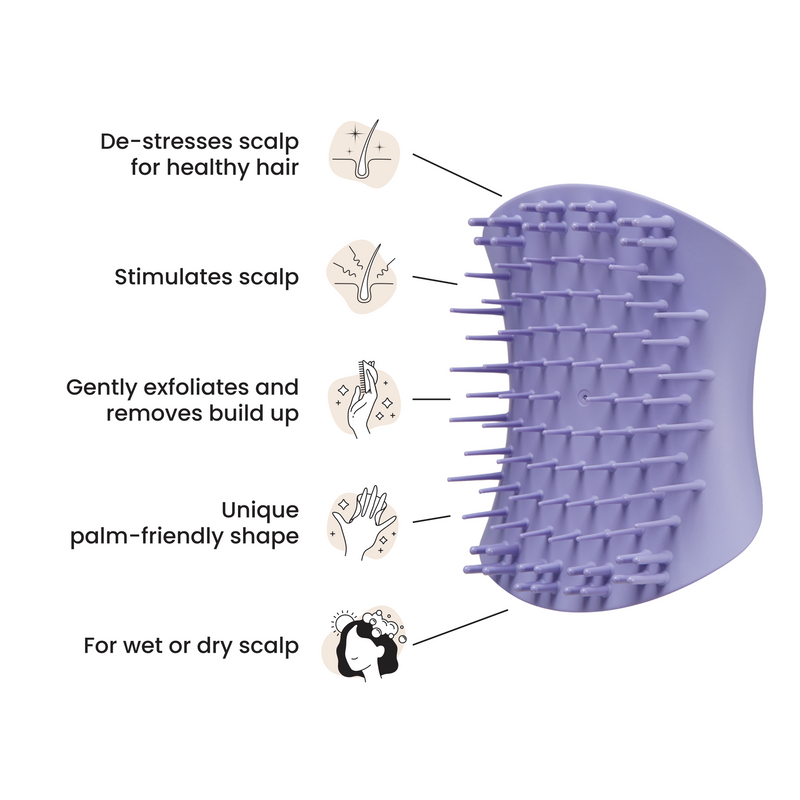
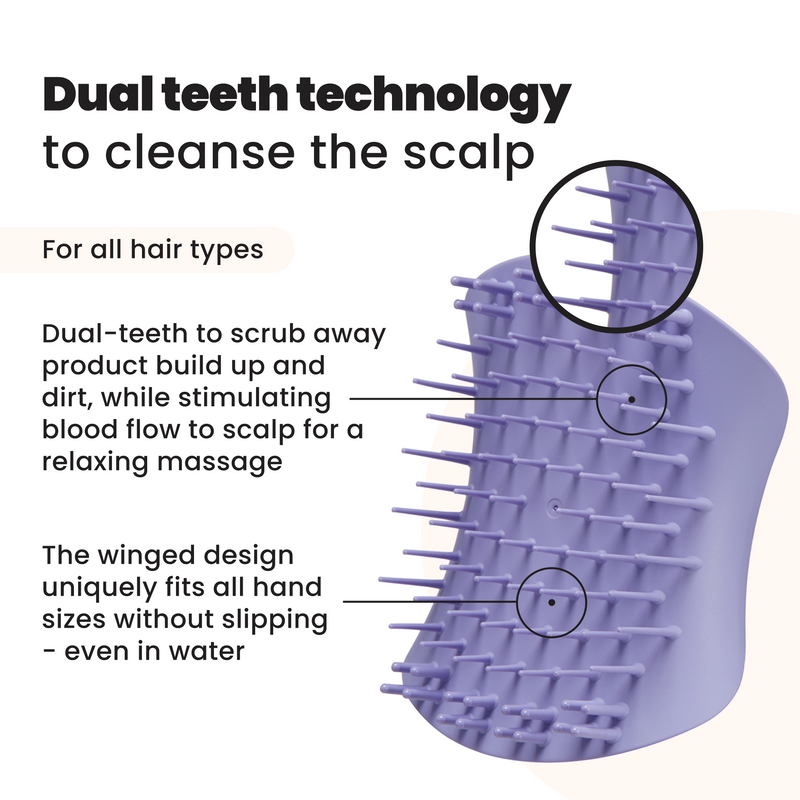
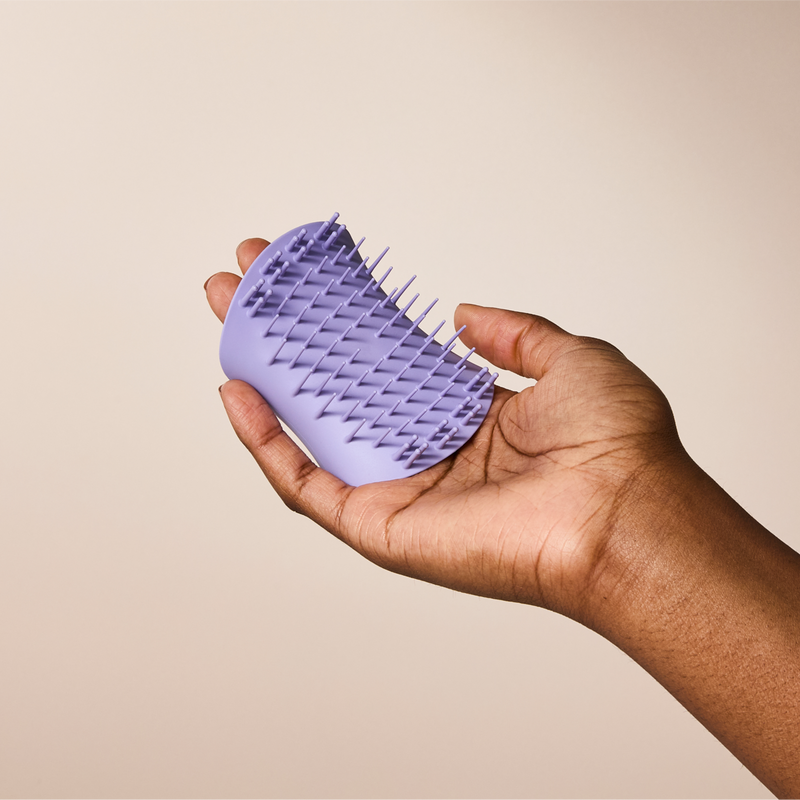
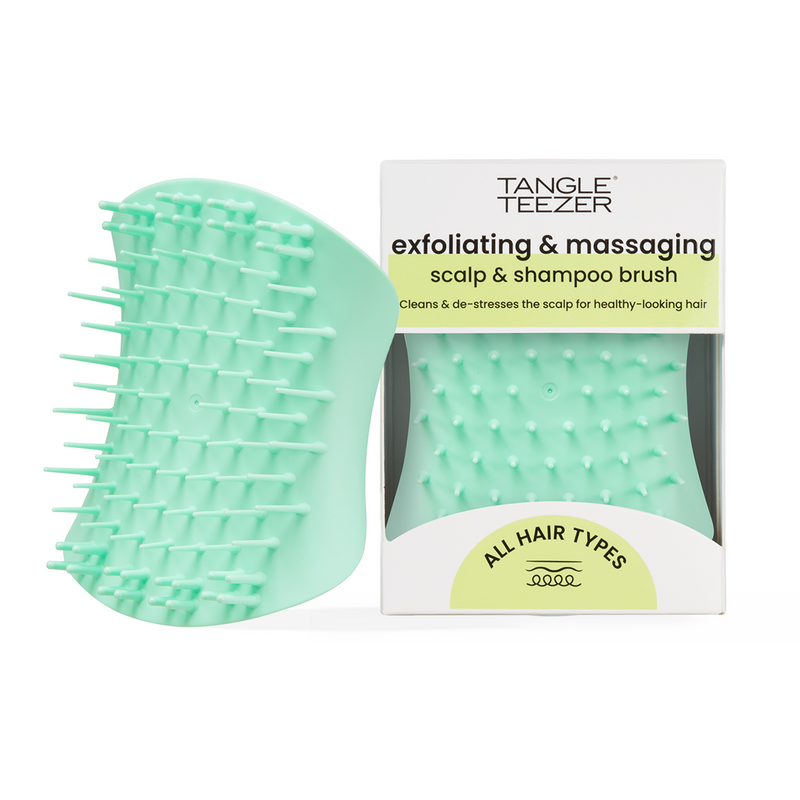
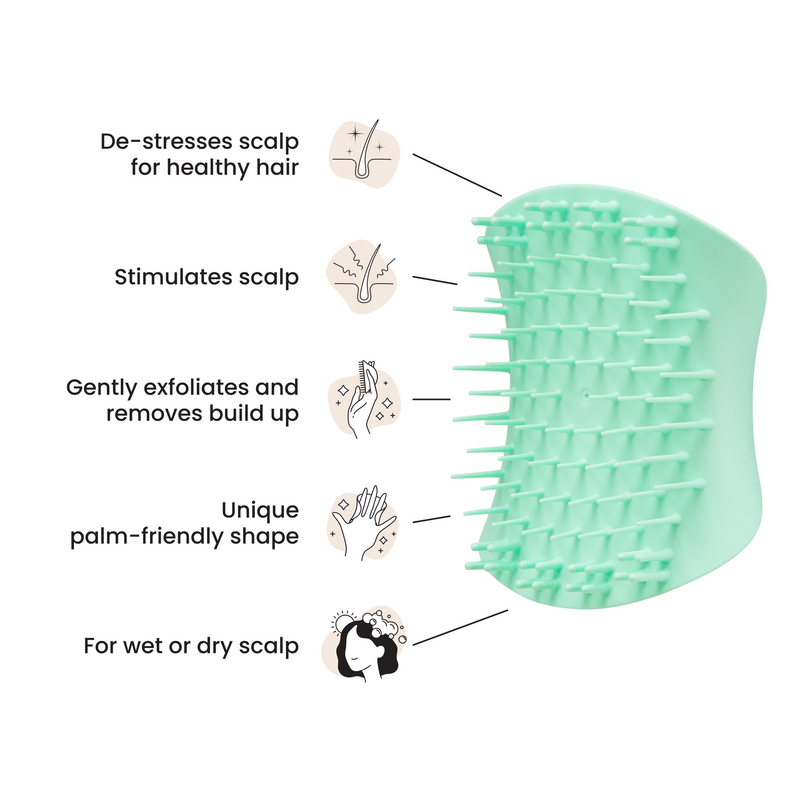
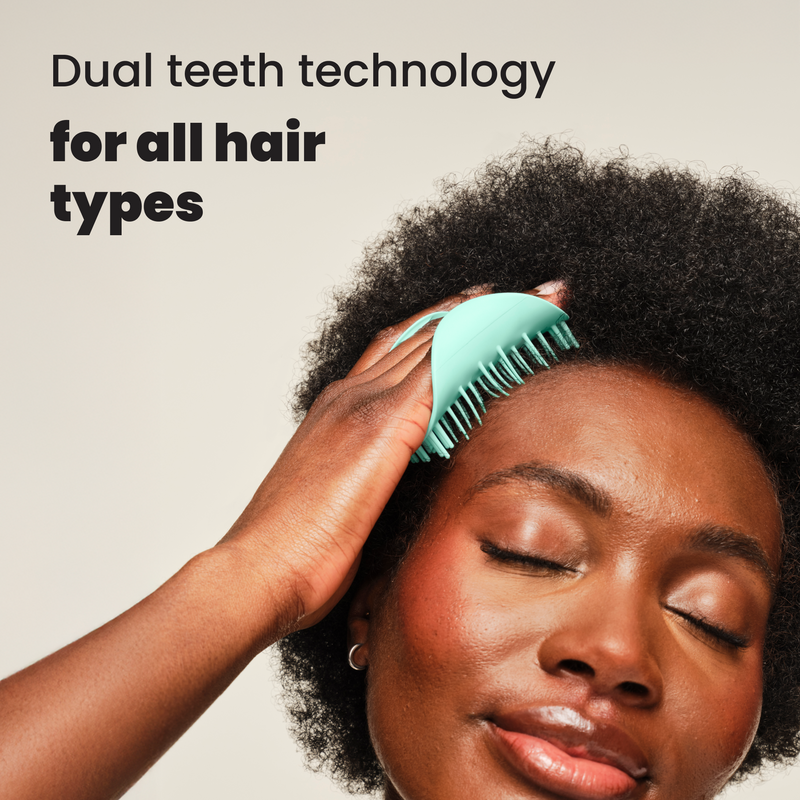
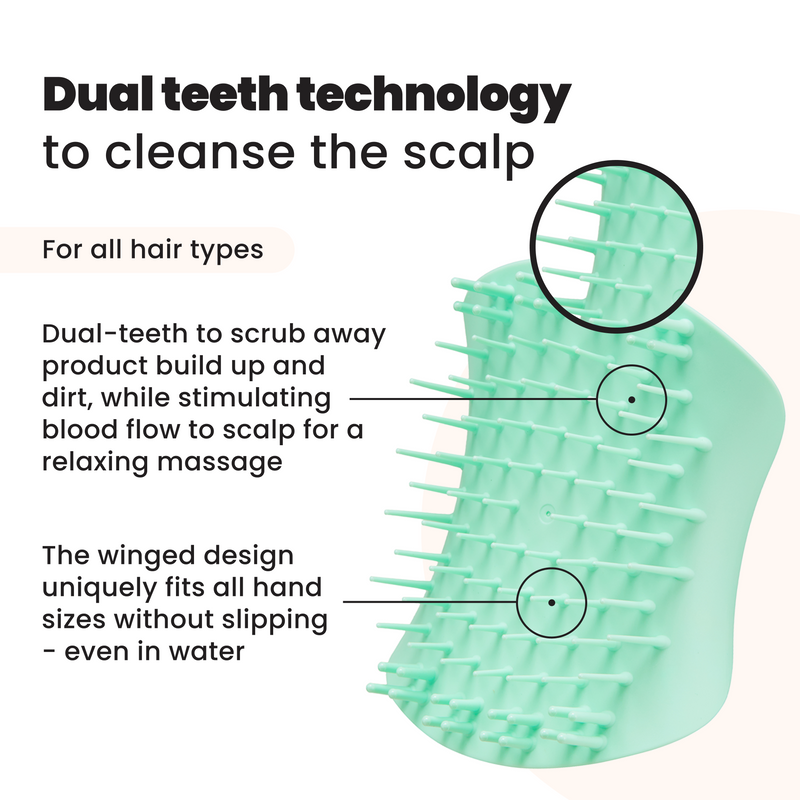
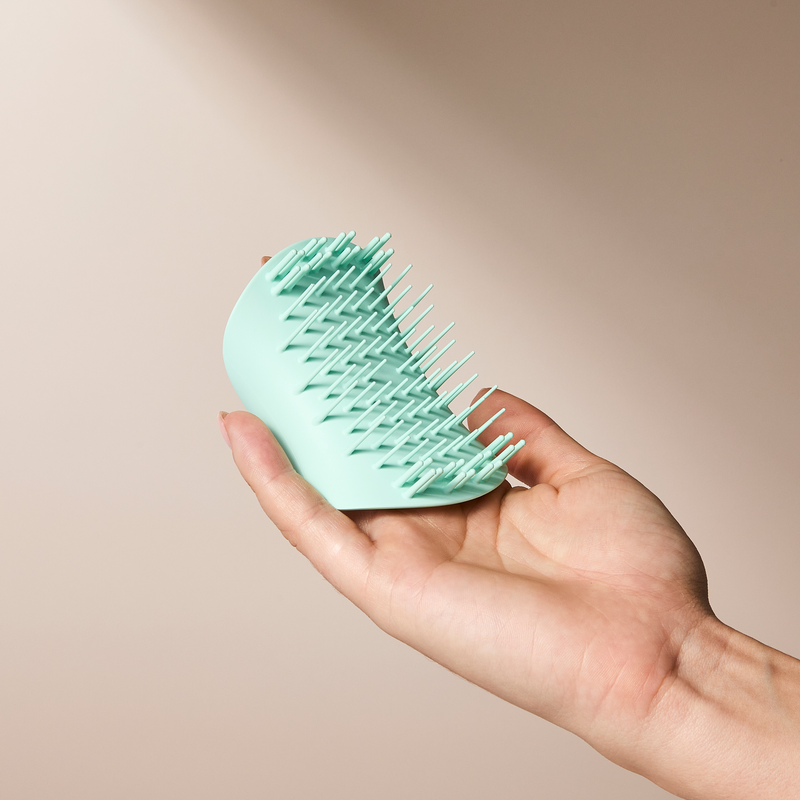
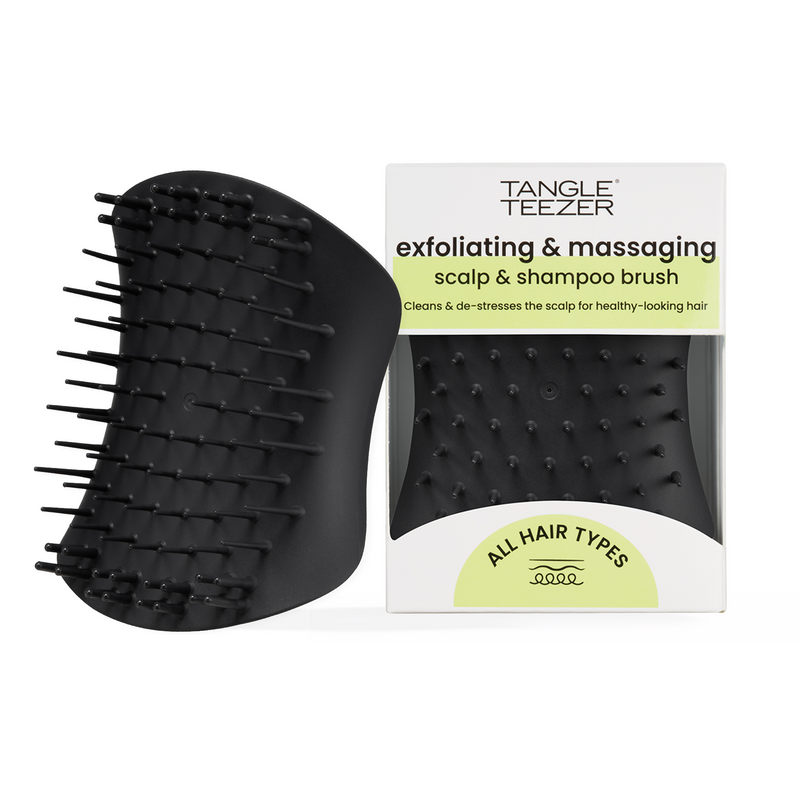
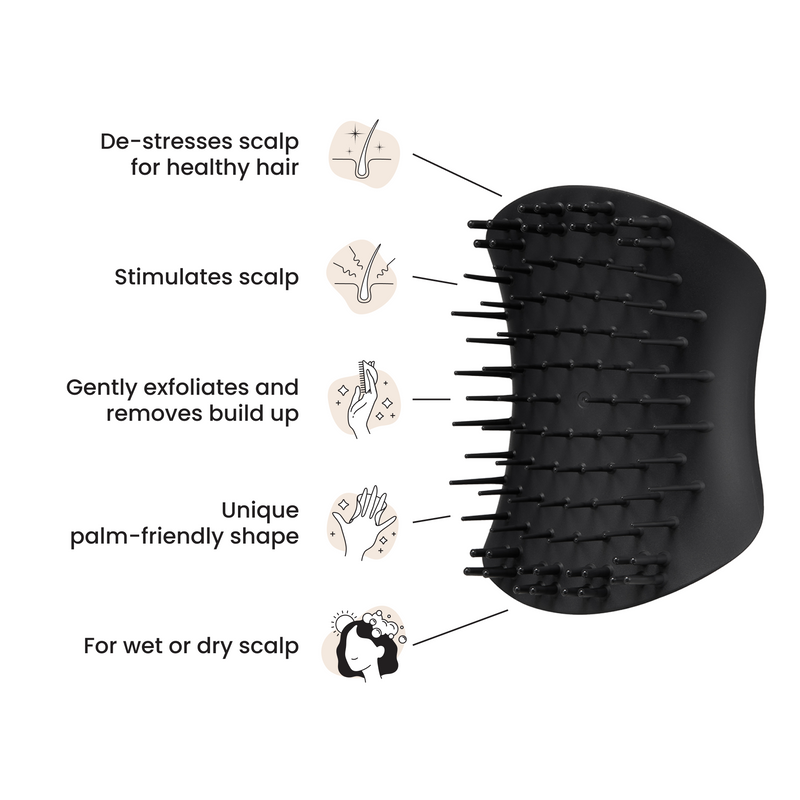
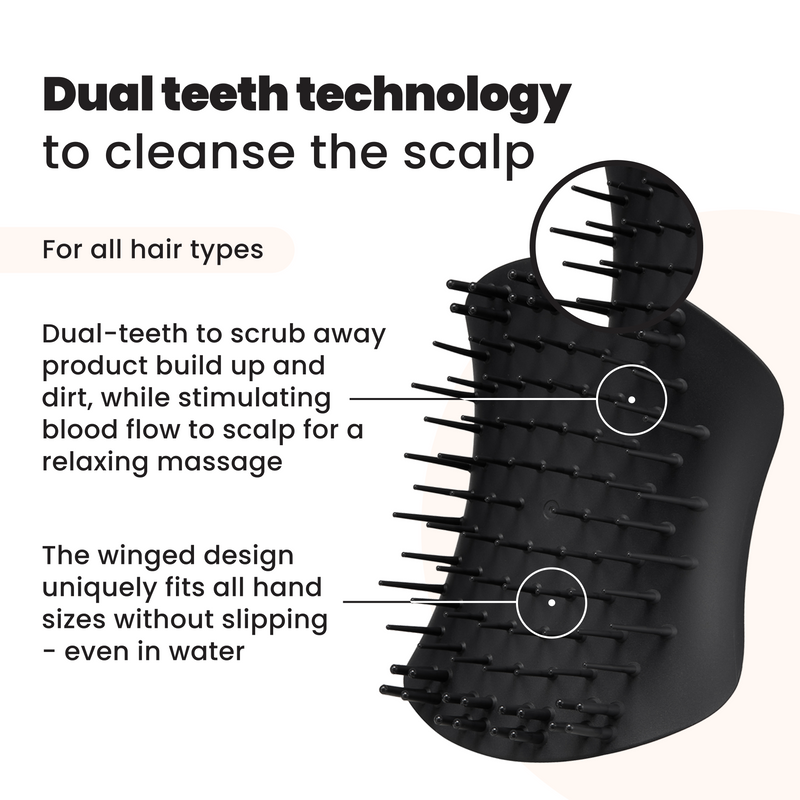
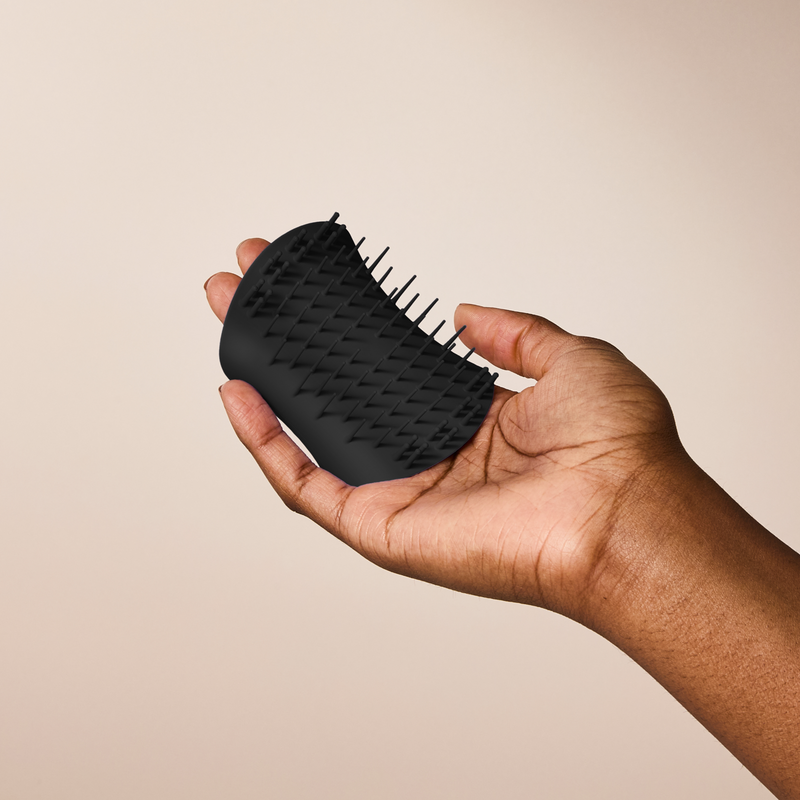
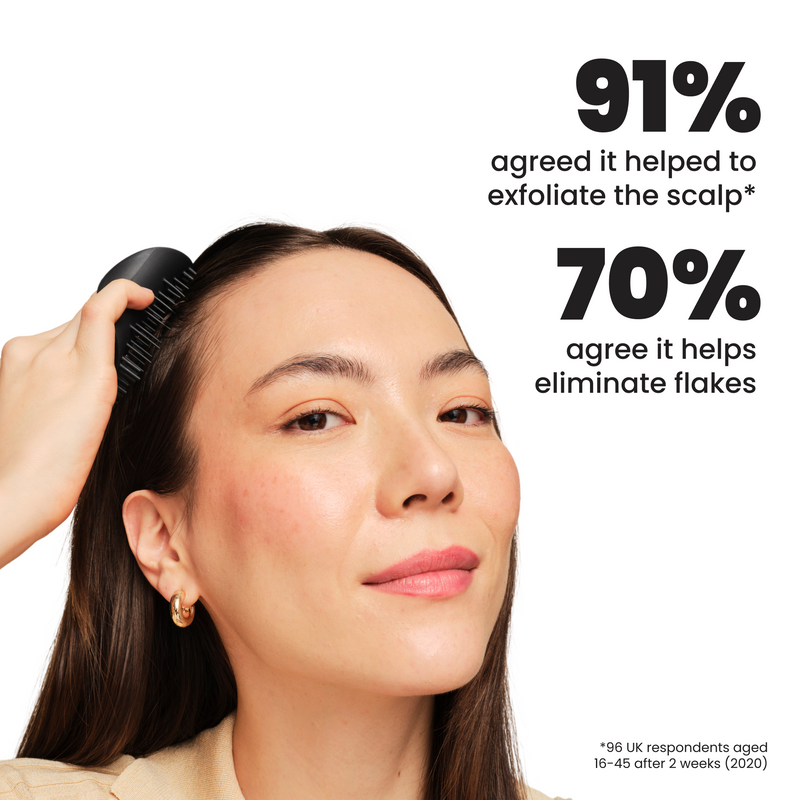
Tangle Teezer Scalp Exfoliator and Massager: Brilliant for clearing product build-up and sweat from the scalp in summer. A healthy scalp is the foundation of healthy hair, and this is easy to overlook when you are focused on the lengths.
-
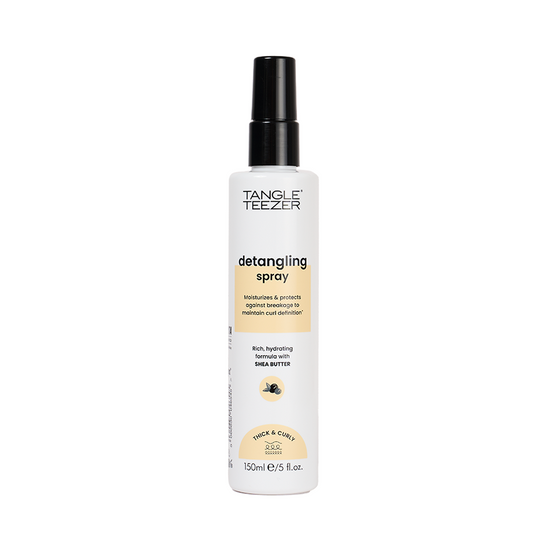
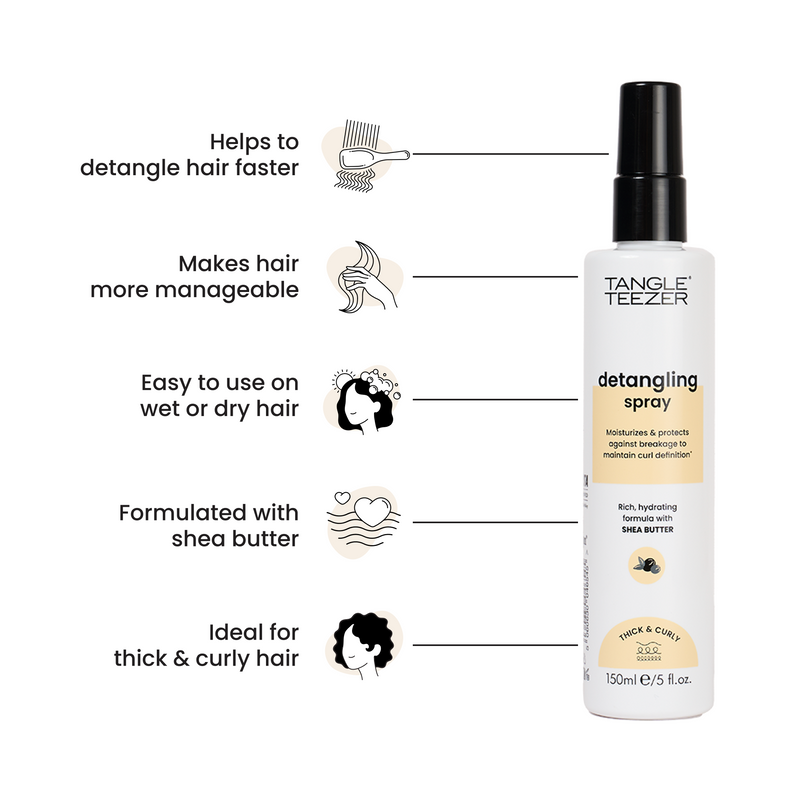
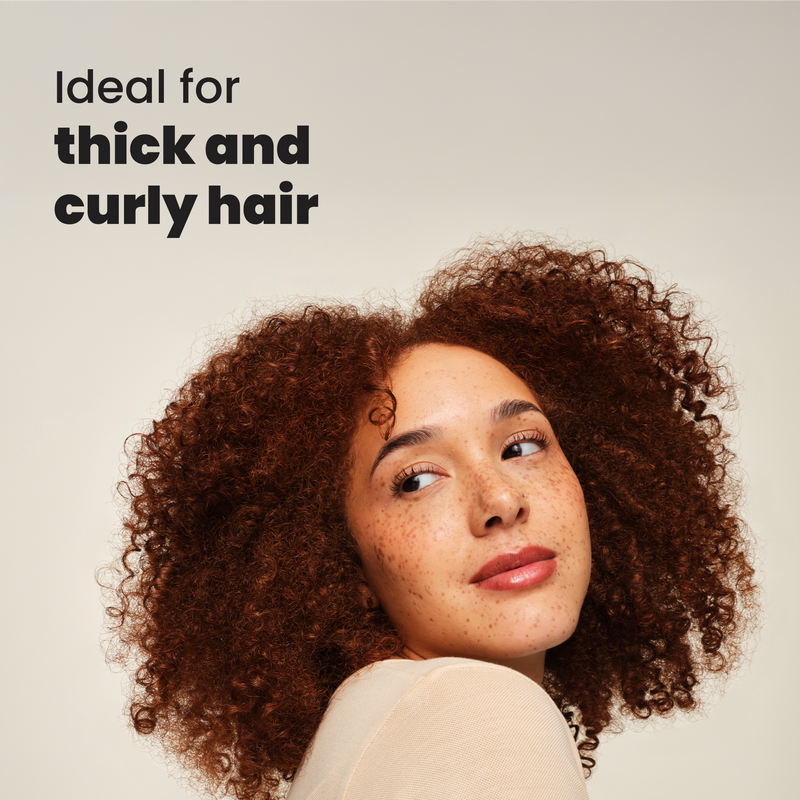
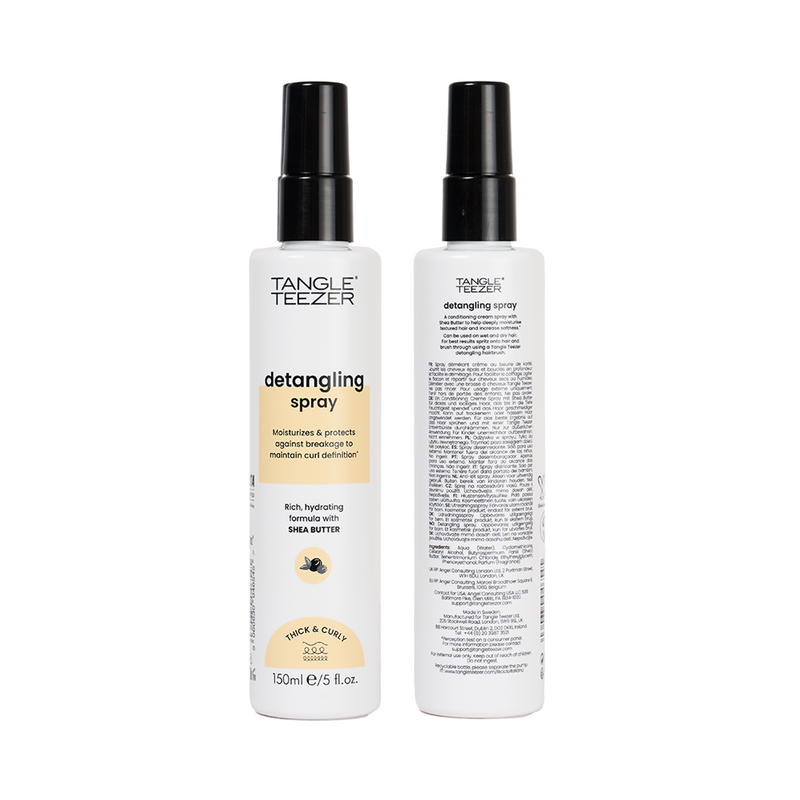
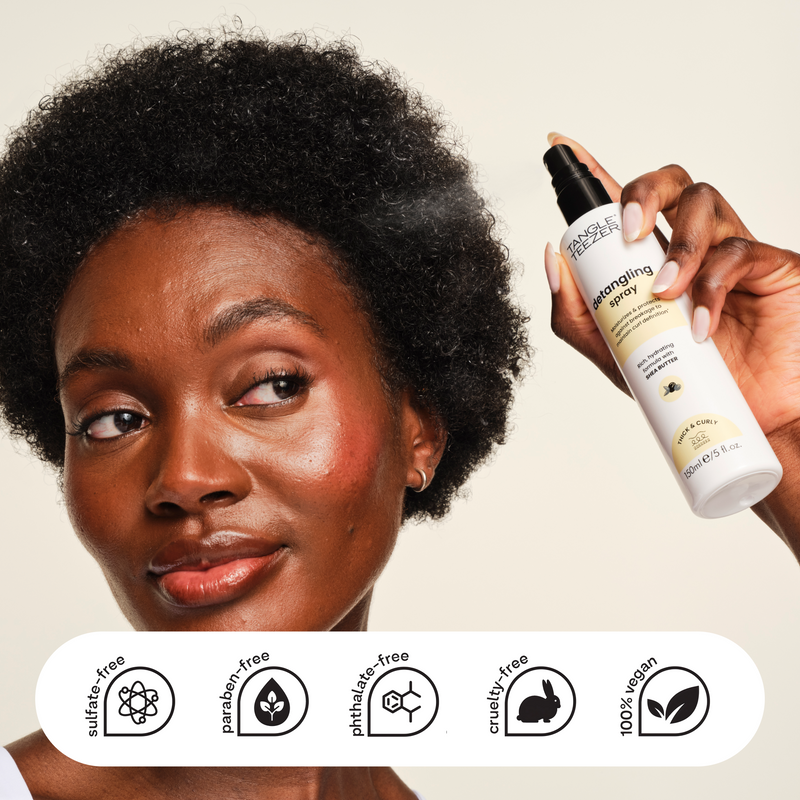
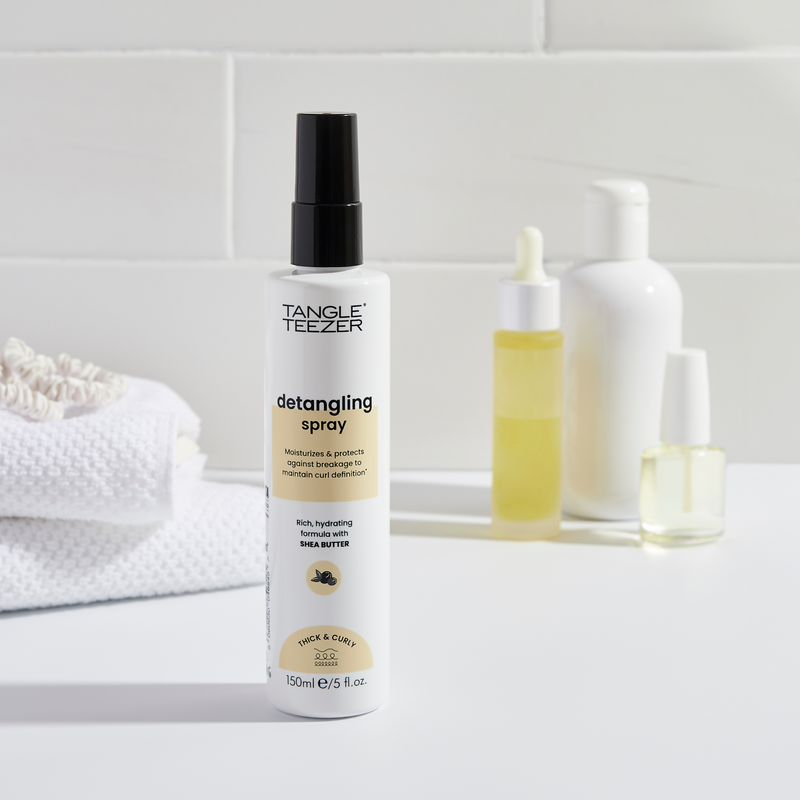
Detangling spray: A leave-in spray adds slip and hydration when you need to detangle without wetting your hair fully. Particularly useful after swimming.

Sun & UV Protection for Hair
Most of us are pretty good at remembering the sunscreen during summer, but our hair is a different story. UV exposure is one of the leading causes of dry, dull and damaged hair during the warmer months, and it is entirely preventable with the right approach. Here is what is happening and how to stop it.
What is UV hair damage? UV hair damage occurs when ultraviolet radiation from the sun breaks down the proteins and pigment molecules inside the hair shaft. The result is hair that becomes dry, brittle and prone to breakage, with color-treated hair experiencing noticeable fading. Unlike skin, hair cannot repair UV damage on its own, which makes prevention significantly more effective than treatment.
How UV Rays Damage Hair
There are two types of UV radiation that affect your hair: UVA and UVB. UVA rays penetrate deep into the hair shaft, breaking down the melanin that gives your hair its color. UVB rays attack the surface, weakening the protein bonds in the cuticle and leaving hair dry, rough and prone to breakage.
The result is hair that looks faded, feels brittle and tangles more easily than usual. For anyone with color-treated hair, the effects are even more visible, as the dye molecules are particularly vulnerable to UV breakdown.
The good news is that unlike skin damage, UV hair damage does not happen all at once. It builds gradually, which means consistent protection from the start of summer makes a significant difference to how your hair looks and feels by the end of it.
The Best Sun Protection Products for Hair
When it comes to sun protection for hair, the market has caught up considerably in recent years. You no longer have to choose between protection and a product that sits heavily or leaves a residue.
-
What to look for: The most effective UV hair protection products contain UV filters such as avobenzone or benzophenone-4, which shield the hair shaft from both UVA and UVB rays. Antioxidant ingredients like vitamin E and argan oil are a bonus, helping to neutralize free radical damage and add moisture back in at the same time.
-
UV Protection Sprays: A UV protection spray is the most convenient format and the easiest to build into a daily routine. Apply it to dry or damp hair before heading outside, and reapply if you are spending a long stretch in direct sun. Look for a lightweight formula that doesn't weigh fine hair down.
-
Serums and leave-in conditioners: These offer UV protection alongside moisture and frizz control, making them a good two-in-one option for drier or more damaged hair types.
-
Detangling sprays: If you use a detangling spray as part of your routine, look for one that includes UV protection or pair it with a dedicated UV spray.
Sun Protection for Colored and Bleached Hair
If your hair is color-treated, bleached or naturally blonde, sun protection is not optional. It is essential.
Color-treated hair has a more open, porous cuticle structure than natural hair. This means UV rays penetrate more easily, breaking down dye molecules faster and causing color to fade, turn brassy or lose vibrancy much sooner than it should. For bleached hair, which is already in a more fragile state, UV exposure adds to the risk of breakage and dryness on top of the color damage.
The practical steps are straightforward. Use a UV protection spray every day, not just on beach days. Opt for shampoos and conditioners formulated for color-treated hair, as these typically include ingredients that help seal the cuticle and slow fade. When swimming, rinse your hair with clean water before getting in the pool or ocean, as saturating the hair shaft first limits how much chlorine or saltwater it absorbs.
On very sunny days, a hat or headscarf is the single most effective thing you can put between your color and the sun.
Protective Hairstyles for Sun Protection
One of the simplest and most overlooked ways to protect your hair from the sun is to keep it up. When your hair is worn loose, every strand is exposed to direct UV radiation for the full time you are outside. Gather it up and you immediately reduce that exposure.
Braids, buns and updos are the most effective protective styles because they tuck the lengths away and keep the scalp covered along the part line, which is one of the most commonly sunburned areas. A sleek bun with no center part minimizes scalp exposure considerably compared to hair worn down with a defined part.
Loose, low-maintenance styles work just as well as structured ones. A simple braid, a twist pinned up at the nape of the neck or a messy bun all offer meaningful protection. If you are heading to a festival or a beach day and want styles that are both protective and worth photographing, the festival section of this guide has everything you need.
Hats and Hair Accessories for UV Protection
When the sun is genuinely strong, a physical barrier is the most reliable form of protection you can give both your hair and your scalp. A wide-brimmed hat does a brilliant job of shading the part, the top of the head and the hairline, all areas that catch more sun than most people realize.
Beyond hats, headscarves and bandanas are a stylish and practical option, particularly for color-treated hair. Silk or satin-lined options have the added benefit of reducing friction and frizz while you wear them.
For festivals and beach days, embellished headbands, crochet hats and printed scarves are having a genuine moment and offer real UV protection without looking like sun safety gear. Accessories and protection do not have to be mutually exclusive.
Scalp Protection and Care in Summer
Your scalp is skin. It burns, it sweats, it reacts to heat and UV just like the rest of you, yet most people's summer hair care routine stops at the lengths and completely ignores the scalp underneath. This section covers the two main scalp challenges in summer: sun protection and general health in the heat.
Can Your Scalp Get Sunburned?
Yes, and it is more common than most people realize.
Your scalp is one of the areas most directly exposed to the sun, particularly along the part where the skin is visible and unprotected. A sunburned scalp feels tender and tight, often accompanied by redness and, in more severe cases, peeling and flaking in the days that follow. Because it is hidden under your hair, it is easy to miss until the damage is already done.
Why does it happen? Hair provides some shade, but it is not a reliable sun barrier, particularly if your hair is fine, worn loose or parted. The scalp skin is just as vulnerable to UVB radiation as any other exposed skin.
How do you treat a sunburned scalp? Keep it cool and hydrated. Avoid washing with hot water and hold off on any harsh shampoos or styling products until the tenderness subsides. Aloe vera gel applied directly to the scalp can soothe inflammation, and a gentle, fragrance-free conditioner will help with any dryness or peeling. If the burn is severe or blistering, treat it as you would any significant sunburn and seek medical advice.
The best treatment, of course, is prevention, which is where the next section comes in.
How to Protect Your Scalp from the Sun
Protecting your scalp from UV is straightforward once you know the options. The challenge is that standard sunscreen is not designed to be applied to the scalp through hair, so most people skip it entirely.
-
Scalp sunscreen sprays: These are specifically formulated to be applied to the scalp without leaving a greasy residue on the hair. A scalp sunscreen spray with SPF 50 is the most convenient option for anyone spending extended time outdoors. Part your hair in sections, apply directly to the scalp and blend lightly. Reapply every couple of hours if you are in direct sun.
-
Scalp sunscreen powders: A newer format that works particularly well for oily hair types. Apply along the part and any exposed areas. Some double as dry shampoo, which makes them a practical dual-purpose option.
-
Protective styles: Wearing your hair in a bun or braid with no center part is one of the simplest ways to reduce scalp exposure without any product at all.
-
Hats: On genuinely sunny days, a wide-brimmed hat remains the most reliable scalp protection available, full stop.
General Scalp Care in Summer
Even without sunburn, the summer months put your scalp under pressure in ways that are easy to overlook.
Heat increases oil production, meaning your scalp may feel greasier between washes than it does in cooler months. At the same time, sweat, sunscreen, dry shampoo and styling products build up on the scalp, which can block follicles, cause irritation and, over time, affect the conditions needed for healthy hair growth.
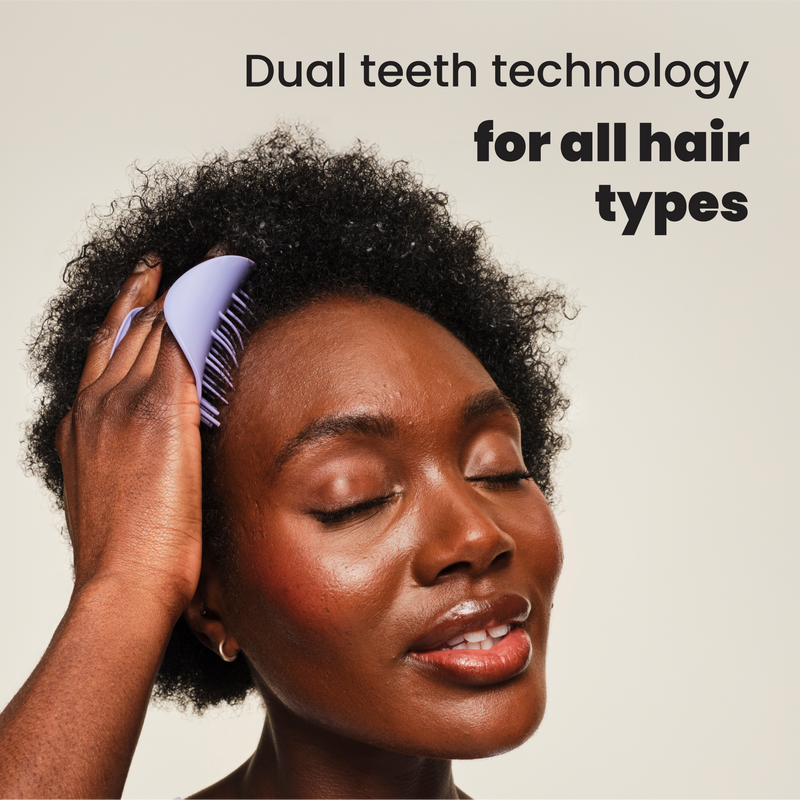
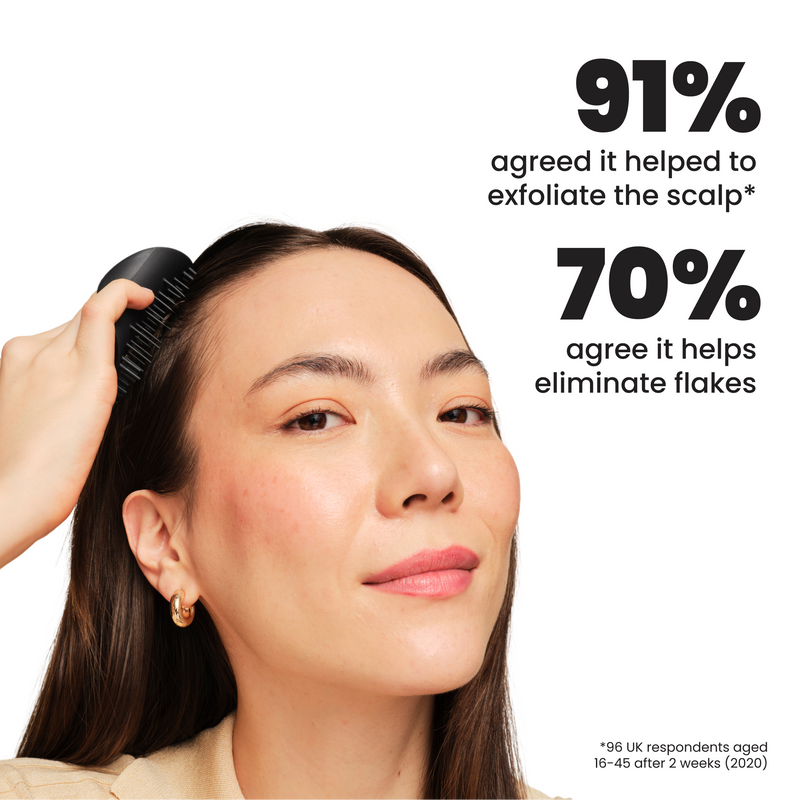
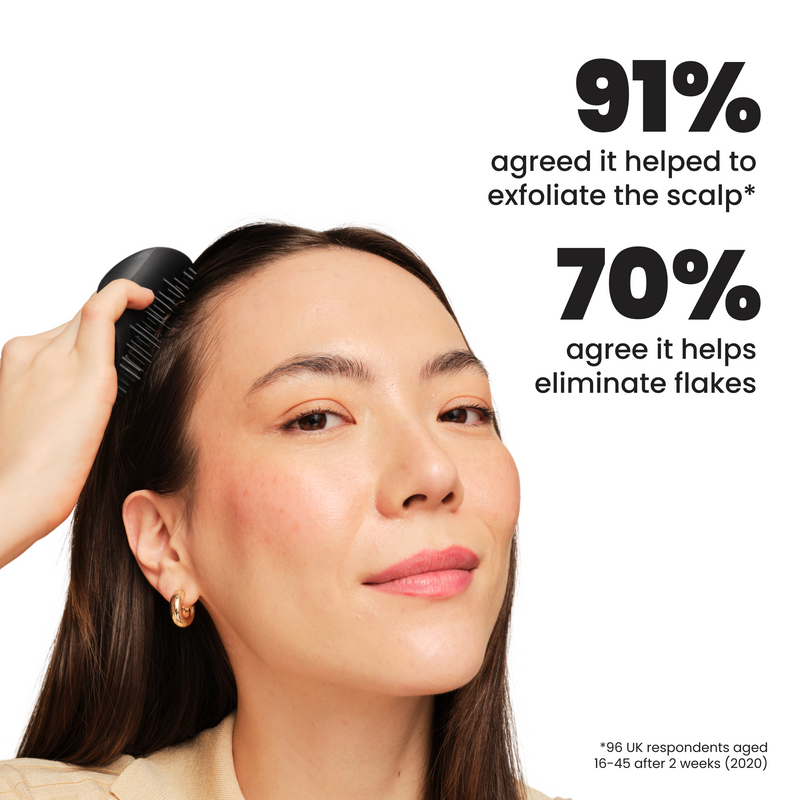
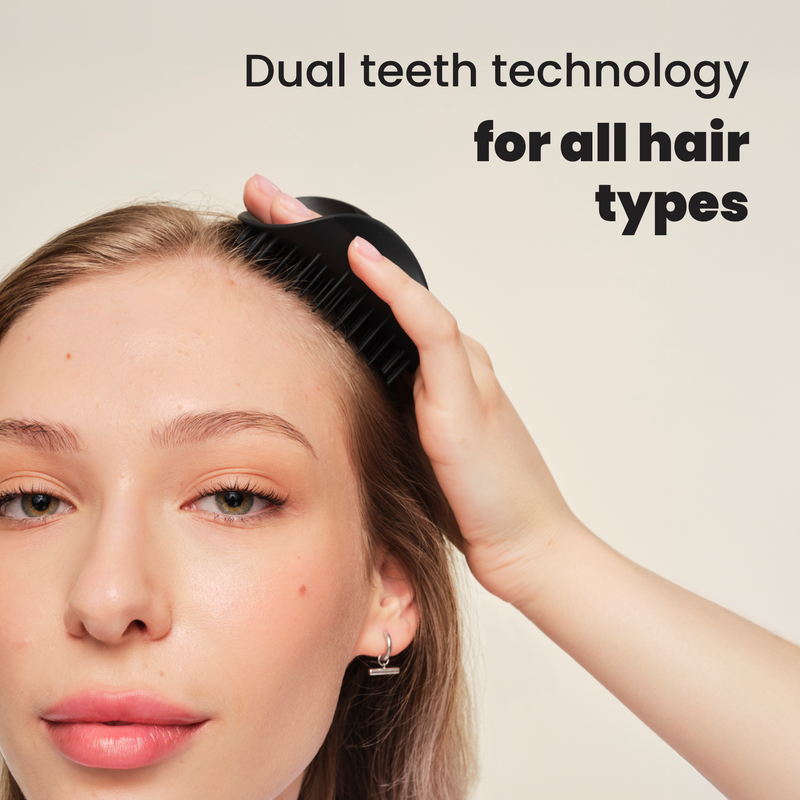
The solution is regular exfoliation. Using the Tangle Teezer Scalp Exfoliator and Massager once or twice a week works the product build-up and dead skin cells free while the massaging action increases blood circulation to the scalp. It takes a few minutes in the shower and makes a noticeable difference to how clean and comfortable the scalp feels, particularly after a festival, a long beach day or any period of heavy product use.
A few other habits worth keeping through summer: rinse your scalp thoroughly after swimming rather than just rinsing the lengths, avoid sleeping with wet hair which can encourage an imbalanced scalp environment, and if you notice persistent dryness or itching that does not resolve with regular cleansing, consider a scalp serum or lighter shampoo formulated for sensitive scalps.
A healthy scalp is the foundation everything else grows from. It is worth the five minutes.
Swimming: Chlorine and Saltwater Hair Care
Whether you are a regular pool swimmer, an ocean swimmer or someone who spends a week a year on vacation diving in and out of both, water exposure is one of the most common causes of summer hair damage. The good news is that a little preparation before you get in makes a significant difference to how your hair looks and feels when you get out.
What is chlorine damage? Chlorine damage occurs when repeated exposure to chlorinated pool water strips the hair of its natural oils, weakens the protein bonds in the hair shaft and raises the cuticle. Over time this leaves hair dry, porous and prone to breakage. The damage is cumulative, meaning a single swim causes minimal harm but regular swimming without protection adds up quickly, particularly for bleached or color-treated hair.
Does Chlorine Damage Hair?
Yes, chlorine damages hair, and it does so in a couple of ways.
Chlorine is a chemical sanitizer. When your hair is exposed to it repeatedly, it strips the natural oils from the hair shaft, leaving strands dry, porous and prone to breakage. It also disrupts the hair's protein structure over time, weakening it from the inside out. On the surface, the signs are hair that feels rough, looks dull and tangles far more easily than usual.
For bleached or lightened hair, the risk is higher. Bleaching already opens and weakens the cuticle, so chlorine penetrates more easily and causes more damage in a shorter amount of time. There is also the well-documented risk of a greenish tint in very light or blonde hair, caused by copper deposits in the water reacting with the chlorine, not the chlorine itself.
Color-treated hair is similarly vulnerable. The more porous the hair, the more chlorine it absorbs, and the faster color fades as a result.
|
Chlorine |
Saltwater |
|
|
Primary damage mechanism |
Strips natural oils, weakens protein bonds |
Draws moisture from hair shaft through osmosis |
|
Surface effect |
Dull, rough, porous hair |
Raised cuticle, tangles, dehydration |
|
Hair most at risk |
Bleached, lightened and color-treated hair |
Dry, fine or already damaged hair |
|
Additional risk |
Green tint on very light or blonde hair |
Split ends from repeated exposure without aftercare |
|
Key prevention step |
Saturate with fresh water and leave-in conditioner before swimming |
Saturate with fresh water and apply a light oil or conditioner before swimming |
|
Post-exposure priority |
Rinse immediately, deep condition weekly |
Rinse immediately, restore moisture with a hydrating mask |
How to Protect Hair When Swimming
The single most effective thing you can do before getting into a pool is saturate your hair with clean water first.
Hair can only absorb so much liquid at once. If you soak it with fresh water before swimming, it has less capacity to absorb the chlorinated water in the pool. It is a simple trick and it genuinely works. Use the Tangle Teezer Fine Mist Spray Bottle to dampen your hair thoroughly before you get in, and for extra protection, work a small amount of leave-in conditioner through the lengths at the same time. This creates a barrier between the hair shaft and the chlorine.
For regular swimmers, a silicone swim cap is worth considering. It is not glamorous, but it keeps the bulk of your hair away from the water entirely.
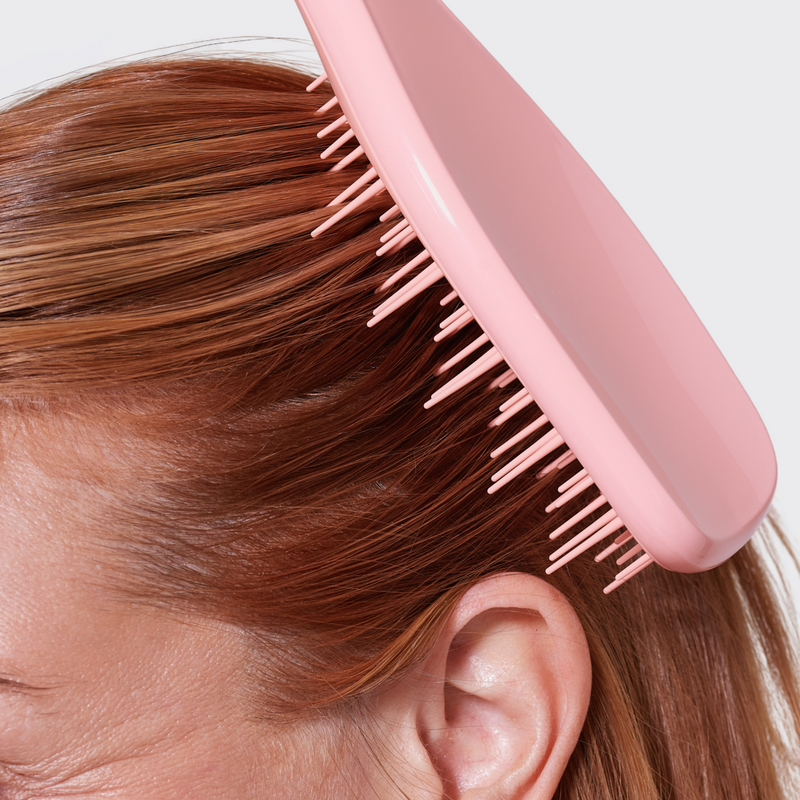
After swimming, use the Ultimate Detangler to work through any knots gently before they tighten up as the hair dries. Starting from the tips and working upward avoids the breakage that comes from dragging a brush through wet, tangled hair from root to end.
Is Saltwater Bad for Your Hair?
Saltwater has a complicated relationship with hair. On one hand, a day in the ocean leaves many people with effortless, textured waves that no product quite replicates. On the other, repeated saltwater exposure without care does cause real damage.
The mechanism is straightforward. Salt draws moisture out of the hair shaft through osmosis, leaving strands dehydrated and the cuticle raised and rough. Raised cuticles catch on each other, which is why hair becomes so tangled after a swim in the ocean. Over time, repeated exposure without proper aftercare leads to dryness, brittleness and breakage, particularly at the ends.
The saturation trick works here too. Rinse your hair with fresh water and apply a leave-in conditioner or a small amount of oil before heading into the ocean, and you limit how much saltwater the hair can absorb.
The irony is that the sea salt effect people love, that tousled, textured finish, is essentially controlled dehydration. A good sea salt spray gives you the same result without the sustained exposure, which is worth bearing in mind if you find your hair struggling through a beach vacation.
Post-Swim Hair Care
What you do immediately after swimming matters as much as the preparation before.
Rinse your hair with fresh water as soon as you get out, whether you have been in a pool or the ocean. The longer chlorine or salt sits on the hair shaft, the more damage it causes. A thorough rinse removes the majority of it before it has time to fully dry into the hair.
From there, use a detangling spray and the Tangle Teezer Detangler to gently work through any knots while the hair is still damp.
For occasional swimmers, a deep conditioning mask used once after a beach or pool day is usually enough to restore moisture. For regular swimmers, building a weekly deep condition into your routine is worth the time. Chlorine damage is cumulative, and consistent conditioning is the most effective way to stay ahead of it.
Frizz and Humidity: Keeping Hair Smooth in Summer
Ask most people what their biggest summer hair complaint is and frizz will be near the top of the list. It is one of those things that can derail a good hair day before it has even started, and it tends to get worse precisely when you want to look your best: at festivals, on vacation, on warm evenings out. Understanding why it happens makes it much easier to manage.
What is humidity frizz? Humidity frizz occurs when the hair cuticle absorbs excess moisture from the air, causing the individual scales on the hair shaft to lift and swell unevenly. This disrupts the smooth surface of the hair and creates the frizzy, undefined appearance most people associate with warm, humid weather. Hair that is already dry, damaged or chemically treated is more susceptible because its cuticle is less effective at regulating moisture absorption.
Why Does Humidity Make Hair Frizzy?
Each strand of hair is covered in tiny overlapping scales that make up the cuticle. In ideal conditions, these scales lie flat, giving hair a smooth, controlled appearance. In humid conditions, the hair absorbs moisture from the air unevenly, causing those scales to lift and swell at different rates. The result is frizz.
For hair that has been repeatedly exposed to heat, UV or chemical treatments, the cuticle is already compromised and absorbs moisture even more readily, which is why damaged hair tends to frizz more severely in humidity than healthy hair does. The more porous the hair, the less control it has over what it absorbs.
Best Products for Frizzy Hair in Humidity
The right products create a barrier on the hair shaft that limits how much atmospheric moisture the hair can absorb. Here is what to look for.
-
Silicones: Ingredients like dimethicone coat the hair shaft and smooth the cuticle, reducing the surface area available for moisture absorption. They are the most effective anti-frizz ingredient available and are found in most serums and smoothing sprays. If you have very fine hair, look for a lightweight, water-soluble silicone formula to avoid build-up.
-
Anti-humidity sprays: Applied over a finished style, these form a light barrier that holds the cuticle flat even as humidity rises. They are particularly useful for festivals and outdoor events where you cannot refresh your hair mid-day.
-
Leave-in conditioners and creams: For thicker, curlier or more textured hair types, a leave-in cream applied to damp hair before styling adds moisture in a controlled way. This reduces the hair's urge to seek it from the atmosphere, which is what causes frizz in the first place.
-
What to avoid: Heavy oils applied to dry hair can make frizz worse in high humidity by weighing the hair down unevenly. Apply oils to damp hair instead, where they seal in moisture rather than sitting on top.
Hairstyles that Beat Humidity
Sometimes the most effective approach to humidity is simply to work with it rather than against it. Loose, open styles give the hair more surface area to react to moisture in the air, which increases frizz. Styles that gather the hair together and reduce exposure do the opposite.
Braids are the standout option. Once your hair is braided, the cuticles are held together rather than free to lift individually, and the style holds its shape far better through a humid day than anything worn loose. Sleek buns and pinned updos work on the same principle, keeping the lengths contained and minimizing the surface area exposed to moisture.
If you want styles that look brilliant and hold up in heat and humidity, our deep dive into festival hair styles translates just as well to a hot summer's day as they do to a festival campground.
Festival Hair: Styles, Prep and Care
Festival season is one of the highlights of the American summer, and hair-wise, one of its biggest challenges. From Coachella in the California desert to Lollapalooza in the Chicago heat, Bonnaroo in Tennessee and Austin City Limits in Texas, US festivals span every climate and every aesthetic. What they have in common is long days in the sun, limited access to your full hair care routine and the opportunity to wear your most creative, confident looks. Your hair needs a plan.
The good news is that some of the best festival hairstyles are also the most practical, and with a little preparation before you leave, you can look great from day one to day five, or from the moment you arrive to the last set of the night.
Pre-Festival Hair Prep
The foundation of great festival hair is what you do before you arrive.
The night before or the morning you leave, give your hair a thorough wash using your regular shampoo. If you have time, follow it with a deep conditioning mask and leave it on for longer than the packaging suggests. Your hair is about to face heat, sun and styling without your usual routine to fall back on, so the more nourishment you put in now, the better it will hold up.
Once washed, let your hair air dry where possible rather than reaching for the blow dryer. You are about to spend time in the heat and you do not need to start the day with additional stress on the hair shaft.
Pack light but smart. The essentials are: your Tangle Teezer brush, dry shampoo, UV protection spray, hair ties in various sizes, bobby pins, and any accessories you plan to use for your looks. A small detangling spray takes up minimal space and is genuinely useful by day three.
Five Festival Hairstyles, Day by Day
Day 1: Loose Waves or Natural Curls
Your hair is at its cleanest and most cooperative on day one, so make the most of it with a style that lets it do the work.
If you have naturally curly or wavy hair, follow your usual routine and let your texture run free. For straighter hair, the night before the festival is the perfect time to try heatless overnight curls. Divide dry hair into sections, twist each one loosely and secure with a scrunchie or soft hair tie. Sleep on it and take it down in the morning for effortless waves that last all day without any heat damage.
A little UV protection spray and a light hold product to define the waves is all you need. Tangle Teezer's Ultimate Styler is great for smoothing and finishing without disturbing the curl pattern.
Day 2: Half-Up Half-Down
After a day of music and dancing, your hair will have lost some of its freshness but is nowhere near ready for a full updo. A half-up half-down style is the perfect middle ground: it keeps hair off your face, works brilliantly with day-old texture and takes about two minutes to do.
Lift the front sections and crown away from your face and secure with a hair tie or a couple of bobby pins at the back. A quick spritz of dry shampoo at the roots before you start adds grip and absorbs any grease.
This is also the moment to bring in accessories. A floral headband woven through the half-up section, a bright scrunchie or a cluster of bobby pins at the back all add a festival feel without any additional effort.
Day 3: Bubble Ponytail
By day three, you want things gathered up. A bubble ponytail is the answer: it has the practicality of a standard ponytail with considerably more personality.
Pull your hair back into a high ponytail and secure it. Then take additional hair ties and space them evenly down the length of the ponytail, every two inches or so. Gently tease each section between the ties outward with your fingers to create the bubbles. The more volume you give each section, the more dramatic the effect.
Dry shampoo is your best friend here. Work it into the roots before pulling the hair back and into the ponytail itself for grip and texture.
Day 4: Space Buns
Space buns are a festival classic for good reason. They are fun, they keep your hair entirely off your face and neck in the heat, and they look as good on day four as they would on day one.
Divide your hair into two equal sections and create a high pigtail on each side. Twist each pigtail around its base and secure with bobby pins until it holds as a bun. If your hair has texture from the previous days' styles, even better: it will grip and hold more easily than freshly washed hair would.
Add hair gems along the part or secure each bun with an embellished hair tie to take the look up a level.
Day 5: Braids
Braids are the ultimate final-day festival hairstyle. They keep hair completely contained, look intentional regardless of what your hair has been through, and stay in place through the last song of the last set.
Before braiding, use a detangling spray and your Tangle Teezer to work through any knots gently, starting from the tips. From there, the choice is yours: a classic French braid, a fishtail, two Dutch braids or a simple three-strand braid all work beautifully. Add ribbons, hair rings or colorful extensions woven into the braid for a proper festival finish.
If the heat is getting to you, pin your braids up into a crown or halo style. It looks stunning and keeps your neck cool at the same time.
Festival Hair by Length
Not every style works for every length, so here is a quick guide to what suits what.
-
Long hair: has the most flexibility. All five day-by-day styles above work well, and long hair lends itself particularly to fishtail braids, halo braids and dramatic bubble ponytails with maximum volume in each bubble.
-
Medium-length hair: suits half-up half-down styles, space buns and two Dutch braids especially well. French braids work at medium length too, though fishtails are easier with a bit more length to work with.
-
Short hair: is far from limited. Textured waves on day one look brilliant on shorter lengths. Mini space buns sit higher and punchier on shorter hair, which works in their favor. Accessorizing generously with clips, gems and headbands is arguably easier on short hair and makes a bigger visual impact. For festival day five, a sleek style with a row of embellished bobby pins along each side is a great alternative to a braid.
Festival Hair Accessories and Glam
Accessories are where festival hair moves from practical to unforgettable, and there are no rules.
The current wave of festival accessory trends leans heavily into maximalism: more is more, clashing is encouraged and subtlety is optional. Glitter applied to the roots, hairline and part is one of the easiest ways to transform a simple style, and biodegradable glitter options mean you can go all out without the environmental guilt.
Hair gems and rhinestones secured along the part line or clustered at the base of a bun are having a particularly strong moment right now, as are hair rings threaded onto braids and small sections of loose hair. Flower clips, velvet headbands and colorful ribbons woven into braids bring a bohemian feel that suits the outdoor festival setting perfectly.
For anyone wanting more length or color, temporary hair extensions and colorful hair pieces clip in and out easily and can be reused across the weekend. Hair chalk and temporary color sprays add vivid pops of color without any commitment.
The guiding principle is simple: festivals are one of the few occasions where you can wear whatever you like in your hair and it will look completely at home.
No-Heat Festival Styling
Heated styling tools and festivals are not a natural pairing. Between the limited access to power outlets, the heat of the day and the condition your hair is already in, reaching for straighteners or curling irons does more harm than good.
The good news is that some of the best festival hairstyles require no heat at all. Overnight heatless curls, as described in the day one style above, give beautiful results with zero heat stress on the hair. Air drying your hair on the morning you leave, rather than blow drying, means you arrive with your natural texture intact and ready to work with.
Braids, buns, ponytails and half-up styles all hold better on hair that has a little natural texture and grip to it, which means unstyled, air-dried hair is often the ideal starting point rather than a compromise.
Post-Festival Hair Recovery
The first shower after a festival is one of life's genuine pleasures, and it deserves to be treated as a proper hair care moment rather than a quick rinse.
Start by working a detangling spray through your hair before you even get under the water. Dry, knotted hair that has been backcombed, dry shampooed and accessorized for several days needs a gentle approach. Use the Tangle Teezer Detangler to work from the tips upward, removing knots patiently rather than dragging through them.
Once in the shower, use the Scalp Exfoliator and Massager to give your scalp a thorough cleanse. Days of dry shampoo, sweat, sunscreen and product build-up need more than a standard shampoo to clear properly. The massaging action also does a genuinely good job of relieving any residual tension from days of wearing tight styles.
Follow with a generous application of a deep conditioning mask, leave it on for at least ten minutes and let your hair soak up the moisture it has been missing. Your hair will feel noticeably different when you rinse it out.
It might take a wash or two to fully restore your hair to its pre-festival condition, and that is completely normal. Be gentle with it for the first week back and it will bounce back quickly.
Vacation Hair Care
A vacation should mean less time thinking about your hair, not more. The challenge is that the combination of stronger sun, swimming, heat and a stripped-back routine can leave hair in noticeably worse condition than when you left, if you don't go in with a small amount of preparation. This section covers what to pack, how to adapt your routine and how to keep your hair looking good with minimal effort throughout.
What Hair Products to Pack for Vacation
The key is keeping it minimal without leaving out anything genuinely useful. Here is what is worth packing.
-
UV hair protection spray: Non-negotiable for a sun vacation. Apply before any time outdoors and reapply on beach days. It takes up very little space and does a significant amount of work.
-
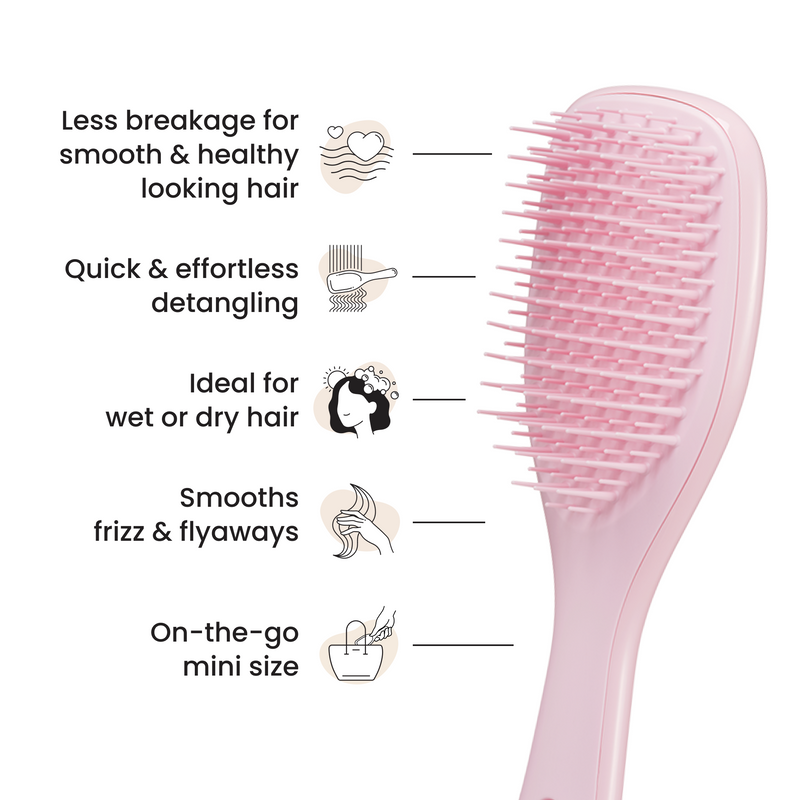
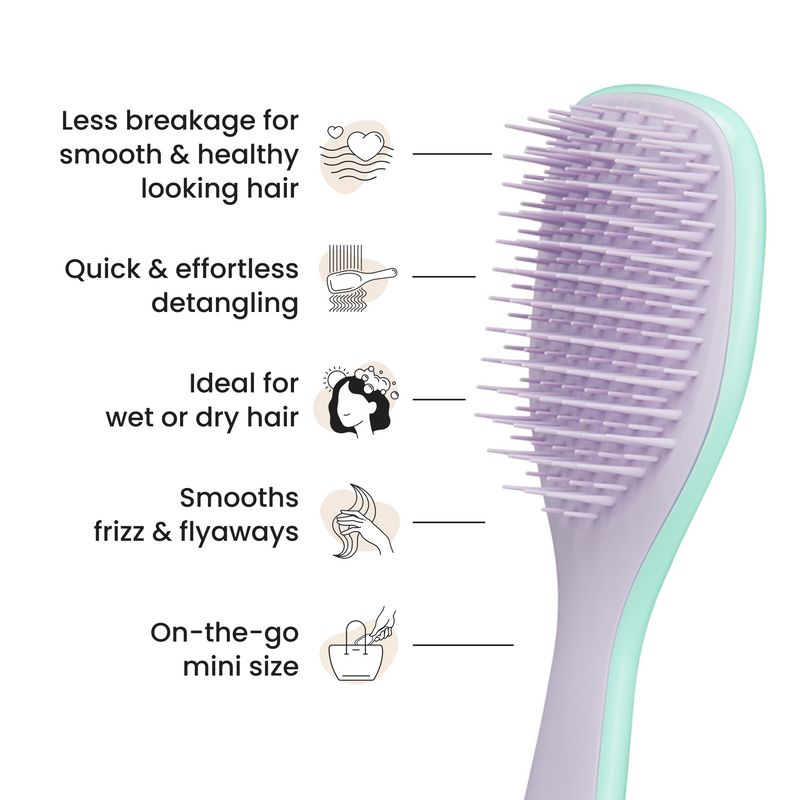
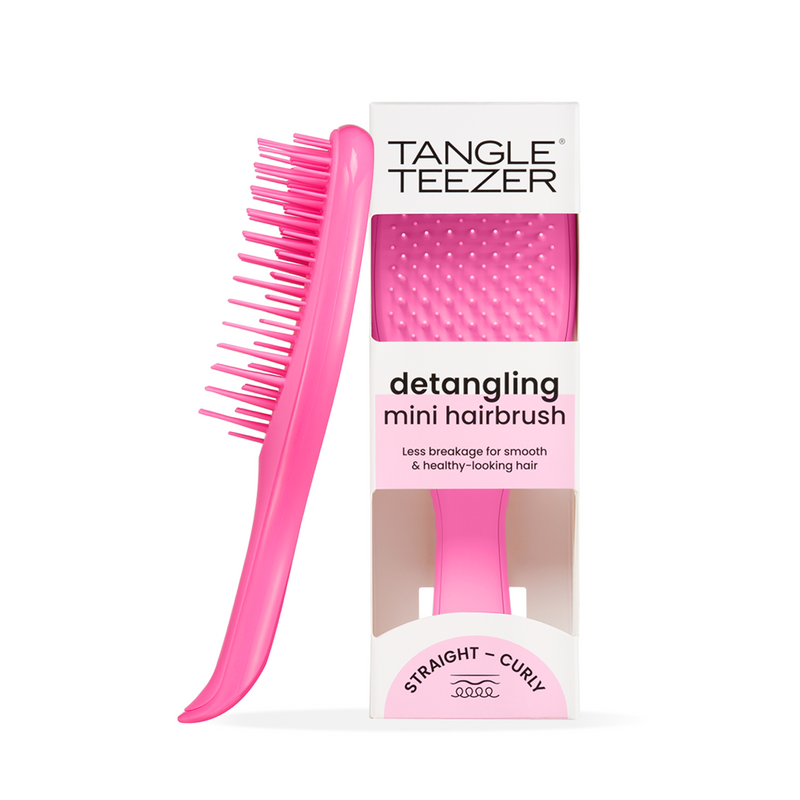
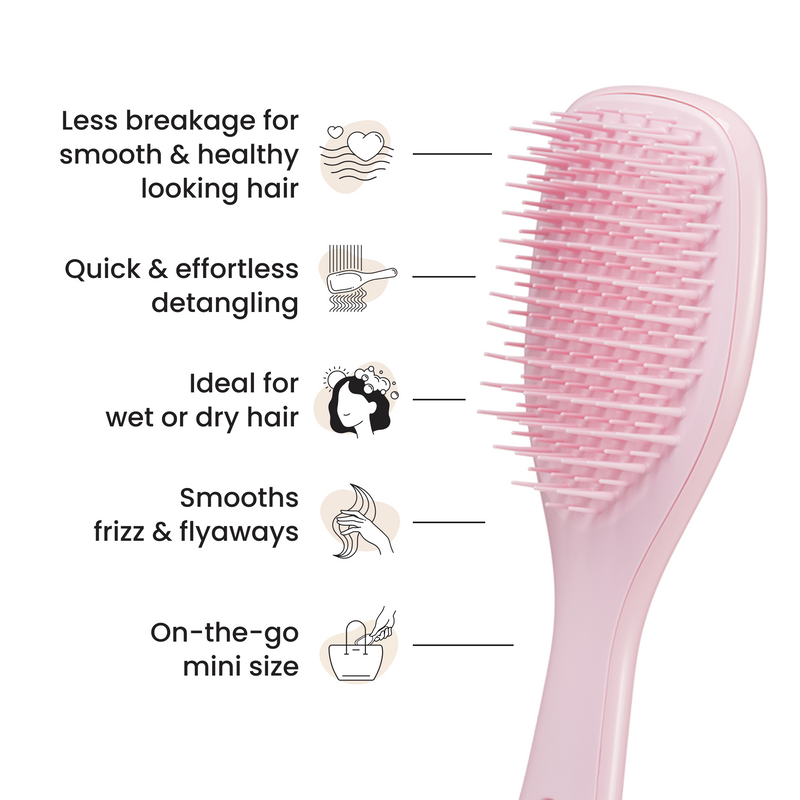
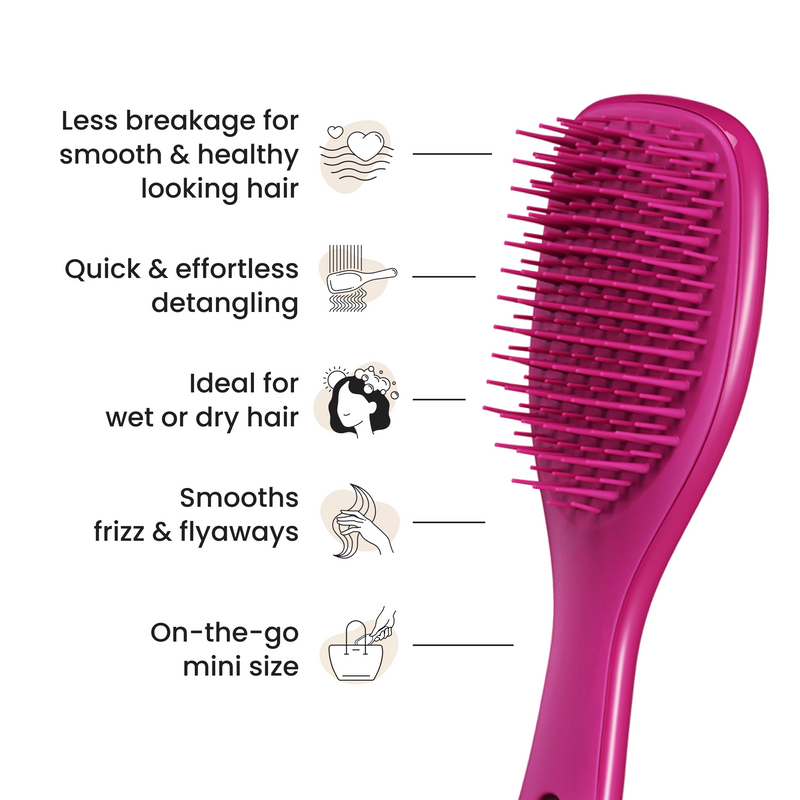
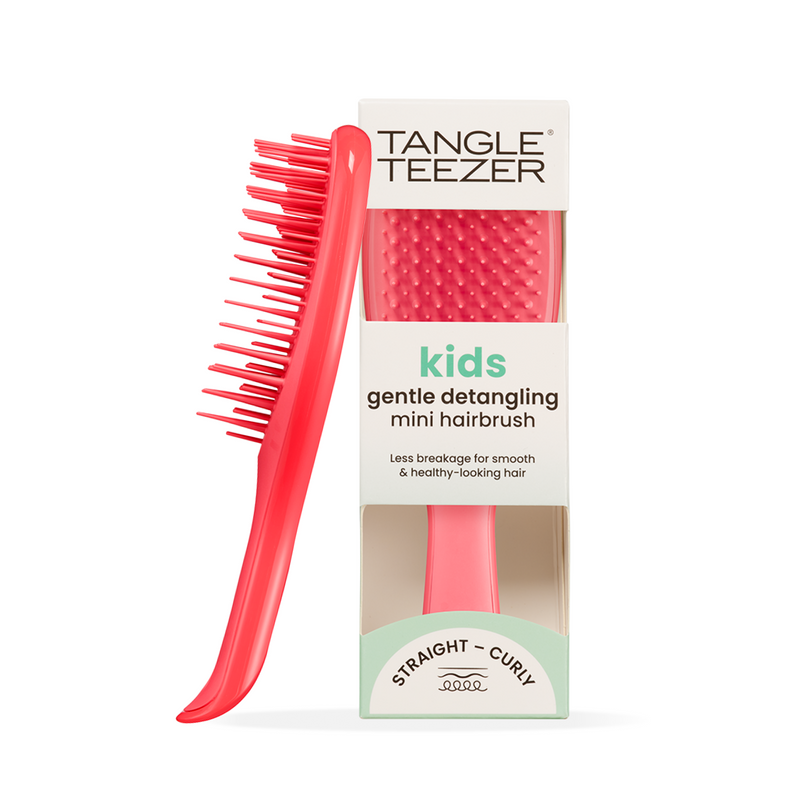
Tangle Teezer Mini Ultimate Detangler: The Mini Ultimate Detangler is designed to be the perfect on-the-go detangling brush, perfect for vacations.
-
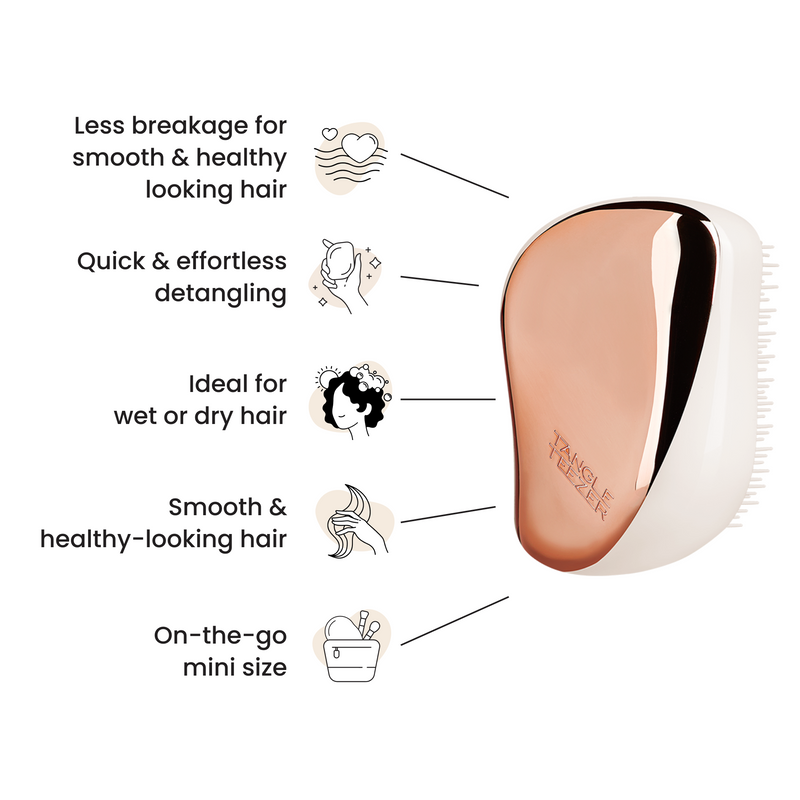
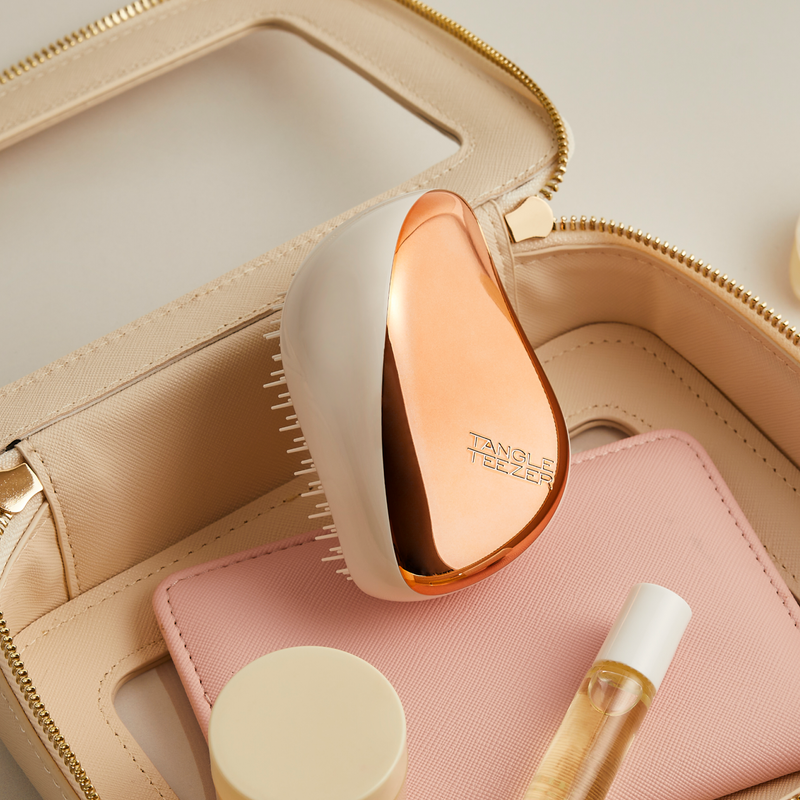
Tangle Teezer Compact Styler: Specifically designed for travel. It fits into a toiletry bag or beach bag without taking up meaningful space and works just as effectively as the full-size version on wet or dry hair.
-
Dry shampoo: Useful on travel days, beach days and any occasion where you want to extend a wash without the full process.
-
Conditioner or a small conditioning mask: If you are only packing one hair product beyond a shampoo, make it a good conditioner. Sun, saltwater and chlorine all strip moisture, and consistent conditioning is the most effective way to manage that throughout the trip.
-
Detangling spray: Decant into a travel-size bottle if yours does not already come in one. After a day in the ocean or pool, it makes the detangling process considerably easier and less damaging.
Everything above should sit comfortably within TSA carry-on liquid restrictions, particularly if you decant larger products into 3.4oz containers before you travel.
How to Protect Your Hair on Vacation
A simple daily routine covers most of what your hair needs on a sun vacation, and it does not require much time or many products.
-
In the morning: Apply a UV protection spray before heading out, particularly if you are spending time at the beach or pool. If your hair is worn loose, consider a protective style instead for the hottest part of the day, as covered in the sun protection section of this guide.
-
Before swimming: Rinse your hair with fresh water and apply a small amount of leave-in conditioner or detangling spray before getting into the pool or ocean. This limits how much chlorine or saltwater the hair can absorb, as a saturated hair shaft has less capacity to take on additional liquid.
-
After swimming: Rinse your hair with clean water as soon as you get out. Do not leave chlorine or salt drying into your hair on the pool deck or beach chair. A quick rinse takes thirty seconds and removes the majority of the damaging residue before it sets.
-
In the evening: Give your hair a proper detangle using your Tangle Teezer and detangling spray before bed. This is also the best time to apply a leave-in conditioner or hair oil if your hair is feeling dry. Working it through damp, detangled hair means it absorbs properly rather than sitting on top.
Once or twice during the trip, use a deeper conditioning mask in place of your usual conditioner. If your vacation is a week long, mid-trip and on the last day are good times to do this.
Vacation Hair Ideas and Styles
The best vacation hairstyles are the ones that look intentional with very little effort, hold up in heat and humidity and do not require a mirror or a full kit to achieve.
Braids are the standout option. A simple braid, two Dutch braids or a loose fishtail all keep hair contained, look polished and survive a day at the beach without needing any attention. The festival section of this guide has detailed how-to notes for braids and other styles that translate just as well to a vacation setting as they do to a festival.
Beyond braids, a loose bun, a low twist or a half-up style held with a few pins are all low-maintenance options that work well in the heat. Leaning into your natural texture with a little sea salt spray or light defining cream rather than fighting it is usually the most practical approach when your kit is limited and the humidity is high.
Repairing Summer-Damaged Hair
Even with the best routine in place, summer takes a toll. Months of UV exposure, swimming, heat and styling add up gradually, and by the time September arrives many people notice their hair is drier, duller and more prone to breakage than it was in spring. The good news is that with consistent care, most summer hair damage is entirely reversible.
Signs Your Hair Has Summer Damage
Before you can address the damage, it helps to know what you are looking for.
The most common signs of summer-damaged hair are dryness and a rough, straw-like texture that does not resolve after washing.
Brittleness is another indicator, where hair snaps rather than stretches when pulled gently.
Color-treated hair may look faded, brassy or uneven in tone.
Split ends tend to multiply towards the end of summer, particularly at the very tips.
And if your hair is breaking more than usual when you brush or detangle, that is a clear signal that the hair shaft has been weakened and needs attention.
Any combination of these signs means your hair would benefit from a targeted recovery routine over the following weeks.
How to Repair Heat-Damaged Hair
Heat damage occurs when high temperatures compromise the protein structure of the hair shaft, and unlike surface dryness, it cannot be fully reversed by moisture alone. The approach needs to address both protein and hydration.
-
Step back from heat tools: The first and most important step is to reduce heat styling immediately. Continuing to apply heat to already-damaged hair slows recovery considerably. Air dry where possible, and if you do need to use heat, apply a heat protectant first and keep the temperature as low as it will go.
-
Use a protein treatment: Look for a conditioning treatment that contains hydrolyzed keratin or other strengthening proteins. Used once a week for a few weeks, these help to temporarily fill the gaps in the hair shaft caused by heat damage and restore some of the structure that has been lost.
-
Deep condition consistently: Alternate your protein treatment with a moisture-rich deep conditioning mask on a weekly basis. Heat-damaged hair needs both strength and hydration, and doing too much of one without the other can leave hair feeling either brittle or limp.
-
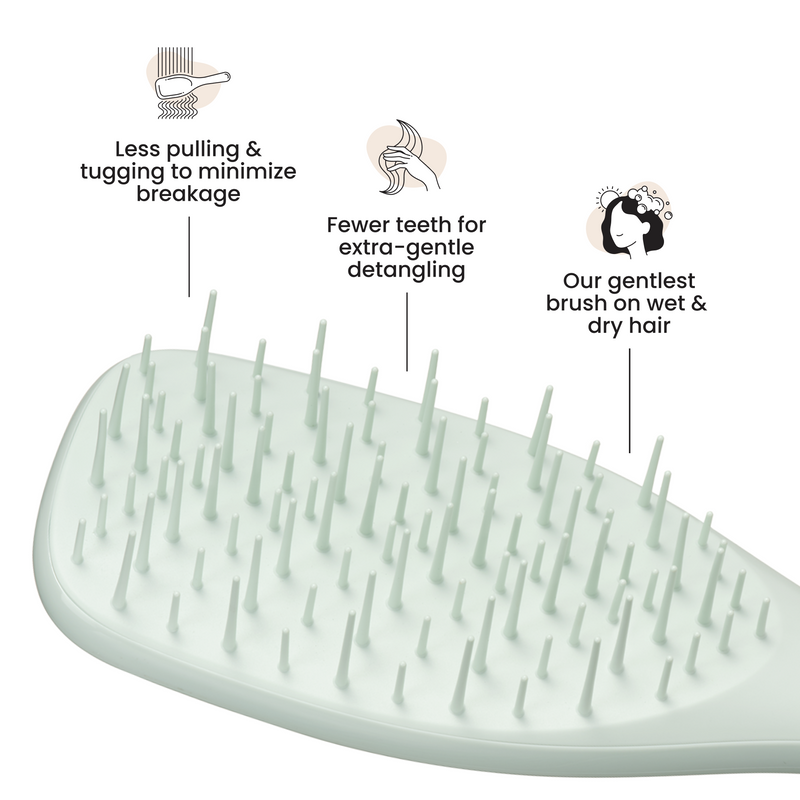
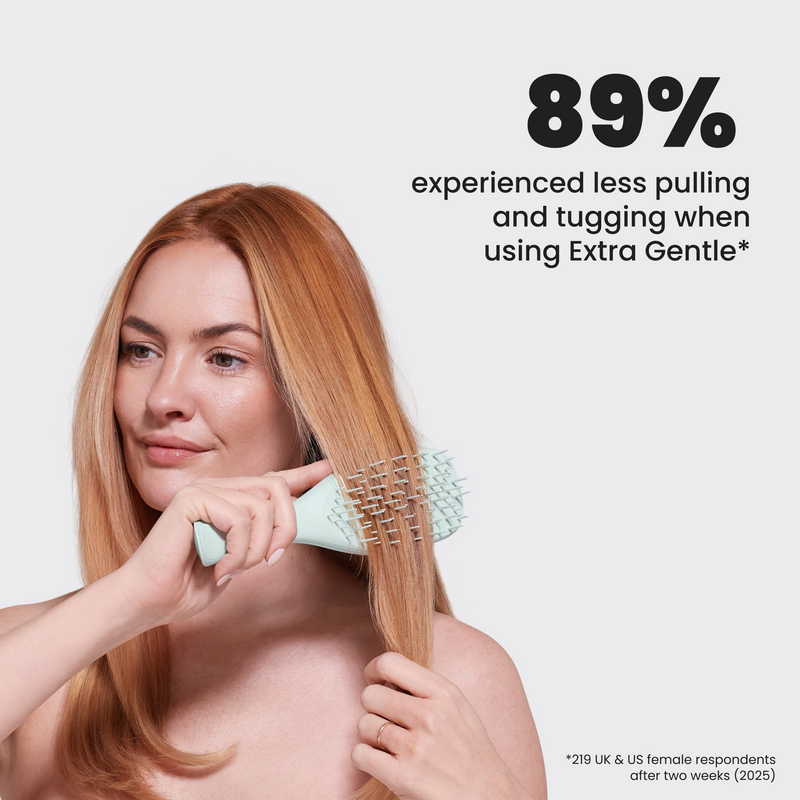
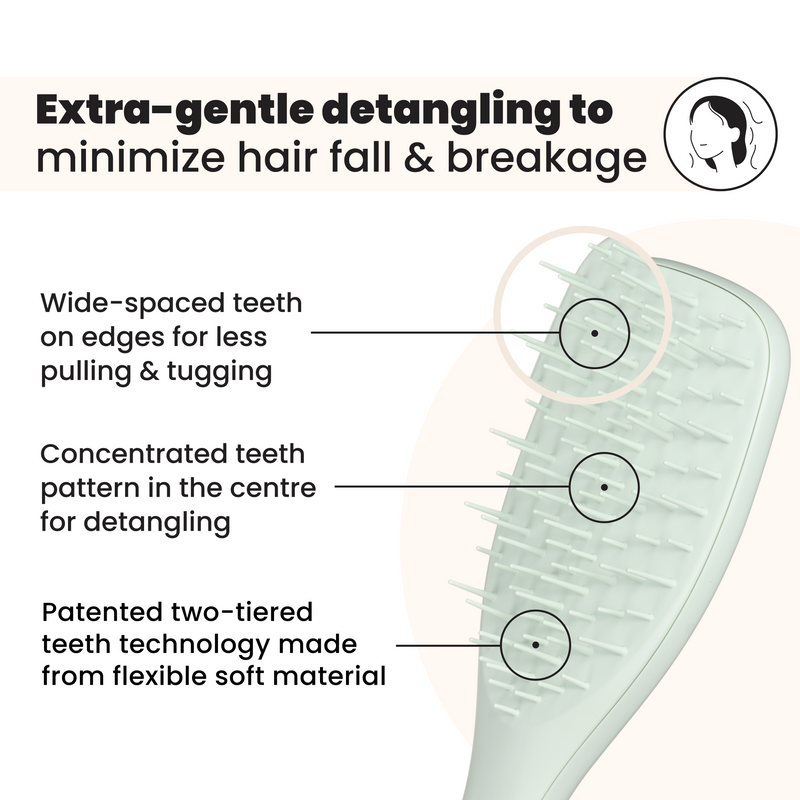
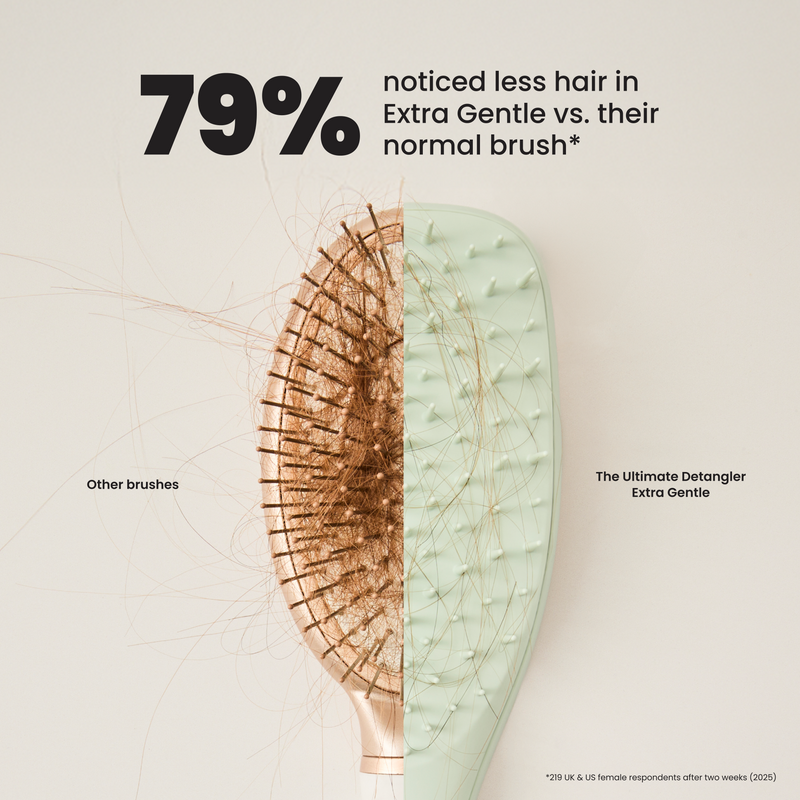
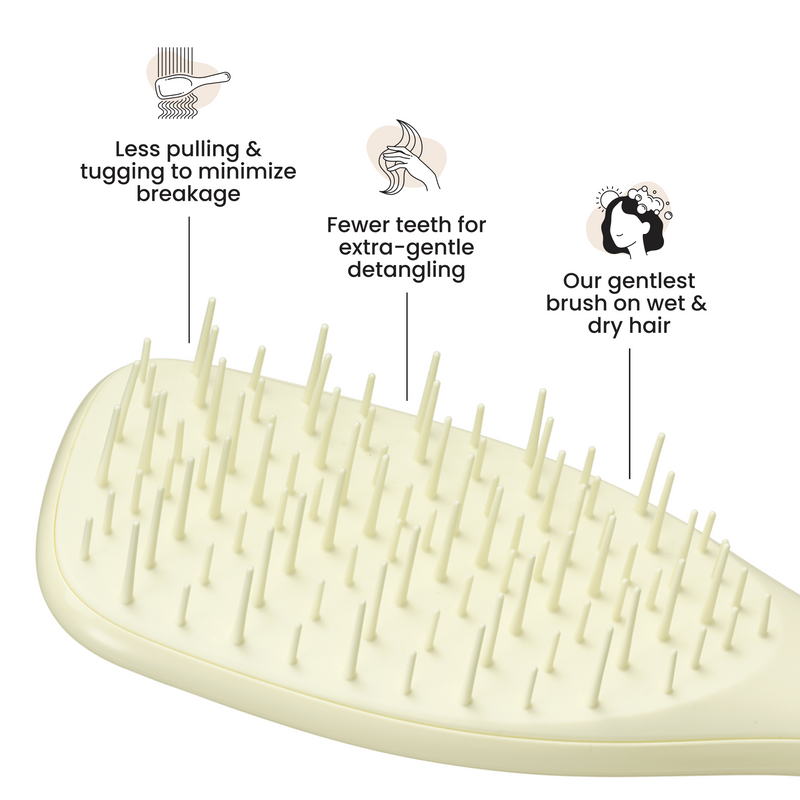
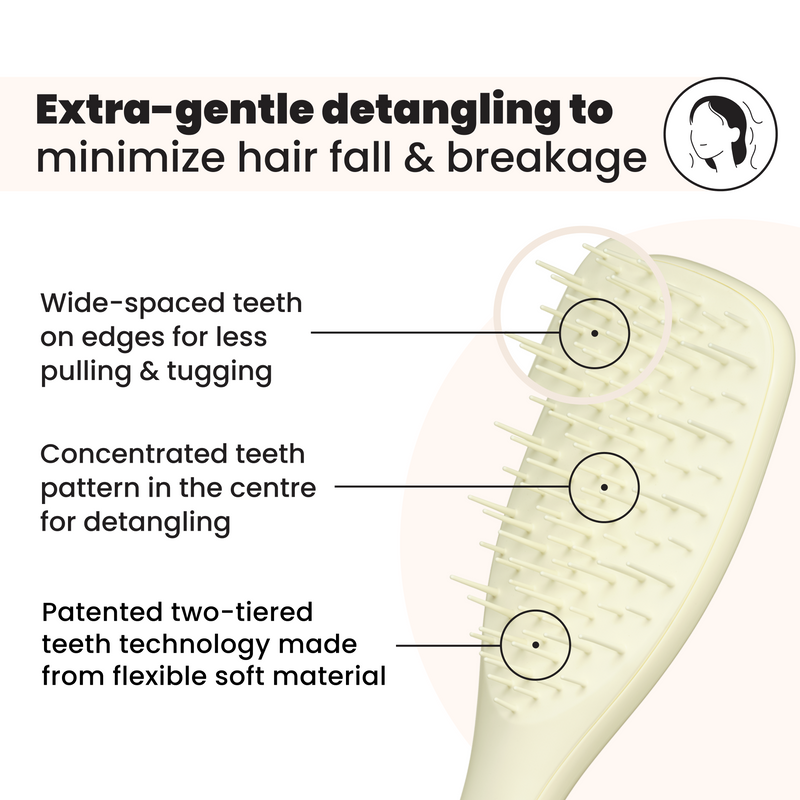
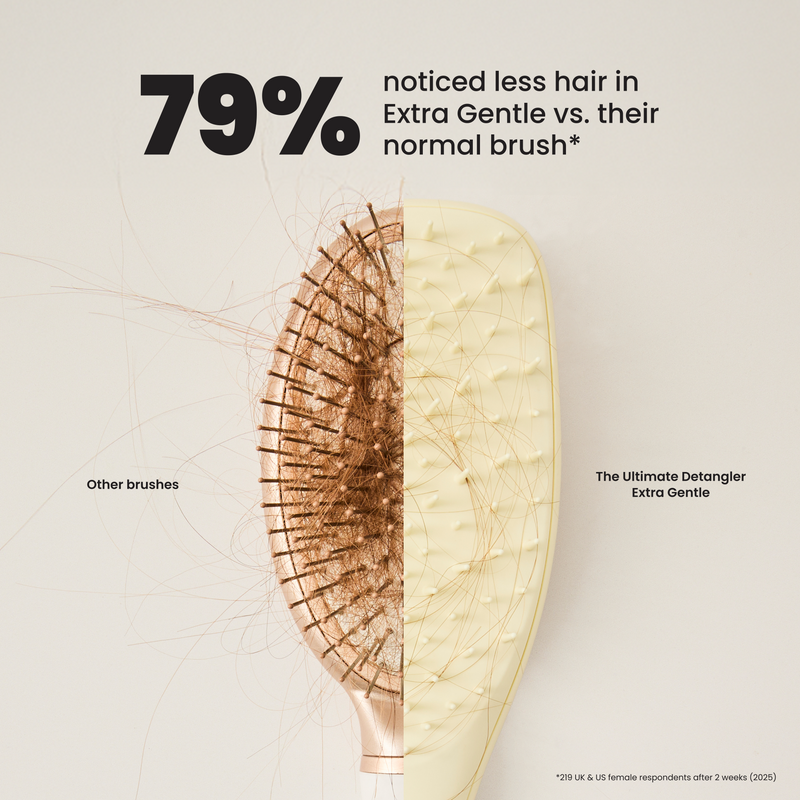
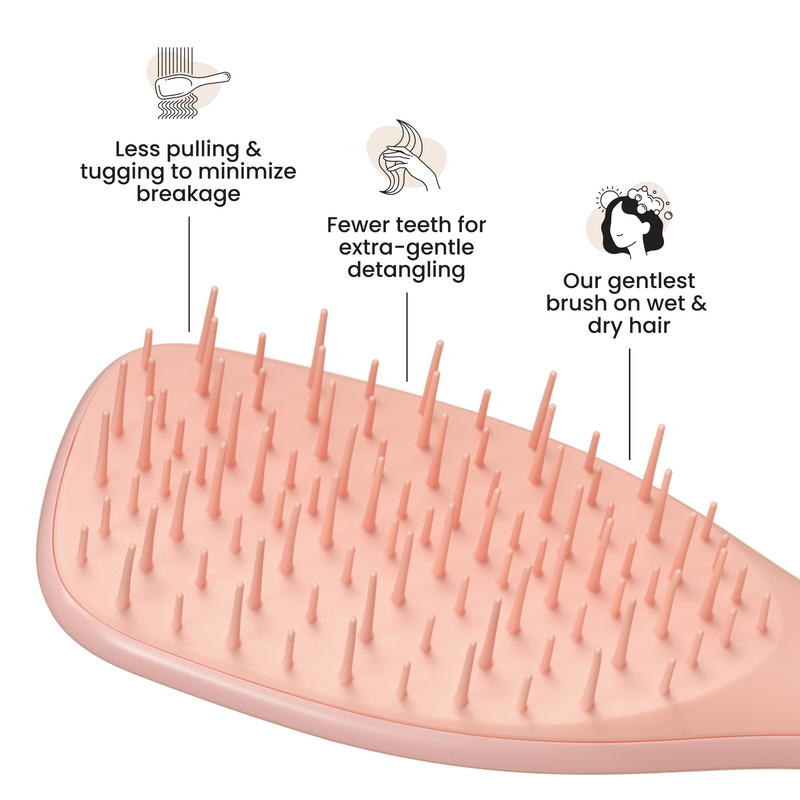
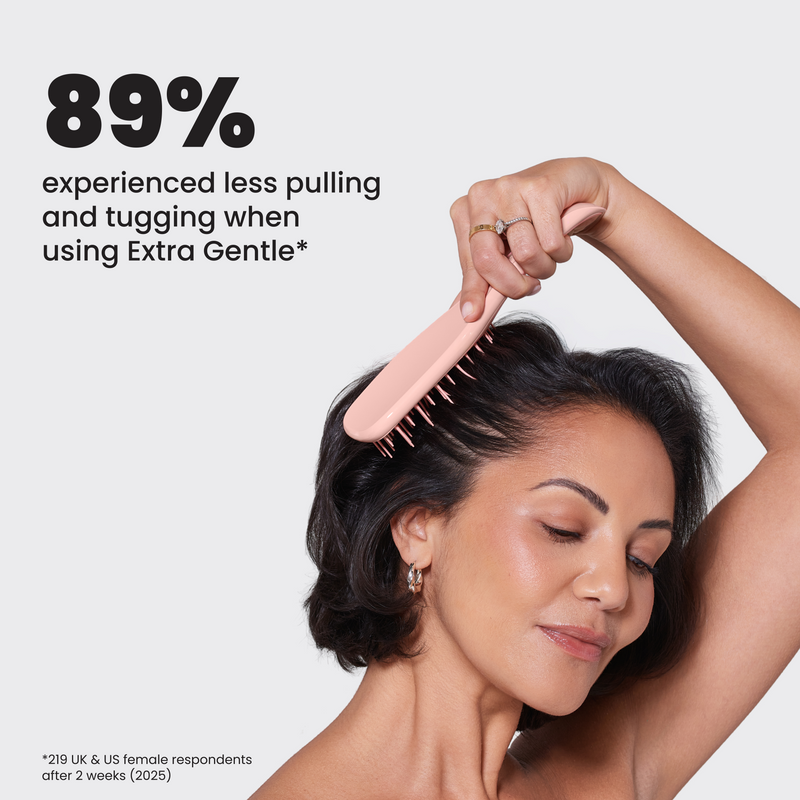
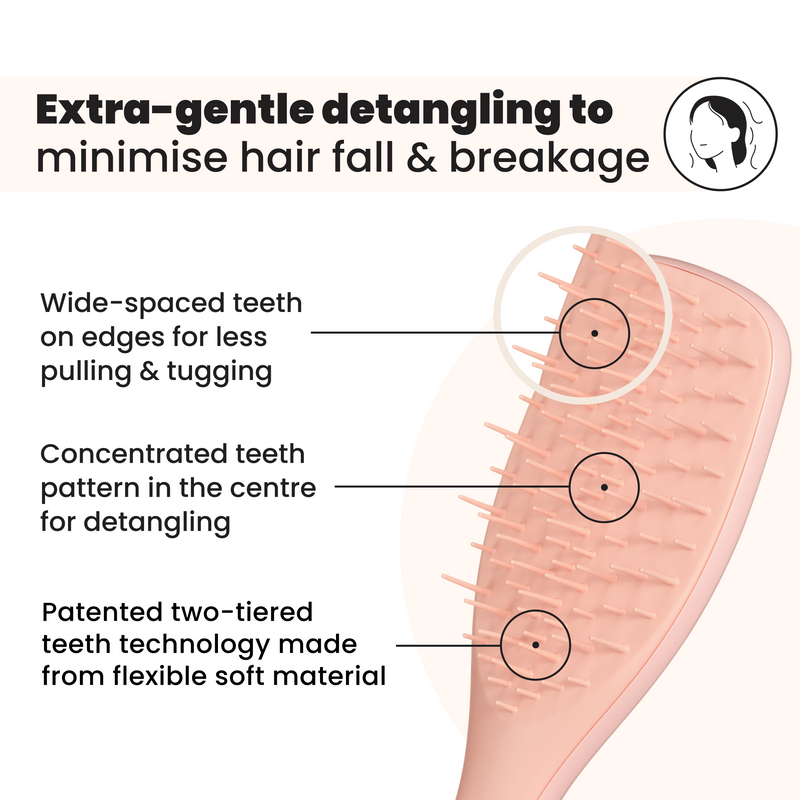
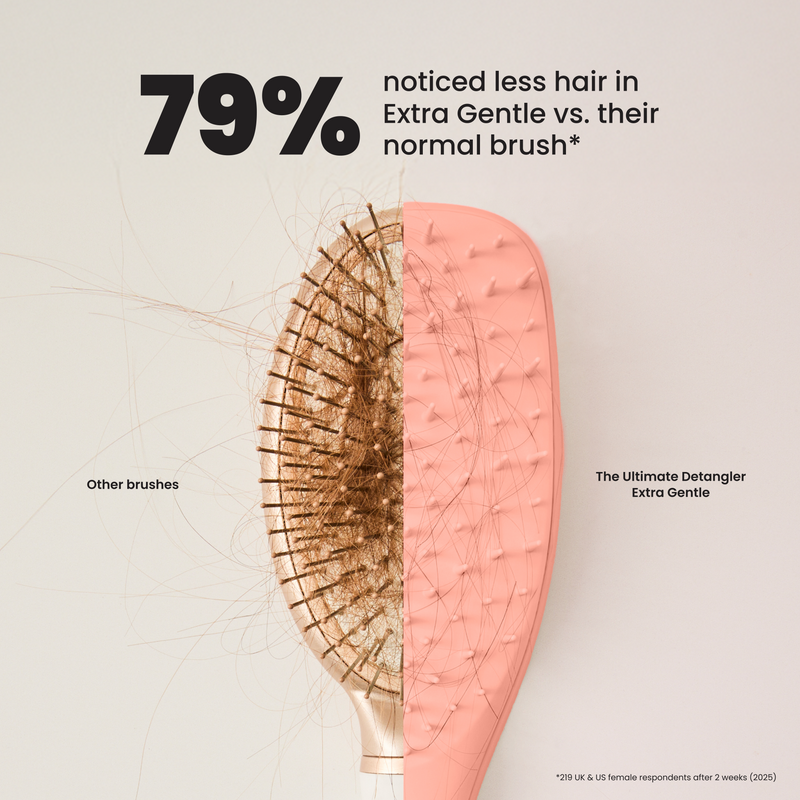
Be gentle when detangling: Damaged hair breaks more easily, so use a detangling spray and your Tangle Teezer to work through knots carefully, always starting from the tips and working upward. Rushing this step is one of the most common causes of additional breakage during recovery. If your hair is especially fragile, try our Extra Gentle or Fine and Fragile detangler.
How to Repair Sun-Damaged Hair
Sun damage is primarily a moisture and structural issue. UV rays dry out the hair shaft, raise the cuticle and, in color-treated hair, break down the pigment molecules that give hair its tone. Recovery focuses on restoring hydration, smoothing the cuticle and protecting against further exposure.
-
Hydrating masks: A deeply moisturizing mask used once or twice a week is the most effective treatment for sun-damaged hair. Look for ingredients like shea butter, coconut oil, argan oil or aloe vera, all of which penetrate the hair shaft and restore moisture from within rather than just coating the surface.
-
Leave-in conditioners and hair oils: Applied to damp hair after washing, these seal the cuticle and lock in moisture between washes. For very dry or sun-damaged ends, a small amount of oil worked through the tips before bed and rinsed out in the morning can make a noticeable difference within a week or two.
-
Trim the ends: If your ends are split or significantly damaged, a trim is the most direct solution. Split ends do not repair themselves, and leaving them in place allows the split to travel further up the hair shaft over time. Even a small trim removes the worst of the damage and gives the rest of the hair a healthier foundation to recover from.
-
Protect going forward: Once you are in recovery mode, keep the UV spray in your routine even as the summer fades. UV exposure continues into fall, and protecting hair that is already compromised costs very little effort and makes a meaningful difference to how quickly it returns to full health.
Looking After Your Hair This Summer
Summer is a lot of things for your hair: UV exposure, humidity, chlorine, saltwater, festivals, vacations and everything in between. But as this guide hopefully shows, none of it is unmanageable. Protect before you go out, adapt your routine to the season, and give your hair the recovery it needs when the sun goes down or the festival ends. Those three principles cover the vast majority of what summer throws at your hair.
The products and tools you use matter, but consistency matters more. A UV spray used every day does more than an intensive treatment used once. A gentle detangle after every swim prevents the kind of cumulative breakage that takes months to grow out. Small habits, repeated regularly, are what keep hair healthy through a full summer season and beyond.
If you want to explore further, the Tangle Teezer range has everything you need to build a summer hair care routine that actually works, from travel-friendly detangling brushes to the Scalp Exfoliator and Massager for keeping your scalp in good shape all year round. Have a brilliant summer.
Key Takeaways
-
UV rays damage hair by breaking down proteins and pigment molecules in the hair shaft. A daily UV protection spray is the simplest and most effective way to prevent it, and is especially important for color-treated, bleached or blonde hair.
-
Saturating your hair with fresh water before swimming in a pool or the ocean significantly limits how much chlorine or saltwater the hair can absorb. It is the single most effective pre-swim step you can take.
-
Humidity causes frizz by lifting the hair cuticle and allowing moisture from the air to penetrate unevenly. Anti-humidity sprays, silicone-based serums and gathered hairstyles like braids all reduce the effect.
-
Festival hair holds up best when it is prepared before you leave. Deep condition the night before, pack a Tangle Teezer, dry shampoo and UV spray, and plan styles that work with unwashed hair rather than against it.
-
Scalp care is as important as hair care in summer. Use a scalp sunscreen spray on exposed parts, exfoliate regularly with the Scalp Exfoliator and Massager to clear product build-up, and treat sunburn promptly if it occurs.
-
Summer hair damage, whether from heat tools, UV exposure or repeated swimming, is reversible with a consistent recovery routine. Protein treatments, weekly deep conditioning masks and reduced heat styling are the three most effective steps.
Frequently Asked Questions About Summer Hair Care
How often should I wash my hair in summer?
There is no single answer as it depends on your hair type, but as a general rule, washing every other day rather than daily is a good summer target. Heat increases oil production on the scalp, which can make hair feel greasier than usual, but overwashing strips the natural oils your hair needs to stay protected and healthy. A good dry shampoo on off days manages grease effectively without the need for a full wash.
Should I wet my hair before going in the ocean or a swimming pool?
Yes, and it makes a real difference. Hair can only absorb so much liquid at once, so saturating it with fresh water before you swim limits how much chlorine or saltwater it can take on. For extra protection, work a small amount of leave-in conditioner through the lengths before you get in. It takes thirty seconds and significantly reduces the damage from repeated water exposure.
Does the sun fade hair color?
Yes. UV rays break down the dye molecules in color-treated hair, causing color to fade, turn brassy or lose vibrancy faster than it should. Bleached and blonde hair is particularly vulnerable. A UV protection spray applied daily, combined with a shampoo and conditioner formulated for color-treated hair, is the most effective way to slow color fade through the summer months.
What is the best way to protect hair at a festival?
Preparation is everything. Wash and deep condition your hair the night before, pack a Tangle Teezer brush, dry shampoo, UV spray and plenty of hair ties, and plan your styles in advance. Braids, buns and half-up styles hold up far better over multiple days than loose styles, and they double as protection against sun exposure. The festival section of this guide covers a full five-day style plan if you want more detail.
How do I stop my hair going frizzy in humidity?
The most effective approach combines the right products with the right styles. Anti-humidity sprays and silicone-based serums coat the hair shaft and limit how much moisture it absorbs from the air. Wearing hair in braids, buns or other gathered styles also helps significantly, as these reduce the surface area exposed to humidity. Applying products to damp rather than dry hair gives better results, as they seal in moisture rather than sitting on top.
Can you repair heat-damaged hair?
Yes, though it takes consistent effort over several weeks. The key steps are reducing heat styling immediately, using a protein treatment once a week to restore structure, and alternating that with a deeply moisturizing conditioning mask. Being gentle when detangling is important too, as heat-damaged hair breaks more easily than healthy hair. Most people notice a meaningful improvement within four to six weeks of a consistent recovery routine.
How do I protect my scalp from the sun?
The most practical options are a scalp sunscreen spray with SPF 50, applied in sections along the part and any exposed areas, or a scalp sunscreen powder for oilier hair types. Wearing your hair with no center part, or in a style that covers the scalp, also reduces exposure meaningfully. On very sunny days, a wide-brimmed hat is the most reliable protection available for both your scalp and your hair.
How do I look after my hair on vacation without taking lots of products?
A compact kit covers most of what you need: a UV protection spray, a travel-size Tangle Teezer, dry shampoo, a good conditioner or small conditioning mask, and a detangling spray. The Tangle Teezer Compact Styler is designed for exactly this, fitting into a toiletry bag without taking up meaningful space. Keeping hair in low-maintenance protective styles and rinsing after every swim does most of the heavy lifting beyond that.
Words: 3
Characters: 13